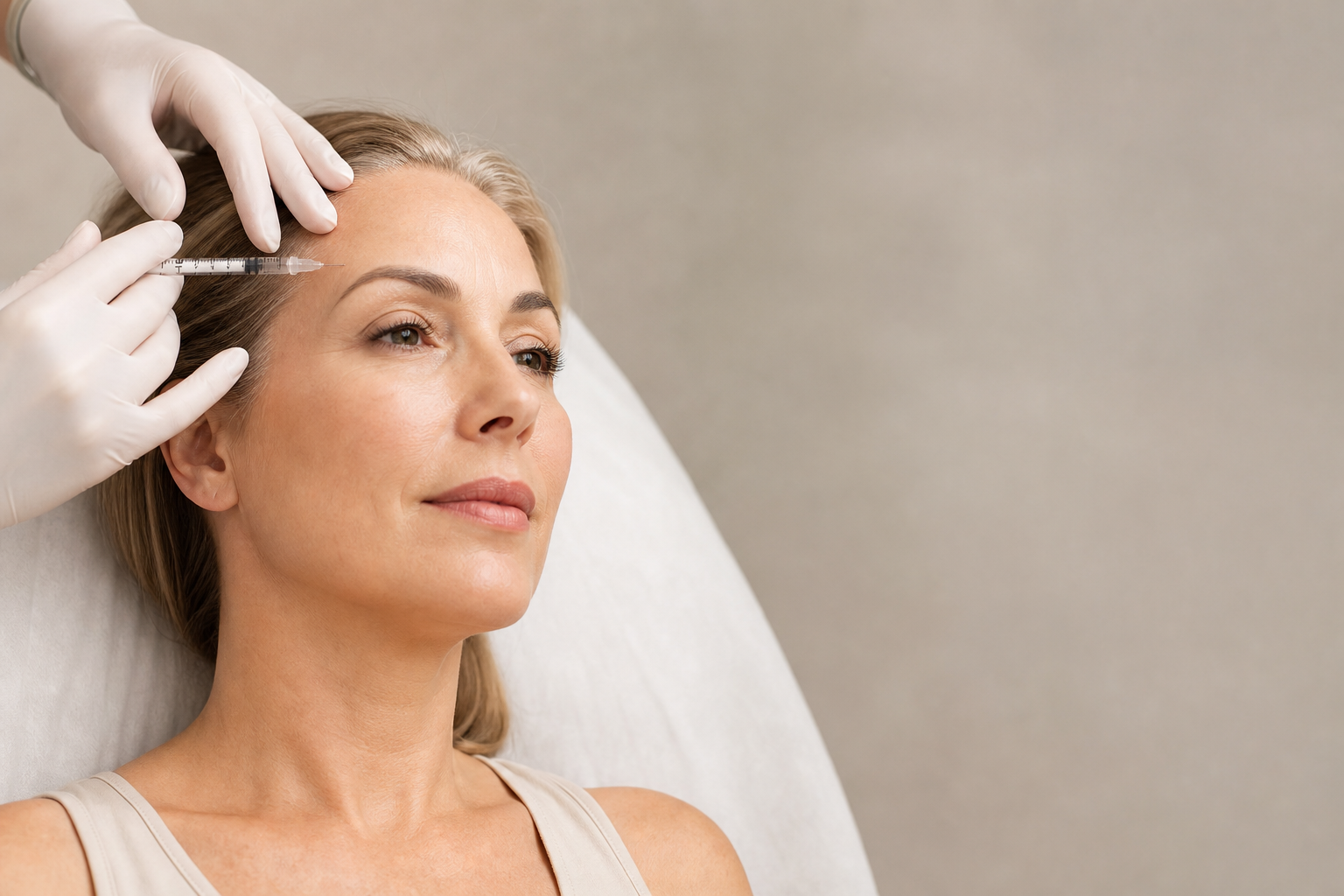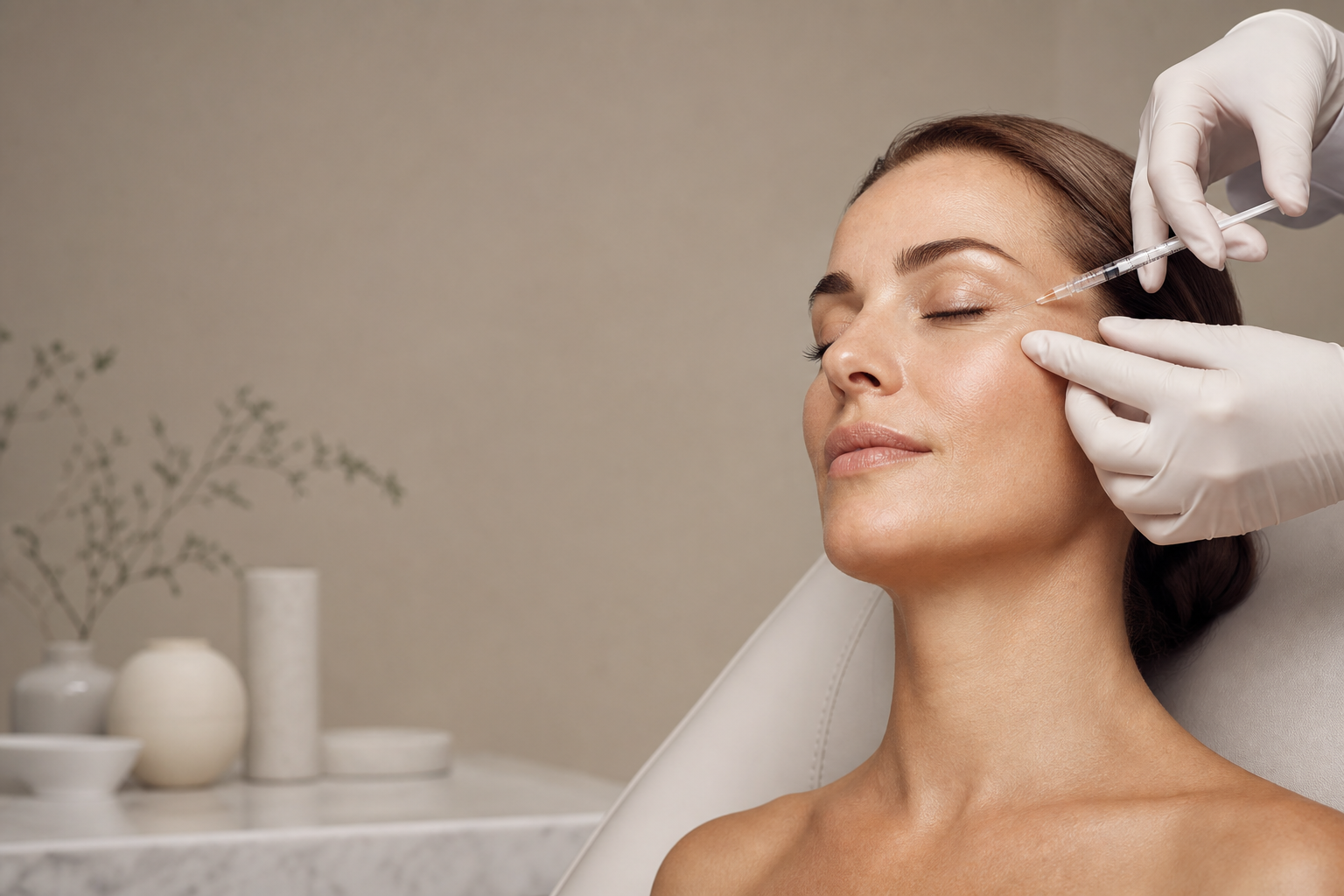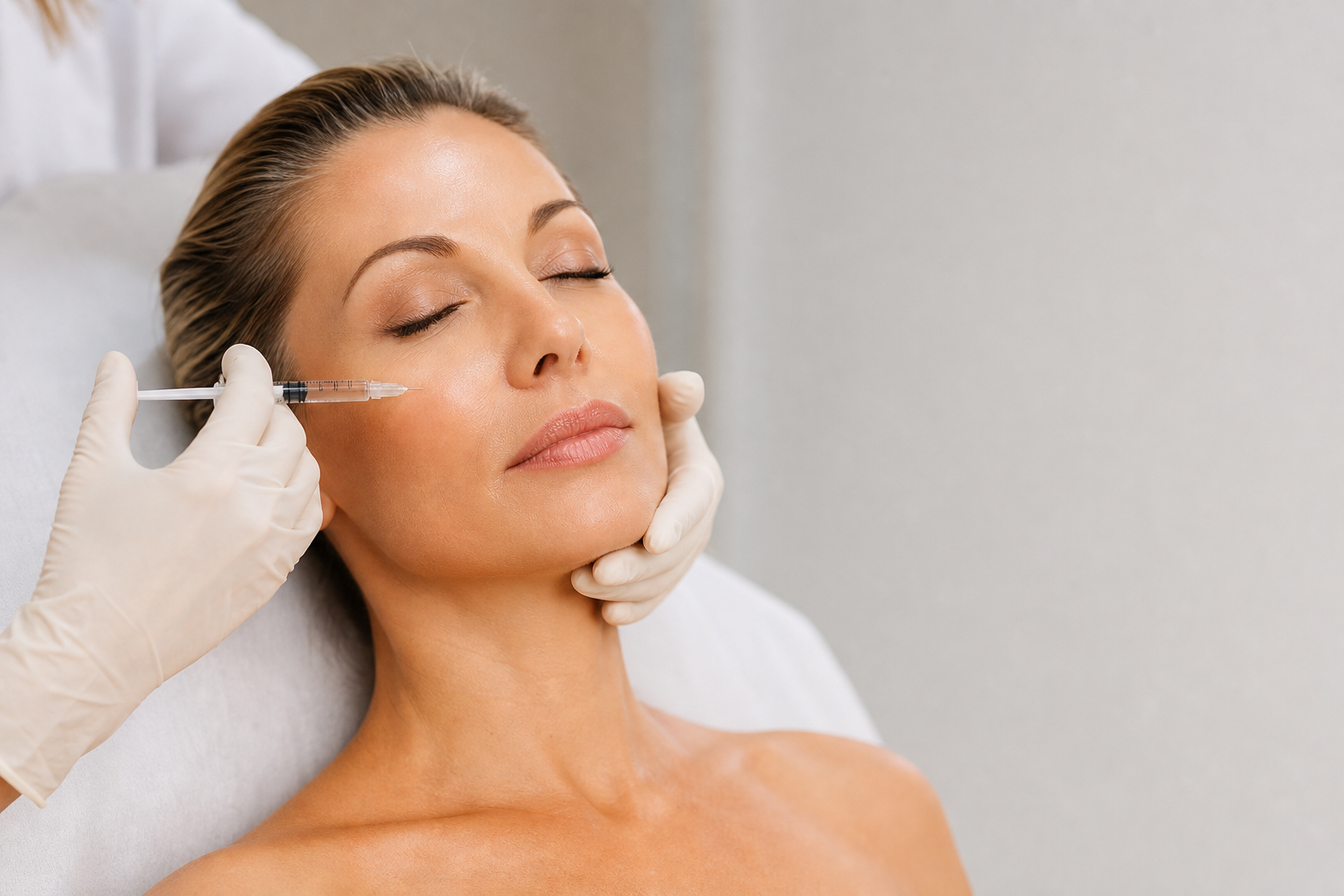
Injectable anti-aging treatments represent a significant advancement in the field of aesthetic medicine, offering targeted solutions for diminishing the visible signs of aging on the skin, primarily the face. Unlike typical salon facial rituals that focus on superficial skin hydration and nourishment, these treatments are medically supervised procedures designed to operate at deeper levels of the skin and subcutaneous tissues. They require administration by licensed medical professionals to ensure both efficacy and safety.
These treatments are ideally suited for adults who seek to reduce wrinkles, restore lost volume, and tighten the skin, all while preserving natural facial expressions and an authentic appearance. Their role is pivotal in modern dermatology and cosmetic medicine, as they directly address the underlying causes of skin aging rather than merely improving surface-level aesthetics. Consequently, injectable anti-aging procedures have become preferred alternatives to surgical interventions, providing visible and lasting rejuvenation without significant downtime.
Understanding what injectable anti-aging treatments entail, who can benefit from them, how they function, and what outcomes one can expect is essential for anyone considering these options. This article delves into the nuances of these treatments, distinguishing them clearly from traditional salon procedures, highlighting their benefits, types, application methods, timing considerations, potential side effects, and post-treatment maintenance. By exploring these aspects, readers can make informed decisions aligned with their aesthetic goals and health considerations.
What Are Injectable Anti-Aging Treatments and How Do They Work?
Injectable anti-aging treatments comprise a diverse range of medical procedures involving the administration of specific substances into the skin using fine needles or microcannulas. These substances target the structural components of the skin and underlying tissues to rejuvenate and restore youthful characteristics. The most prevalent injectable treatments include botulinum toxin (commonly known as Botox), hyaluronic acid fillers, biorevitalization, and mesotherapy.
Botulinum toxin works by temporarily inhibiting the neurotransmitters responsible for muscle contractions, thereby preventing dynamic wrinkles associated with facial expressions from forming or deepening. This results in a smoother, more relaxed skin surface, particularly effective for lines on the forehead, around the eyes (crow’s feet), and between the eyebrows.
Hyaluronic acid fillers, composed of a substance naturally found in the skin, help retain moisture and add volume by filling static wrinkles and contour deficiencies. They can enhance cheekbones, plump lips, and smooth nasolabial folds, providing both corrective and augmentative effects.
Biorevitalization focuses on deep skin hydration and stimulation of collagen synthesis by injecting hyaluronic acid combined with active ingredients. This procedure is particularly beneficial for dry or photoaged skin, promoting regeneration and improving texture without altering facial contours.
Mesotherapy involves multiple microinjections of vitamins, minerals, and amino acids that nourish and revitalize the skin from within. Its broad scope makes it suitable for enhancing overall skin health and addressing minor imperfections.
Collectively, these injectables operate by encouraging natural regenerative processes, increasing collagen and elastin production, and improving blood circulation in targeted areas, which collectively contribute to a restored, younger-looking complexion.
Who Are Ideal Candidates for Injectable Anti-Aging Treatments?
Injectable anti-aging treatments are typically recommended for adults noticing early to moderate manifestations of skin aging, such as wrinkles, sagging, or loss of facial volume. Candidates often seek significant rejuvenation effects without opting for surgical procedures, looking instead for less invasive methods with shorter recovery times.
Moreover, younger individuals may pursue preventive treatments to delay the onset of wrinkles or to subtly refine facial characteristics. Each treatment plan is personalized based on factors including skin type, aging patterns, lifestyle habits, and overall health status.
An important consideration is the presence of realistic expectations; patients must understand that these treatments are not permanent solutions but require periodic maintenance to sustain results. Thorough medical evaluation and consultation with an experienced practitioner ensure safety and appropriateness of intervention.
Advantages of Injectable Anti-Aging Procedures Compared to Salon Facial Treatments
The primary distinction between injectable anti-aging treatments and salon facial procedures lies in the depth and specificity of their effects. Salon treatments such as massages, chemical peels, and hydrating facials mainly enhance the skin's surface by improving moisture levels and promoting superficial cellular turnover.
Conversely, injectable therapies penetrate beyond the epidermis to influence the dermis and subcutaneous layers where significant aging changes occur, such as collagen depletion and tissue laxity. They can precisely target wrinkles, volume loss, and facial contours with measurable and longer-lasting outcomes.
Another critical advantage is the strict medical oversight inherent to injectable treatments. Protocols, safety measures, and personalized dosing contribute to predictable results and minimized risks, differentiating these procedures from salon approaches that may lack rigorous medical supervision.
Furthermore, injectable therapies enable correction of a wider range of aesthetic concerns, often impossible to address with non-invasive facial rituals alone. Patients benefit from treatments tailored to their unique facial anatomy and aging process, producing natural and harmonious rejuvenation.
Exploring Common Types of Injectable Anti-Aging Treatments
In the realm of aesthetic medicine, several injectable treatments have become established as standards for combating facial aging:
Botulinum Toxin (Botox): Specifically utilized to relax muscles causing dynamic wrinkles, Botox’s effects develop within a week and generally last four to six months. It is effective for forehead lines, frown lines, and crow’s feet.
Hyaluronic Acid Fillers: These fillers restore volume lost due to aging and improve facial contours. The longevity of their effect ranges from six months to over a year, depending on the product used.
Biorevitalization: Indicated for enhancing skin hydration and texture, it does not alter volume but revitalizes dull or sun-damaged skin, encouraging collagen production for long-term benefits.
Mesotherapy: A technique involving numerous superficial injections of nutrient-rich solutions to improve skin vitality and brightness, serving as a comprehensive skin conditioning treatment.
The Injectable Treatment Process: What to Anticipate
The journey toward rejuvenated skin through injectable treatments commences with a detailed medical consultation. The practitioner assesses the facial structure, skin condition, and patient goals to craft an individualized treatment plan. This ensures that selected products and dosages align with specific needs and desired outcomes.
Procedures typically range from 15 to 45 minutes. The skin is cleansed and disinfected prior to injections, with topical anesthetics applied to minimize discomfort if necessary. The use of fine needles or microcannulas helps reduce pain and the risk of bruising.
Post-injection reactions may include mild redness, swelling, or pinpoint bruises, which generally resolve within a few days. While some effects, such as those from fillers or biorevitalization, may be noticed immediately, botulinum toxin results evolve over several days.
Determining the Optimal Timing for Injectable Anti-Aging Treatments
The appropriate time to begin injectable therapies is influenced by individual aging patterns, genetic predisposition, lifestyle, and skin health. Typically, patients in their late 30s to 40s start to observe initial wrinkles and volume loss, making this an opportune period for intervention.
For dynamic wrinkles caused by muscle activity, early botulinum toxin application can effectively delay wrinkle deepening. For static wrinkles or volume deficiencies, fillers and biorevitalization become more pertinent as signs become more pronounced.
Decisions regarding treatment timing benefit from professional evaluation, which can recommend preventive or corrective approaches tailored for long-term skin health and aesthetic maintenance.
Potential Risks and Contraindications of Injectable Anti-Aging Therapies
When administered by qualified medical professionals, injectable anti-aging treatments boast a strong safety profile. Nevertheless, minor side effects such as soft tissue swelling, redness, bruising, and sensitivity may occur following injection.
Serious complications are uncommon but can include allergic reactions or infections, underscoring the necessity for sterile technique and proper patient screening.
Contraindications encompass pregnancy, breastfeeding, active dermatological infections or inflammation at treatment sites, autoimmune conditions, neuromuscular disorders, and known hypersensitivity to treatment components.
Comprehensive medical assessment prior to treatment is vital to identify contraindications and mitigate risks.
Post-Treatment Expectations and Maintenance of Results
After an injectable anti-aging procedure, patients can typically resume everyday activities immediately. However, avoidance of strenuous exercise, exposure to excessive heat or sunlight, and manipulation of treated areas is advised during the initial recovery phase.
For sustained benefits, patients must adhere to follow-up schedules, which usually involve repeat treatments every four to twelve months depending on the therapy chosen. Maintaining a consistent skincare regimen, adopting a healthy lifestyle, and protecting the skin from environmental damage support prolonged results.
Addressing Common Questions About Injectable Anti-Aging Procedures
Is the procedure painful? Most patients report minimal discomfort due to the use of very fine needles and optional anesthetics.
How long do effects last? Longevity varies by treatment: botulinum toxin effects last around 4-6 months, whereas fillers can last up to 18 months or longer.
Do results appear natural? Natural-looking outcomes depend on the expertise of the practitioner and the customized treatment plan.
What distinguishes botulinum toxin from fillers? Botulinum toxin inhibits muscle contractions to smooth dynamic wrinkles; fillers restore volume and address static lines and contour deficiencies.
The Critical Role of Medical Supervision in Anti-Aging Injectable Treatments
Injectable anti-aging procedures are more than cosmetic interventions; they embody the evolution of skin care into a medically governed discipline. Their capacity to deliver precise, controlled, and effective rejuvenation marks a departure from traditional beauty treatments.
Clinical oversight ensures not only optimal aesthetic outcomes but also patient safety and adherence to best practices. Patients should seek treatment exclusively from certified medical professionals who can tailor protocols responsibly and manage any complications swiftly.
This medical approach bridges science and artistry, fostering confidence in those pursuing these modalities for sustained skin health and youthfulness.