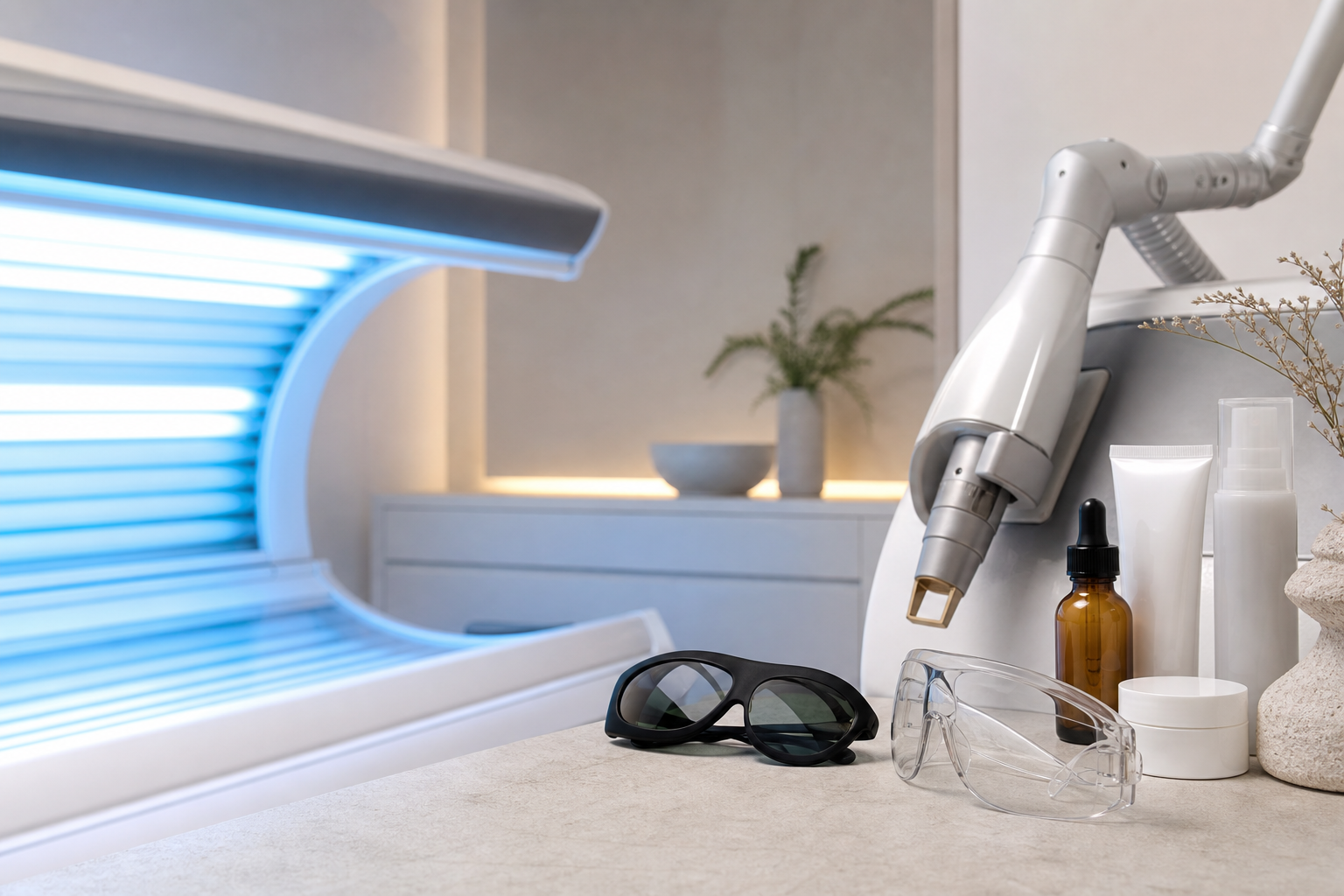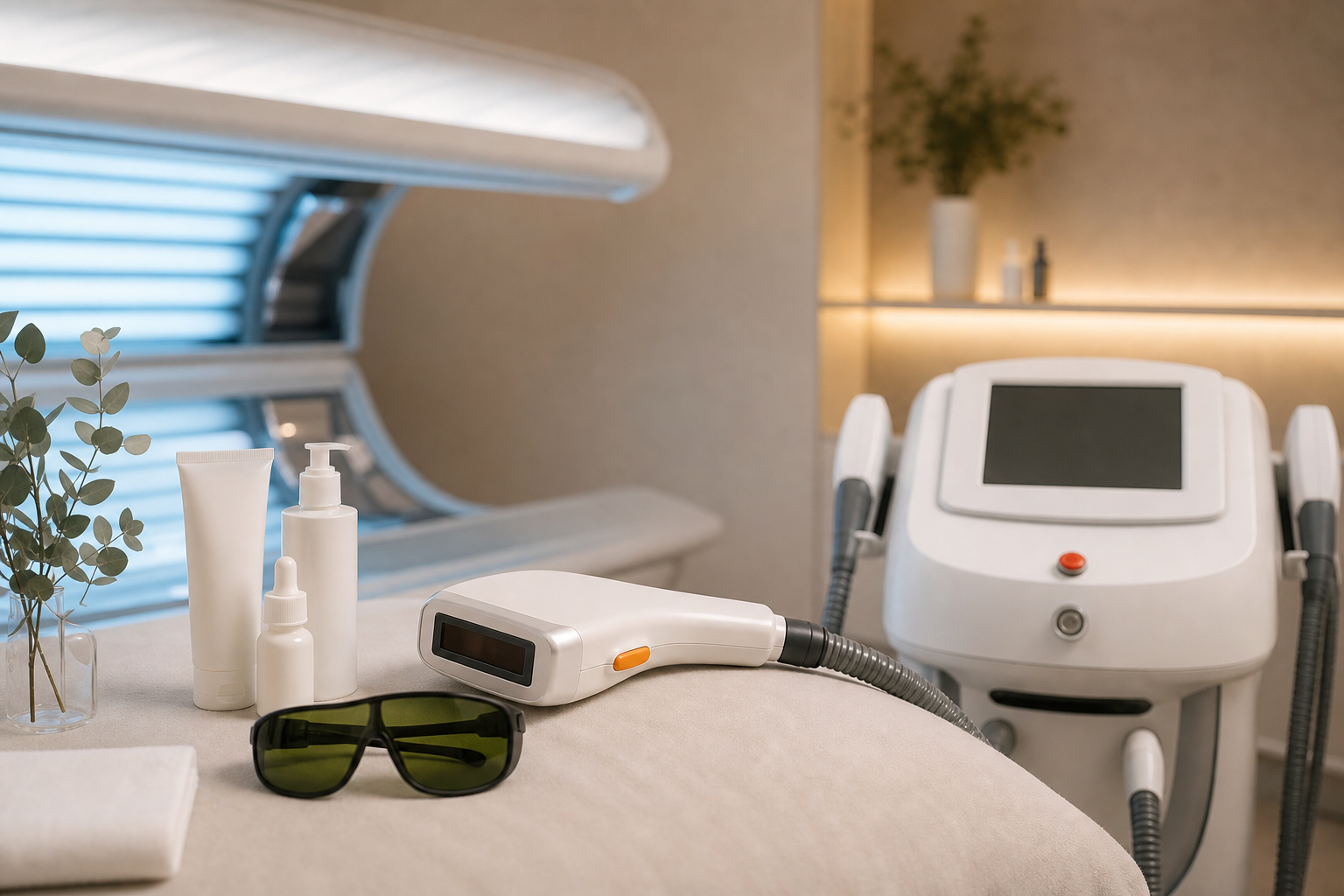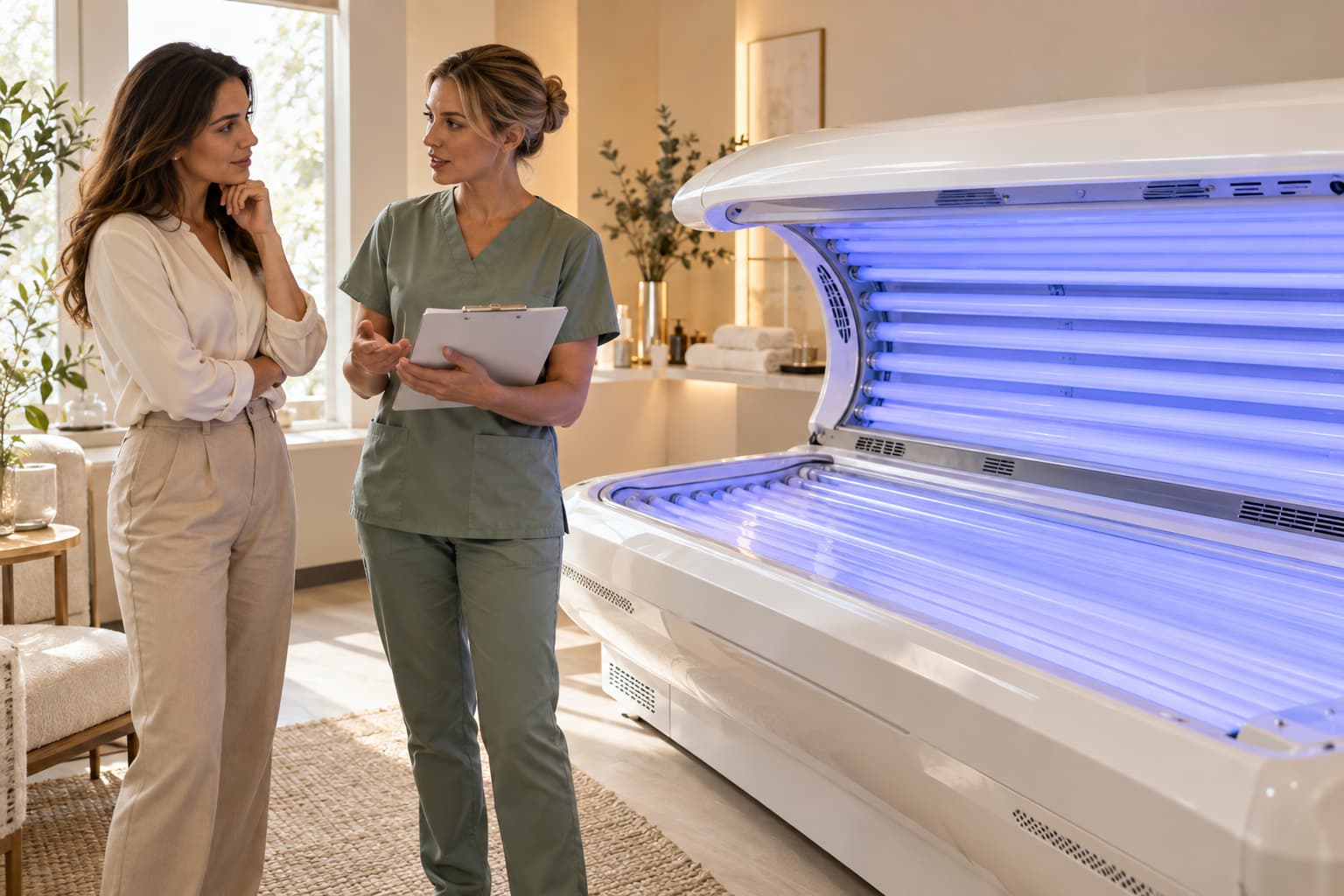
Sunbeds, or tanning beds, are devices that emit ultraviolet (UV) radiation to induce a cosmetic tan on the skin. This practice remains widely popular despite growing awareness of the associated health risks. When considering sunbeds in the context of aesthetic treatments—procedures designed to enhance the skin's appearance through interventions such as laser therapy, chemical peels, microneedling, and topical medications—the interaction becomes particularly noteworthy. Understanding how UV exposure from sunbeds before and after these treatments affects skin health and treatment outcomes is essential for anyone engaged in or contemplating aesthetic procedures.
This comprehensive editorial guide addresses the complex relationship between sunbed use and aesthetic treatments, emphasizing the medical evidence regarding safety, risks, and expert recommendations. It is intended for individuals who either regularly use sunbeds, are planning to undergo aesthetic skin procedures, or both. By clarifying these interactions and outlining best practices, this article aims to inform safe decision-making and to dispel common misconceptions around sunbed exposure in the peri-treatment period.
Evidence consistently classifies UV radiation from sunbeds as a Group 1 carcinogen by the International Agency for Research on Cancer (IARC), indicating proven carcinogenicity to humans. No amount of UV exposure from sunbeds can be deemed completely safe. This classification, along with known impacts of UV radiation on skin biology, underlines the critical importance of careful consideration and professional consultation before incorporating sunbed use into a regimen involving aesthetic treatments.
How Does UV Radiation from Sunbeds Affect Skin Before and After Aesthetic Treatments?
Ultraviolet radiation from sunbeds affects the skin at a molecular and cellular level, inducing DNA damage, oxidative stress, and inflammation. When the skin undergoes an aesthetic treatment, many procedures intentionally disrupt skin layers to stimulate regeneration, collagen production, or remove damaged cells. Examples include laser resurfacing, chemical peels, microneedling, and topical retinoid application.
Exposure to UV radiation during the vulnerable phases of skin healing can exacerbate damage, delay recovery, and precipitate complications such as hyperpigmentation, erythema, or scarring. The skin’s protective barrier is often compromised immediately after these treatments, making it more susceptible to UV-induced injury. Hence, UV radiation from sunbeds, which penetrates deeper than natural sunlight and can be of higher intensity, poses a significant risk before complete skin recovery.
For instance, individuals undergoing laser hair removal or laser treatments targeting pigmentation should be particularly cautious; post-treatment skin is highly photosensitive, and UV exposure can provoke postinflammatory hyperpigmentation or hypopigmentation, potentially undermining the results of the treatment. Similarly, chemical peels remove layers of the epidermis, leaving a new, fragile skin surface that requires protection from UV damage to avoid pigmentary changes and inflammation.
Who Is Most Vulnerable to Risks from Sunbed Use in the Context of Aesthetic Procedures?
Certain individuals bear heightened sensitivity to UV radiation, especially when combined with aesthetic skin treatments. People with naturally fair or sensitive skin types, those prone to melasma or other pigmentary disorders, and patients with a history of photosensitive skin conditions are at particular risk.
Further, individuals using photosensitizing medications or topical agents such as retinoids should exercise caution. Retinoids increase cellular turnover and sensitize the skin to UV radiation, which could intensify UV damage and disrupt post-treatment healing processes. Patients with autoimmune or chronic skin conditions, and those currently taking photosensitizing drugs, should seek personalized advice from healthcare professionals to assess the appropriateness and timing of sunbed exposure relative to their treatments.
The policy of avoiding sunbeds completely for those under 18 years of age is important due to developing skin’s higher vulnerability and increased lifetime risk of UV-induced damage.
What Are the Long-Term Consequences of Combining Sunbed Use and Aesthetic Treatments?
While aesthetic treatments aim to improve skin health and appearance, combining them with frequent or poorly timed sunbed use may accelerate photodamage. Long-term repercussions include enhanced photoaging manifested by premature wrinkles, loss of skin elasticity, and pigment irregularities.
More gravely, cumulative UV exposure raises the risk of skin cancers, including melanoma and non-melanoma types. This risk is additive when UV exposure occurs in skin already subject to procedural disruption and inflammation.
Consequently, medical experts advocate for minimizing or eliminating sunbed use throughout any course of aesthetic treatment and thereafter, highlighting safer options for skin care and appearance maintenance.
How Should One Approach Sunbed Use When Undergoing Aesthetic Treatments?
There is no one-size-fits-all guideline for timing or dosage of UV exposure related to sunbeds in the context of cosmetic procedures. Health professionals recommend individual assessment, taking into account the type of treatment, extent of skin disruption, individual skin type, and personal medical history.
Dermatologists and cosmetic specialists typically advise against sunbed use in the immediate pre- and post-treatment periods to reduce complications and optimize outcomes. Rather than fixed waiting periods, clinicians rely on clinical judgment and patient-specific factors to determine safe timelines for resuming any UV exposure.
When sunbed use is considered medically acceptable, adherence to conservative exposure limits, close monitoring of skin responses, and rigorous photoprotection measures are essential to minimize harm. Open communication between the patient and healthcare provider is key to safely navigating these decisions.
What Are Safe Alternatives to Sunbeds for Achieving a Tanned Look After Aesthetic Treatments?
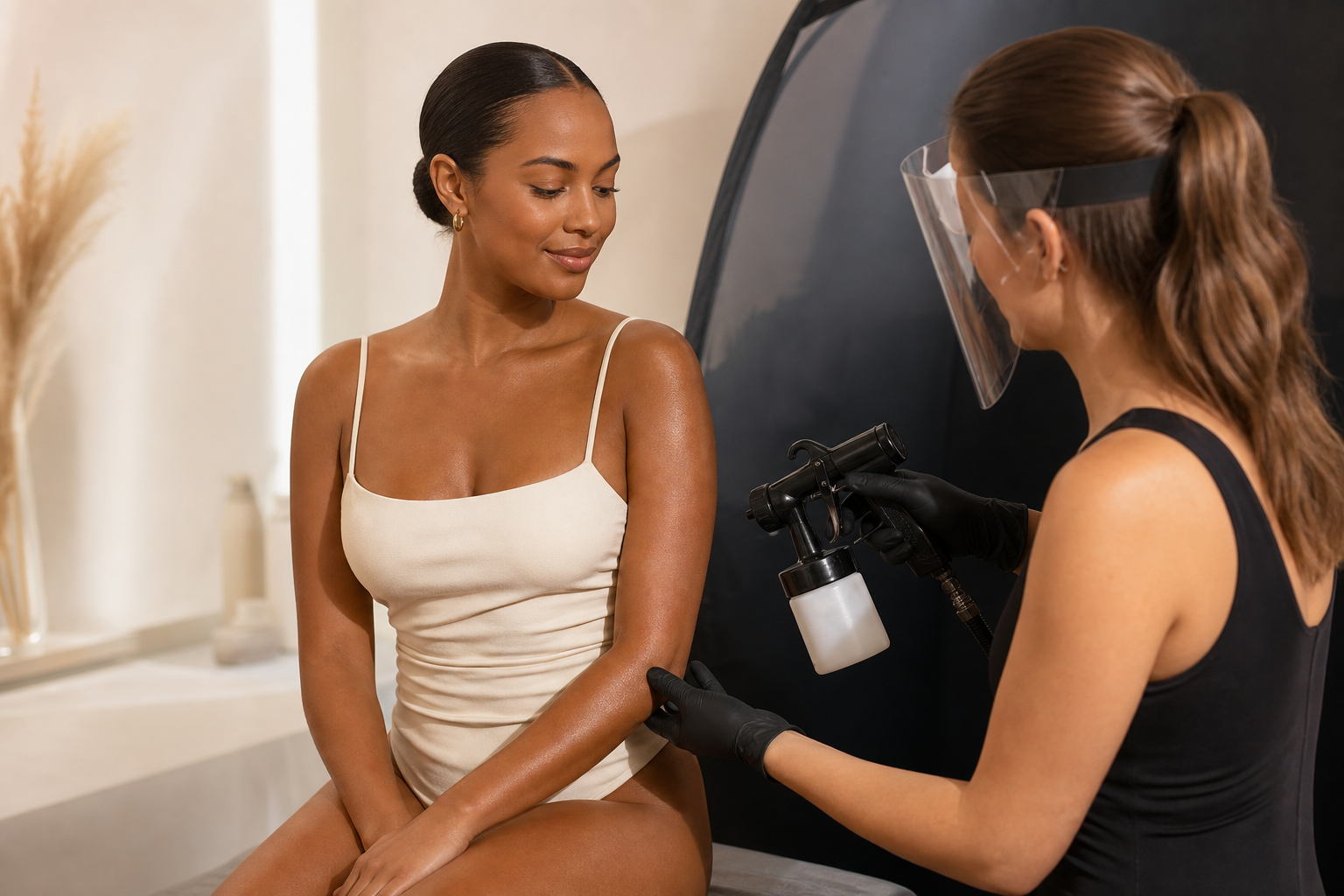
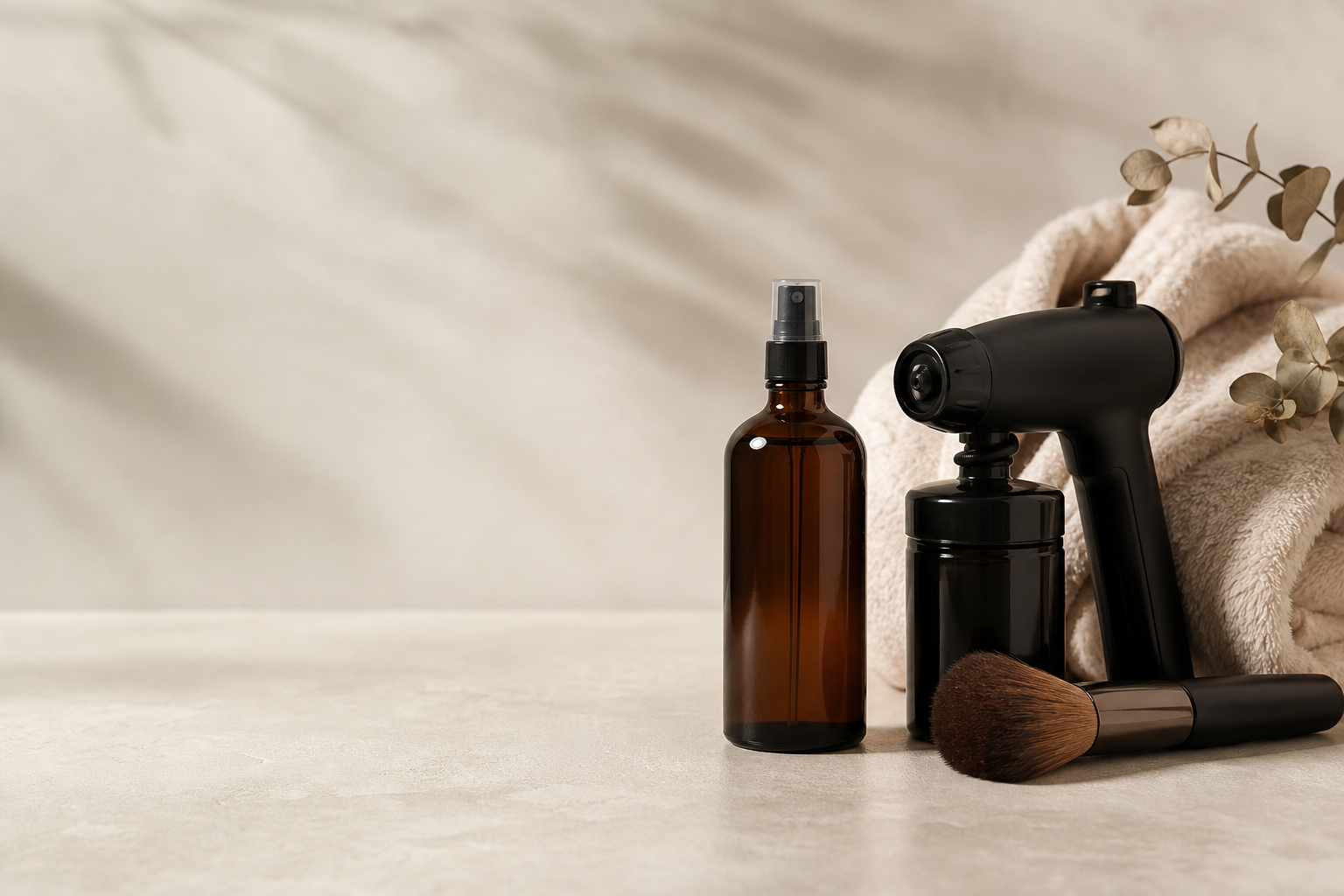
Given the inherent risks of UV exposure, particularly around aesthetic treatments, safer methods to achieve the appearance of a tan should be prioritized. Self-tanning products based on dihydroxyacetone (DHA), bronzers, tinted moisturizers, or spray tans provide immediate cosmetic bronze hues without damaging the skin.
These UV-free options do not interfere with skin healing and can be a practical choice for individuals recovering from treatments. Additionally, gradual tanning formulations and products containing antioxidants or skin-nourishing ingredients may support the skin’s natural barrier without compromising safety.
What Common Misconceptions About Sunbed Use and Skin Care Post-Treatment Should Be Addressed?
One prevalent myth is that sunbeds can help 'prepare' the skin for treatments or speed up healing. Contrary to this notion, UV radiation may actually delay healing processes by inducing inflammation and cellular damage.
Another mistaken belief is the existence of a 'safe' or 'minimal-risk' level of sunbed exposure, which isn’t supported by current scientific evidence condemning all UV exposure from sunbeds as potentially hazardous.
Finally, young people often underestimate the long-term consequences of early sunbed use, which markedly raises lifetime skin cancer risk and contributes to premature skin aging—effects amplified when combined with invasive aesthetic procedures.
What Expert Guidance Is Recommended for Individuals Using Sunbeds Alongside Aesthetic Treatments?
First and foremost, a thorough consultation with a dermatologist or aesthetic healthcare provider is crucial. Professional assessment ensures that any sunbed use is contextualized within the individual's skin condition, treatment plan, and risk profile.
Patients should disclose all medications and skin care products they are using, as photosensitizing agents demand particular vigilance. It is essential to avoid sunbeds during periods of active treatment or healing, opting instead for alternative cosmetic options.
Following expert advice on photoprotection, including the use of broad-spectrum sunscreen, protective clothing, and physical barriers, is indispensable to safeguard skin integrity and optimize treatment efficacy.