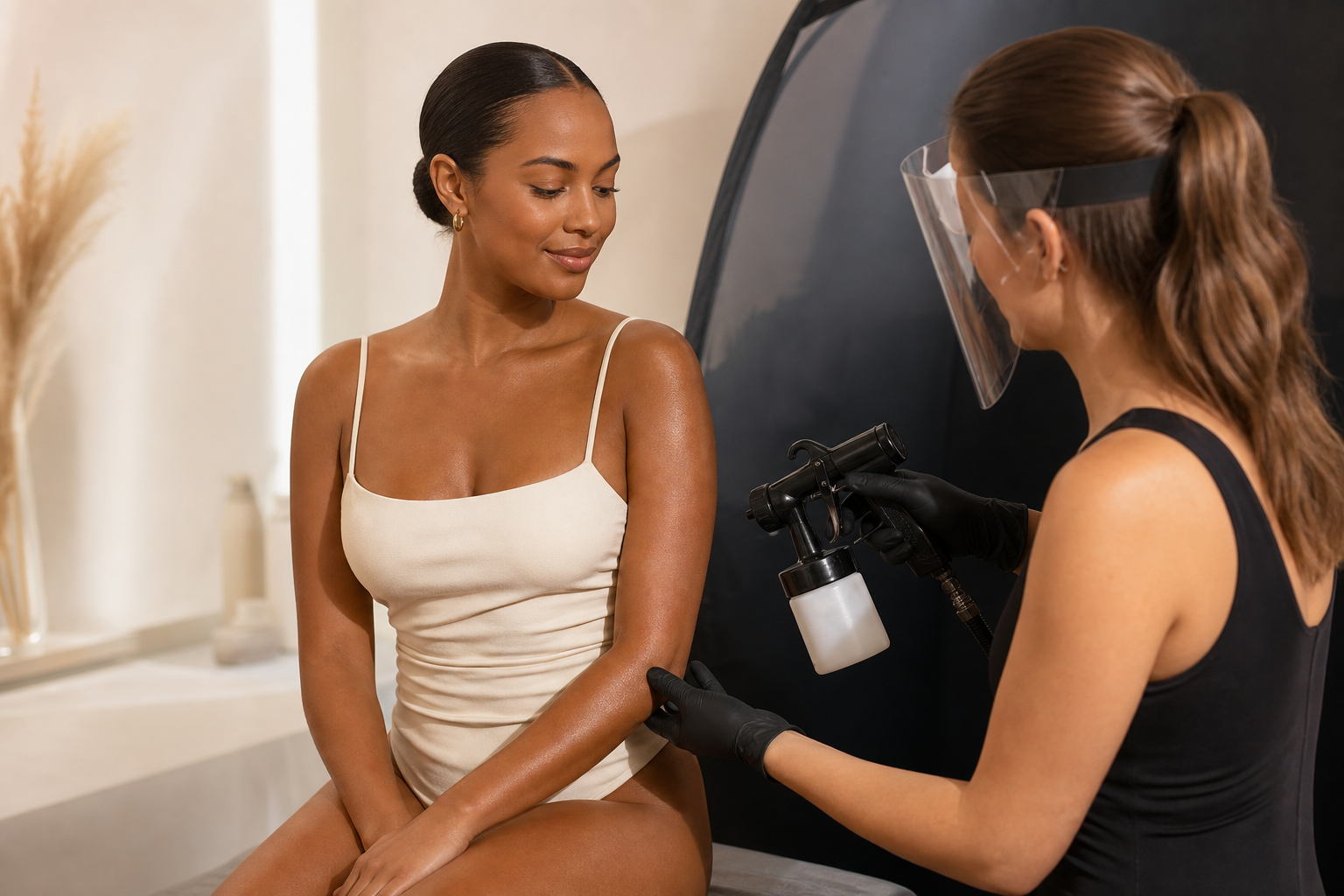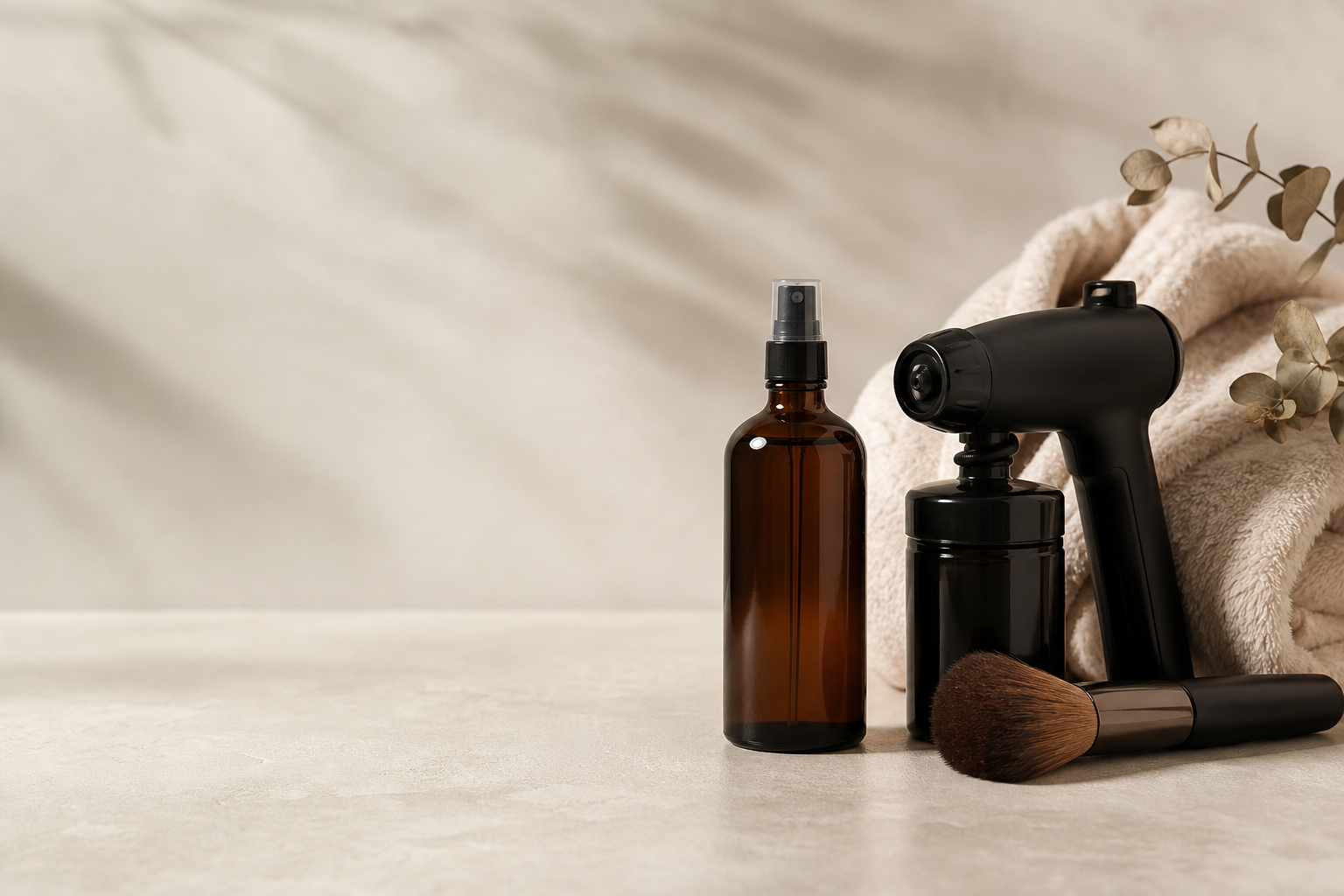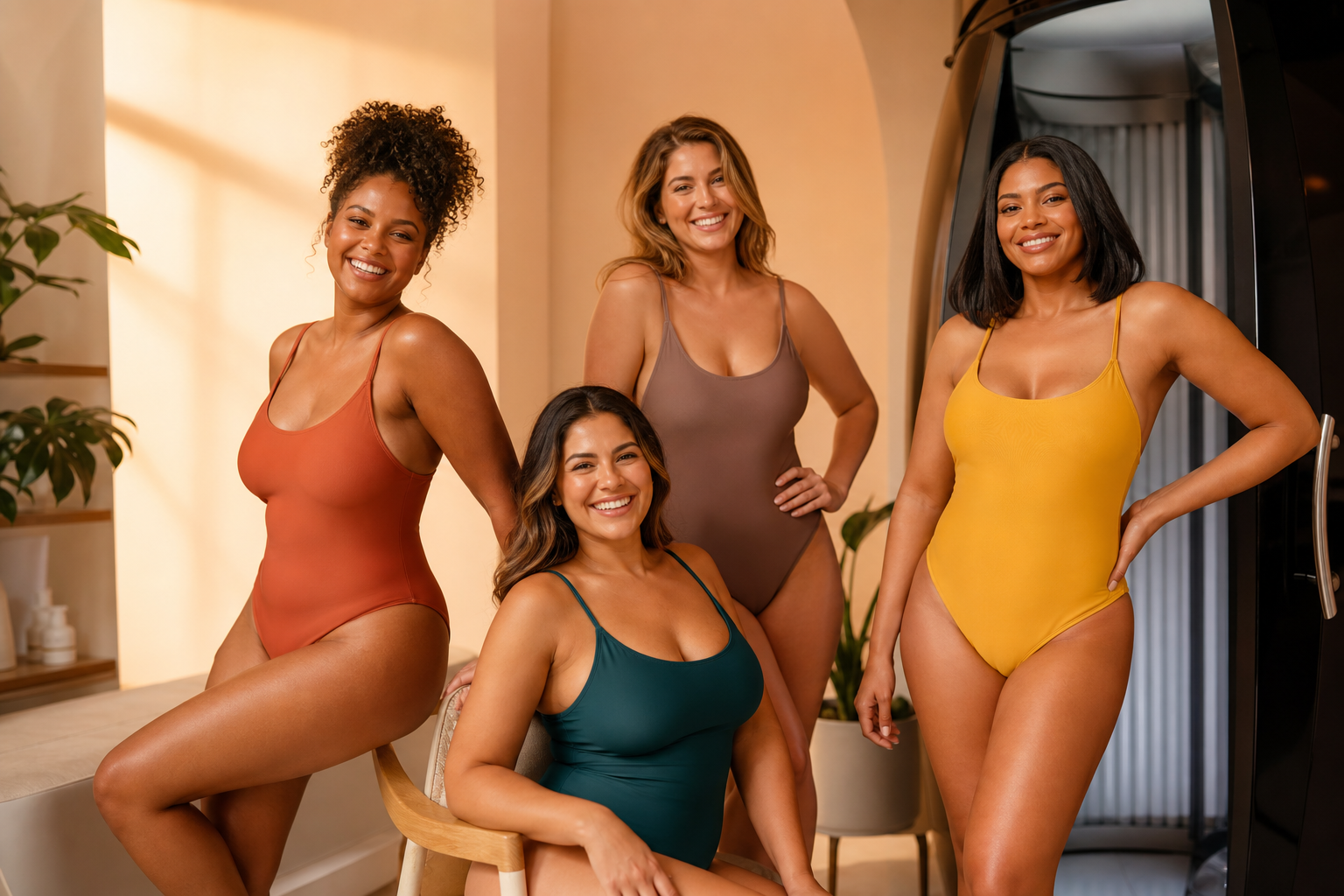
Spray tanning has become a popular alternative to traditional sunbathing and tanning beds for those seeking a sun-kissed glow without the risks associated with ultraviolet (UV) exposure. This technique involves applying a fine mist of tanning solution onto the skin, creating a bronzed appearance that can be customized to suit various skin tones and preferences. However, with its rise in popularity, spray tanning has also become surrounded by numerous myths and questions that can confuse potential users and even seasoned enthusiasts.
Understanding the truth about spray tanning is crucial not only for achieving the desired aesthetic results but also for maintaining healthy skin and making informed decisions. This comprehensive editorial aims to dispel common misconceptions, clarify frequently asked questions, and provide reliable insights about spray tanning—covering aspects such as colour tones, skin health, transfer risks, sun exposure considerations, and men’s suitability for the treatment. Whether you are considering your first spray tan or a professional looking to deepen your knowledge, the information provided here will help you navigate the spray tan landscape with confidence.
Importantly, this article emphasizes the critical point that spray tans do not provide any protection against UV radiation, necessitating continued use of high-SPF sun protection even after treatment. By exploring the myths surrounding spray tanning and providing detailed answers, readers will be equipped to enjoy a natural-looking tan safely and effectively.
Does Every Spray Tan Look Orange?
One of the most persistent myths about spray tanning is that it invariably results in an unnatural, orange-toned skin colour. This belief likely stems from earlier generations of tanning solutions, which often produced unflattering hues due to the limited quality of dyes and application techniques. However, modern spray tan formulations and application methods have evolved substantially.
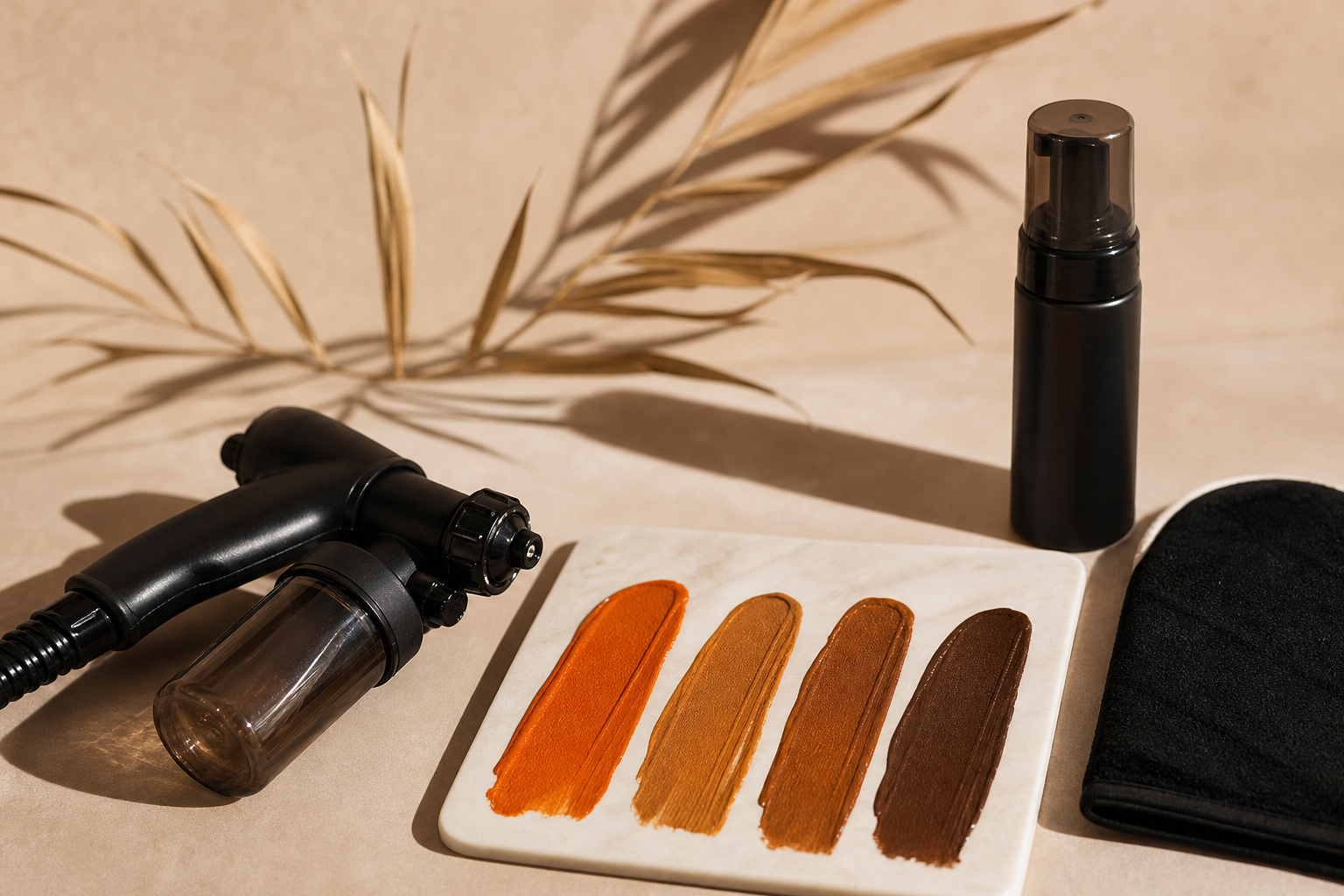
Today’s professional spray tan products are designed with advanced ingredients that work harmoniously with the skin's natural undertones, producing realistic colour variations ranging from subtle, light bronzes to richer, deeper tans. Technicians consider individual skin tones and desired depth of colour to select the appropriate formula, ensuring the end result complements rather than contrasts sharply with the natural complexion.
Moreover, the perception of an orange tint can sometimes arise from improper application or mismatched colour selection rather than the spray tan formula itself. Choosing a reputable salon and certified technicians can drastically reduce this risk, producing a smooth, even tan that looks authentically sun-kissed. Therefore, the answer to whether every spray tan looks orange is decisively no—when done correctly, spray tans offer a natural and flattering glow suitable for diverse skin types.
Does Spray Tan Clog Pores?
Concerns that spray tan solutions clog pores and interfere with the skin’s natural functions are common, but often based on misunderstandings about skin physiology and product chemistry. Spray tanning utilizes dihydroxyacetone (DHA), a sugar-based compound that reacts with the outermost layer of dead skin cells to create a temporary pigmentation effect. DHA acts only on the skin’s surface and does not penetrate into pores, nor does it form a physical barrier over them.
Human skin 'breathes' through its deepest layers and not the pores in a way comparable to respiratory organs; pores primarily serve to excrete oils and sweat. Since DHA-based sprays do not block these pores, they do not interfere with this biological function. However, it remains important to care for the skin post-tanning by using gentle, hydrating products that support skin health without stripping the tan prematurely. If the skin feels tight or uncomfortable after a spray tan, it may be due to dehydration of the skin's surface rather than pore blockage, which can be remedied with appropriate moisturization.
Does Spray Tan Provide Sun Protection?
A crucial point to emphasize is that spray tanning offers no protection against ultraviolet (UV) radiation. The coloring effect from spray tanning results from DHA bonding with proteins in the stratum corneum, the outermost layer of dead skin cells, and does not provide any barrier or absorption properties against harmful UV rays.
Users must therefore continue to apply broad-spectrum sunscreens with an SPF of 30 or higher whenever exposed to sunlight after a spray tan. Neglecting sun protection can lead to sunburn, premature skin aging, and increased risk of skin cancer, despite the presence of a tan from a spray treatment. This misconception that a spray tan offers sun protection is not only false but can be dangerous if it causes individuals to forgo necessary protective measures.
Professional guidance consistently reinforces the importance of maintaining sun-safe habits after obtaining a spray tan to protect both skin health and extend the lifespan of the tan itself.
Does Spray Tan Colour Penetrate Deep into the Skin?
Understanding how spray tan colour develops on the skin is essential for setting realistic expectations about its duration and effects. The active ingredient DHA in spray tan solutions reacts chemically only with the surface of the skin—the keratin-rich dead cells in the stratum corneum—to create a temporary pigment.
This interaction does not penetrate deeper living skin layers; consequently, the tan gradually fades as the outer skin naturally exfoliates over 7 to 10 days. Because the colour remains superficial, maintaining the tan requires regular moisturizing and gentle care to slow exfoliation and keep the colour evenly distributed.
This gradual fading is a natural aspect of spray tans and highlights the importance of periodic reapplication to preserve the desired look. Understanding this process helps dispel myths about permanence or potential impacts on deeper skin health.
Does Spray Tan Transfer to Clothing and Bedding?
Another common concern for spray tan users is whether the tan will transfer to clothing, bed linens, or other fabrics. While early spray tanning products were notorious for staining textiles, modern formulations have mostly addressed this issue through improved ingredients and drying technologies.
Nonetheless, the possibility of color transfer remains if the spray tan is not fully dry and set before contact with fabrics. Immediately after treatment, the tan is in a developing phase and can be prone to smudging, which is why technicians recommend wearing loose, dark-colored clothing post-application and avoiding contact with light or delicate materials for at least 6 to 8 hours.
Sleeping on older or dark-coloured bedding also reduces the likelihood of noticeable stains. Salons typically provide aftercare instructions to minimize transfer risk, and selecting high-quality professional products further decreases this concern. With these precautions, spray tan transfer to fabrics is largely preventable.
Can You Sunbathe After a Spray Tan?
The question of whether one can sunbathe after receiving a spray tan touches both on skin health considerations and tan maintenance. Since spray tans do not offer UV protection, sunbathing immediately after a session poses no inherent skin risk different from un-tanned skin—provided that appropriate sun protection measures are employed.
However, prolonged unprotected sun exposure soon after a spray tan can promote faster fading of the temporary pigmentation and may exacerbate skin dryness, potentially diminishing the quality and longevity of the tan. For optimal results, it is advised to wait at least 24 hours before intentional sun exposure, during which time the tan fully develops and sets.
Always use a broad-spectrum sunscreen with SPF 30 or higher during sunbathing or outdoor activities and reapply it regularly. Consulting with your spray tan technician about personalized timing and skin care after the treatment can help balance your aesthetic goals with skin safety.
Does a Darker Spray Tan Formula Always Last Longer?
It is a widespread assumption that choosing a darker spray tan formula guarantees a longer-lasting glow. While darker tans may visually impart a richer colour, the durability of a spray tan is influenced by a complex interplay of factors beyond just the pigment intensity.
Individual skin type, hydration levels, frequency and method of exfoliation, and overall aftercare routines significantly impact how long a spray tan remains vibrant. For example, excessively dry or frequently exfoliated skin sheds the pigmented outer cells faster, reducing tan longevity regardless of initial colour depth.
Employing gentle cleansers, moisturizing consistently with products compatible with spray tans (avoiding oily formulations), and protecting skin from harsh environmental factors all contribute to maintaining the tan’s appearance. Therefore, choosing a darker shade does not automatically translate to increased durability without mindful skin care.
Is Spray Tan Suitable for Men?
Spray tanning is not exclusive to any gender and offers benefits for anyone seeking a healthy, sun-kissed appearance without UV exposure. In recent years, an increasing number of men have embraced spray tanning to enhance their complexion for personal, aesthetic, or professional reasons.
Product formulations and application techniques are adaptable to different skin types and hair densities, including male skin, which may be thicker or have more facial or body hair. Technicians customize the spray approach to account for these variables, often using specialized products tailored for men’s unique needs.
Men can expect results comparable to women—natural-looking, customizable tones that enhance overall appearance. Moreover, spray tan presents an attractive solution for men who want to avoid the risks of sunbathing but still desire an even, healthy colour.
Why Does Spray Tan Look Different in Photos Compared to In Person?
Many users notice that spray tan results may appear different when captured in photographs versus viewed in person, sometimes leading to surprise or dissatisfaction. Several factors contribute to this discrepancy, notably lighting conditions during photography, camera quality, digital filters, and post-processing adjustments.
Generally, natural light better reflects the true colour tone of a spray tan, whereas indoor or flash photography can exaggerate certain hues or shadows, sometimes making the tan appear darker, lighter, or uneven. Angle and distance from the camera also affect how skin tone is represented in an image.
Professional salons often offer visual examples of spray tan results under varied lighting to set realistic expectations. For best photo results, consider communicating with your technician about the intended use of your tan (e.g., events or Photoshoots) and whether adjustments in formula or application technique might be beneficial. Ultimately, understanding these photographic nuances will help you interpret your spray tan results with greater accuracy.