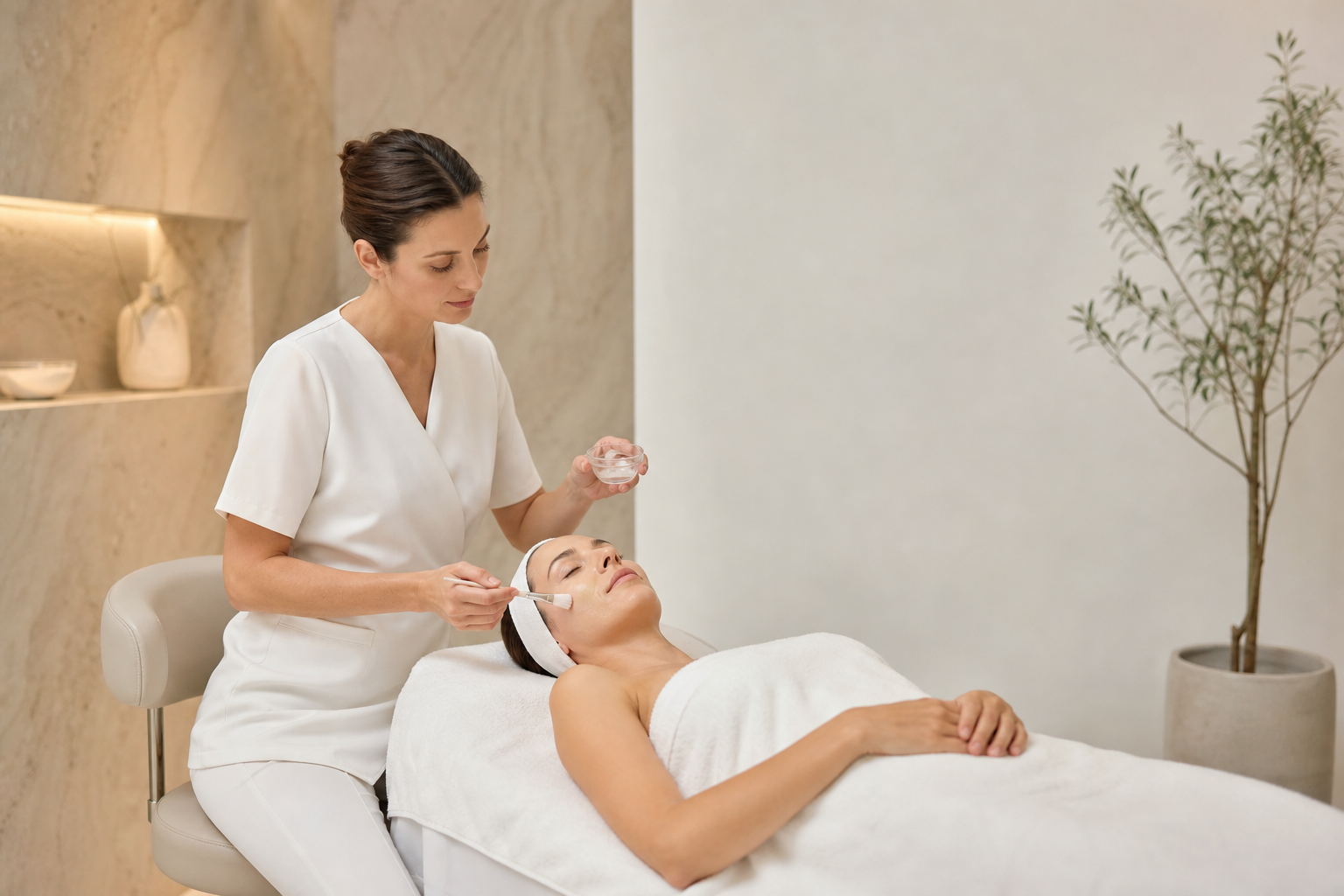
The Guinot Hydra Peeling pH treatment stands as a noteworthy innovation in the field of professional facial skincare, uniquely combining gentle but effective exfoliation, pH balance, and skin regeneration. Central to this protocol is the inclusion of phytic acid, a naturally derived compound famed for its multifaceted benefits. Despite its crucial role in the Hydra Peeling pH treatment, phytic acid remains lesser-known outside professional circles, often leading to uncertainty about its mechanism of action, benefits, and safety profile. This article offers an in-depth, expert exploration of phytic acid's specific role within the Guinot Hydra Peeling pH treatment protocol, clarifying its impact, realistic results, limitations, and safety considerations for both skincare professionals and informed skincare users.
Understanding the function of phytic acid in this treatment is particularly important for individuals seeking comprehensive facial care solutions tailored to improve skin texture, balance, and clarity without resorting to aggressive chemical exfoliation. It is equally essential for aestheticians and dermatologists aiming to recommend or perform this protocol with full awareness of its unique biochemical interactions and clinical implications. By distilling current scientific knowledge and practical application guidelines, this editorial supports informed decision-making and optimizes treatment outcomes.
Phytic acid's integration into Guinot's Hydra Peeling pH protocol exemplifies a sophisticated approach to skin exfoliation, emphasizing biocompatibility, antioxidant protection, and controlled enzymatic activity to rejuvenate the skin. This article unfolds the nuances of this approach, opening a window into an advanced skincare methodology increasingly relevant in the contemporary aesthetics landscape.
The Nature and Chemical Properties of Phytic Acid in the Hydra Peeling Context
Phytic acid, chemically designated as inositol hexakisphosphate (IP6), is a naturally occurring phytochemical extracted primarily from cereal grains, seeds, and legumes. Traditionally known for its mineral chelation properties, it binds strongly with multivalent metal ions such as calcium, iron, and zinc. This ability directly informs its function within the Hydra Peeling pH treatment, lending the exfoliation process an exceptionally gentle yet effective dimension.
Unlike stronger alpha-hydroxy acids (AHAs) or beta-hydroxy acids (BHAs) employed in conventional chemical peels, phytic acid's exfoliating prowess arises from its capacity to disrupt ionic bonds at the skin's surface. By selectively chelating minerals involved in epidermal cohesion, it facilitates the loosening and shedding of dead keratinocytes without peeling or injuring the skin's protective barrier. This selective action significantly reduces the risk of inflammation, irritation, and post-procedural downtime often accompanying more aggressive chemical peels.
Moreover, the biochemical properties of phytic acid contribute to maintaining an optimal acidic pH environment during the Hydra Peeling treatment. This pH modulation is vital for proper enzyme function and reinforces the skin's acid mantle, a defense system critical to hydration, microbial balance, and barrier integrity. As such, phytic acid serves a dual role in both physical exfoliation and biochemical regulation, a combination that distinguishes the Hydra Peeling pH treatment protocol.
Mechanism of Action of Phytic Acid Within the Guinot Hydra Peeling pH Treatment
Phytic acid's mechanism of exfoliation in this protocol stems from its mineral-chelating function, which subtly alters the microenvironment of the stratum corneum to promote desquamation. Specifically, by binding free metals that stabilize cellular junctions and enzymatic activity, phytic acid weakens the adhesive forces between dead skin cells, facilitating their orderly removal.
In addition to disrupting cell cohesion, phytic acid inhibits specific metalloproteinases—enzymes implicated in collagen degradation and uneven pigmentation. This enzyme modulation supports the skin's natural repair processes, reduces inflammation, and prevents pigmentary irregularities that commonly complicate exfoliation procedures. Consequently, the Hydra Peeling pH treatment harnesses phytic acid's chelating and inhibitory effects synergistically to yield a skin surface renewal that is gradual and evenly distributed.
Distinctively, the protocol leverages a carefully calibrated pH environment optimized by phytic acid. This acidic condition enhances the activity of supplementary active ingredients, such as fruit-derived enzymes and hydrating serums, each selected to complement the exfoliation phase and facilitate cellular recovery. Maintaining pH stability throughout the process ensures a balanced skin response, mitigating overexposure risks and enhancing tolerability.
Target Skin Concerns and Suitable Candidates for Phytic Acid-Based Hydra Peeling
The Guinot Hydra Peeling pH treatment incorporating phytic acid caters to individuals seeking moderate exfoliation to address multiple skin concerns without the trauma of aggressive peels. Ideal candidates include those with mild to moderate surface irregularities such as dullness, minor hyperpigmentation, clogged pores, and early signs of photoaging. The treatment is designed to restore luminosity, refine texture, and stimulate gentle skin rejuvenation.
Because the treatment achieves exfoliation through a delicate biochemical pathway, it suits those with sensitive or reactive skin types who might otherwise struggle with classic chemical peels or mechanical exfoliation techniques. Moreover, it serves well as a preliminary protocol to prepare the skin for subsequent intensive anti-aging or corrective treatments, enhancing product penetration and effectiveness through subtle barrier modulation.
However, the treatment is not intended for skin with severe inflammatory conditions, deep scarring, or active infections. Patients exhibiting these characteristics require tailored interventions with professional supervision. The treatment also often appeals to clients prioritizing minimal downtime due to lifestyle or skin sensitivity considerations.
Contraindications and Essential Precautions for Phytic Acid Peeling in Clinical Practice
While generally well tolerated, the Hydra Peeling pH treatment with phytic acid requires diligent assessment of contraindications to ensure patient safety and predictability of outcomes. Notably, individuals with active rosacea, eczema, psoriasis, or other chronic dermatological inflammations should approach this therapy cautiously, with prior dermatological consultation.
Open wounds, recent facial surgeries, or the presence of actinic keratosis are also absolute contraindications due to increased risk of irritation and impaired healing. Additionally, patients with known hypersensitivity to phytates or related compounds should undergo patch testing before commitment.
From a procedural standpoint, adequate pre-treatment skin preparation and avoidance of photosensitizing medications are critical. Clients must be counseled on post-treatment photoprotection practices, as the skin remains vulnerable to UV damage during the regenerative window. In clinical protocols, adherence to these guidelines minimizes complications and enhances patient satisfaction.
Post-Treatment Care and Maintaining Long-Term Skin Health After Hydra Peeling pH
Following the Hydra Peeling pH procedure, the skin benefits from a tailored aftercare routine to consolidate treatment effects and preserve skin barrier integrity. Patients are advised to implement gentle hydration regimens using non-comedogenic moisturizers and strictly apply broad-spectrum sunscreen to prevent photodamage.
Clients should avoid exfoliants, retinoids, or other active ingredients that could disrupt the delicate post-peel balance for at least two weeks. Monitoring for transient side effects such as mild redness or dryness ensures prompt management should these symptoms arise.
Incorporating antioxidant-rich products and maintaining consistent professional skin evaluations further support ongoing skin rejuvenation. The cumulative effect of scheduled Hydra Peeling pH sessions, interspersed with supportive home care, typically leads to progressive refinement in skin texture and tone.
Comparative Role of Phytic Acid Versus Other Active Ingredients in Guinot Hydra Peeling Treatments
Within the spectrum of Guinot's Hydra Peeling protocols, phytic acid distinguishes itself through a unique blend of exfoliative subtlety and antioxidative capacity. While other active components such as fruit acids deliver a more robust keratolytic effect by breaking down intercellular bonds aggressively, phytic acid offers a mineral-interception mechanism that exerts exfoliation with minimal irritation.
This balance renders the Hydra Peeling pH variant particularly suitable for sensitive skin or for those new to chemical peels. In contrast, treatments utilizing higher concentrations of AHAs or enzymatic blends provide faster resurfacing results but may require longer recovery and heightened precautionary measures.
Furthermore, phytic acid's antioxidant and anti-inflammatory properties confer an added layer of skin protection not typically observed with conventional acids alone. This duality underscores its value in modern protocols aimed at harmonizing exfoliation with skin health promotion.