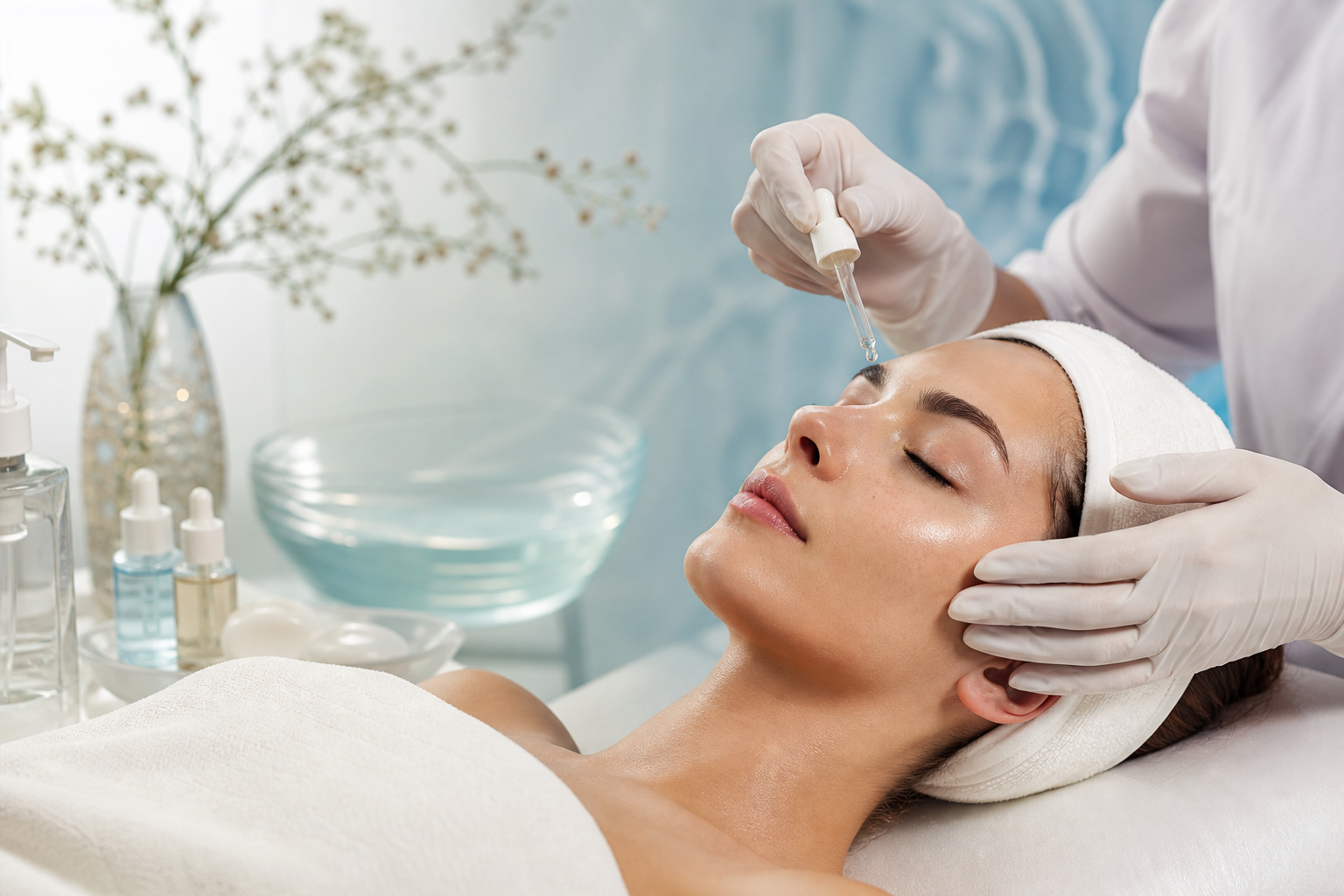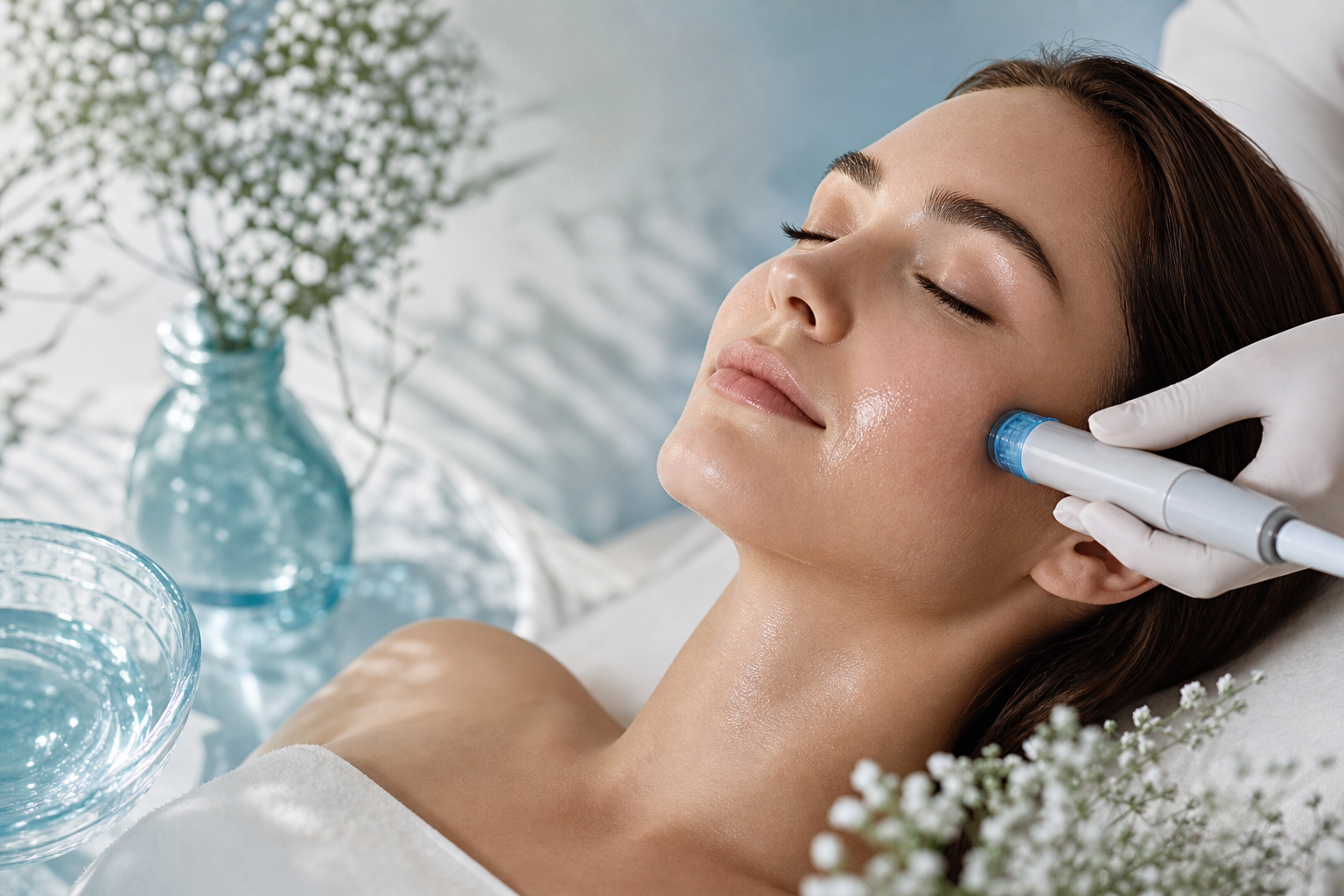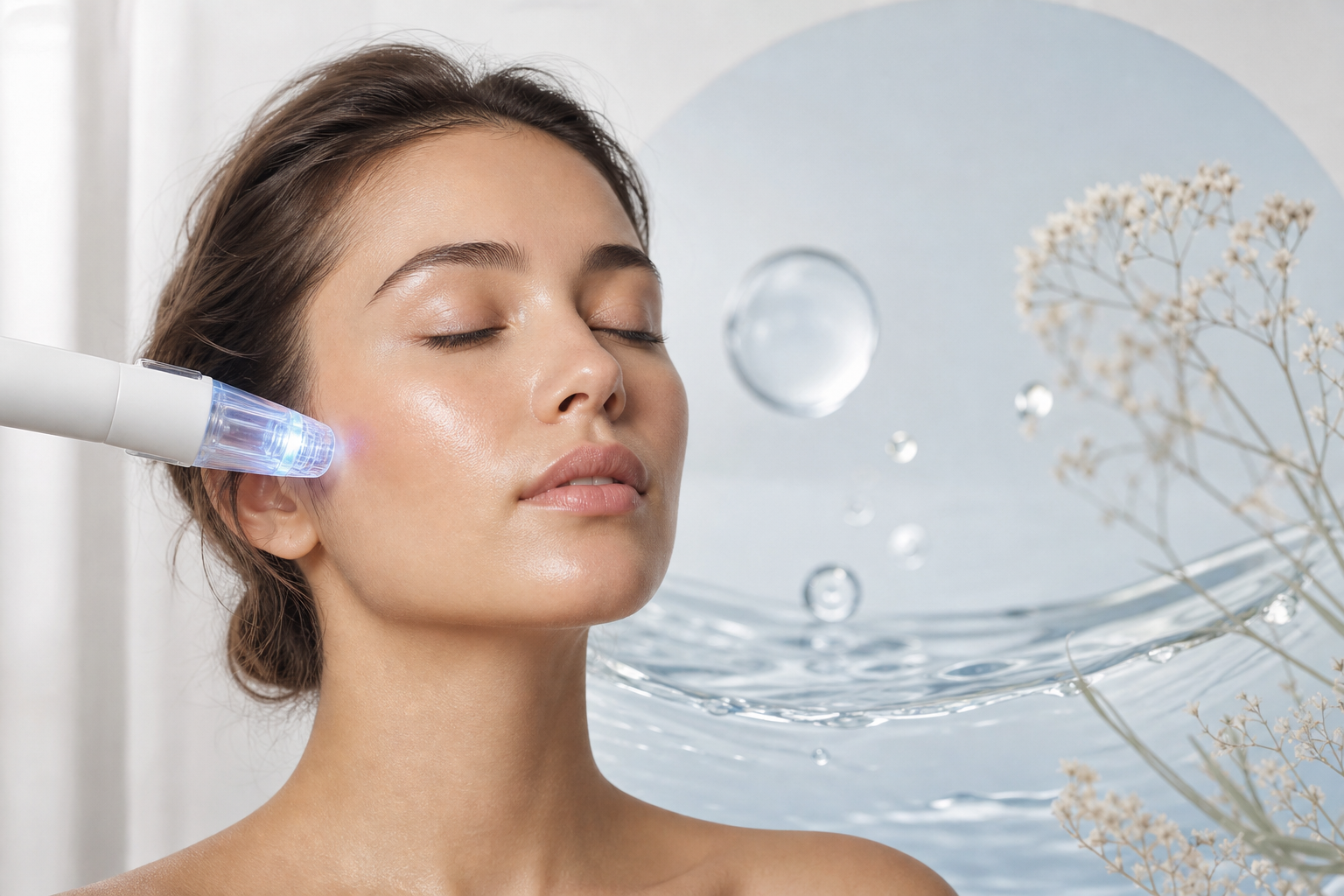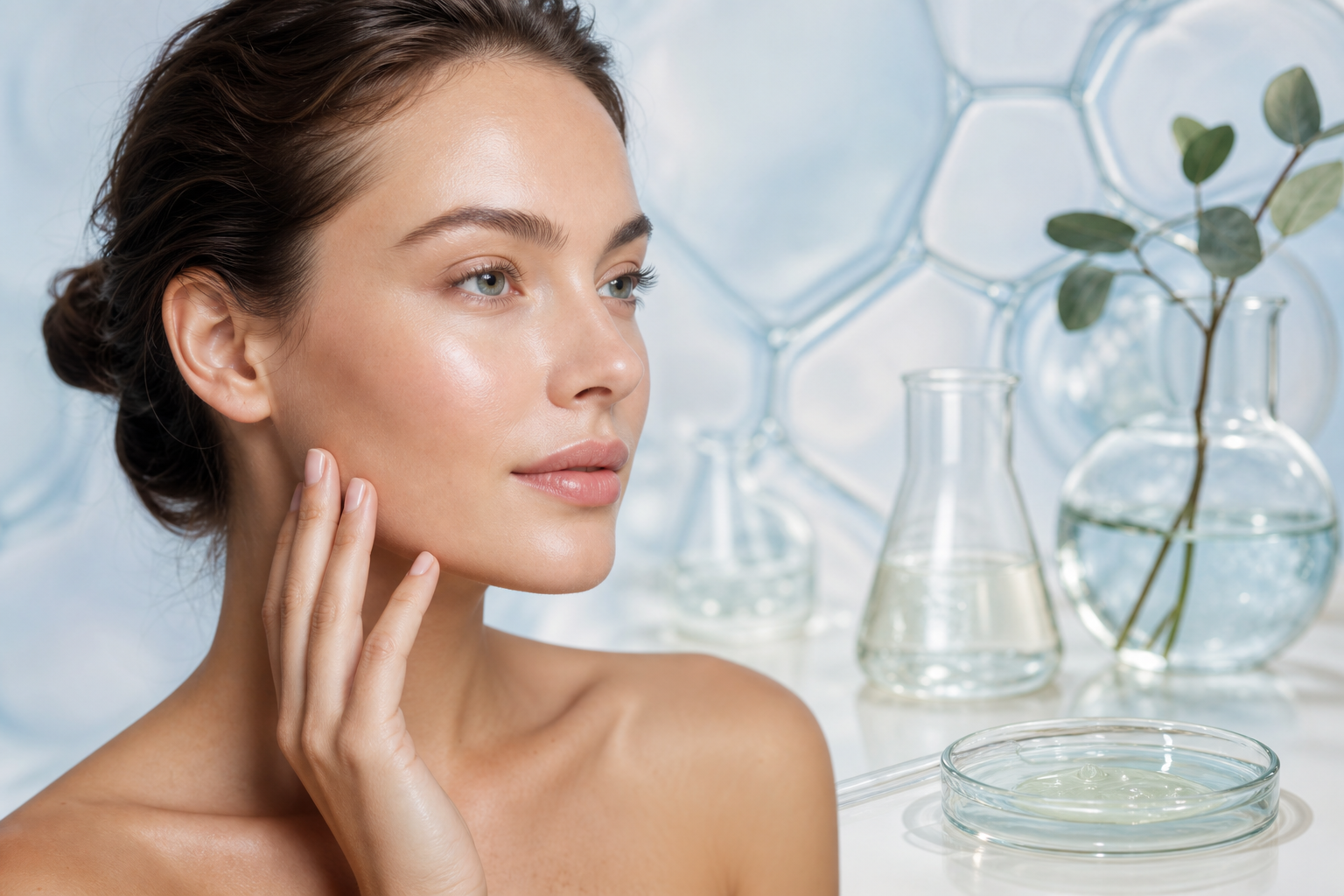
In the ever-evolving landscape of skincare, professional skin hydration treatments have emerged as essential solutions for individuals seeking to deeply nourish, restore, and rejuvenate their skin. Unlike routine at-home regimens, these specialized procedures are designed to penetrate beyond the superficial layers, addressing complex dehydration issues and enhancing the skin’s natural barrier function. The importance of adequate hydration transcends mere aesthetics; well-hydrated skin supports optimal barrier protection against environmental aggressors, maintains elasticity, and contributes to a luminous, healthy complexion.
This comprehensive editorial is crafted for skincare professionals, dermatology enthusiasts, and discerning consumers who desire an informed understanding of the diverse hydration treatment options available today. By exploring the science, methods, benefits, and expectations related to professional skin hydration treatments, readers will acquire a nuanced perspective necessary to make educated choices tailored to their skin’s unique needs.
With modern lifestyles exposing skin to pollutants, UV radiation, and climatic extremes, maintaining hydration has never been more crucial. This guide will demystify the spectrum of treatments—ranging from advanced technological interventions to carefully formulated topical infusions—outlining how each supports skin health. By navigating efficacy, safety, and targeted applications, it empowers readers to discern treatments that yield meaningful outcomes for vibrant, resilient skin.
Understanding Professional Skin Hydration Treatments: What Are They?
Professional skin hydration treatments represent a suite of clinical and aesthetic procedures performed in specialized settings such as dermatology clinics, medical spas, and advanced cosmetic centers. These treatments leverage cutting-edge technologies and potent formulations to restore moisture at various skin depths, thereby enhancing functionality and appearance.
Differentiating from routine at-home care, professional modalities precisely target the epidermal and dermal layers, facilitating improved absorption of hydrating agents like hyaluronic acid, ceramides, and essential lipids. Such interventions often combine physical exfoliation, biochemical stimulation, and controlled delivery mechanisms to optimize hydration retention and stimulate the skin’s reparative processes.
A hallmark of professional treatments is personalized diagnosis and customization based on individual skin assessments. This approach ensures interventions align with specific hydration deficits, barrier integrity issues, and the patient’s overall dermal health, minimizing risks and maximizing therapeutic value.
Who Benefits Most From Professional Hydration Treatments and Why?
These treatments are ideal for a broad demographic, particularly individuals experiencing dryness, dehydration, premature aging, or environmental skin stress. Patients with chronically dry or compromised skin barriers often find that over-the-counter moisturizers prove insufficient due to limited penetration and insufficient repair stimulation.
Those routinely exposed to harsh climates, pollution, and UV radiation also benefit notably, as professional hydration therapies counteract accelerated moisture loss and oxidative damage. Importantly, aging skin—naturally prone to decreased hyaluronic acid production and lipid content—requires supplemental support that these advanced treatments provide effectively.
Beyond cosmetic enhancement, professional hydration treatments contribute to improved skin resilience, reduced irritation, and prevention of fine lines and texture irregularities. The cumulative effect is a healthier skin milieu that better withstands environmental insults and supports overall dermal vitality.
Comparing Core Professional Hydration Treatment Modalities
Within this field, several prominent procedures and technologies stand out for their efficacy and innovation. Each offers unique mechanisms to replenish moisture and revitalize skin tissues, catering to various skin types and hydration challenges.
Hydrodermabrasion: Integrating gentle exfoliation with simultaneous serum infusion, hydrodermabrasion removes dead skin cells while delivering concentrated hydrating agents deep into the pores. This dual-action process results in smoother texture and enhanced luminosity, ideal for dull, dehydrated skin.
Aqua Peel Treatments: These combine mild chemical exfoliation with hydration by applying formulations rich in nourishing ingredients. Aqua peels are suitable for sensitive skin types, improving moisture levels without irritation or disruption of the natural barrier.
HydraFacial Procedures: A multi-step regimen employing specialized devices to cleanse, exfoliate, extract impurities, and infuse moisturizers, HydraFacial treatments are versatile for all skin types, including those with acne or sensitivity. The technology facilitates tailored hydration that addresses dryness while promoting skin repair.
Ultrasonic Sonophoresis: Utilizing ultrasonic waves, this method enhances the penetration of hydrating serums and nutrients beyond the surface, enabling deeper dermal rejuvenation and hydration. It is often combined with hyaluronic acid treatments to amplify moisturizing effects.
Electroporation: This non-invasive technique employs electrical impulses to temporarily increase cell membrane permeability, allowing high molecular weight hydrators to penetrate more effectively. It supports intensive skin revitalization and moisture replenishment with minimal discomfort.
Oxygen Therapy: Leveraging oxygen-enriched serums and delivery devices, oxygen therapy invigorates the skin's metabolism, promotes circulation, and enhances natural hydration levels. Often used as a complement to other hydration therapies, it can boost overall skin vitality and radiance.
What Makes Professional Hydration Treatments Different From At-Home Skincare?
While daily skincare routines are vital for maintaining skin health, professional hydration treatments distinguish themselves by their depth of effect and customized application. Home products generally provide surface hydration, restricted by molecular size and formulation. Professional methods circumvent these limitations through physical and technological enhancements that facilitate active ingredient delivery across the skin barrier.
Furthermore, professional treatments often involve pre-treatment diagnostics and post-care strategies that ensure sustained benefits and minimize adverse effects. Frequent reassessment and protocol adjustments in clinical environments empower dynamic responses to changing skin conditions.
The controlled clinical context also allows utilization of higher concentrations of hydrating agents and combinations of therapies—for instance, pairing sonophoresis with electroporation—achieving compounded results not possible with at-home products alone.
How Do These Treatments Enhance Skin Functions and Appearance?
Hydration treatments leverage physiological principles to restore and augment skin function. Properly hydrated skin maintains an effective moisture barrier, which prevents transepidermal water loss and shields against irritants and pathogens. Treatments stimulate the synthesis of critical components such as hyaluronic acid—a naturally occurring polysaccharide known for exceptional water retention—as well as ceramides and fatty acids that reinforce lipid bilayers.
Additionally, many procedures promote increased blood flow, collagen production, and cellular turnover, which contribute to firmer, plumper texture and reduced signs of aging. By alleviating dryness-induced micro-inflammation, these therapies help normalize skin homeostasis and improve comfort and appearance.
The visible outcomes typically include smoother surfaces, diminished roughness, balanced oil production, and a revived glow. Patients frequently report an immediate sensation of freshness coupled with longer-term improvements in skin quality and resilience.
When Should One Consider Undergoing Professional Skin Hydration Treatments?
Deciding to enlist professional hydration therapies depends on individual skin assessments and lifestyle factors. Signs indicating a need include persistent dryness, tightness, flaking, dullness, or sensitivity unresponsive to conventional skincare. Seasonal changes, especially cold or dry climates, may exacerbate these symptoms, making professional intervention timely.
Those anticipating events or desiring enhanced recovery after clinical procedures like chemical peels or laser resurfacing may employ hydration treatments to accelerate healing and maintain skin integrity. Additionally, individuals over the age of 30 may consider routine hydration therapies as preventative measures to counteract intrinsic aging patterns.
Consultation with a certified dermatologist or skincare professional is recommended to identify appropriate timing and type of treatment. Personalized evaluation ensures contraindications are ruled out, and therapeutic goals are aligned with realistic expectations.
What Should Patients Expect During and After Treatment?
Professional skin hydration treatments are generally comfortable and relatively brief, with durations varying typically from 30 to 60 minutes depending on the procedure complexity. Many treatments are non-invasive or minimally invasive, involving little to no downtime.
During sessions, patients may experience sensations such as gentle suction, mild warming, or tingling—these are typically well tolerated. Post-treatment reactions can include transient redness, slight swelling, or warmth, but these effects tend to resolve quickly.
Immediate results usually manifest as revitalized skin surface with enhanced softness and radiance. Optimal benefits often require a series of sessions spaced over weeks, accompanied by a complementary home care regimen to sustain and augment hydration levels.
Long-term adherence to professionals’ recommendations, including sun protection and gentle cleansing, reinforces treatment efficiency and prolongs outcomes.
Addressing Common Concerns: Safety, Side Effects, and Suitability
Professional skin hydration treatments are safe when administered by trained practitioners following established protocols. However, individuals with active infections, certain chronic skin conditions, or specific allergies may need tailored approaches or deferment.
Side effects are generally minimal but can include mild irritation, sensitivity, or rare allergic reactions to treatment ingredients. Prior comprehensive consultation and patch testing can mitigate risks. Transparency about medical history and ongoing medications is crucial for safe care planning.
Choosing reputable clinics employing qualified staff and FDA-approved devices ensures adherence to hygiene and safety standards. Clear communication about treatment steps, expected sensations, and outcomes enhances patient comfort and satisfaction.
Integrating Professional Hydration Treatments Into a Comprehensive Skincare Routine
Optimizing skin hydration requires a holistic strategy that combines professional interventions with diligent at-home care. Post-treatment recommendations often highlight the importance of gentle cleansers, effective moisturizers containing humectants and occlusives, and targeted antioxidants to reinforce barrier repair.
Adopting a Step-by-Step Hydration and Skin Renewal Routine enhances longevity and efficacy of in-clinic therapies. Educating patients about recognizing signs of Dry vs. Dehydrated Skin: How to Tell the Difference supports better product selection and lifestyle modifications.
For patients with compromised skin function, understanding the Compromised Skin Barrier: Symptoms, Causes, and Recovery empowers them to prioritize therapeutic hydration and avoid aggravating elements. Additionally, selecting products infused with Top Ingredients for Skin Hydration and Renewal—such as ceramides, glycerin, and niacinamide—complements professional care.
Looking Ahead: The Future of Skin Hydration Treatments
Innovations continue to shape the field of hydration therapies, with research focusing on enhancing delivery mechanisms, bioactive ingredient formulation, and personalized treatment algorithms driven by artificial intelligence. Emerging techniques aim to reduce invasiveness while amplifying efficacy, catering to evolving consumer demands for natural, sustainable solutions.
Integration of diagnostics like skin imaging and molecular profiling may soon allow hyper-personalized hydration protocols that adapt over time to dynamic skin conditions. These developments promise to raise standards for clinical and aesthetic skincare, making professional hydration treatments an indispensable component in maintaining youthfulness and skin vitality across diverse populations.