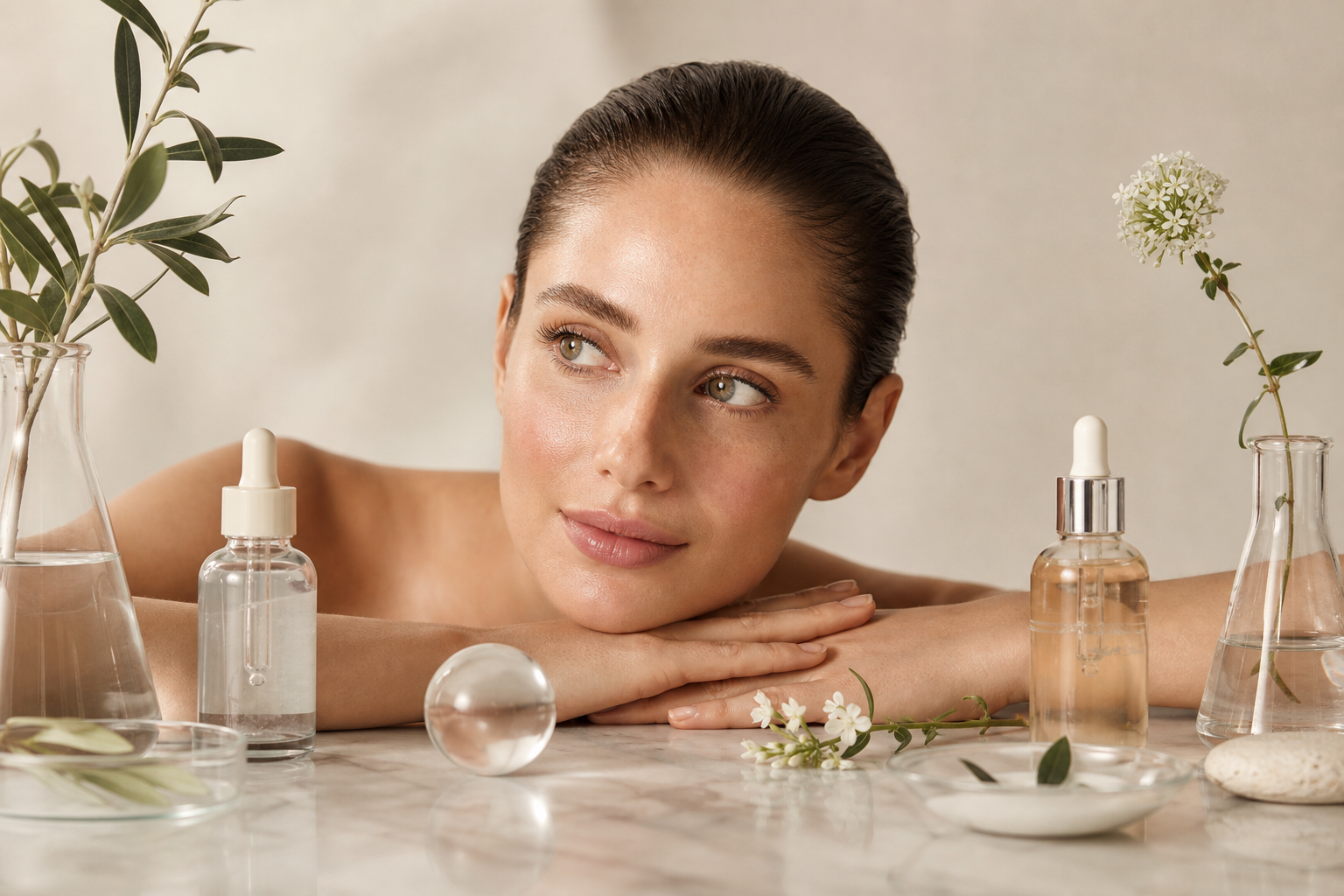
In the realm of skincare, understanding the active ingredients that best suit one's skin type is essential for achieving a healthier, more radiant complexion. Two such powerful ingredients, AHA (Alpha Hydroxy Acid) and BHA (Beta Hydroxy Acid), frequently emerge in discussions about exfoliation, acne management, and texture improvement. These acids form the backbone of many effective skincare routines and professional treatments aimed at deep cleansing, addressing clogged pores, blackheads, and uneven skin tone.
However, a common question among skincare enthusiasts and professionals alike is: What are the key differences between AHA and BHA acids, and which is most appropriate for specific skin concerns? The answer is crucial not only to optimize results but also to avoid irritation or suboptimal outcomes. This comprehensive editorial aims to elucidate the distinct chemical natures, functions, benefits, and safe usage practices of both AHA and BHA acids, catering to readers who seek clarity on incorporating these potent ingredients into their daily skincare or professional treatment plans.
Whether you are someone battling oily skin prone to congestion or grappling with dry, aging skin, understanding how these acids work will empower you to make informed decisions. Moreover, professionals in cosmetology and dermatology will find valuable insights here to guide clients safely and effectively through treatments. As exfoliating acids grow increasingly popular due to their ability to enhance skin texture and clarity, a sophisticated grasp of their nuances becomes indispensable.
What Are AHA and BHA Acids and How Do They Function in Skin Care?
At their core, AHA and BHA acids are chemical exfoliants used within topical skincare to accelerate the shedding of dead skin cells and stimulate skin renewal. Despite this shared exfoliative action, they differ significantly in their chemical properties, mechanisms of action, and targeted skin layers, making each acid ideal for specific concerns.
Alpha Hydroxy Acids (AHAs) are water-soluble organic acids found naturally in foods, particularly fruits and dairy products. Common examples include glycolic acid derived from sugarcane, lactic acid from milk, mandelic acid from almonds, and citric acid from citrus fruits. AHAs primarily act on the surface of the skin, loosening the intercellular glue that binds dead skin cells together. This gentle surface exfoliation leads to a smoother texture, improved radiance, and can also enhance moisture retention by promoting the skin’s natural hydration.
Beta Hydroxy Acids (BHAs), most notably salicylic acid, are distinguished by their oil-solubility, allowing them to penetrate deeper into the pores. This lipophilic property makes BHA uniquely suited to dissolve sebum and remove excess oil inside the pores—an ability AHAs lack due to their water solubility. As a result, BHAs not only exfoliate the skin surface but also significantly reduce pore congestion, making them a preferred choice for managing acne and blackheads.
Which Skin Types Benefit Most from AHA Versus BHA Acids?
Choosing between AHA and BHA acids hinges crucially on individual skin characteristics and specific concerns. AHAs are generally favored for dry, dehydrated, or sun-damaged skin due to their moisturizing and surface-level exfoliating effects. Their gentle stimulation of collagen production and improvement in uneven pigmentation can help minimize fine lines, wrinkles, and signs of aging. For those experiencing rough or flaky skin texture, AHA acids offer a renewed, glowing complexion with consistent use.
Conversely, BHA acids excel for oily, combination, and acne-prone skin types. Their capacity to penetrate oily residue within pores makes them highly effective in clearing blackheads and preventing breakouts. Furthermore, BHA’s anti-inflammatory and antibacterial properties can soothe inflamed skin and promote a calmer, healthier appearance. People struggling with recurrent acne lesions or persistent pore congestion will often find BHA-based regimens more effective than AHAs.
What Are the Perceived Benefits of Incorporating AHA and BHA Acids into a Skincare Routine?
The benefits of integrating AHA and BHA acids are diverse and skin-enhancing. With AHA acids, users often notice a brighter and more even skin tone, reduced appearance of discolorations like sun spots or hyperpigmentation, and improved moisture balance. Their exfoliative quality encourages the removal of dead skin cells that can dull complexion and inhibit the absorption of other skincare products.
On the other hand, BHA acids excel at keeping pores clear and reducing excess oil production, which is critical for preventing the formation of whiteheads and blackheads. Their ability to calm inflammation also proves invaluable for acne management. Regular use of BHA can contribute to a reduction in the frequency and severity of breakouts, supporting overall skin clarity and smoothness.
How Can One Effectively and Safely Use AHA and BHA Acids at Home?
Using AHA and BHA acids safely in home skincare regimens requires a thoughtful and gradual approach. Beginners should start with lower concentrations—usually below 10% for AHAs and around 1–2% for BHAs—and introduce the acids slowly, such as two to three times per week, to assess skin tolerance. This reduces the risk of irritation, redness, or dryness.
It is advisable to apply these acids in the evening since they often increase photosensitivity, making the skin more vulnerable to ultraviolet (UV) damage. Consequently, daily application of a broad-spectrum sunscreen with at least SPF 30 becomes indispensable to protect the skin and prevent unwanted pigmentation or burns.
For those with oily or acne-prone skin using BHA products, pairing with non-comedogenic moisturizers can help maintain hydration without clogging pores. Similarly, users of AHAs should incorporate emollients and hydrating serums to counteract potential dryness. Avoiding simultaneous use of multiple chemical exfoliants or harsh physical scrubs can prevent over-exfoliation.
When Should Professional Expertise Be Sought for AHA and BHA Treatments?
While many enthusiasm-driven individuals successfully incorporate AHA and BHA acids into their personal skincare routines, certain circumstances necessitate professional intervention. Persistent, moderate-to-severe acne, deep-seated blackheads resistant to over-the-counter treatments, or skin texture irregularities may warrant advanced professional care.
Cosmetologists and aestheticians can offer professionally formulated peel treatments containing higher concentrations of AHAs or BHAs, calibrated for safety and efficacy. These controlled procedures often yield more dramatic results with careful pre- and post-treatment guidance.
Moreover, dermatologists are invaluable for diagnosing underlying skin conditions such as rosacea, eczema, or cystic acne that may be exacerbated by improper acid use. They also can prescribe complementary treatments—including topical retinoids, antibiotics, or tailored chemical peels—that work synergistically with acids while minimizing adverse effects.
What Realistic Outcomes and Limitations Should Users Expect from AHA and BHA Acid Treatments?
Although AHA and BHA acids offer impressive improvements in skin texture, tone, and congestion, users should maintain realistic expectations. These acids are not cure-alls; they complement but do not replace comprehensive skincare or medical acne therapies. Results often require consistent use over weeks to months to become noticeable.
Some users may experience minor side effects, such as tingling, mild redness, or flaking, especially during initial use or when overused. These are generally manageable by adjusting frequency or concentration. Serious irritation or allergic reactions are less common but underscore the importance of patch tests and gradual introduction under professional advice if necessary.
It is also pertinent to note that increased sun sensitivity mandates diligent photoprotection to avoid pigmentation issues. Notably, heavily sun-damaged or extremely sensitive skin may require more cautious acid application or alternative exfoliation methods.
How Do Professional Settings Enhance the Safety and Effectiveness of AHA and BHA Acid Treatments?
Professional environments, such as dermatology clinics and advanced cosmetology practices, leverage higher-strength acid formulations paired with expertise to maximize therapeutic outcomes. Customized treatments are designed based on an individual’s skin assessment, problem severity, and previous acid tolerance.
Procedures like chemical peels are carefully timed and monitored to achieve substantial exfoliation without compromising skin integrity. Such treatments often incorporate neutralization steps and soothing post-care products to accelerate recovery and minimize irritation.
In these controlled settings, combining AHA and BHA acids with other modalities—like laser therapies, microdermabrasion, or prescription topical agents—can provide comprehensive management for complex skin issues. Additionally, ongoing clinical supervision ensures early detection and management of any adverse effects.


