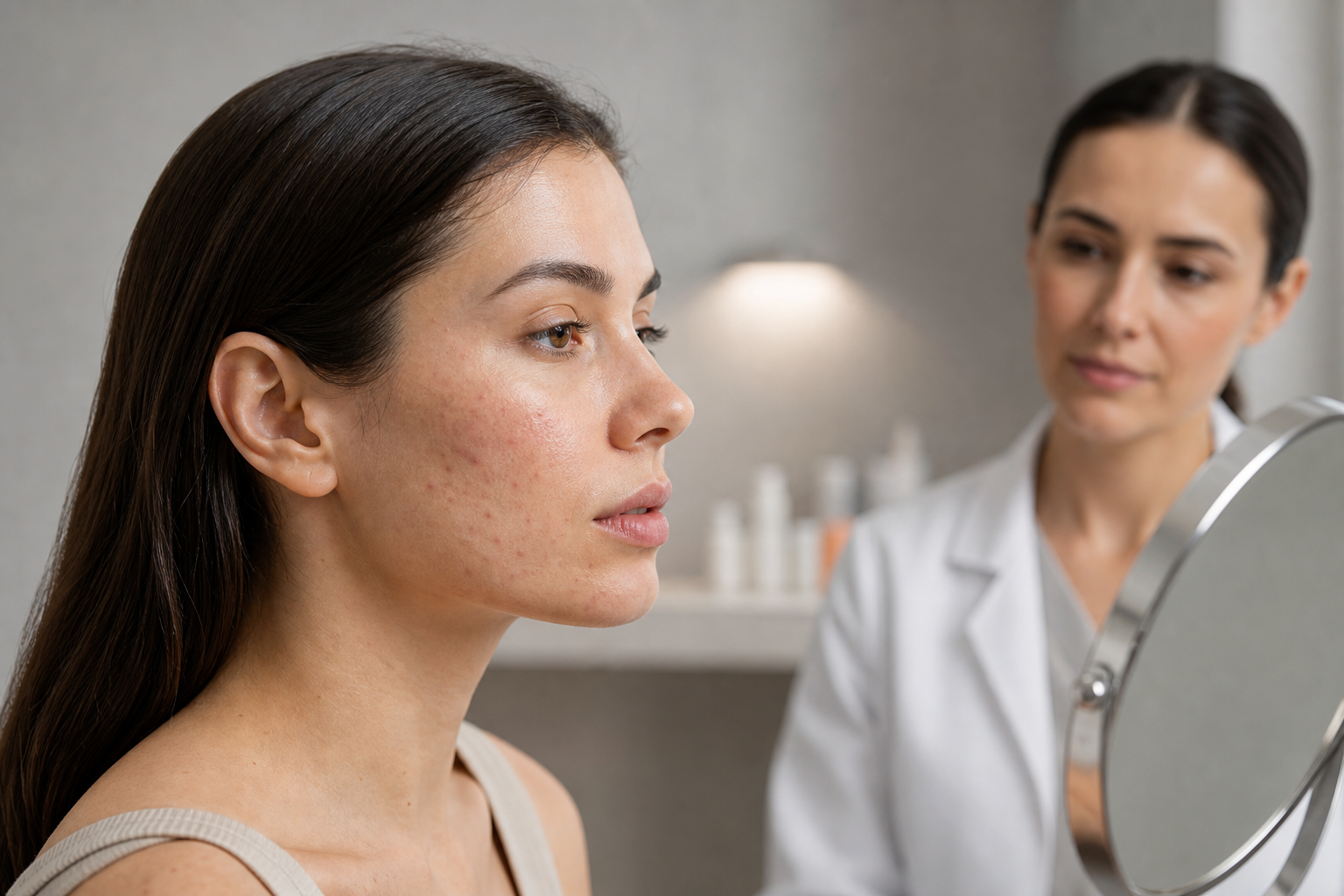
Acne is among the most prevalent dermatological conditions worldwide, affecting individuals across all age groups and genders. Far beyond a mere cosmetic concern, acne can significantly impact a person's self-esteem and overall quality of life. Within the realm of anti-aging facial treatments, a nuanced understanding of the diverse types of acne becomes essential. Such knowledge enables the selection of precise, effective methods for care and intervention that not only alleviate the acne itself but also prevent subsequent scarring and premature aging signs that acne lesions may precipitate.
This article is crafted for anyone grappling with acne, as well as skincare professionals seeking a deeper comprehension of acne varieties, their indications, and the realistic outcomes and limitations of treatments. Emphasis is placed on the importance of consulting qualified dermatologists and aestheticians before undertaking any regimen, since improper approaches can inadvertently worsen skin conditions.
We will explore the classification of acne lesions, how to recognize different types, their unique features, and suitable anti-aging facial treatment recommendations. Furthermore, the article addresses safety considerations and situations where medical supervision is imperative.
What Defines Acne and Why Is Differentiating Its Types Crucial?
Acne is essentially an inflammatory skin condition originating from the obstruction of hair follicles and sebaceous glands. While commonly associated with adolescents, it can affect individuals well into adulthood, necessitating diverse therapeutic approaches tailored to age and skin type. Discerning between various acne types is foundational for precise diagnoses and individualized care pathways that promote efficacy and safety, especially in mature skin where aggressive modalities may do more harm than good.
On the surface, acne can manifest in many forms, ranging from subtle, non-inflammatory lesions to deeply inflamed nodules and cysts. Accurate identification, such as distinguishing comedonal from papulo-pustular or cystic acne, improves understanding of pathophysiological mechanisms, thus guiding interventions aimed at reducing inflammation, accelerating skin renewal, and mitigating the risk of permanent scarring and textural damage.
How To Recognize Comedonal Acne: Miteseri and Closed Comedones
Comedonal acne represents the foundational and often milder form of acne characterized by blocked pores. These obstructed follicles can be open or closed. Open comedones, commonly known as blackheads, appear as tiny black dots due to melanin oxidation in the trapped sebum and dead skin cells. Closed comedones, or whiteheads, present as small, flesh-colored bumps beneath the skin surface.
This category of acne is predominantly non-inflammatory. However, without proper management, it may escalate into inflammatory lesions. Comedonal acne frequently affects younger individuals but can persist or emerge in adults, particularly those with oily skin or those who neglect regular skin maintenance. Treatment plans typically emphasize gentle exfoliation and non-invasive procedures to enhance skin hydration and texture, avoiding aggressive interventions that might provoke irritation.
Understanding Inflammatory Acne: Papules, Pustules, Nodules, and Cysts
Inflammatory acne comprises more severe forms characterized by redness, swelling, and sometimes discomfort. Papules manifest as firm, red bumps devoid of pus and mark an active inflammatory response. Pustules, by contrast, contain visible pus and show a white or yellow head atop the lesion. Nodules are larger, harder lesions embedded deep within the skin and often painful, while cysts are fluid-filled, representing the most intense form of inflamed acne.
This spectrum requires an expert approach given the elevated risk for scarring and extension into deeper tissues. In the context of anti-aging facial treatments, the focus lies in soothing inflammation and fostering skin regeneration without exacerbating irritation. Multifaceted regimens may include low-concentration chemical peels and phototherapy, always conducted under the vigilant oversight of dermatologists or trained skincare professionals.
Assessing Severity: Distinguishing Mild, Moderate, and Severe Acne
The clinical evaluation of acne severity hinges on lesion count, lesion types, inflammation depth, and scar presence. Mild acne primarily features scattered comedones with minimal inflammation. Moderate acne presents with numerous papules and pustules, and potentially early nodules, while severe acne is typified by extensive inflammatory lesions including nodules and cysts affecting larger skin areas.
Recognizing the severity is instrumental in formulating an effective treatment plan and setting realistic expectations. Mild acne can often be managed with non-invasive anti-aging facial procedures that also encourage skin renewal, whereas severe cases necessitate more intensive medical interventions and comprehensive follow-up to forestall permanent skin damage.
What Are Hormonal Acne Characteristics and How Can It Be Identified?
Hormonal acne arises from fluctuations in androgen levels and typically appears around the lower face—specifically the jawline and chin. It is a recurrent concern in adult women, often correlating with menstrual cycles, pregnancy, or menopausal transitions. These lesions are frequently cystic, inflamed, and deeply rooted beneath the skin's surface.
Treating hormonal acne requires more than topical measures; a multidisciplinary approach encompassing hormone assessment and management may be necessary. In the anti-aging context, gentle treatments harmonized with medical hormonal therapies are advisable to avoid disrupting systemic hormonal balance while improving skin appearance and texture.
Which Anti-Aging Facial Treatments Are Suitable for Various Acne Types, and What Are Their Constraints?
Anti-aging facial therapies aim to enhance skin quality, diminish fine lines, and simultaneously address acne and scarring concerns. However, not all acne types respond identically to these treatments, mandating tailored strategies that consider individual acne presentations.
For instance, aggressive chemical peels or mechanical exfoliation might worsen severe inflammatory or cystic acne. Instead, protocols emphasizing gradual inflammation reduction, skin barrier support, and hydration—such as treatments involving hyaluronic acid, antioxidants, and gentle resurfacing agents—are preferable. Clinicians must balance anti-aging goals with acne control to ensure treatments do not provoke flare-ups or compromise skin integrity.
How Does Safety Influence Treatment Choices and When Should Specialist Consultation Be Sought?
Ensuring patient safety is paramount in managing acne through anti-aging facial treatments. Consulting dermatologists or certified aestheticians ensures accurate diagnosis and the selection of appropriate, scientifically supported interventions. Self-treatment without guidance risks exacerbating acne, inducing irreversible scarring, and potentially introducing secondary infections.
Medical evaluation is particularly critical for inflammatory or hormonally-driven acne, or when new symptoms such as rapid lesion worsening or unusual skin texture changes emerge. In such cases, a coordinated approach including topical and systemic medications may be necessary alongside supportive cosmetic treatments.
What Can Patients Expect From Proper Acne Management Within Anti-Aging Care?
With a comprehensive understanding of different acne types and personalized treatment plans, patients can anticipate gradual improvements in skin texture, tone, and clarity while also addressing aging signs. The integration of acne care into anti-aging regimens allows for dual benefits—minimizing active lesions and attenuating early wrinkles and pigmentation irregularities.
Outcomes depend on individual acne severity, skin type, compliance with regimen, and timely professional interventions. Emphasizing patience and realistic expectations helps foster adherence and satisfaction, as acne management and skin aging mitigation are processes requiring sustained commitment.


