In today’s world where aesthetics and a sun-kissed glow have become integral to lifestyle choices, understanding the safety of various tanning methods is more crucial than ever. The central question—Are sunbeds safer than sunbathing?—invites a thorough, evidence-based exploration. This editorial delves into the nuances of ultraviolet (UV) exposure from sunbeds versus natural sun exposure, considering health implications, commonly held misconceptions, and safer alternatives.
This article is targeted at individuals contemplating the use of sunbeds or increased sun exposure to achieve a tanned complexion. It also serves those wishing to understand the long-term consequences of their tanning habits on skin health. With the rise of misinformation around tanning safety, clarifying the risks associated with both artificial and natural UV radiation is essential for informed decision-making.
By examining scientific research, expert health guidelines, and dermatological insights, this piece aims to provide readers with a refined and factual perspective on tanning choices and their impacts on skin integrity and overall well-being.
Understanding the Mechanisms: How Do Sunbeds and Natural Sunlight Differ?
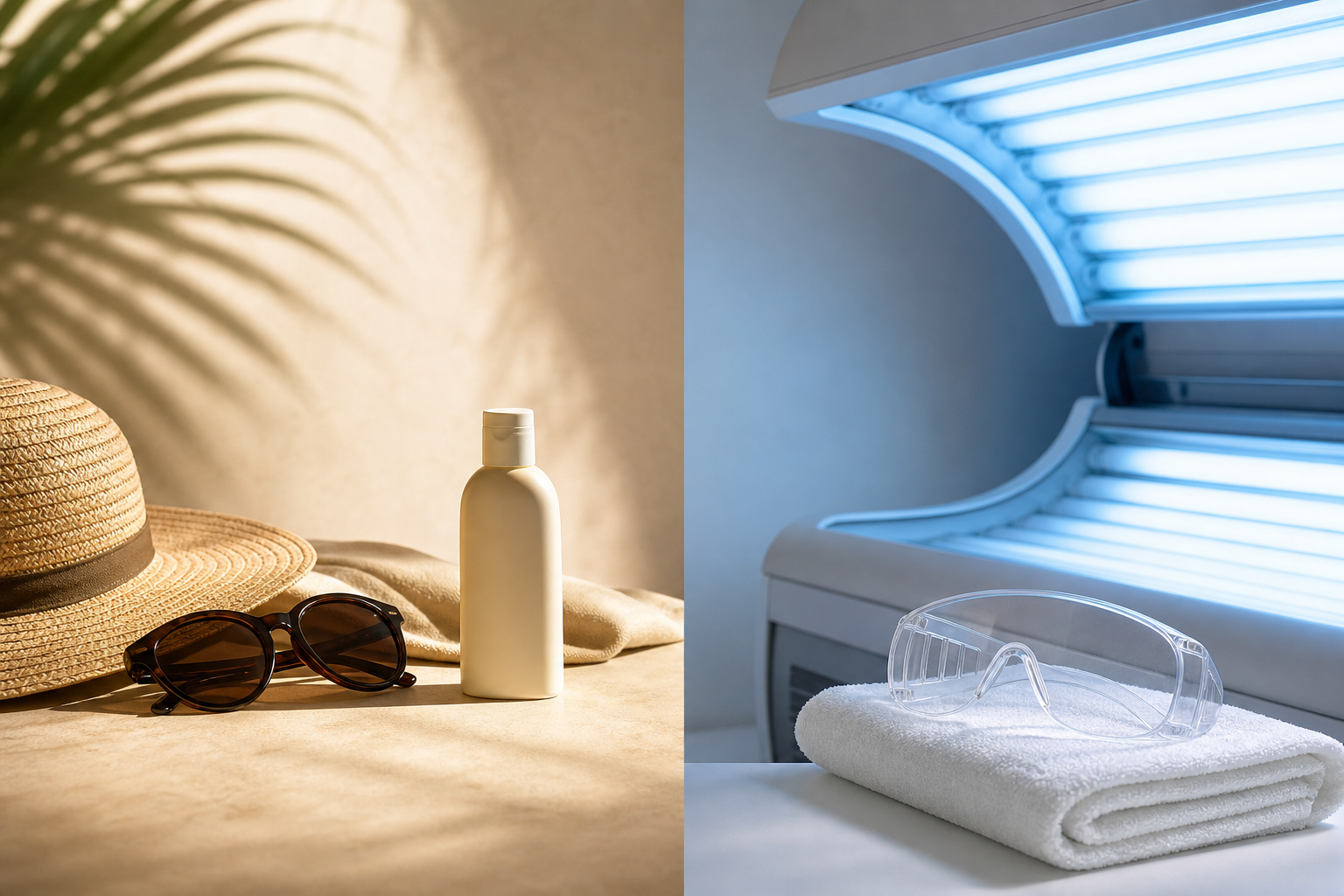
Sunbeds are artificial devices engineered to emit ultraviolet light primarily to induce a tan. Unlike natural sunlight, which conveys a broad spectrum of UV radiation—including both UVA and UVB rays—sunbeds predominantly emit UVA radiation with only a minimal fraction of UVB. This deliberate emphasis aims to minimize immediate skin redness and discomfort, often leading to a false perception of safety.
UVB rays are chiefly responsible for vitamin D synthesis in the skin and can cause sunburn, while UVA rays penetrate more deeply, contributing to skin aging and DNA damage. The UVA-focused exposure from sunbeds can silently exacerbate cumulative harm without the overt warning signs that UVB can manifest.
Contrast this with the natural sun, where the balance and intensity of UVA and UVB vary moment-to-moment, influenced by factors like time of day, geographical location, and atmospheric conditions. This variability makes unprotected sun exposure unpredictable and potentially harmful, especially when prolonged. Unlike regulated sunbed sessions, natural sun exposure lacks controlled dosing, heightening the challenge of moderation.
Comparing Health Risks: What Are the Dangers of Sunbeds Versus Sunbathing?
Both sunbeds and sunbathing expose skin to ultraviolet radiation, which is established as a carcinogen capable of damaging DNA and increasing the probability of skin cancers, including melanoma—the deadliest form of skin cancer. The World Health Organization (WHO) and multiple dermatological associations have highlighted that sunbed use increases skin cancer risk, especially among individuals under 35.
Natural sun exposure, while a natural source of essential vitamin D, is also linked with a significant risk for skin damage without proper protection. The varying ratio of UVB to UVA in sunlight means that damage can encompass both acute effects like sunburn and chronic changes such as photoaging, hyperpigmentation, and carcinogenesis.
Importantly, neither method of UV exposure is risk-free. With sunbeds, the controlled environment may tempt users to seek quicker tans through more frequent or prolonged sessions, thereby amplifying cumulative UV damage. Additionally, misunderstanding or ignoring device guidelines can lead to overexposure.
Debunking Common Misconceptions About Tanning Safety
Multiple myths cloud public perception regarding sunbed safety. One persistent fallacy is that achieving a "base tan" via sunbeds protects the skin from subsequent sunburns during sunbathing. However, scientific evidence negates this claim, demonstrating that a tan offers minimal protection, roughly equivalent to an SPF of only 2 to 4, and fails to prevent UV-induced skin damage.
Another misconception is that short sessions in sunbeds pose negligible harm. Yet, even brief exposure can induce DNA alterations leading to cumulative damage. There is no scientifically validated safe dose of UV exposure that can be universally applied.
Further, some believe that individuals with darker skin phototypes are exempt from UV-induced damage. While increased melanin provides some defense, it does not wholly prevent the risk of skin cancer or photoaging. All skin types benefit from UV protection measures.
Exploring UV-Free Alternatives for Achieving a Tanned Appearance
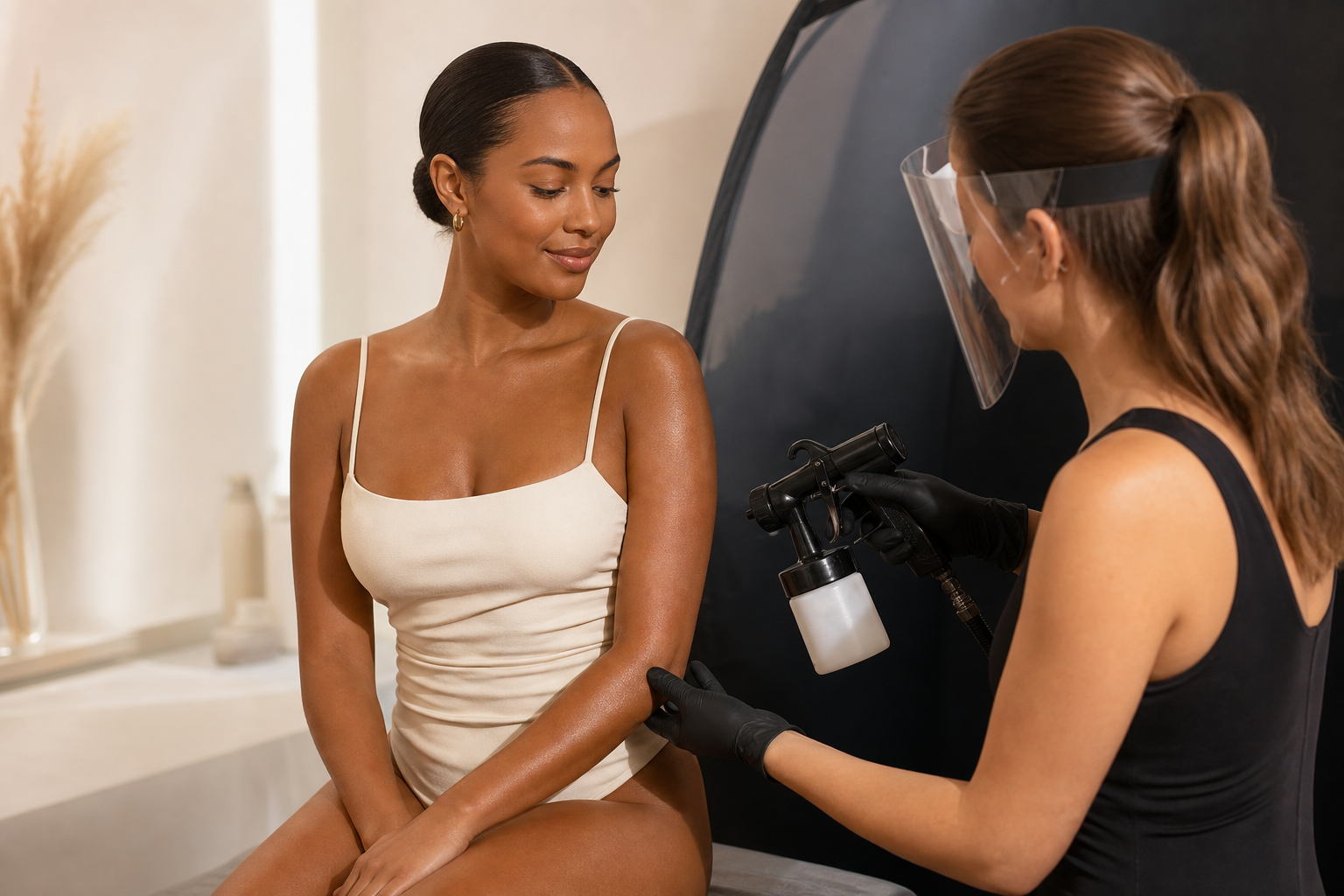
For those desiring a tanned look without UV risks, several cosmetic options exist. Self-tanning products and professional spray tan treatments utilize dihydroxyacetone (DHA), which reacts with surface skin cells to impart color without involving UV radiation.
It is essential to emphasize that these cosmetic tans do not provide any sun protection and should not be considered substitutes for sunscreen. They only change skin color temporarily without influencing the skin’s susceptibility to UV damage from sunlight.
Why Professional Guidance Is Crucial Before Opting for Sunbeds or Increased Sun Exposure
Individual health factors—skin type, existing skin conditions, family history of skin cancer, and medications—significantly influence the safety of UV exposure methods. Consulting healthcare professionals, especially dermatologists, can provide personalized guidance that balances aesthetic goals with health preservation.
Such evaluations also help identify contraindications for sunbed use and inform safer practices for sun exposure. For acne treatment or other skin concerns where UV treatment might be considered, medical advice is vital given the complexity and potential risks involved.