Ultraviolet (UV) radiation emitted by sunbeds is a well-recognized factor contributing to skin damage and cancer risk, yet its effects on ocular health are frequently overlooked. This article aims to shed light on how UV radiation from sunbeds can affect the eyes, providing a comprehensive, evidence-based guide for sunbed users, healthcare professionals, and anyone interested in understanding the ocular risks associated with artificial UV exposure. Given that the International Agency for Research on Cancer (IARC) classifies UV radiation as a Group 1 carcinogen — denoting sufficient evidence of carcinogenicity in humans — it becomes essential to grasp the nuances of how such exposure impacts eye health directly and indirectly.
The eyes are uniquely vulnerable to UV radiation due to their anatomical and physiological characteristics. Unlike skin, the eyes have delicate tissues that are easily damaged by both short-term and cumulative UV exposure. People considering or currently using sunbeds should be particularly aware of the ocular risks involved. Understanding the mechanisms of damage, the various medical conditions linked to UV eye exposure, the importance of protective measures, and guidelines on when to seek professional care equips individuals to mitigate harm effectively. This article does not prescribe exposure schedules or safe UV doses—none are currently established—since the absence of a safe UV threshold necessitates caution. Instead, it provides a balanced, research-backed perspective that draws upon related topics such as Sunbeds: How They Work, Health Risks and UV-Free Alternatives and clarifies common misconceptions.
What is the Nature of UV Radiation from Sunbeds and How Does It Affect the Eyes?
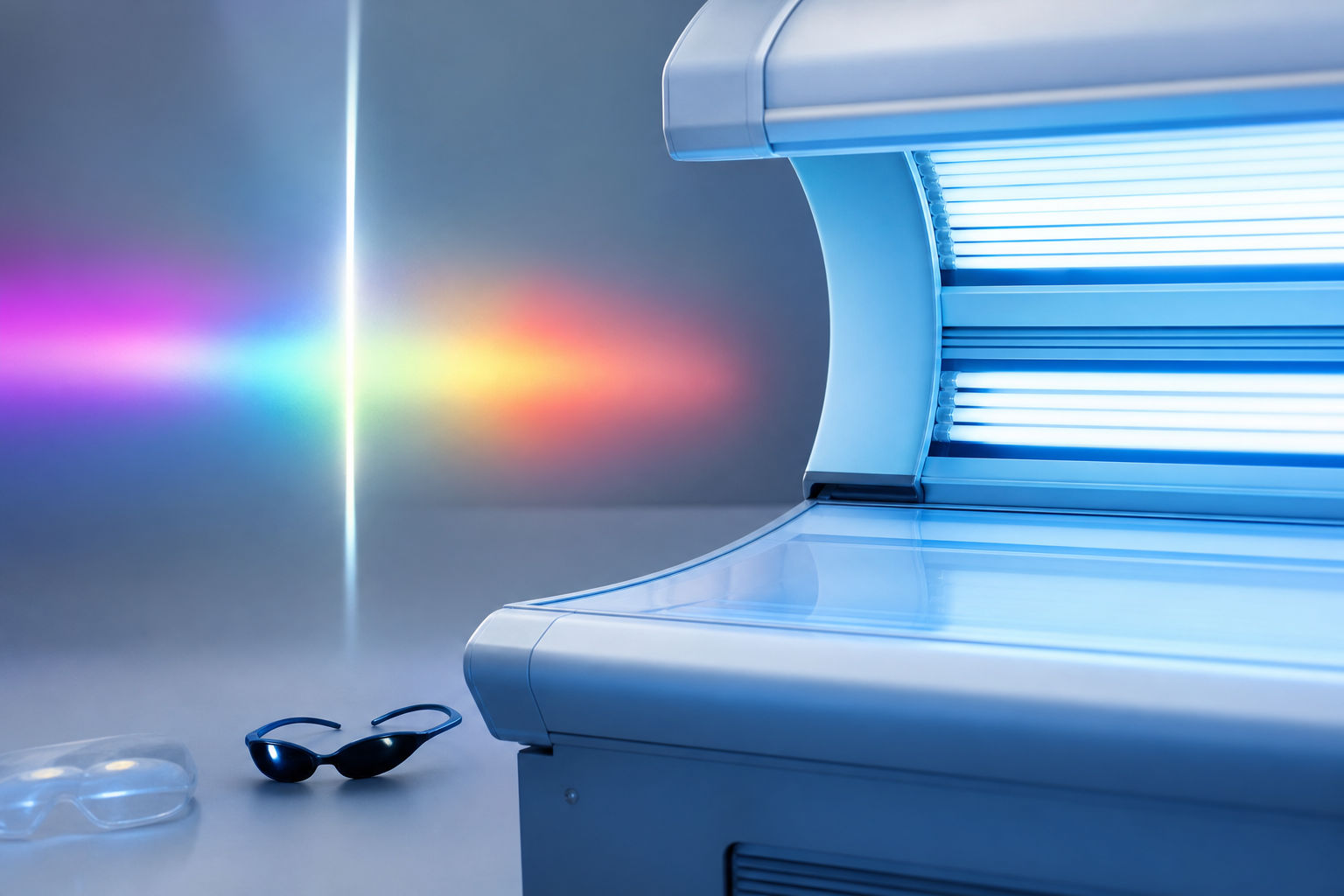
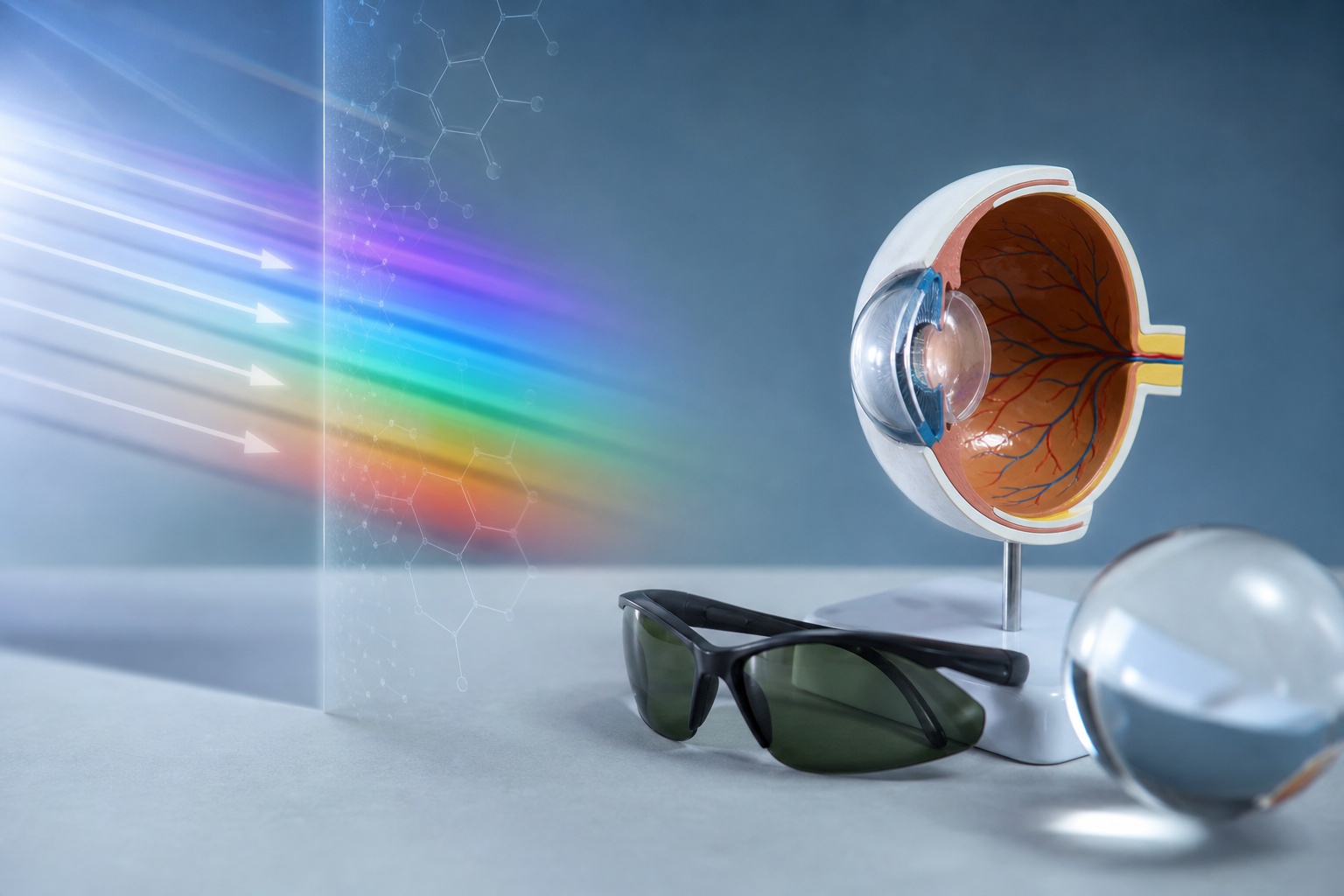
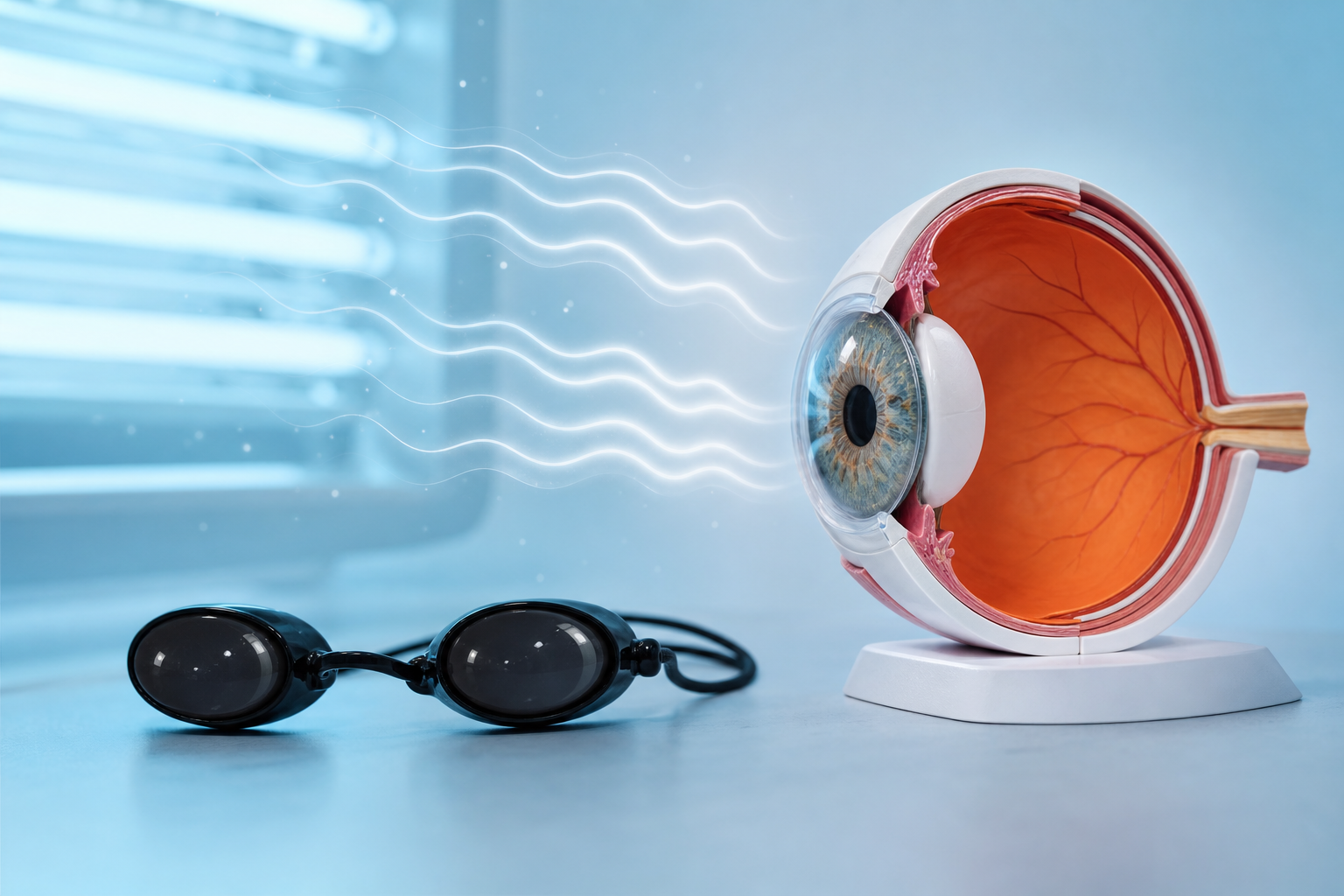
Sunbeds predominantly emit UVA and UVB radiation, designed to imitate natural sunlight but often delivering an intensity and spectral composition that differ significantly from the sun’s rays. This artificial UV radiation penetrates the eye’s anterior structures, including the cornea and conjunctiva, and may reach deeper tissues like the lens and retina depending on the wavelength and duration of exposure.
Unlike exposure to outdoor sunlight, where angles and environmental factors modulate retinal irradiance, the fixed and often confined nature of sunbed exposure can result in concentrated UV doses to the eyes if protective measures are absent or inadequate. The eyelids offer some natural protection, but because UV radiation can scatter and reflect off surfaces, merely closing the eyes is insufficient to prevent UV penetration.
Key ocular structures susceptible to UV damage include:
Cornea and Conjunctiva: The eye’s surface tissues are highly sensitive to UV exposure. Acute damage here can manifest as photokeratitis—an inflammatory condition commonly described as “snow blindness.”
Lens: Chronic UV exposure contributes to lens protein denaturation and cataract formation, a leading cause of reversible blindness worldwide.
Retina: Though UVA radiation penetrates less deeply than visible light, some UVA rays and resultant reactive oxygen species could promote retinal damage over time.
What Are the Immediate and Long-Term Risks of UV Exposure to the Eyes from Sunbeds?
Exposure to UV radiation from sunbeds can precipitate both immediate and delayed ocular complications. Acute effects most notably include photokeratitis, a painful inflammation of the cornea arising typically within hours of significant UV exposure. Its symptoms—redness, eye pain, tearing, foreign body sensation, and temporary vision impairment—mirror those caused by natural UV overexposure, demanding prompt recognition and management.
Long-term ocular consequences of repeated sunbed use are particularly concerning. Persistent UV insult accumulates damage, accelerating degenerative changes such as:
Cataracts, where UV-induced oxidative stress breaks down lens proteins leading to clouding and visual decline.
Macular Degeneration, a complex retinal disorder potentially exacerbated by photo-oxidative damage over time, increasing the risk of irreversible vision loss.
Ocular Surface Neoplasms, which are rare but recognized as linked to UV exposure and pose serious health threats when undetected.
The IARC’s stance is clear: there is no evidence supporting a threshold below which UV radiation is completely safe for the eyes. This underscores the principle that even small doses can contribute cumulatively to ocular damage. Patients with pre-existing eye diseases, or those taking photosensitizing medications, may face heightened risk.
How Effective Are Common Protective Measures Against UV Radiation in Sunbeds?
Many users mistakenly believe that simply closing their eyes, wearing regular glasses, or covering the face with a towel offers sufficient protection in tanning environments. Scientific evidence challenges these assumptions. Closed eyelids reduce but do not eliminate UV transmission; UV light can penetrate eyelid tissues partially, especially under intense exposure.
Regular prescription glasses or sunglasses may attenuate some UV, but they are not manufactured to block the full UV spectrum emitted by sunbed lamps, especially UVA, which can be more penetrating. Furthermore, side gaps allow radiation to reach the eyes from oblique angles.
Towels or other cloth coverings are ineffective barriers against UV radiation, which can pass through or reflect beneath materials insufficiently dense or designed to block UV light. Therefore, the gold standard for ocular protection in sunbeds remains the use of specialized UV-blocking goggles that conform to regulatory standards. These goggles are designed to prevent UV radiation from reaching any part of the eye, including from lateral or reflected sources.
Why is It Critically Important That Under-18s Avoid Sunbed Use, Particularly Considering Eye Health?
The development of ocular structures continues through adolescence, rendering young eyes especially vulnerable to UV radiation. The immature lens and retina have lower defenses against photo-damage and are less able to repair cellular injury.
This increased sensitivity can lead to early onset of UV-related eye disorders. Adolescents who use sunbeds risk accelerating cataract formation and possibly developing retinal damage decades earlier than non-users. Regulatory authorities worldwide consequently advise against sunbed use by individuals under the age of 18.
What Are Common Misconceptions Regarding Eye Protection During Sunbed Use?
A pervasive misconception is that contact lenses offer adequate UV protection. While some contact lenses incorporate UV-absorbing compounds, these generally shield only the cornea directly covered and do not protect the surrounding ocular tissues or conjunctiva. Hence, contact lenses alone are insufficient.
Another myth is the existence of a safe, minimal exposure level. Given the lack of scientifically established thresholds and the IARC’s conclusions, any UV exposure to the eyes in sunbed environments carries risk.
Moreover, users sometimes underestimate the dangers posed by reflected UV rays from walls, flooring, or tanning bed surfaces. These secondary sources can reach the eyes from unexpected angles, making comprehensive protection indispensable.
When Should One Seek Medical Advice After UV Exposure from a Sunbed?
Anyone experiencing ocular discomfort following sunbed use should be vigilant. Warning signs that merit prompt assessment by an eye care professional include persistent redness, pain, blurred vision, photophobia (light sensitivity), excessive tearing, or a sensation akin to sand in the eyes.
Immediate medical evaluation can differentiate between transient irritation and more serious conditions like photokeratitis or corneal abrasion. Early intervention reduces the risk of complications and long-term sequelae.
Frequent sunbed users should consider routine ophthalmologic evaluations to monitor for subtle signs of cumulative damage that may not yet be symptomatic, enabling timely recommendations or interventions.
Are There Safer Alternatives to Achieving a Tanned Appearance Without UV Exposure?
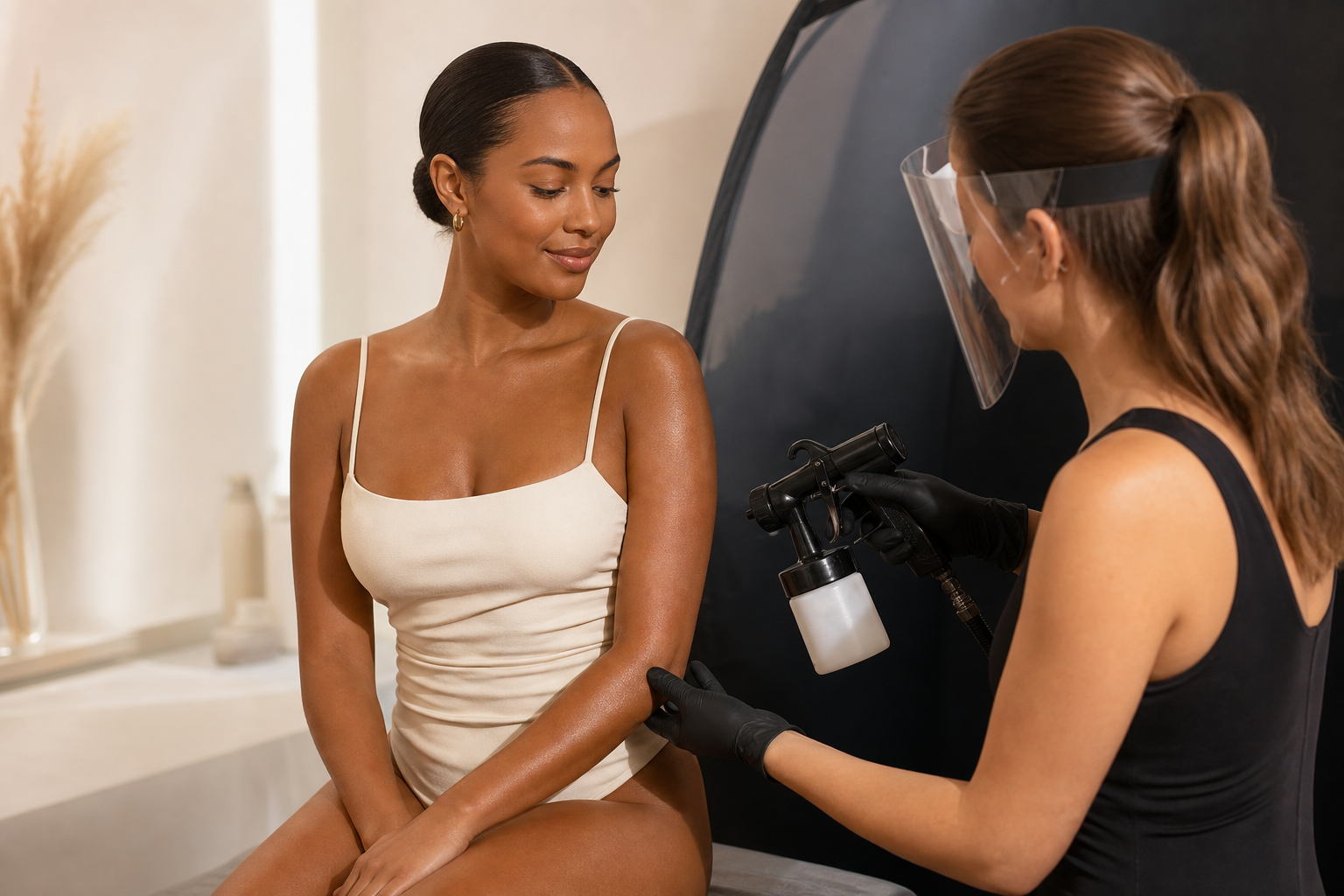
Individuals seeking a bronzed complexion without incurring UV-related risks have access to several non-UV-based options. Self-tanning lotions and sprays utilize dihydroxyacetone (DHA), which reacts with the skin’s outer layers to create the appearance of a tan without DNA damage or ocular hazard.
Professional cosmetic bronzing services, which apply controlled pigments or airbrush tanning solutions, also offer safe alternatives, removing any risk associated with UV exposure. Although requiring proper application and allergy consideration, these options support the desire for an aesthetic tan while preserving skin and eye health.