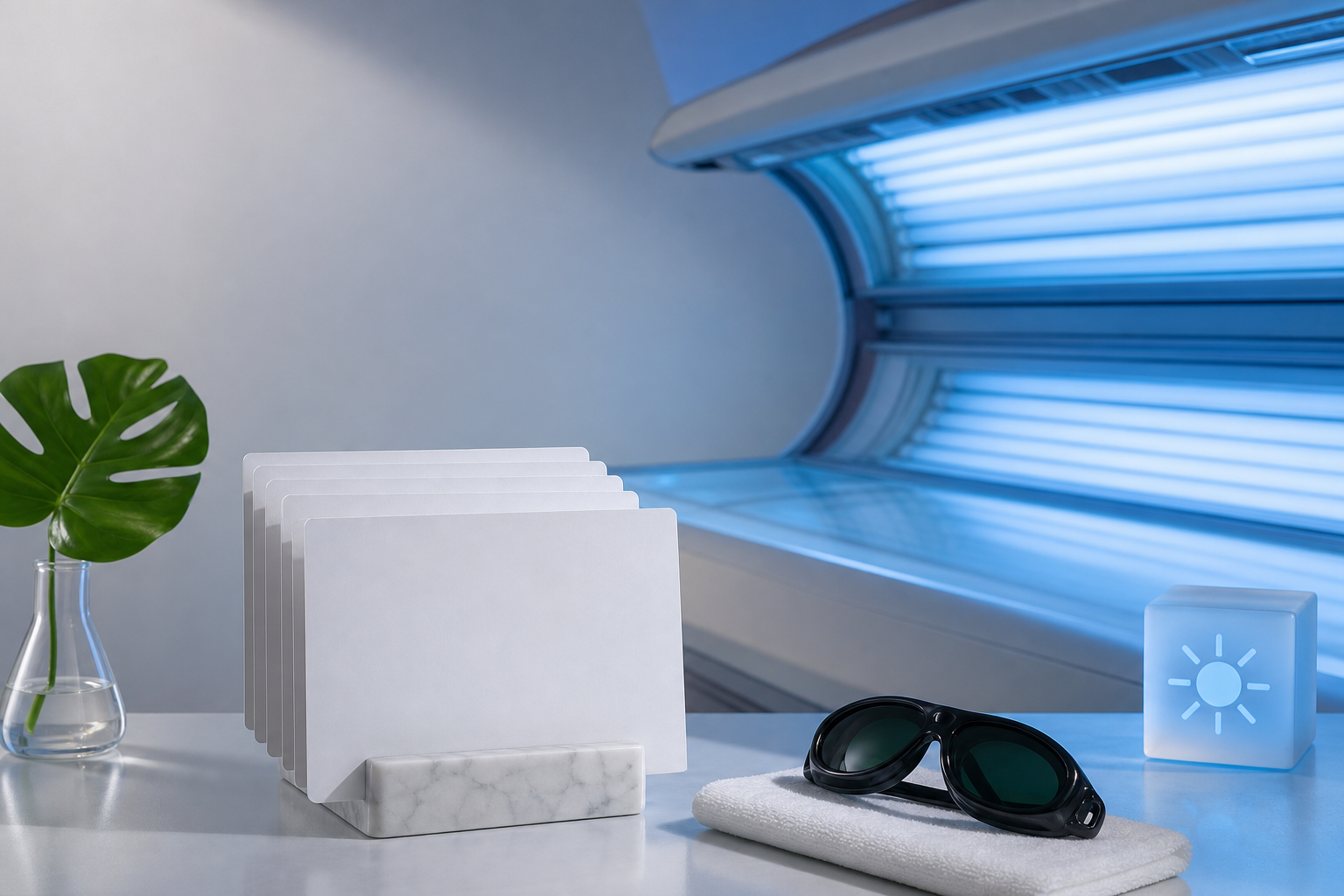
Sunbeds, often referred to as tanning beds or solariums, are devices that emit ultraviolet (UV) radiation to artificially tan the skin. Popular in many parts of the world, sunbeds attract those seeking a year-round tanned complexion without dependence on natural sunlight. Despite their widespread use, sunbeds are surrounded by numerous misconceptions and myths, which can mislead users regarding their safety and health implications.
This article serves as an evidence-based, comprehensive guide aimed at anyone curious about, concerned with, or considering the use of sunbeds. It seeks to clarify common misunderstandings by referencing authoritative sources such as the International Agency for Research on Cancer (IARC), while emphasizing critical health considerations. Understanding the realities of sunbed use is especially important given the clear classification of these devices as Group 1 carcinogens by IARC, denoting that there is sufficient evidence they are cancer-causing to humans.
Whether you are a young adult contemplating your options for tanning, a parent wanting to protect your child from skin damage, or simply an individual seeking trustworthy information, this guide offers vital insights into what sunbeds are, how they work, their risks, and debunks the prevalent myths clouding public perception.
What Are Sunbeds and How Does Their UV Radiation Affect the Skin?
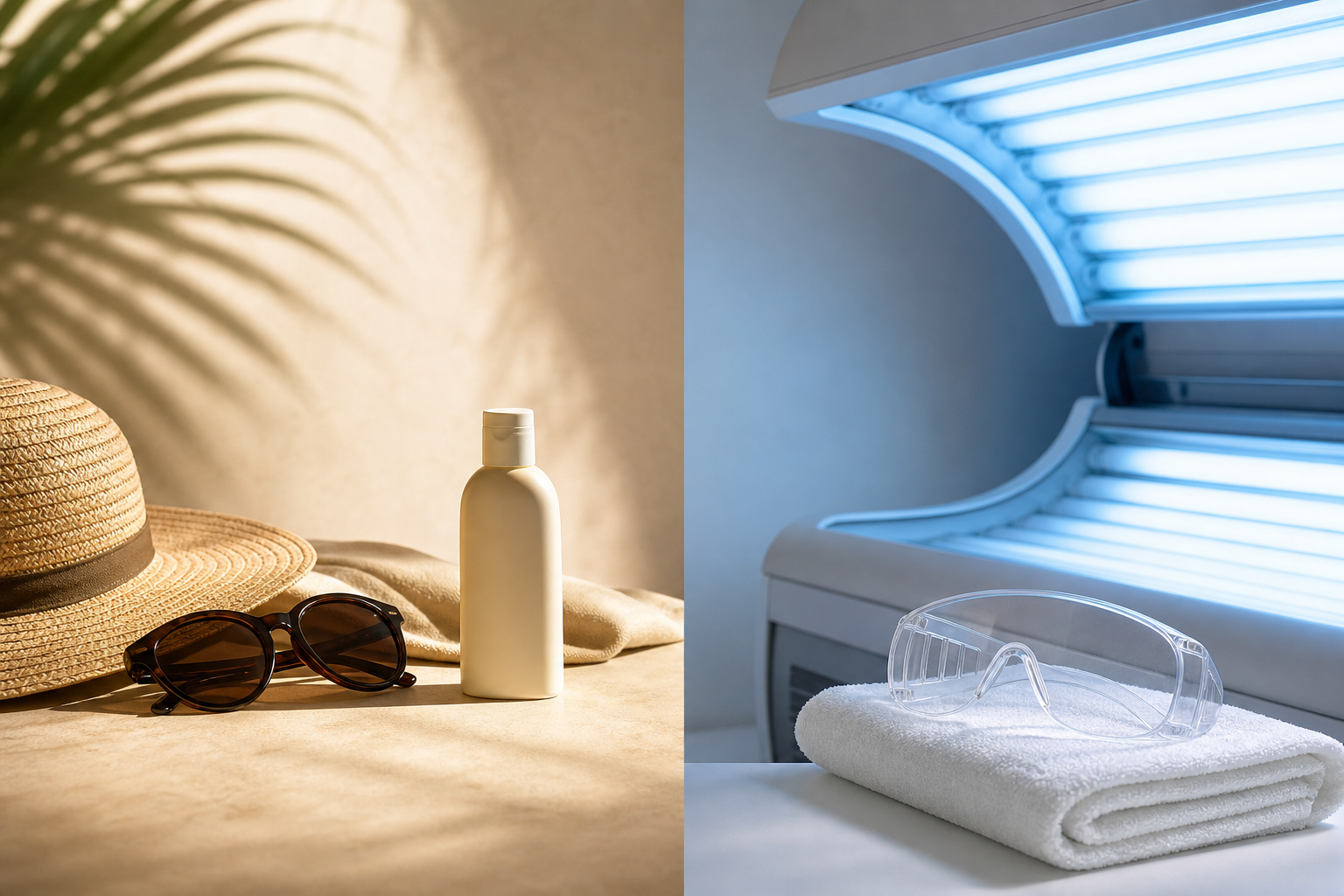
Sunbeds emit ultraviolet radiation through special lamps designed to mimic the sun's rays, primarily UVA and UVB rays. The goal is to stimulate melanin production within the skin, resulting in a tanned appearance. However, the nature and effects of UV radiation from sunbeds differ from natural sunlight and carry significant health consequences.
UVA rays, which penetrate deeper into the skin layers, can cause DNA damage leading to premature skin aging and mutations that initiate skin cancer development. UVB rays, although less penetrating, are responsible for direct damage to the surface skin cells, causing sunburn and contributing to carcinogenesis. Both UV types contribute cumulatively to cellular damage over time.
Importantly, scientific consensus has established that no safe threshold exists for UV exposure — any dose can potentially cause cellular injury. This underlines the IARC’s classification of sunbeds in Group 1 of carcinogens, aligning their use with agents like tobacco and asbestos in terms of cancer risk. Particularly vulnerable are those under 18 years, with guidelines strongly recommending that minors avoid sunbed use altogether due to increased sensitivity of their developing skin.
Why Do Myths About Sunbeds Persist and What Are the Most Common Ones?
The proliferation of myths surrounding sunbeds often arises from a combination of misinformation, anecdotal experiences, and commercial interests. Some narratives simplify the complex risks into convenient but inaccurate assumptions, leading users to underestimate potential dangers.
Key myths include the notions that a "base tan" from sunbeds protects the skin from sunburn; that no visible skin reddening means sunbed use is safe; and that minimal exposure durations negate any harm. Other claims suggest that sunbeds can aid in the treatment of skin conditions like acne or that their controlled environment ensures a harmless tanning alternative to natural sunlight.
These beliefs are not supported by scientific evidence—in fact, they often contribute to harmful behaviors by fostering a false sense of security. Understanding and debunking these myths is essential for informed decision making about sunbed use.
Does a Base Tan From a Sunbed Provide Real Protection Against Sun Damage?
The idea that developing a tan via sunbed exposure can serve as a protective barrier against subsequent sunburn on natural sunlight exposure is widespread but misleading. While melanin does offer some defense by absorbing UV radiation, the degree is limited and insufficient to prevent the deeper DNA damage that leads to skin cancer.
Moreover, the process of forming a tan already signifies skin injury: melanin production is a response to UV-induced DNA harm. Thus, obtaining a base tan comes with inherent damage risk. Clinical studies and dermatological experts advise that relying on a sunbed-acquired tan to shield against sunburn or other UV effects is unfounded and dangerous.
For those interested in a sun-safe tan, using UV-free alternatives like topical self-tanning products presents a prudent option that avoids the risks associated with UV exposure.
Is Sunbed Use Safe If the Skin Does Not Turn Red or Burn?
Many users assume that the absence of visible redness or burning indicates the skin has not been harmed by sunbed UV exposure. This assumption overlooks the complex nature of UV-induced damage, which is not always immediately apparent.
UV radiation can cause subclinical DNA damage, promote oxidative stress, and initiate mutations without visible symptoms. These subtle injuries accumulate over time, increasing the risk of skin malignancies including melanoma—the deadliest form of skin cancer—as well as accelerating skin aging.
Therefore, having a session in a sunbed that does not provoke redness does not equate to safety. The lack of erythema merely signifies that acute inflammation is absent, not that harm has not occurred.
Does Limiting the Time Spent in a Sunbed Reduce or Eliminate the Risk?
It might seem logical that shorter exposure durations in a sunbed would lower health risks, but even brief encounters with UV rays contribute to cumulative skin damage. The concept of a "safe dose" of UV radiation does not exist according to current medical understanding and recommendations.
Each session, regardless of length, adds to the total lifetime UV burden. The damage induced by UV rays is cumulative, meaning repeated exposures—even if short—contribute to long-term skin changes, DNA mutations, and increased cancer risk.
Thus, while reducing sunbed time might decrease the immediate intensity of exposure, it does not eliminate health hazards. Complete abstinence represents the only approach to fully avoid risk.
Can Sunbeds Be Used to Treat Acne or Other Skin Conditions?
A common misconception is that sunbeds or UV exposure can serve a therapeutic role in managing acne or other dermatological issues. While UV radiation possesses some antimicrobial properties, its utility for acne treatment is not supported by dermatologists nor recommended by clinical guidelines.
Instead, UV exposure can exacerbate skin inflammation, induce dryness, and potentially worsen skin conditions over time. There is also the concern that UV-induced DNA damage from sunbeds may complicate or contribute to skin malignancy risk.
Effective acne treatment should involve consultation with healthcare professionals who can provide safe and evidence-based therapies tailored to individual needs.
Why Are Individuals Under 18 Strongly Advised Against Using Sunbeds?
The sensitivity of young, developing skin makes minors particularly vulnerable to the harmful effects of UV radiation. Various influential health organizations, including the World Health Organization (WHO) and IARC, advise against sunbed use in those below 18 years.
Early exposure to UV light has been associated with a significantly greater risk of melanoma later in life. Since skin in adolescence is more susceptible to mutations caused by UV radiation, prevention at this stage is critical.
This age-based recommendation aims to minimize early UV damage, preserving skin integrity and reducing lifelong cancer risk.
What Are Safe Alternatives to Achieve a Tanned Appearance Without UV Exposure?
For individuals wishing to maintain a tanned look without subjecting their skin to dangerous UV rays, UV-free alternatives exist that provide cosmetic satisfaction without health risks.
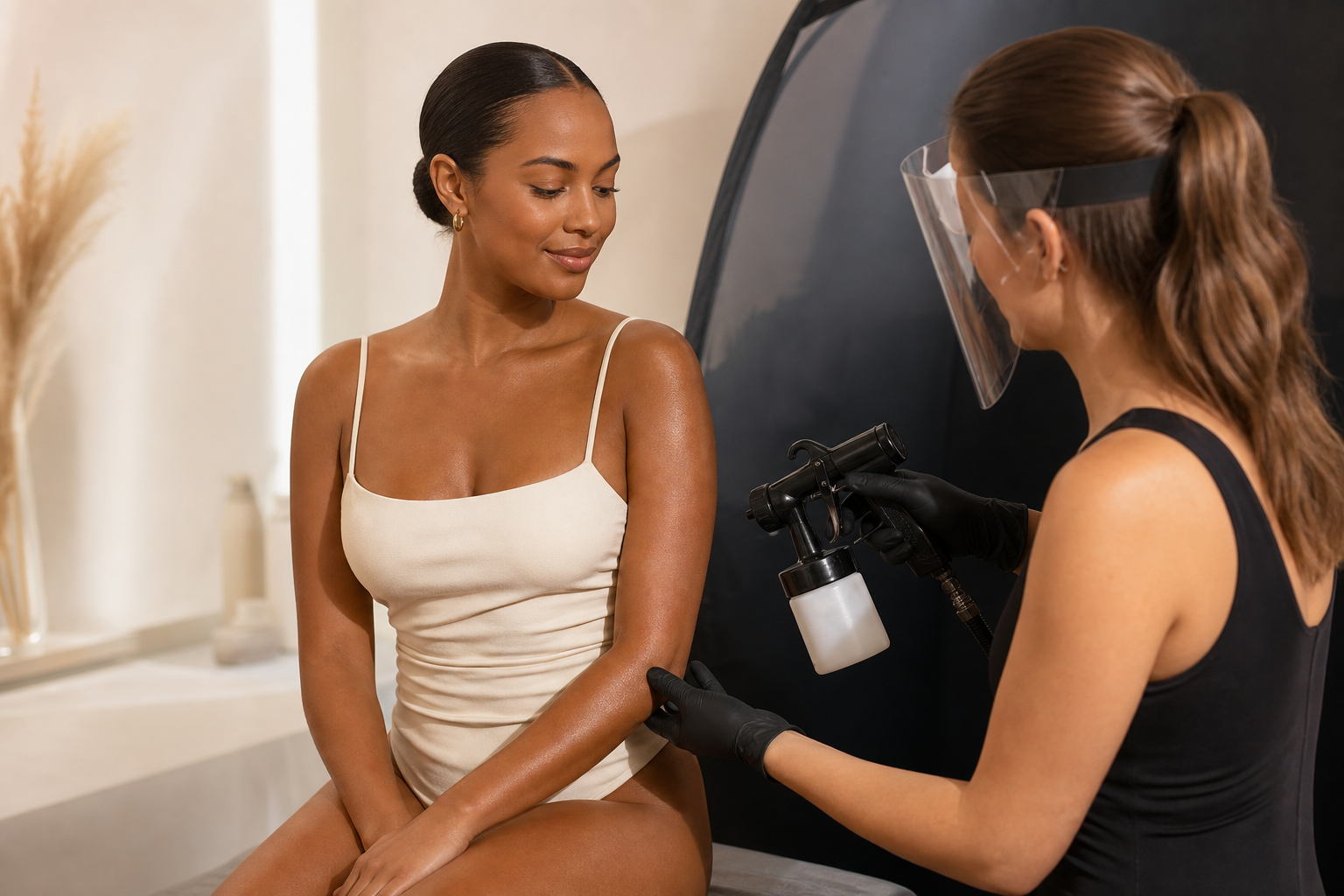
Topical self-tanning lotions, sprays, and mousses work by darkening the outer skin layer through dihydroxyacetone (DHA), a safe ingredient that reacts with skin proteins to simulate a tan. These products allow users to achieve a bronzed look without DNA damage, sunburn, or increased cancer risk.
Besides these, certain makeup products and gradual tan enhancers offer further options. Encouraging the use of such UV-free methods plays a vital role in reducing skin cancer incidence related to tanning culture.
When Should One Consult a Healthcare Professional Regarding Sunbed Use?
Certain medical conditions, medications, and recent cosmetic procedures can amplify the risks associated with sunbed UV exposure. Photosensitizing drugs, for example, can heighten skin sensitivity to UV rays, increasing the likelihood of burns or adverse reactions.
If you have health challenges, use prescription or over-the-counter medications, or have undergone treatments like chemical peels or laser therapy, it is prudent to seek advice from a physician or pharmacist before considering sunbed use. Recommendations can vary based on individual circumstances, so personalized medical consultation is essential rather than relying on general guidelines.
Informed discussions with healthcare providers support safer choices and minimize unintended complications.