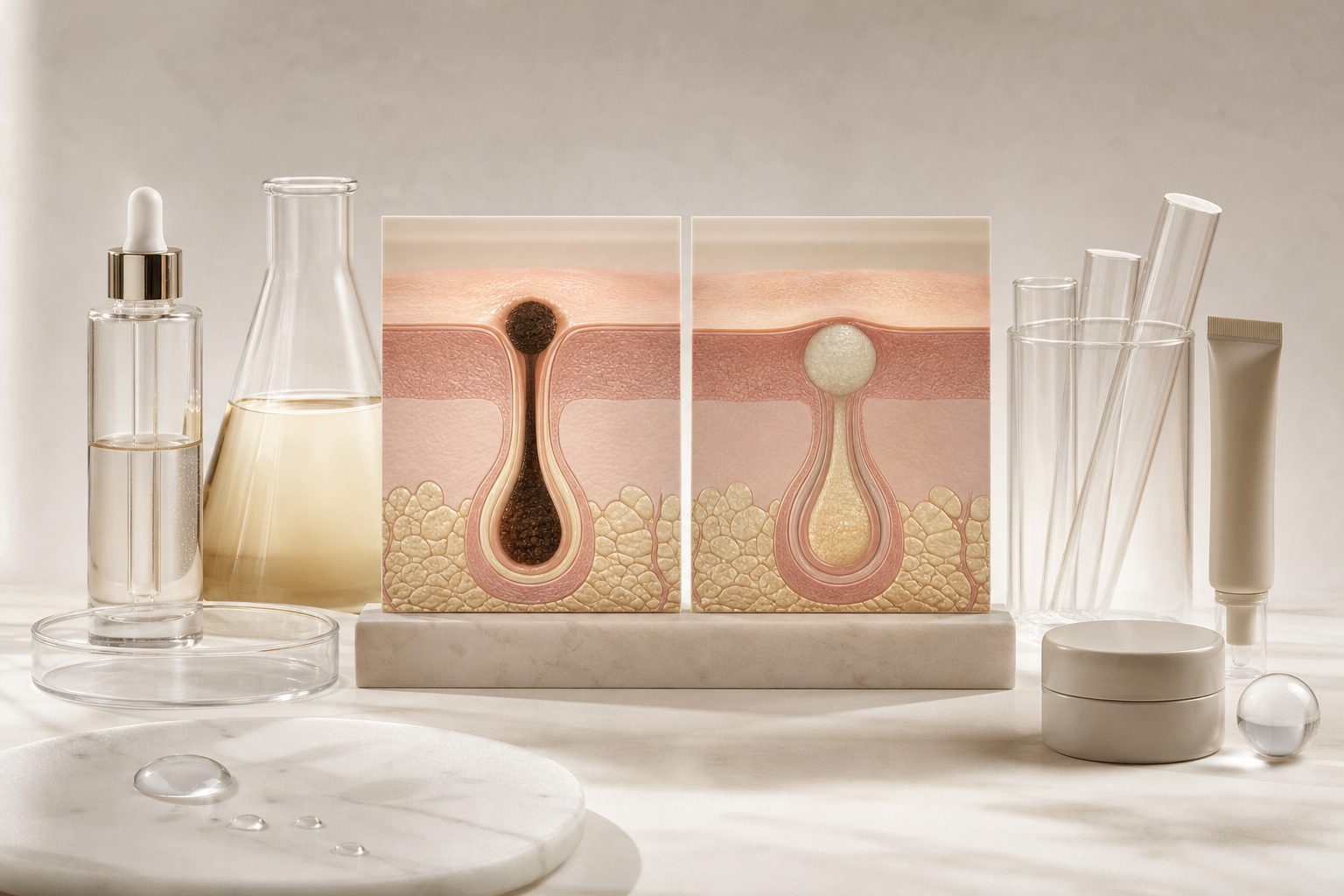
Open and closed comedones are central features in the landscape of common skin concerns, particularly those related to facial acne and clogged pores. These two predominant types of blackheads may appear superficially similar but differ notably in their formation, appearance, and how they should be treated. For anyone interested in skin health—whether a skincare enthusiast, someone struggling with persistent blemishes, or a professional in the dermatology or cosmetology fields—understanding these differences is critical. It shapes how one approaches care routines, cosmetic treatments, and medical interventions to achieve clearer, healthier skin.
This article has been crafted to serve as a comprehensive, medically grounded resource that clarifies the nature of open and closed comedones. It demystifies their origin, explains who is most prone to them, and lays out best practices for home care, professional cosmetic procedures, and when to seek dermatological advice. Its goal is to empower readers with knowledge that supports effective treatment choices while emphasizing safety and realistic expectations.
The importance of this topic extends beyond aesthetics. Misidentifying or mistreating comedones can exacerbate skin issues, leading to inflammation, unwanted scarring, or stubborn breakouts. A nuanced understanding ensures that appropriate strategies are employed—whether through gentle exfoliation, specialized products, or expert extraction—thereby enhancing the overall health and appearance of the skin.
What Are Comedones and How Do They Form?
Comedones are essentially clogged hair follicles or pores on the skin’s surface. Fundamentally, they represent the earliest and most benign form of acne, arising from the accumulation of sebum (the skin’s natural oil), dead skin cells, and other debris within the pore. These blockages create an environment prone to bacterial growth and inflammation if left untreated.
The critical distinction between open and closed comedones hinges on whether the pore remains open or becomes sealed off. Open comedones, commonly known as blackheads, occur when follicles are partially open. The trapped sebum and dead cells get exposed to air, leading to oxidation, which darkens the contents and gives them their characteristic black or dark appearance.
In contrast, closed comedones, or whiteheads, form when the follicular opening closes tightly, preventing air exposure. As a result, their content remains white or flesh-colored, appearing as small bumps that can sometimes be mistaken for harmless skin texture rather than signs of a blockage.
Several factors contribute to the formation of both types. These include increased sebum production often driven by hormonal fluctuations; inadequate or improper cleansing routines; genetic predisposition; external environmental factors such as pollution; and the use of comedogenic skincare or cosmetic products that can obstruct pores.
How to Differentiate Between Open and Closed Comedones Effectively?
Visual and tactile examination are the primary ways to distinguish open from closed comedones. Open comedones present as small, dark spots on the skin’s surface, typically appearing on the nose, forehead, and chin where sebaceous glands are denser. They can sometimes feel slightly rough or coarse to touch due to the oxidized material within the pore.
Closed comedones, on the other hand, appear as tiny, flesh-toned or white bumps just beneath the skin’s surface. They lack the visible dark tip, so they often blend more subtly into the surrounding skin. Because of their closed nature, they may feel smoother yet raised and are less easily extracted compared to blackheads.
Understanding these subtle visual cues is essential not just for identification but to guide the appropriate handling of the skin. For example, open comedones may respond better to exfoliating treatments that clear out the pore opening, while closed comedones might require gentler, sustained care focused on unclogging and preventing future blockages.
Who Is Most Susceptible to Developing Comedones?
The prevalence of both open and closed comedones peaks during adolescence, largely due to hormonal surges that stimulate oil production. Yet, they are by no means limited to teenagers. Adults, especially those with oily or combination skin types, remain vulnerable. Women might notice fluctuations linked to menstrual cycles, pregnancy, or hormonal therapies.
Other at-risk groups include individuals under significant stress, people taking certain medications that affect skin physiology, and those using heavy, pore-clogging skincare or makeup products. Furthermore, lifestyle habits like infrequent cleansing, touching the face with unclean hands, or exposure to polluted environments exacerbate the likelihood of pore obstruction.
Recognizing who is more likely to develop comedones aids in proactive skincare planning and early intervention, preventing more severe skin conditions down the line.
Why Understanding These Differences Matters for Skincare Benefits and Prevention
Accurate recognition and differentiation of comedone types empower tailored skincare strategies that maximize outcomes. By choosing products and treatments targeted to the specific type of comedone, a person can more effectively address the root issue rather than merely the symptoms.
For instance, salicylic acid-based exfoliants are particularly adept at penetrating pores and dissolving the debris within open comedones, while retinoids can modulate cell turnover and prevent occlusion in closed comedones. Employing these appropriately reduces inflammation, hastens clearance, and curbs recurrence.
Moreover, knowledge reduces the temptation of aggressive or inappropriate methods such as squeezing or harsh scrubbing, which commonly worsen conditions. It fosters patience and consistent care routines grounded in science, thereby preserving the skin’s barrier and preventing scarring or pigmentation.
How Home Care and Professional Treatments Address Comedones
Home care plays a foundational role in managing comedones. Daily cleansing with gentle yet effective formulations suited to one's skin type helps remove excess oils and dead skin. Incorporating chemical exfoliants like beta hydroxy acids (BHAs) or alpha hydroxy acids (AHAs) can facilitate pore unclogging and skin renewal when used correctly.
Hydration is equally important, using non-comedogenic moisturizers that maintain skin balance without contributing to blockage. Additionally, sun protection is crucial as some active ingredients increase photosensitivity.
Beyond home care, professional cosmetic treatments offer more intensive cleansing options. Deep facial cleansing therapies utilize steaming, extractions, and specialized peels to remove stubborn comedones safely. These interventions, particularly when administered by trained practitioners, minimize trauma and inflammation.
For cases where comedones coexist with inflammatory acne or prove resistant, dermatological evaluation becomes pertinent. Medical interventions may include topical retinoids, antibiotics, or hormonal therapies, calibrated to the individual's condition.
When Should One Consult a Cosmetic Specialist or Dermatologist?
Prompt professional consultation is advised when comedones are numerous, persistent, or accompanied by signs of inflammation such as redness, swelling, or pain. Additionally, if home-use over-the-counter products fail to improve the condition over several weeks, or if one experiences adverse reactions, seeking expert guidance can prevent escalation.
Kosmetičari (cosmetologists) can provide routine cleansing and maintenance treatments, aiding regular pore maintenance and education on suitable products. Dermatologists, conversely, offer comprehensive diagnosis and treatment for moderate to severe cases, including prescription medications and advanced therapies.
Realistic Expectations for Treating Open and Closed Comedones
Anyone embarking on a treatment journey should embrace a realistic timeline and goals. Open comedones often respond more quickly to exfoliants and extractions, sometimes visible within weeks. Closed comedones, due to their deeper entrapment, may take months of consistent care to clear fully.
Maintenance is paramount, as new comedones can form if underlying causes persist. Safety is a priority—avoiding aggressive squeezing or unverified remedies helps prevent scars or secondary infections. Effective management is a blend of correct product use, lifestyle adjustment, and professional oversight when necessary.


