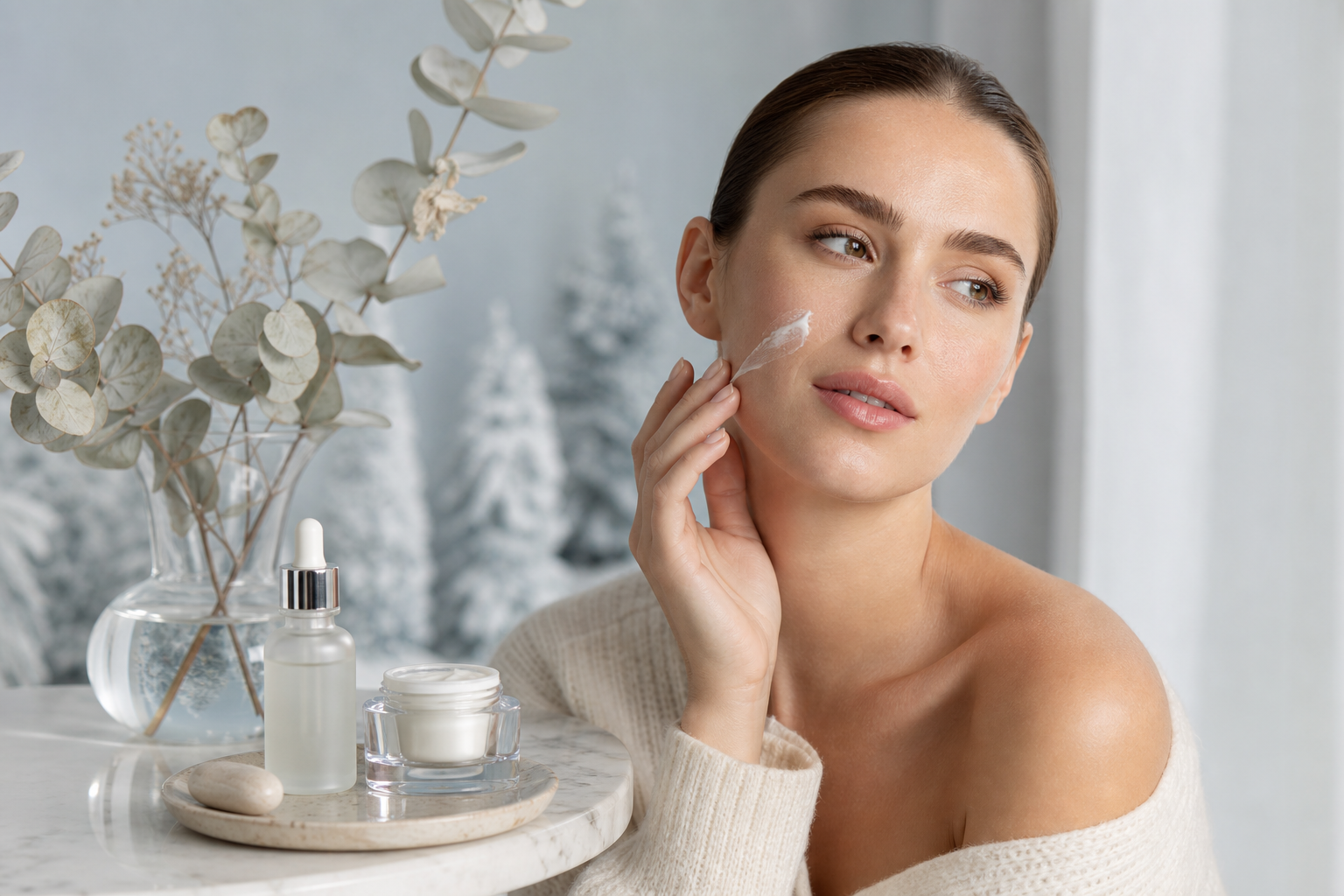
Winter brings a unique set of challenges to skincare, especially for those with dry and dehydrated skin. As temperatures drop and heating systems work overtime, the skin's natural moisture balance is disrupted, often resulting in symptoms such as tightness, flaking, redness, and discomfort. Establishing a specialized winter skincare routine is essential to protect, nourish, and restore skin during these harsher months.
This article is designed for individuals experiencing dryness and dehydration of the skin during winter, as well as those looking to better understand the specific needs of their skin under cold and dry environmental conditions. Addressing winter skincare with an informed and consistent approach can profoundly improve not only the appearance but also the health of the skin, offering relief from the common afflictions caused by seasonal changes.
We will explore the underlying reasons why winter affects skin hydration negatively, outline the key principles for an effective winter routine, delve into optimal products and ingredients, and discuss the role of professional treatments and dermatologist consultations when necessary. This comprehensive guide aims to empower readers with the knowledge to care confidently for dry and dehydrated skin during the winter season.
How Does Winter Weather Impact Dry and Dehydrated Skin?
Winter weather significantly affects the skin’s moisture and lipid balance. The combination of cold outdoor air and dry, heated indoor environments accelerates the loss of water from the skin’s surface. Cold air typically has low humidity, which increases transepidermal water loss (TEWL), meaning the skin dries out more quickly. Indoors, central heating further reduces air moisture, exacerbating the issue.
Additionally, winter wind and frequent temperature fluctuations can compromise the skin’s barrier function. This protective barrier, created by lipids and natural moisturizing factors within the epidermis, acts as the skin’s defense against irritants and moisture loss. When this barrier is impaired, skin is less able to retain hydration and more vulnerable to environmental aggressors.
It is important to distinguish between dry and dehydrated skin in this context. Dry skin is characterized by a deficiency of natural oils and lipids, leading to roughness and flaking, whereas dehydrated skin lacks adequate water content, resulting in a tight, dull complexion. Often, these conditions co-exist during winter, requiring targeted skincare interventions to address both lipid and water deficits effectively.
What Are the Core Principles of a Winter Skincare Routine for Dry and Dehydrated Skin?
An effective winter skincare routine revolves around three fundamental pillars: protection, hydration, and restoration. Protecting the skin involves shielding it from harsh external factors such as cold air, wind, and drying indoor heat. Hydration focuses on replenishing water in the epidermis, while restoration aims at rebuilding and maintaining the lipid barrier.
Avoiding products that strip the skin of its natural oils is crucial. Strong detergents, alcohol-based toners, and harsh exfoliants can aggravate dryness and barrier damage. Instead, selecting gentle cleansers that respect the skin’s natural balance helps preserve its integrity.
Incorporating nourishing creams and serums containing restorative ingredients such as ceramides, hyaluronic acid, glycerin, and natural plant oils supports barrier repair and sustained hydration. These ingredients boost the skin’s ability to hold moisture and protect against further water loss.
The cleansing step should be adapted as well—using lukewarm water instead of hot water prevents additional dehydration, and gentle products avoid compromising the protective barrier. Overall, moderation and attentiveness in product choice and routine consistency are key to meeting the unique demands of winter skin.
Which Ingredients and Products Are Best Suited for Winter Care of Dry and Dehydrated Skin?
Among the myriad skincare formulations available, certain ingredients stand out for their winter-specific benefits. Ceramides are lipid molecules naturally found in the skin that help reconstruct and strengthen the skin barrier. Products fortified with ceramides can soothe inflammation and reduce moisture loss.
Hyaluronic acid is renowned for its exceptional capacity to attract and retain water molecules in the skin, making it indispensable for combating dehydration. It complements the lipid-replenishing effects of ceramides by ensuring the skin remains plump and supple from within.
Glycerin also functions as a humectant, drawing moisture into the skin and maintaining hydration throughout the day. Natural oils such as jojoba, squalane, and safflower oil deliver emollient properties that soothe roughness and reinforce barrier function.
Because winter can render the skin more sensitive, formulas free from alcohol, added fragrances, and harsh preservatives are advisable. Creamy or oil-based cleansers can replace foaming soaps to prevent stripping natural oils during cleansing.
How Should One Adapt Daily Skin Cleansing and Hydration in Winter for Optimal Results?
Daily cleansing remains essential even in winter, but a gentle approach is paramount. Over-cleansing or using aggressive products can easily exacerbate dryness and sensitivity. Cream or oil-based cleansers that remove impurities without disrupting the lipid barrier are preferred.
Hydration begins immediately after cleansing, while the skin is still slightly damp, to lock in moisture. Applying a serum rich in hydrating molecules like hyaluronic acid supports the epidermis, followed by a rich moisturizer containing ceramides and emollients to seal hydration and provide a protective layer.
Nighttime offers an opportunity for skin restoration when cellular repair mechanisms are most active. Using restorative serums and night creams during evening routines can accelerate barrier rebuilding and hydration recovery.
Moderate exfoliation once or twice a week with a gentle formula designed for sensitive skin helps remove dead cells and improves product absorption without damaging the barrier. Protecting the skin from UV exposure remains important year-round, as reflected UV can intensify during snowy winter days. Moisturizers with incorporated SPF or a dedicated sunscreen should be part of the daily ritual.
What Additional Protective Measures Can Help Safeguard the Skin in Harsh Winter Conditions?
Beyond topical skincare, physical protection from environmental stressors plays a critical role. Covering exposed skin with scarves and wearing hats can buffer the impact of cold winds and frigid temperatures.
Using balms or ointments containing barrier-forming ingredients can create an invisible shield on the skin surface against moisture loss and irritation. These products often comprise petrolatum, lanolin, or waxes that are particularly effective in harsh weather.
Maintaining hydration from within by drinking sufficient water can also aid skin health, though external hydration and protection remain primary factors for combating winter dryness.
When Should One Consider Professional Treatments for Winter-Dry and Dehydrated Skin?
While home care is typically sufficient for mild to moderate dry and dehydrated skin, some cases may benefit from adjunctive professional treatments. Procedures such as ultrasonic mesotherapy, plasma therapy, mild chemical peels tailored for sensitive skin, and dermal lymphatic massage can help enhance skin hydration, circulation, and renewal.
It is vital that these treatments are personalized to skin type and condition, as overly aggressive interventions risk worsening sensitivity, irritation, or dehydration. Consulting trained dermatologists or skincare professionals ensures that any procedural approach complements the home skincare routine for optimal results.
How Can One Recognize When Dermatological Evaluation Is Necessary?
If routine skincare adjustments and professional treatments do not improve symptoms, or if signs such as persistent redness, severe flaking, itching, pain, or skin cracking occur, seeking a dermatologist’s opinion is warranted. These symptoms may signal underlying conditions like atopic dermatitis, rosacea, or other skin disorders requiring targeted medical treatment.
A dermatologist can provide diagnostic clarity, recommend appropriate prescription therapies, and guide modifications to skincare regimens to promote healing and prevent complications. Early intervention can be crucial in avoiding chronic skin barrier impairment during winter.
What Are Common Concerns and FAQs Regarding Winter Skincare for Dry and Dehydrated Skin?
One frequently asked question is about the best ingredients for winter skincare. As noted, ceramides, hyaluronic acid, glycerin, and natural oils form the cornerstone of moisturizing and barrier-restoring formulations ideally suited for dry and dehydrated skin.
Another common inquiry pertains to whether skincare routines should change according to the severity of the cold season. Indeed, skin demands may increase on cold, windy days, necessitating more intensive hydration and protective measures, while milder winter conditions may require only moderate adjustments.
People also wonder how to prevent irritation and redness, which can be mitigated by using products formulated for sensitive skin, avoiding over-exfoliation or harsh treatment, and shielding skin from direct contact with cold winds.
The necessity of using sunscreen in winter often surprises some; however, UV rays remain active year-round and can reflect off snow, increasing exposure. Daily application of broad-spectrum SPF is therefore advised even during winter months.


