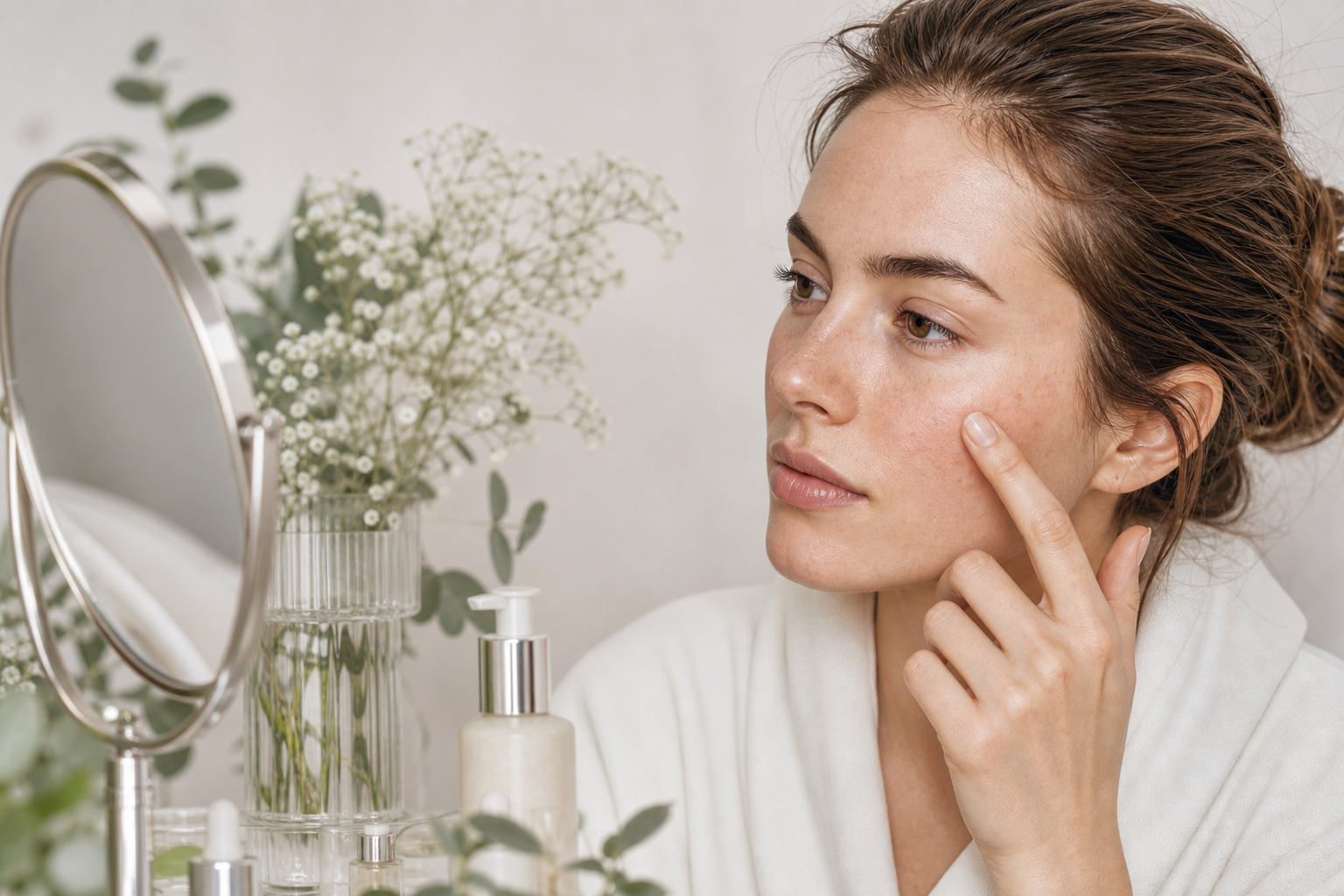
Blackheads, medically recognized as open comedones, represent a common skincare concern that affects individuals across various ages and skin types, especially those with oilier complexions. These small, dark spots on the skin surface often appear prominently on the nose, forehead, chin, and sometimes even on the back. They occur when pores become clogged with sebum—an oily substance produced by the sebaceous glands—and dead skin cells. Upon exposure to air, these clogged materials undergo a process called oxidation, giving blackheads their characteristic dark appearance.
Understanding the formation of blackheads is essential not only for those encountering them for the first time but also for anyone seeking to manage or prevent their recurrence effectively. This knowledge empowers individuals to adopt informed skincare routines and recognize when professional intervention might be necessary to maintain healthy skin. Blackheads, while primarily a cosmetic issue, can sometimes serve as precursors to more serious inflammatory conditions such as acne vulgaris. Therefore, comprehending the causes and care of blackheads holds practical importance for preserving skin health and aesthetic appeal.
This article is tailored for readers who wish to delve deeply into the mechanisms behind blackhead formation, identify contributing factors, and explore effective care strategies. Whether you are a teenager navigating the upheavals of puberty, an adult facing persistent skin issues, or a skincare enthusiast looking to expand your expertise, this comprehensive overview offers clear, evidence-based insights gathered from dermatological practices and scientific understanding.
What Exactly Are Blackheads and How Do They Form?
Blackheads form when pores on the skin's surface become obstructed by a mixture of excess sebum and dead keratinized skin cells. Unlike whiteheads, which are closed beneath the skin surface, blackheads have pores that remain open. This exposure allows the trapped sebum and skin debris to oxidize, darkening the material and resulting in visible black spots.
These lesions predominantly affect areas rich in sebaceous glands, which secrete sebum to lubricate and protect the skin. Common locations include the T-zone of the face — notably the nose, forehead, and chin — where sebaceous activity tends to be highest. The accumulation of sebum combined with retained epithelial cells narrows or blocks pores, creating an ideal environment for blackhead development.
From a physiological standpoint, the process begins with the overproduction of sebum, often stimulated by hormonal fluctuations such as those experienced during puberty. When the skin's natural exfoliation process is insufficient, dead skin cells adhere to the walls of the pore alongside sebum, gradually clogging it. The open surface allows oxidation of the melanin pigment within the trapped material, causing the characteristic dark coloration of blackheads.
Who Is Most Susceptible to Blackhead Formation?
While blackheads can affect anyone, certain populations exhibit heightened vulnerability. Adolescents are particularly prone due to surges in androgen hormones that increase sebaceous gland activity during puberty. Similarly, individuals with naturally oily or combination skin types often experience higher sebum production, fostering a favorable environment for blackheads.
Additionally, genetic predispositions play a significant role in determining skin characteristics and the likelihood of developing clogged pores. Environmental factors such as pollution, improper skincare practices, and the use of comedogenic cosmetic products can exacerbate blackhead formation. Stress and dietary habits may also influence sebaceous activity indirectly, further complicating the etiological picture.
It's crucial to understand that blackheads are not necessarily the result of poor personal hygiene but rather a multifaceted condition influenced by internal and external variables. This distinction helps in adopting appropriate treatment and prevention strategies without unnecessary stigmatization.
What Are the Main Factors Contributing to Blackhead Development?
Several interrelated factors drive the formation of blackheads. Primarily, an increase in sebum production creates excess oil that can mix with dead skin cells. Hormonal fluctuations, particularly involving androgens, upregulate sebaceous gland activity, often during adolescence but also at other life stages such as pregnancy or hormonal therapy.
Moreover, insufficient or improper exfoliation can cause dead skin cells to accumulate within pores, impeding their normal clearance and fostering blockages. The use of heavy or oily skincare products and cosmetics with comedogenic ingredients likewise contributes to pore obstruction. Environmental pollutants can exacerbate pore blockage by binding to sebum and skin debris.
Further, lifestyle factors such as diet rich in refined carbohydrates and dairy products have been discussed as potential modulators of sebum secretion and skin inflammation, although findings vary. Stress and inadequate sleep may influence hormonal balance and immune function, potentially affecting skin health indirectly. Understanding these factors facilitates a holistic approach to managing blackheads effectively.
How Can Blackheads Be Effectively Recognized and Distinguished from Other Acne Lesions?
Recognizing blackheads involves identifying small, darkened spots visible on the surface of the skin, primarily in sebaceous gland-rich areas. Unlike whiteheads, which appear as small flesh-colored or white bumps due to closed pores, blackheads are open comedones with oxidized material at the surface. They typically do not exhibit signs of inflammation such as redness or swelling.
It's important to differentiate blackheads from inflammatory acne lesions like papules or pustules. Whereas blackheads are non-inflammatory, papules and pustules indicate an immune response with redness, tenderness, and sometimes pus formation. This distinction guides treatment choices, as anti-inflammatory therapies may be required for inflamed lesions but are unnecessary for isolated blackheads.
Proper identification discourages harmful practices such as aggressive squeezing or picking, which can introduce bacteria and exacerbate inflammation, potentially resulting in scarring. Dermatological evaluation can help clarify ambiguous cases and inform targeted interventions.
What Role Does Daily Skincare Play in the Prevention and Management of Blackheads?
Establishing an effective skincare regimen is foundational for controlling blackheads. Daily cleansing with gentle, pH-balanced products removes excess oil and superficial debris without stripping the skin barrier, which could paradoxically increase sebum production. Regular exfoliation helps shed dead skin cells to prevent pore blockage; however, mechanical exfoliation should be mild to avoid irritation.
Incorporation of chemical exfoliants such as salicylic acid, a beta-hydroxy acid known for its lipid solubility, allows penetration into pores to dissolve keratinous plugs and reduce blackheads. Other ingredients like glycolic acid or topical retinoids assist in normalizing keratinocyte turnover and preventing comedone formation. These agents may cause initial dryness or sensitivity, thus require gradual introduction and sunscreen use.
Avoiding thick, occlusive cosmetics and ensuring complete removal of makeup supports pore hygiene. Additionally, maintaining skin hydration with non-comedogenic moisturizers preserves the skin’s natural defense mechanisms. Overall, consistent and tailored home care constitutes the first line of defense against blackheads and broader acne manifestations.
When Should Professional Facial Treatments Be Considered for Blackhead Removal?
For individuals experiencing persistent or extensive blackheads unresponsive to home care, professional facial treatments provide a valuable option. Dermatologically supervised deep cleansing facials use specialized techniques to safely extract comedones and cleanse pores more thoroughly than routine cleansing can achieve.
These procedures may involve steam, gentle extractions, exfoliating chemical peels, and the application of appropriate serums to enhance skin clarity and texture. Importantly, treatment by trained professionals minimizes the risk of skin damage and infection associated with improper at-home extraction methods.
Nevertheless, selection of treatment modalities should consider individual skin type, severity of comedonal lesions, and co-existing conditions. Consulting with skincare experts ensures that facials complement rather than complicate ongoing skin management strategies.
What Is the Dermatologist’s Role in Treating Complex or Refractory Blackheads?
When blackheads are part of more severe or treatment-resistant acne, dermatological intervention becomes crucial. Dermatologists can prescribe topical retinoids, benzoyl peroxide, antibiotics, or hormonal therapies tailored to the patient’s specific needs. These treatments work at systemic or cellular levels to modulate sebum production, bacterial colonization, and inflammatory responses.
In some cases, procedural interventions such as laser therapy, photodynamic treatment, or chemical peels may be recommended to improve both comedonal and inflammatory lesions. Ongoing follow-up allows for monitoring efficacy and adjusting treatment plans accordingly.
Importantly, professional guidance helps set realistic expectations, as noticeable improvements in skin texture and blemishes typically require several weeks to months of consistent therapy. This medical oversight also aids in minimizing adverse effects that can arise from unsupervised use of potent agents.
Common Questions About Blackhead Formation and Care
Do blackheads result solely from dirt accumulation on the skin? While hygiene influences skin health, blackheads primarily arise from physiological processes involving sebum and keratinocyte accumulation. Dirt alone is not the cause, emphasizing the need for targeted skincare rather than excessive cleansing.
Is it safe to manually extract blackheads at home? Manual extraction carries risks such as skin trauma, scarring, and infection if performed improperly. Professional extraction by trained specialists or use of safe at-home exfoliants is generally recommended.
Can blackheads reoccur after treatment? Yes, blackheads can recur if underlying contributing factors persist. Maintaining consistent skincare routines and addressing hormonal or lifestyle influences helps minimize recurrence.
Are there specific products to prevent blackheads? Non-comedogenic products containing salicylic acid, retinoids, or alpha hydroxy acids are commonly employed to prevent and reduce blackhead formation. Dermatological consultation helps select suitable agents.


