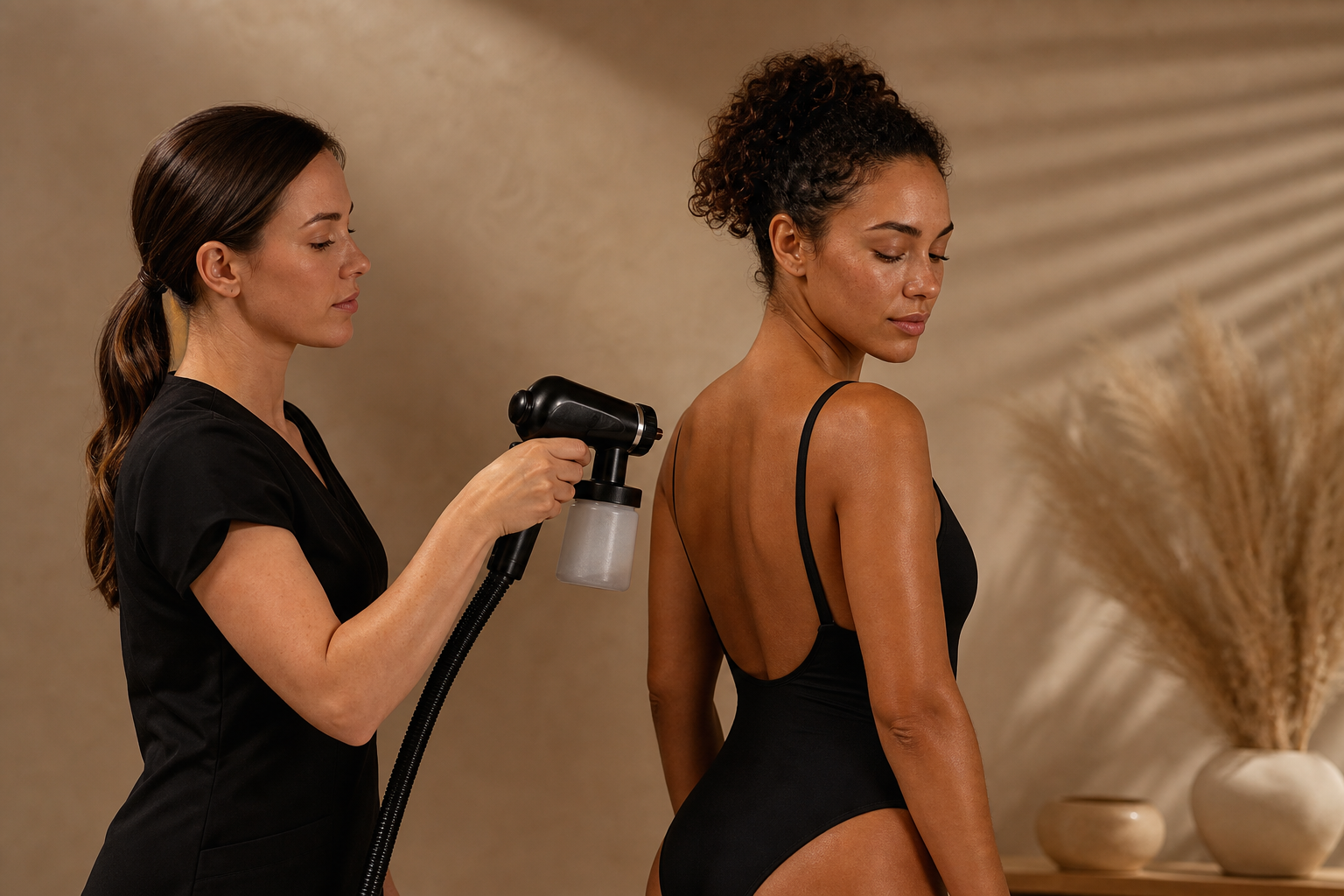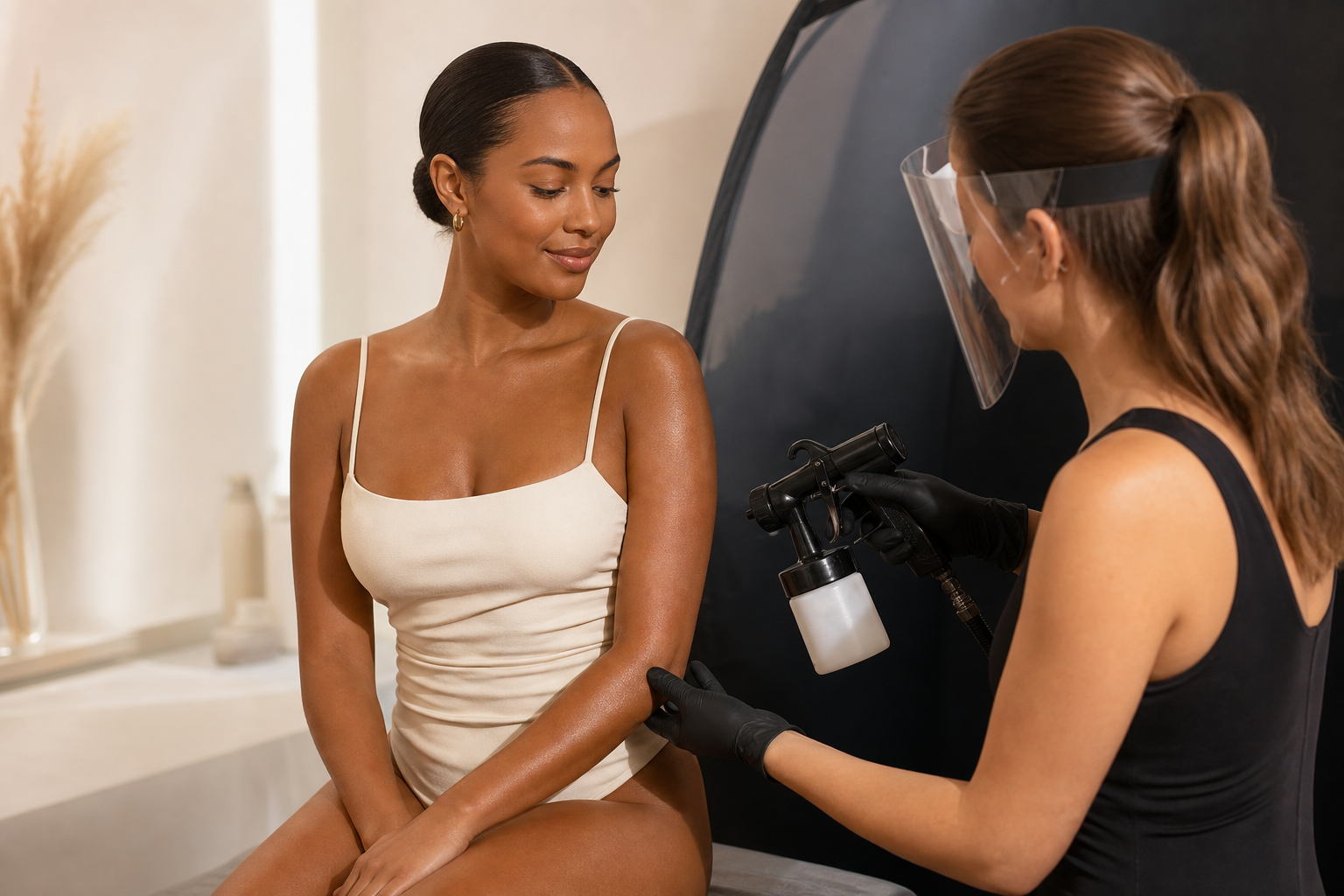
Spray tanning has become an increasingly popular method for achieving a bronzed complexion without exposure to harmful ultraviolet (UV) rays. This cosmetic procedure involves the application of a fine mist containing dihydroxyacetone (DHA), which reacts with the amino acids in the outermost layer of the skin to produce a temporary skin-darkening effect. Unlike traditional sunbathing or tanning beds, spray tanning offers a safer alternative by avoiding UV-induced skin damage and the associated risks such as premature aging or skin cancer.
However, the efficacy and safety of spray tanning are closely linked to skin type and condition. Individuals with varying skin characteristics — dry, oily, or sensitive — or specific dermatological conditions such as acne, eczema, psoriasis, vitiligo, scars, and stretch marks might experience different outcomes and require tailored approaches. Understanding how these skin types and conditions interact with the spray tanning process is crucial for obtaining a natural and even tan while minimizing adverse reactions.
This comprehensive editorial is aimed at individuals considering spray tanning, skincare professionals, and enthusiasts seeking to deepen their knowledge about adapting spray tanning techniques to diverse skin types and conditions. By exploring the nuances of each skin category and highlighting scenarios that demand dermatological consultation, this article intends to guide readers toward informed and safe tanning choices that respect their unique skin needs.
What is Spray Tanning and How Does It Affect Different Skin Types?
Spray tanning uses a mist containing DHA, a sugar derived from plants, which interacts chemically with the skin's stratum corneum proteins to produce a melanoidin pigment. This creates the visual appearance of a tan without UV exposure. While the fundamental process remains consistent, the interaction between DHA and skin can vary greatly based on skin physiology.
Dry skin, with its flaky and rough texture, presents challenges in achieving even coverage; patches of dryness can lead to uneven pigment absorption, causing blotchy or streaky results. Conversely, oily skin tends to produce excess sebum, which can interfere with the adherence of the solution, resulting in fading or patchiness. Sensitive skin is prone to irritation, redness, or allergic reactions, requiring careful selection of hypoallergenic formulations.
Moreover, specific skin conditions introduce additional complexity. Acne-prone skin might react adversely to certain ingredients or application methods, potentially worsening lesions. Skin affected by eczema or psoriasis may have inflamed, compromised barriers that necessitate postponement or modification of tanning treatments to avoid exacerbation. Vitiligo's depigmented patches offer camouflage challenges, and scars or stretch marks, due to texture differences, may absorb DHA variably, affecting the uniformity of the tan.
How Should Spray Tanning Be Adapted for Dry Skin?
Dry skin lacks sufficient moisture and often exhibits flaky or uneven surfaces, which can compromise the spray tan outcome. Since DHA binds to the dead skin cells, excessive flakiness causes the tan to develop unevenly with potential fading or patchiness as dry scales shed prematurely.
To optimize spray tanning for dry skin, pre-treatment preparation is paramount. A gentle exfoliation regimen removes dead skin cells without causing irritation, smoothing the skin's surface for better product adherence. Hydration is critical — using emollient-rich moisturizers before and after tanning helps maintain even color and prolongs the tan's lifespan.
Aftercare advice includes avoiding hot baths, harsh soaps, and aggressive exfoliation to prevent skin dehydration and untimely fading. Opting for a specialized spray tan solution formulated for dry skin, which often contains moisturizing agents, can enhance results and skin comfort.
What Are the Considerations for Spray Tanning on Oily Skin?
Oily skin produces excess sebum, giving it a shiny appearance and a tendency toward clogged pores or acne breakouts. Sebum's presence on the skin can create a barrier, preventing spray tan solutions from binding effectively. This can result in patchiness, accelerated fading, and sometimes uneven tones.
To address these issues, individuals with oily skin should cleanse thoroughly but gently prior to tanning to reduce surface oils. Some may benefit from using oil-control or mattifying products in consultation with skincare professionals. Spray tan formulations designed to be lightweight and non-comedogenic are recommended.
Advising clients to avoid heavy creams or oily body products before treatment helps improve adhesion. Additionally, regular cleansing without over-stripping the skin encourages better maintenance of an even tan.
Handling Spray Tanning for Sensitive Skin: What to Know?
Sensitive skin is vulnerable to irritants and allergens, often resulting in redness, itching, or swelling. Spray tanning products may contain fragrances, preservatives, and other components that can provoke reactions.
Individuals with sensitive skin should first perform patch tests on small areas to detect any adverse responses before committing to full-body treatments. Choosing hypoallergenic, fragrance-free formulations minimizes risks. Consulting with dermatologists prior to tanning can help identify safe options aligned with their skin sensitivities.
Preparation routines that soothe and calm the skin before application are beneficial. Post-treatment, moisturizing with gentle, protective products supports skin barrier health.
Is Spray Tanning Appropriate for Acne-Prone Skin?
Acne involves inflammation and lesions that can appear more conspicuous with certain topical applications. While DHA itself does not penetrate deeply enough to worsen acne, improper application methods or unsuitable products might aggravate symptoms.
It is advisable to avoid spray tanning during active, severe acne flare-ups or when lesions are open and inflamed to prevent further irritation or potential infection. For milder cases, selecting non-comedogenic, fragrance-free spray tan solutions is preferable.
Maintaining a consistent acne treatment routine alongside tanning and post-care cleansing is critical to minimize adverse effects. Some spray tanning formulas are specially designed to accommodate acne-prone or sensitive skin.
When Should Individuals with Eczema Seek Dermatology Advice Before Spray Tanning?
Eczema is characterized by chronically inflamed, itchy, and often compromised skin barriers that can react negatively to foreign substances. Applying spray tan solutions on eczema-affected areas, especially during active flare-ups, may intensify irritation or discomfort.
Consulting a dermatologist prior to spray tanning is essential for those diagnosed with eczema. Professionals can assess skin status, recommend timing when the disease is in remission, and suggest appropriate product types or application methods.
Avoidance of affected areas during active eczema or using mild, specially formulated tanning products reduces risks. Maintaining hydration and barrier repair treatments post-tanning is equally important.
What Are the Limitations of Spray Tanning for Psoriasis?
Psoriasis causes distinct plaques with scaling and thickened skin, which react differently to spray tanning compared to healthy skin. The DHA pigment may bind unevenly to psoriatic scales, enhancing their appearance or creating patchy color variations.
Those with psoriasis should approach spray tanning cautiously, avoiding direct application on active lesions. Pre-treatment with moisturizers and post-treatment skin care aimed at reducing scaling can improve outcomes.
Consultation with a healthcare specialist is recommended to tailor spray tan protocols and decide when to proceed safely.
Can Spray Tanning Provide Camouflage for Vitiligo?
Vitiligo is characterized by loss of pigment in localized skin areas, resulting in strikingly white patches. Spray tanning offers a cosmetic approach to partially even out skin tone by depositing pigment on depigmented locations.
However, the coverage is typically incomplete, as the difference in texture and the natural contrast can remain noticeable. Additionally, individuals with vitiligo should test for irritation, as areas affected may be more sensitive.
Professional advice is crucial to establish realistic expectations and determine whether spray tanning serves as a worthwhile camouflage strategy for each individual.
How Effective is Spray Tanning on Scars and Stretch Marks?
Scars and stretch marks possess different pigmentation and skin textures than surrounding tissues, which can affect the uniformity of spray tan coloring. While spray tanning may help reduce the color contrast, it often does not completely mask the textural irregularities.
Clients should maintain realistic expectations and consider complementary skincare or dermatological treatments to address the underlying skin structures alongside spray tanning.
Careful application and post-treatment moisturization can improve the appearance of scars and stretch marks but cannot fully erase them.
When Is It Necessary to Postpone Spray Tanning or Seek Dermatological Consultation?
Postponing spray tanning is advisable when the skin exhibits active inflammation, open wounds, infections, or significant dermatologic conditions that are uncontrolled or in flare. Attempting to spray tan in such circumstances may exacerbate problems or hinder healing.
Seeking professional dermatological guidance ensures personalized recommendations, safe treatment timing, and product selections that protect skin health while accommodating cosmetic desires.
Additionally, any unusual skin reactions post-application such as persistent redness, irritation, or discomfort merit prompt medical assessment.
Why Spray Tan Does Not Replace Sun Protection and How to Maintain Skin Health Post-Treatment
It is imperative to emphasize that spray tanning offers no protection against UV radiation. DHA-induced pigment sits superficially and does not absorb UV rays. Therefore, sunscreen with SPF 30 or higher must be used diligently whenever sun exposure occurs to prevent skin damage.
Post-treatment skin care focusing on hydration, gentle cleansing, and avoiding exfoliation supports the longevity and appearance of the tan while maintaining skin barrier integrity.
Educating clients about safe sun habits and the cosmetic nature of spray tanning fosters responsible skincare and aesthetic satisfaction.