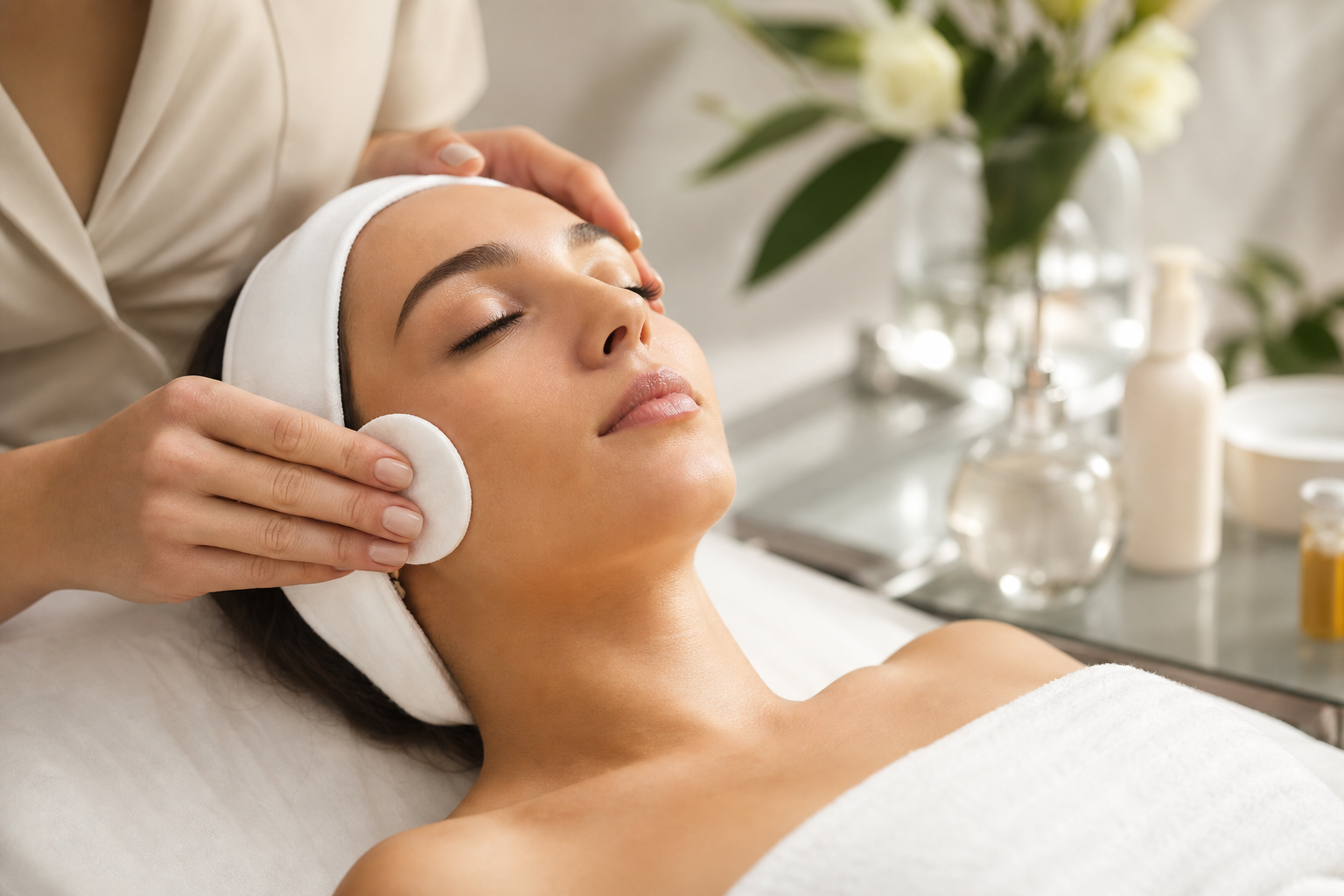
Preparing your skin for deep cleansing is a critical step that influences not only the effectiveness of the treatment but also your skin's safety and recovery. Deep cleansing facials are designed to remove impurities, excess oil, dead skin cells, and blackheads, resulting in clearer, healthier-looking skin. However, to truly maximize the benefits and minimize any potential side effects, the skin must be properly primed beforehand.
This article is tailored for individuals planning to undergo a deep cleansing facial—whether it is your first session or one of many—and who seek to understand the essential preparation steps. It focuses on practical advice rooted in the expertise of cosmetologists and dermatologists, emphasizing the importance of a personalized approach and attentive care.
Why does this preparation matter? Deep cleansing treatments involve exfoliation, extraction, and sometimes the application of active ingredients that can stress unprepared skin. Preparing the skin minimizes risks such as irritation, prolonged redness, or damage to the skin barrier. Moreover, adequate preparation can help you achieve longer-lasting results and a safer recovery process.
What Does Proper Skin Preparation for Deep Cleansing Entail?
Proper preparation before a deep cleansing facial involves a series of intentional steps aimed at optimizing your skin’s condition. First and foremost, cleansing the skin to eliminate surface impurities such as makeup, environmental pollutants, and excess sebum is vital. This step ensures that the deep cleansing process can target clogged pores more effectively without interference from superficial debris.
Another crucial aspect is pausing the use of potentially irritating skincare products, particularly those containing retinol (vitamin A derivatives) and exfoliating acids like alpha hydroxy acids (AHA), beta hydroxy acids (BHA), and polyhydroxy acids (PHA). These compounds, while beneficial in everyday skincare, can increase skin sensitivity and the likelihood of irritation during deep cleansing treatments if not discontinued appropriately.
Avoiding intense sun exposure, waxing, or chemical peels immediately before the treatment is also advised, as these can make your skin more vulnerable. Instead, focus on maintaining hydration and strengthening the skin barrier with soothing and moisturizing products.
How Should Preparation Vary According to Skin Type and Condition?
Recognizing the individuality of your skin is fundamental when preparing for deep cleansing. For oily and acne-prone skin, pre-treatment routines often include gentle cleansing and sebum control to reduce pore congestion prior to the facial. However, aggressive scrubbing or overuse of drying products can backfire, leading to overproduction of oil or irritation.
If you have dry or sensitive skin, the emphasis should be placed on hydration and barrier support. This might involve incorporating moisturizers with ceramides, hyaluronic acid, or other calming ingredients to ensure the skin remains resilient and less prone to the redness or dryness that can follow deep cleansing.
Those with active skin conditions such as eczema, rosacea, or open wounds should consult a dermatologist before undergoing any intensive cleansing procedures. In many cases, it is recommended to delay deep cleansing until the skin's condition stabilizes to prevent exacerbation of symptoms.
Recommended Skincare Products for At-Home Preparation
Effective home skincare leading up to your deep cleansing appointment requires a delicate balance. Opt for mild cleansers—such as cream-based or gentle gel cleansers—that perform thorough cleansing without stripping the skin’s natural oils. Avoid harsh soaps or abrasive scrubs.
In addition to cleansing, a gentle, alcohol-free toner can help maintain the skin’s optimal pH and prepare it to receive subsequent treatments. Moisturizers rich in hydrating and barrier-repairing ingredients like ceramides, glycerin, or natural oils are crucial. These help maintain skin suppleness and resilience.
Days before the procedure, it is wise to avoid any products with aggressive exfoliants or retinoids. These can make your skin more reactive to the mechanical and chemical processes involved in deep cleansing. Consistency with a simple and soothing routine will best prepare your skin.
How and When to Discontinue Retinol and Acid-Based Products Before Deep Cleansing
Retinol and acid-based products possess exfoliating and cell turnover acceleration properties that can increase phototoxicity and skin sensitivity. For this reason, their use should be paused well in advance of your deep cleansing facial.
Experts typically advise discontinuing these active ingredients approximately five to seven days before the treatment. This period allows the skin to regain its natural equilibrium and tolerance. However, individual skin responses differ, and those with particularly sensitive or reactive skin may need to halt their use even earlier or tailor the cessation period under professional guidance.
Post-treatment, returning to retinol and acids should be done gradually and only after complete skin recovery, which might take from several days up to two weeks depending on the treatment depth and personal skin reactivity.
Professional Preparatory Procedures Enhancing Deep Cleansing Efficacy
In addition to at-home care, professional preparatory steps may be recommended to optimize skin readiness. These can include gentle makeup removal, light exfoliation, or steaming, all performed by experienced estheticians.
Customized skin assessments are a cornerstone of this phase, allowing professionals to tailor the treatment to your individual needs, adjust product choices, and address potential contraindications. Dermatologists might suggest pre-treatment regimens involving specific medicated skincare for certain skin conditions to enhance safety and outcomes.
Professional preparation ensures that the skin is in the best possible state for deep cleansing, mitigating risks and enhancing overall results.
Realistic Expectations and Limitations in Skin Preparation for Deep Cleansing
While diligent skin preparation significantly contributes to successful deep cleansing outcomes, it is important to maintain realistic expectations. Deep cleansing facials can improve skin clarity, texture, and brightness, but they are not substitutes for treatments targeting severe acne, scarring, or chronic dermatological issues.
Moreover, individual factors such as genetic predisposition, hormonal fluctuations, age, and lifestyle will influence results. Skin reactions also vary widely; some may experience temporary redness or peeling as part of the natural recovery process.
Consultation with skincare professionals can help clarify what deep cleansing can and cannot achieve based on your unique skin characteristics and concerns.
Home Preparation Versus Salon Preparation: Key Differences and Considerations
Preparing the skin at home primarily involves maintaining gentle cleansing and moisturizing routines while avoiding irritants. Using established and familiar skincare products reduces the chance of unexpected reactions in the days leading up to your appointment.
Conversely, salon preparation includes the application of professional-grade products, meticulous cleansing techniques, steaming, and extractions that are not advisable for at-home use due to the need for expertise and precision. These professional steps are designed to deepen pore cleansing, soften comedones, and boost the skin's responsiveness to the treatment.
The best results arise from a seamless blend of conscientious home care and expert salon preparation. Transparent communication with your esthetician about your at-home routine, sensitivities, and previous reactions is essential for an optimized, safe approach.
When Should You Avoid Deep Cleansing Treatments?
There are specific scenarios in which deep cleansing facials should be avoided to prevent complications. These include the presence of active skin infections, open wounds, eczema flare-ups, severe acne lesions, or chronic inflammatory conditions.
Furthermore, skin that has recently undergone aggressive treatments such as chemical peels, laser therapy, or intense sun exposure will be more susceptible to damage during deep cleansing and should be given time to recover.
If you notice unusual skin irritation, swelling, or if you have a history of allergic reactions to skincare treatments, seeking professional advice before scheduling a deep cleansing session is prudent.


