A tanned complexion has long been synonymous with health, vitality, and aesthetic appeal across various cultures. The warm, bronzed glow that a tan imparts often suggests an active, outdoors-oriented lifestyle and is widely perceived as attractive. However, historically, achieving this look has frequently involved exposure to ultraviolet (UV) radiation—either from natural sunlight or artificial sources like sunbeds—both of which carry significant health risks. In recent years, awareness about the dangers of UV exposure, notably the links to skin cancer and premature skin aging, has intensified the search for safe alternatives that allow individuals to enjoy the coveted tanned appearance without compromising their skin's health.
This guide is intended for anyone who desires the look of a tan but is concerned about the hazards associated with sunbeds or excessive sun exposure. It is particularly relevant for younger individuals, those with sensitive skin, people taking photosensitive medications, and parents seeking to protect their children—given that health authorities worldwide strongly discourage—and in many cases legally prohibit—sunbed use for individuals under the age of 18. Additionally, anyone mindful of maintaining long-term skin health will find valuable information here about the risks of ultraviolet radiation and modern methods to achieve a sun-kissed glow without the dangers of UV damage.
Understanding why sunbeds pose serious health concerns, including their classification by the International Agency for Research on Cancer (IARC) as a Group 1 carcinogen, is crucial. This signifies that the link between sunbed use and skin cancer is unequivocal, with no safe threshold for UV exposure from these devices. Equally important is becoming familiar with effective, UV-free tanning options—from self-tanning lotions and sprays to professional airbrush tans—that offer the aesthetic benefits of bronzed skin absent the peril of radiation-induced harm.
What Is a Tanned Look and Why Do People Seek It?
The term “tanned look” generally refers to the darker pigmentation of the skin resulting from increased melanin production in response to UV exposure. This pigmentation change acts as the body’s defense mechanism to shield deeper skin layers from UV damage, imparting a bronze or golden hue. Many individuals find this coloration visually appealing as it can evoke a sense of outdoor leisure, health, and vitality.
In addition to cultural and aesthetic reasons, some perceive a tan as a way to mask skin irregularities or imperfections, enhancing overall confidence. Despite its popularity, traditional tanning via sun or artificial UV sources can be detrimental, leading not only to skin damage and photoaging but also significantly increasing the risk of malignant melanoma and other skin cancers.
The desire to maintain healthy skin while enjoying a tanned appearance inspires the exploration of alternatives to UV tanning methods, emphasizing that one can appreciate the aesthetic without trading off their skin’s integrity.
Why Are Sunbeds Considered Hazardous?
Sunbeds emit ultraviolet radiation—primarily UVA and varying levels of UVB—that penetrates the skin much like natural sunlight. However, the intensity and spectrum of UV emitted by sunbeds often exceed that of typical midday sun, leading to a more concentrated dose of radiation in a shorter period. This intense UV exposure is directly linked to DNA changes in skin cells, which can trigger carcinogenesis, the process by which cancer develops.
Scientific consensus, such as evaluations by the IARC, places sunbed UV radiation in Group 1 of carcinogens, the highest classification indicating clear evidence of cancer-causing potential. This categorization reflects solid epidemiological data showing a heightened incidence of melanoma and non-melanoma skin cancers among sunbed users.
Beyond cancer risk, sunbed use is associated with premature skin aging attributable to collagen degradation, the appearance of wrinkles, and uneven pigmentation. Acute effects include burns and eye injuries, while over time, UV exposure can impair the skin’s immune defense mechanisms.
Given these risks, many health organizations worldwide urge avoidance of sunbed use and specifically recommend that those under 18 years of age refrain entirely, if not banned by law. Young skin is particularly vulnerable due to developmental considerations and longer post-exposure lifespan, during which damage can manifest clinically.
Is There a Safe Threshold for UV Exposure From Sunbeds?
One of the most significant insights from contemporary dermatological research is that no level of UV exposure from sunbeds can be definitively deemed safe. The risk of skin cell DNA damage and subsequent malignancy increases incrementally with any exposure, compounded by cumulative effects over time.
Attempts to advocate for “controlled” sunbed sessions lack robust scientific backing. The nature of UV-induced harm is cumulative and non-linear, and even minimal doses bear some risk. This understanding undermines the notion of safe or “moderate” sunbed use as a preventative practice.
Consequently, public health guidelines generally advise complete abstinence or as minimal exposure as possible strictly under professional supervision and with medical counsel. This cautionary position is particularly emphasized for those with known heightened sensitivity, such as fair-skinned individuals, young people, and those with preexisting skin conditions.
What Are Effective and Safe Alternatives to Sunbeds for Achieving a Tanned Look?
Recognizing the hazards of UV radiation, a variety of methods have emerged to provide the aesthetic benefits of a tan without compromising skin health. These UV-free approaches utilize topical agents that impart color through chemical interaction with the skin's surface, thereby avoiding DNA damage and other perils of UV exposure.
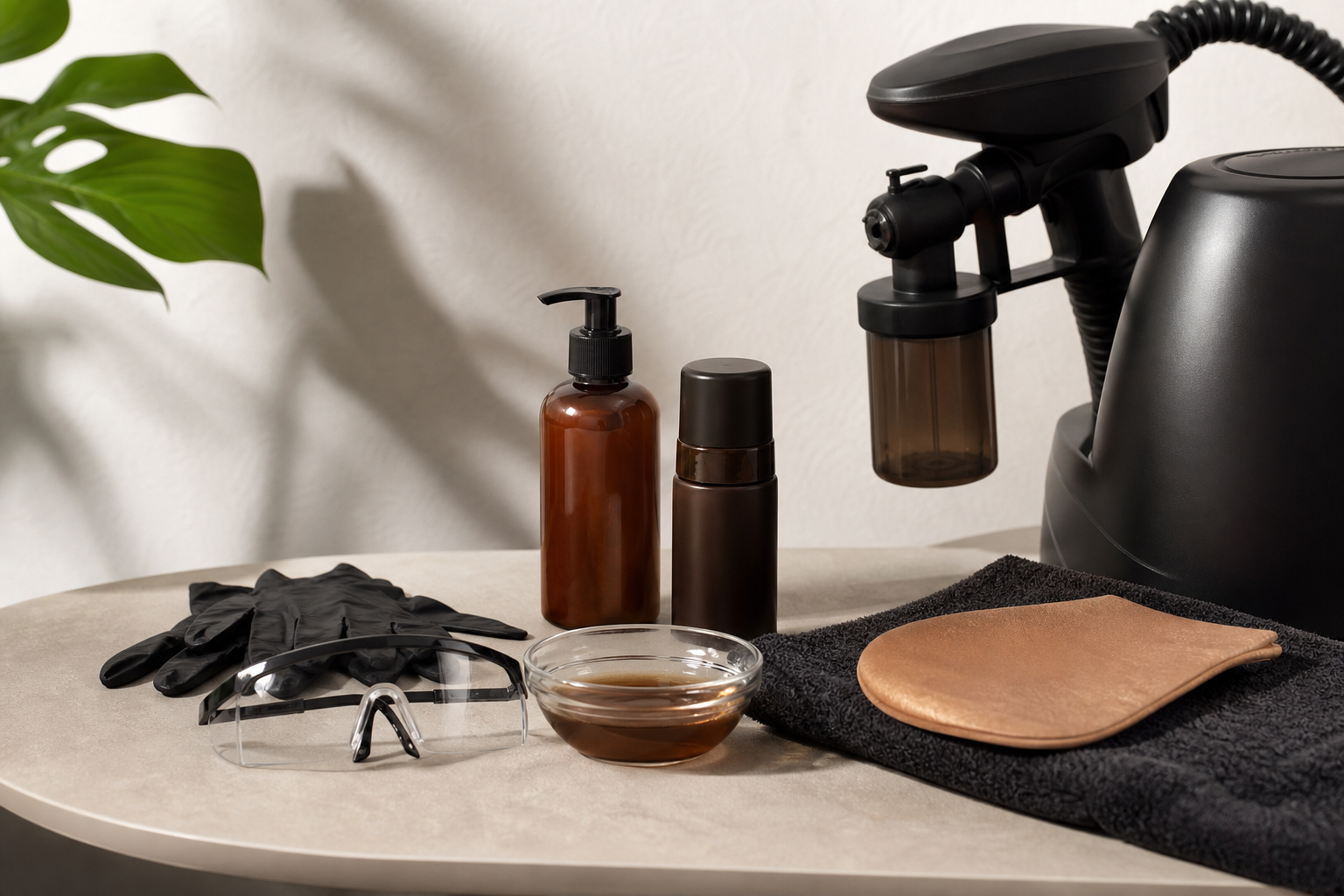
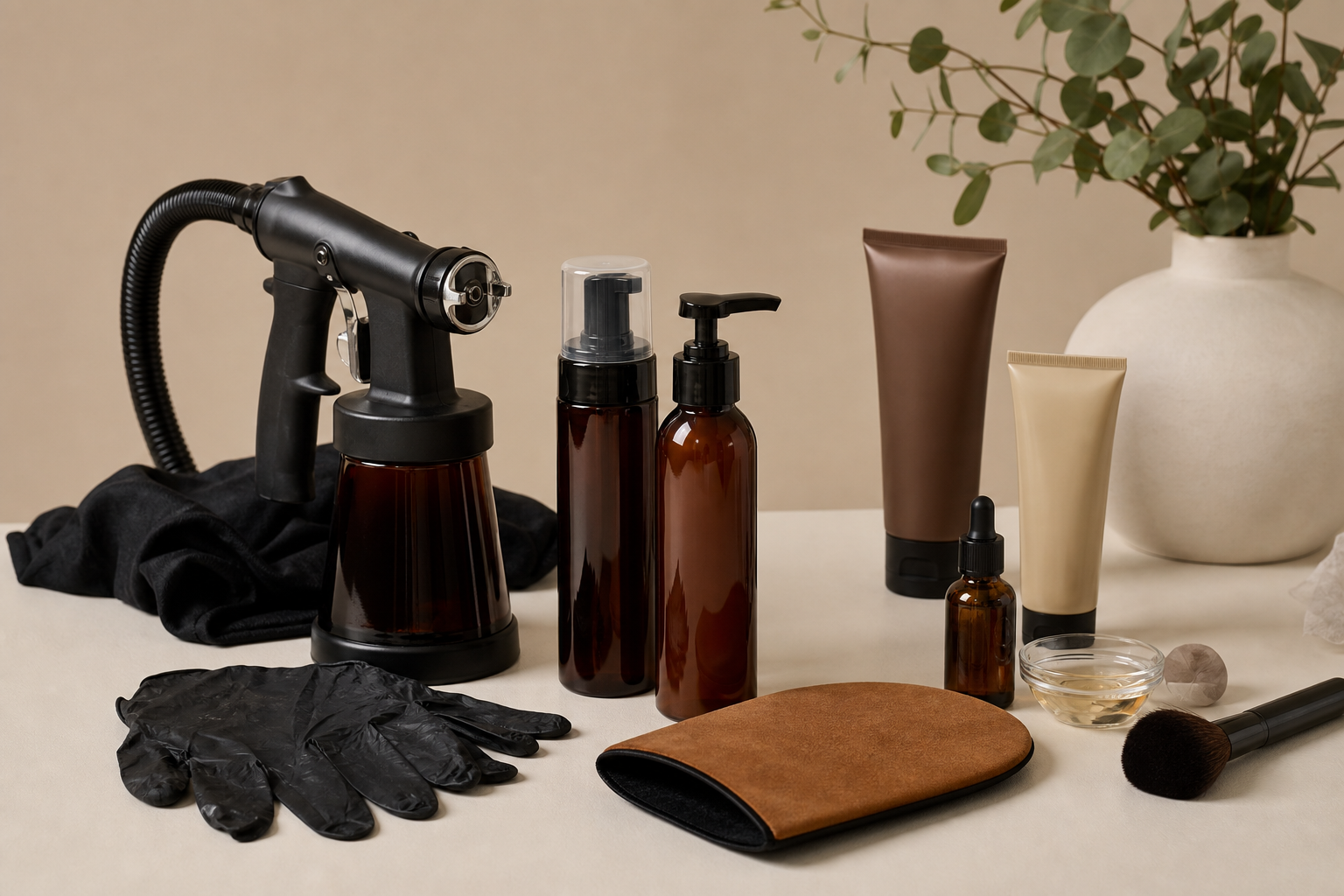
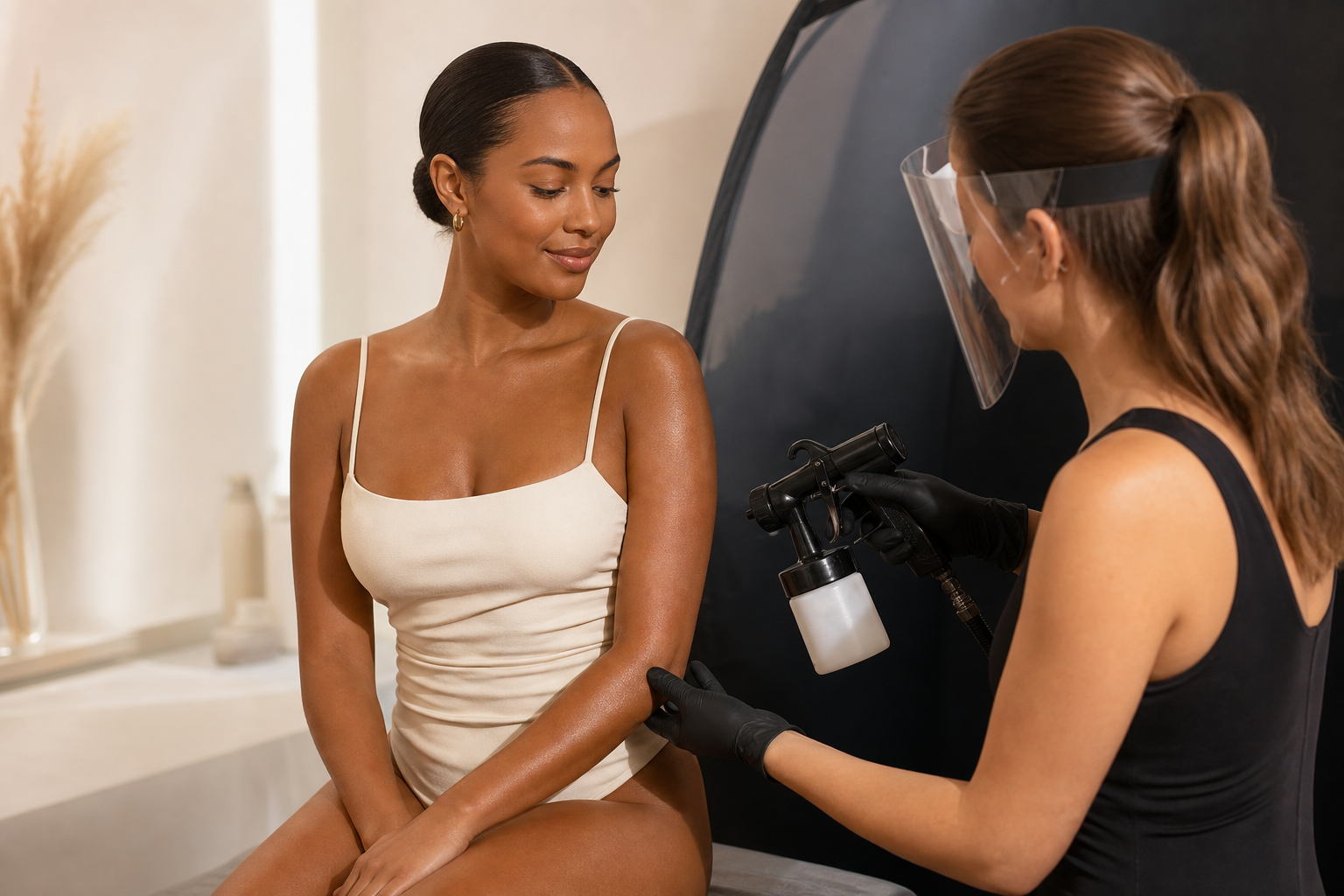
Spray Tanning has become one of the most popular alternatives, involving the application of a fine mist containing dihydroxyacetone (DHA), a colorless sugar that reacts with amino acids in the skin’s outer layer, producing a temporary bronze pigmentation. Professional spray tans, often administered via airbrush by skilled technicians, yield even, natural-looking color that can last several days to a week with proper care.
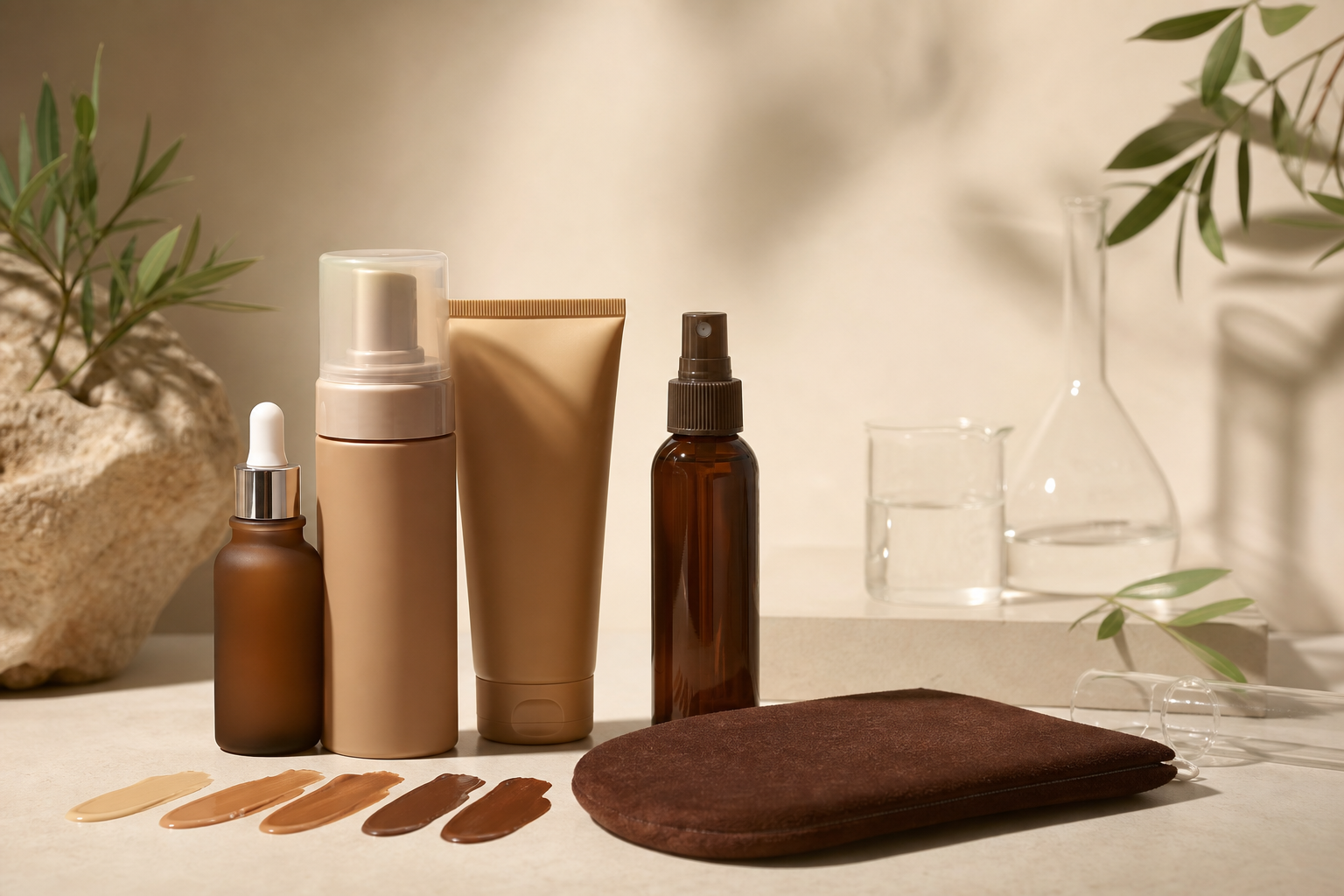
At-Home Self-Tanners in the form of foams, lotions, sprays, or drops provide an accessible way to gradually develop a tanned appearance. These products vary in texture and formulation but generally contain DHA as the active ingredient. Their effects develop over multiple applications and can be tailored for intensity and duration.
Gradual Tanning Products offer a subtler, slow-building color that develops with regular use. These are ideal for individuals who prefer a more understated change in complexion or wish to maintain a consistent glow over time without abrupt shifts in skin tone.
Instant Bronzers and Body Makeup involve pigments that adhere to the skin temporarily and wash off easily. These are perfect for short-term use, such as special occasions, providing immediate bronzing effects without permanence.
The selection among these options involves considerations such as ease of application, desired intensity, longevity, and skin type compatibility. Professional consultation is beneficial to optimize results and address any skin sensitivities or underlying conditions.
How Should One Properly Use UV-Free Tanning Products for Optimal Results?
Achieving a flawless, natural-looking tan without UV exposure requires attention to preparation, application, and maintenance:
Before application, exfoliating the skin gently removes dead cells and creates a smooth canvas, allowing for an even distribution of the tanning agent. Skin should be clean and dry, with no residual oils, deodorants, or moisturizers that could interfere with product absorption.
When applying self-tanners or spray tans, it is essential to avoid thick layers that can result in streaks or unnatural color in high-contact areas like elbows, knees, ankles, and wrists. Using gloves or specific applicators can help prevent unevenness on the hands and fingers.
Following application, delaying contact with water, sweat, or tight clothing helps the tanning reaction complete and extends the life of the tan. Hydration with fragrance-free, gentle moisturizers supports skin health and color retention.
Routine maintenance includes avoiding prolonged hot showers or baths and performing gentle exfoliation to allow the tan to fade evenly. Reapplication schedules vary depending on the product and desired effect but generally occur every few days to sustain color.
When Is It Advisable to Choose UV-Free Tanning Over Natural Sun or Sunbeds?
Opting for UV-free tanning methods is particularly prudent under several circumstances:
Individuals with fair skin, a history of skin cancer, or significant sun sensitivity should avoid all UV tanning to prevent adverse effects. Likewise, users of photosensitizing medications or those with certain medical conditions should consult healthcare providers before any UV exposure.
For adolescents and young adults under the age of 18, guidelines are unequivocal in recommending against sunbed use, owing to the high vulnerability and lifelong risk associated with early UV exposure.
Additionally, those who prefer to maintain youthful, healthy skin with minimal risk of premature aging or pigmentation disorders will benefit from UV-free alternatives. Such methods provide aesthetic satisfaction without compromising dermal integrity.
What Can One Expect When Transitioning from Sunbed Use to UV-Free Tanning?
Moving away from sunbeds to UV-free tanning products involves adjustments in expectations and routine. Although the depth and texture of bronzing via self-tanners differ from natural melanin tanning, modern formulations have improved dramatically, delivering natural and pleasant tones.
The tans from UV-free products are temporary, typically lasting up to a week, and necessitate regular upkeep, which some may find more convenient and less time-consuming than scheduled sunbed sessions.
The transition also brings peace of mind, eliminating the anxieties tied to UV-induced health risks and contributing to long-term skin preservation. Many users report satisfaction with the consistent and customizable results of alternate methods.
How Long Do Different UV-Free Tanning Methods Last and How Can Longevity Be Maximized?
The durability of UV-free tans depends on the specific technique and individual skin factors:
Professional spray tans delivered by technicians typically last between five and ten days. Their uniform application and quality products often provide more prolonged, even wear.
Self-applied lotions, foams, or sprays vary but generally persist up to a week, contingent on skin type, hydration levels, and care practices.
Gradual tanners build color over consecutive days and require consistent use to maintain the desired tone.
Instant bronzers and body makeup confer immediate but ephemeral coverage, typically washed away the same day.
Maintaining moisture balance in the skin, minimizing exfoliation, and avoiding harsh cleansers or chlorinated water can extend these tans' appearance. Additionally, sun exposure can degrade these cosmetic tans, so combining cautious sun habits with alternative tanning products is recommended.