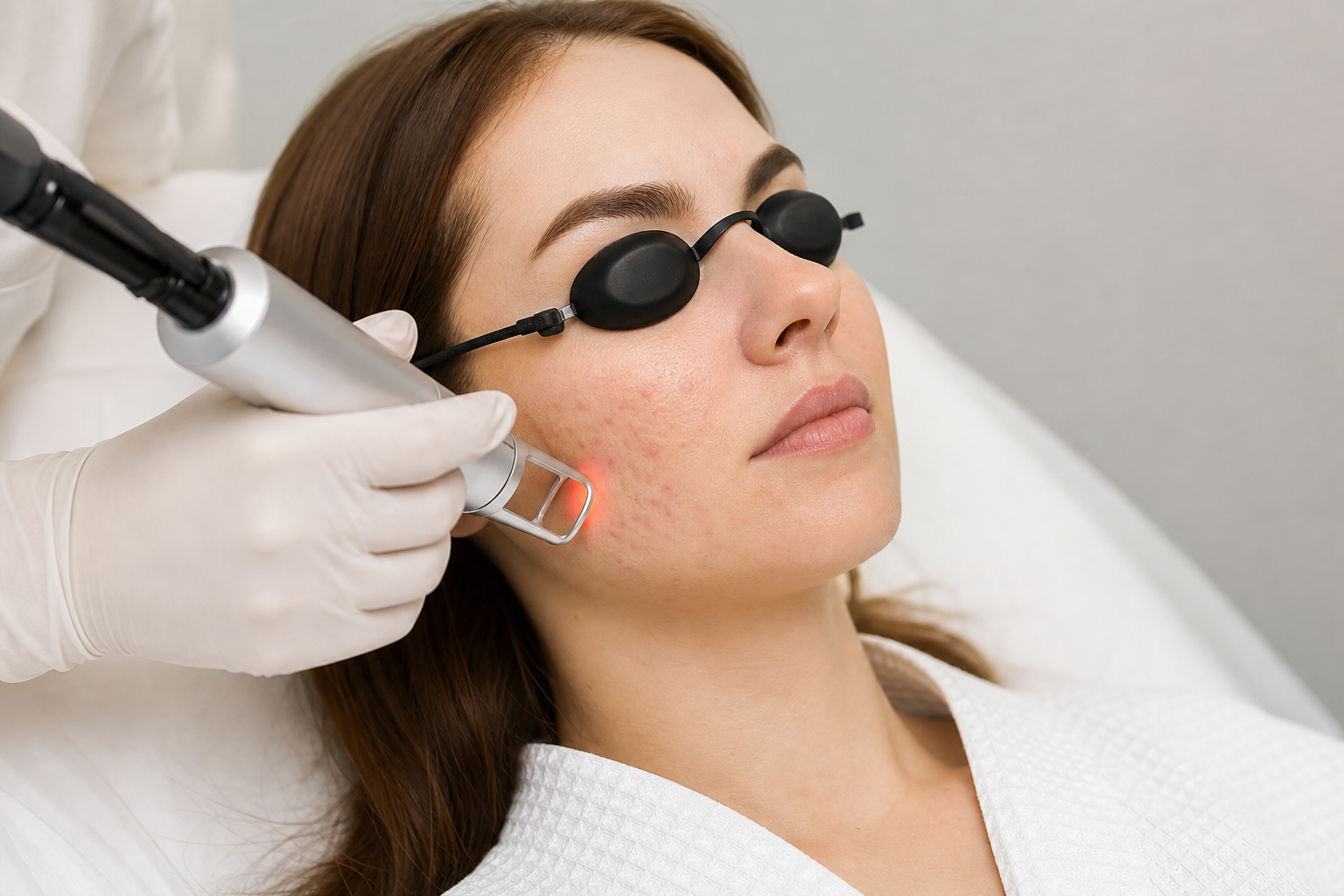
Acne represents one of the most pervasive dermatological challenges affecting millions worldwide, spanning adolescence into adulthood with profound aesthetic and psychological impacts. Among its various manifestations, active acne—characterized by inflamed, red papules, pustules, and at times deep cysts—poses a particularly stubborn treatment dilemma. Beyond mere cosmetic concern, active acne can significantly undermine an individual’s self-esteem and overall quality of life, prompting a continual quest for innovative and effective therapeutic approaches.
Among cutting-edge treatments gaining prominence is laser therapy, heralded for its potential to target the multifaceted aspects of acne pathology with precision and minimal invasiveness. This modality’s appeal extends into the realm of anti-aging facial care, offering a dual benefit of managing inflammatory lesions while promoting skin rejuvenation. For individuals grappling with persistent active acne, or those keen to incorporate modern, needle-free regimens into their skincare ritual, understanding the true capabilities of laser treatment is essential.
This detailed editorial explores whether laser therapy can truly cure active acne, delineating its indications, mechanisms of action, expected outcomes, safety profile, and when specialist consultation is paramount. By unpacking scientific insights alongside clinical experiences, this article aims to equip readers—patients and professionals alike—with a clear and nuanced perspective on integrating laser therapy into effective acne management.
What Constitutes Active Acne and Why Does It Resist Easy Treatment?
Active acne is an inflammatory skin condition arising primarily from complex disruptions in the pilosebaceous unit. It involves hyperactive sebaceous glands producing excess sebum, follicular hyperkeratinization leading to clogged pores, colonization by Cutibacterium acnes (formerly Propionibacterium acnes), and a pronounced inflammatory response. Lesions vary in severity, ranging from superficial red papules and pustules to painful, cystic nodules that may culminate in scarring.
The challenge in treating active acne stems from its multifactorial nature. Hormonal fluctuations, genetic predisposition, stress, environmental factors, and microbial activity converge to perpetuate lesion formation and inflammation. Conventional treatments—topical antimicrobials, retinoids, systemic antibiotics, and hormonal agents—often require prolonged courses and may carry unwanted side effects or limited efficacy in resistant cases.
Additionally, treatment must balance the reduction of active lesions with the preservation of skin barrier integrity and prevention of post-inflammatory sequelae. In this intricate therapeutic landscape, novel approaches like laser therapy have emerged as promising adjuncts, capable of addressing multiple pathogenic factors simultaneously.
How Does Laser Therapy Intervene in the Pathophysiology of Active Acne?
Laser therapy utilizes specific wavelengths of light to selectively target the key pathological contributors of acne. The approach modulates the skin environment by exerting antibacterial, anti-inflammatory, and sebostatic effects while stimulating beneficial skin remodeling processes.
One principal mechanism involves targeting Cutibacterium acnes bacteria that reside within follicles. Phototherapy, particularly with blue light around 415 nm, activates endogenous porphyrins produced by the bacteria, generating reactive oxygen species that eliminate these pathogens without damaging the surrounding skin. This targeted antimicrobial action reduces bacterial load and diminishes inflammatory triggers.
Complementing this, red light (approximately 630–640 nm) penetrates deeper, exerting anti-inflammatory properties that alleviate redness and swelling, and promotes reparative pathways by enhancing microcirculation and stimulating collagen production. When combined, blue and red light therapies achieve a synergistic effect, simultaneously eradicating bacteria and accelerating tissue healing.
Beyond LED phototherapy, more advanced laser modalities such as Intense Pulsed Light (IPL), non-ablative fractional lasers, and photodynamic therapy (PDT) introduce further therapeutic avenues. IPL employs broad-spectrum light to reduce redness, regulate sebaceous gland activity, and improve pigmentation irregularities. Non-ablative lasers penetrate dermal layers to remodel collagen and elastin fibers, helping to smooth skin texture post-acne. PDT combines photosensitizing agents with light exposure to deeply address inflammation and follicular occlusion, proving beneficial in severe or treatment-refractory acne.
Which Types of Lasers Are Commonly Employed to Treat Active Acne?
Several laser technologies have been adopted and optimized for active acne management, each offering unique therapeutic capabilities tailored to acne’s complex pathology.
1. Blue LED Light Therapy: This non-invasive approach targets the porphyrins within C. acnes bacteria. It typically requires multiple sessions and is often best suited for mild to moderate inflammatory acne.
2. Red LED Light Therapy: Primarily focused on reducing inflammation and stimulating healing processes, red light complements blue light protocols or serves as standalone treatment for rosacea-like inflammation.
3. Combined Blue and Red LED Therapy: By integrating both spectra, this method enhances eradication of bacterial colonization alongside rapid resolution of inflammation and skin repair.
4. Intense Pulsed Light (IPL): Though not a laser in the strictest sense, IPL emits broad-band visible light and is frequently utilized for its ability to target hemoglobin and melanin. IPL helps control excess sebum, reduce erythema, and improve pigmentation changes associated with acne.
5. Non-Ablative Lasers (e.g., 1450 nm diode lasers): These lasers deliver energy beneath the skin surface to modulate sebaceous glands, decrease oiliness, and promote dermal collagen synthesis without disrupting the epidermis.
6. Photodynamic Therapy (PDT): This involves topical application of a photosensitizing agent followed by light activation, leading to selective destruction of sebaceous gland cells and reduction in inflammation. PDT is generally reserved for more severe inflammatory and nodulocystic acne.
When Is Laser Therapy Recommended for Active Acne Management?
Laser treatments are particularly indicated in scenarios where traditional topical and systemic therapies have demonstrated inadequate results, or when patients seek alternatives to medications due to side effect profiles or contraindications. Suitable candidates often include those with moderate to severe inflammatory acne, individuals with scarring risk factors, or patients desiring an integrated approach addressing both acne lesions and early signs of photoaging.
Furthermore, lasers offer an appealing option for those prioritizing minimally invasive protocols that avoid oral antibiotics or retinoids. For adults experiencing persistent acne alongside wrinkles or skin laxity, laser interventions can align acne remediation with anti-aging objectives, enhancing overall skin quality.
However, it is critical to note that laser therapy is not universally appropriate for every acne type or patient. Non-inflammatory comedonal acne, certain skin phototypes, active infections, or individuals with photosensitivity disorders may require alternative or adjunctive treatments. A comprehensive skin assessment and personalized treatment planning by qualified dermatologists or medical aesthetic specialists ensure optimal outcomes and safety.
What Should Patients Expect During and After Laser Acne Treatments?
Laser acne therapy sessions are generally well-tolerated and brief, often lasting between 15 to 30 minutes. Patients may experience mild warming, tingling, or a sensation akin to mild sun exposure during treatment. These sensations typically resolve rapidly with little to no downtime.
Post-treatment effects vary depending on the modality used. LED therapies usually produce minimal immediate side effects, while treatments like IPL or PDT may cause short-lived redness, mild swelling, or desquamation, reflecting underlying tissue response and regeneration. Patients are advised to follow post-procedure care guidelines meticulously, including sun avoidance, moisturization, and use of gentle skin cleansers and sunscreens.
Visual improvements often manifest gradually over days to weeks. Inflammatory lesions commonly decrease in size and redness, with new lesion formation inhibited. Over multiple treatment sessions, skin texture enhances, and the risk or appearance of scarring diminishes.
Realistic expectations underscore the nature of laser therapy as part of a broader acne management strategy. Consistent follow-up and maintenance therapies may be necessary to sustain and optimize results.
What Are the Limitations and Potential Risks Associated with Laser Acne Therapy?
While laser treatments boast a favorable safety profile, certain limitations and risks must be acknowledged. Laser therapy does not guarantee total eradication of active acne nor immediate cessation of lesion formation. The variable response among individuals can assign a degree of unpredictability.
Possible adverse effects include transient erythema, edema, hyper- or hypopigmentation—especially in patients with darker skin tones—and, rarely, blistering or scarring due to improper application. Photosensitivity induced by laser energy can contraindicate therapy in patients taking certain medications or with specific skin conditions.
Therefore, thorough pre-treatment evaluation, careful patient selection, and adherence to standardized protocols are vital to minimize complications. Coordination with a trained dermatologist or medical aesthetician ensures treatment customization and safety.
How Does the Pre-Treatment Consultation and Preparation Proceed for Laser Acne Therapy?
An initial consultation involves a detailed medical and dermatological history review, assessment of acne severity, skin type, and prior treatments. Diagnostic tools or photographs may aid longitudinal tracking of outcomes. Discussion includes managing patient expectations, outlining benefits and risks, and determining appropriate laser selection.
Preparation guidelines often recommend cessation of photosensitizing products or medications, avoidance of excessive sun exposure, and refraining from other aggressive skin treatments prior to laser sessions. Post-treatment instructions encompass sun protection, gentle skin care regimens, and periodic follow-ups to monitor progress.
This structured approach culminates in an informed consent process reaffirming patient understanding of the treatment path.
What Dual Advantages Does Laser Therapy Offer Within an Anti-Aging Facial Care Regimen?
Beyond direct anti-acne effects, laser therapy integrates harmoniously into anti-aging facial protocols, providing skin remodeling and rejuvenation benefits. Many laser types enhance collagen and elastin synthesis, improving skin firmness, elasticity, and hydration. They also stimulate renewal of epidermal cells and smooth irregularities caused by acne scars or photoaging.
For adult patients encountering both inflammatory acne and nascent signs of aging, such as fine lines, uneven tone, or loss of volume, laser therapy presents a strategic opportunity. It reduces inflammation and bacterial burden while revitalizing skin structure, offering a comprehensive approach without invasive surgery or injectables.
Frequently Asked Questions Regarding Laser Therapy for Active Acne
Is laser treatment painful? Most patients report mild discomfort described as warmth or tingling during sessions. Topical anesthetics may be applied to alleviate sensitivity in more aggressive procedures.
How many sessions are necessary? Treatment courses generally require 4 to 6 sessions spaced weeks apart, adjusted to acne severity, skin response, and device type.
Can laser therapy be combined with other treatments? Yes, combining lasers with topical agents, chemical peels, or systemic medications under expert supervision often yields enhanced results.


