The quest for a sun-kissed glow without exposure to harmful ultraviolet (UV) rays has sparked the popularity of spray tans as a rapid, non-invasive solution to achieving an even, bronzed complexion. Spray tanning, renowned for its convenience and immediate aesthetic enhancement, involves the application of a self-tanning solution onto the skin, providing a temporary tan without sun exposure. While celebrated for its UV-free approach, a common concern surfaces among both new and seasoned users: can spray tan cause irritation or an allergic reaction? This question holds particular weight for individuals with sensitive skin, allergies to cosmetic ingredients, or prior adverse reactions to dermatological products.
This editorial seeks to address these concerns comprehensively by delving into the biological interactions between spray tan agents and the skin, evaluating the potential for irritation and allergic responses, and outlining practical guidance for safe usage. By targeting consumers intrigued by or skeptical of spray tanning, as well as skincare professionals and dermatologists, the discussion aims to clarify safety profiles and inform best practices. Understanding these nuances matters not only for personal well-being but also for preventing adverse dermatological outcomes and optimizing the benefits of spray tanning.
Given the rise in spray tan usage and the spectrum of skin sensitivities across populations, an informed approach to its application is essential. Beyond cosmetic appeal, knowledge about allergens, irritants, and proper protective steps can significantly reduce the incidence of negative reactions. Moreover, awareness that spray tans do not afford sun protection highlights the importance of comprehensive skincare routines including broad-spectrum SPF application.
What Is Spray Tan and How Does It Interact With The Skin?
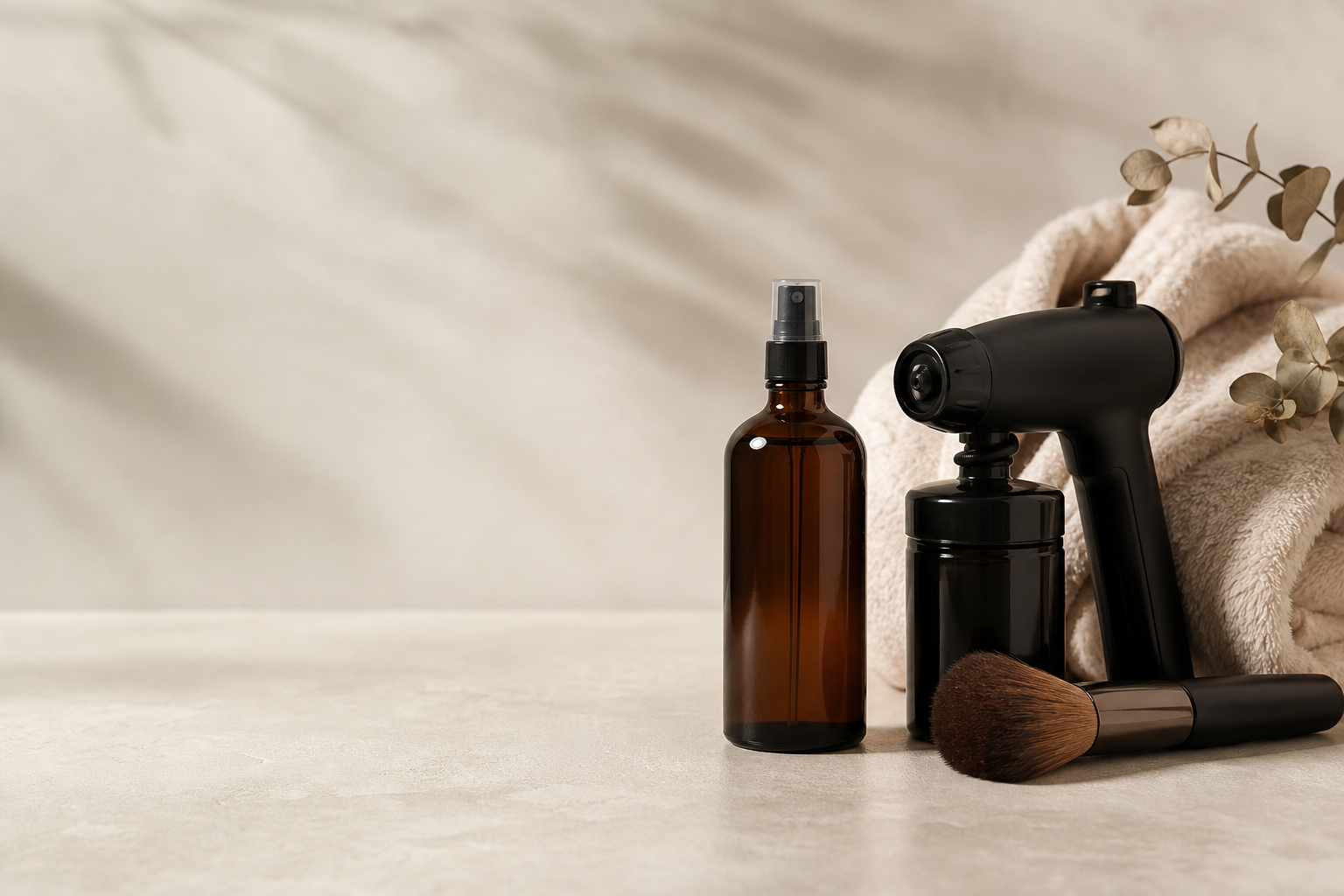
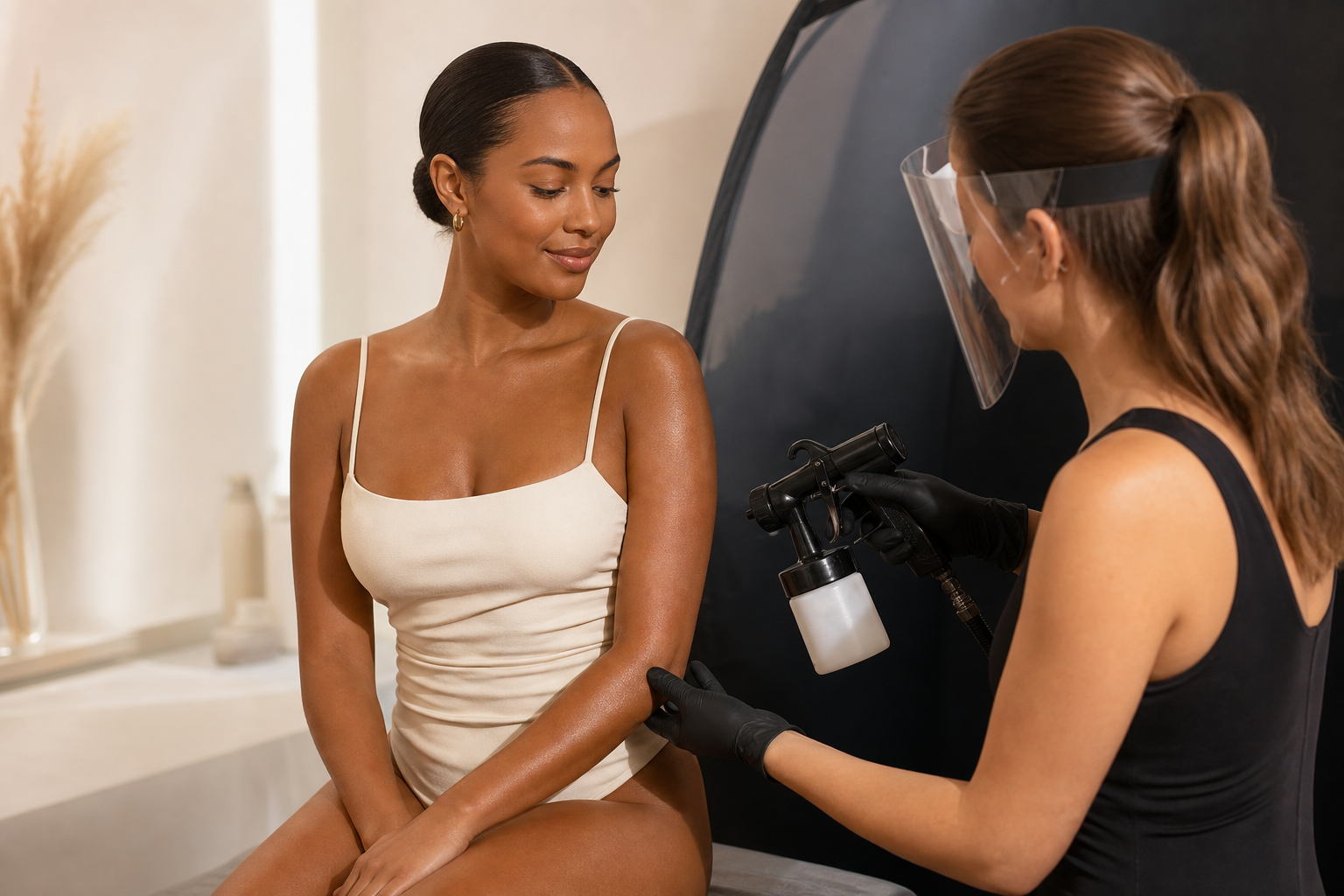
Spray tan is a method of applying a specially formulated self-tanning solution onto the skin to create an immediate bronze appearance that simulates a natural tan. Predominantly performed in salons but also viable at home with appropriate equipment, it offers an alternative to sunbathing or tanning beds, avoiding UV radiation risks linked to skin cancer and premature aging.
The core active ingredient in most spray tanning products is dihydroxyacetone (DHA), a carbohydrate that reacts chemically with the amino acids in the surface layer of the stratum corneum, the outermost layer of the skin. This non-enzymatic reaction, known as the Maillard reaction, results in the formation of brown-colored pigments called melanoidins, which darken the skin temporarily. This coloration typically develops over 4 to 8 hours post-application.
Importantly, this darkening effect is purely cosmetic and superficial; it does not impact melanin levels or confer any protective effect against UV radiation. The spray tan's effect naturally fades as the skin cells slough off, usually lasting about 5 to 10 days depending on skin type, product used, and individual care routines.
Which Ingredients in Spray Tan Products May Trigger Irritation or Allergic Reactions?
While DHA is generally considered safe and well-tolerated, it is not the sole component in spray tan solutions. These formulations often contain solvents, preservatives, fragrances, color additives, and moisturizing agents, each with varying potentials to induce skin irritation or allergic sensitization.
Fragrances and perfumes, included to mask the characteristic odor of DHA, are among the most common culprits linked to allergic contact dermatitis. For individuals with fragrance sensitivities, these agents can provoke redness, itching, and inflammation.
Preservatives such as parabens, methylisothiazolinone, formaldehyde releasers, and other biocides used to prevent microbial growth may also elicit irritation or allergic responses, particularly in sensitive skin. Their capacity to penetrate the skin and interact with immune cells varies, but documented cases of sensitization to these compounds exist.
Solvents and film-forming agents, which facilitate even application and rapid drying, can sometimes cause dryness or disruption of the skin barrier, leading to irritant dermatitis especially with frequent use or inadequate aftercare.
Consumers should note that there is significant variation in product formulations across brands and types, ranging from hormone-free and fragrance-free to enhanced moisturizing sprays designed for sensitive skin. Therefore, ingredient scrutiny remains an important step prior to selecting a spray tan solution.
How Do Spray Tan-Related Skin Irritation and Allergic Reactions Present Themselves?
Skin irritation caused by spray tan products typically manifests as localized redness, mild swelling, itching, burning, or a tight sensation shortly after application. Such irritant reactions result from direct chemical damage or disruption of the skin barrier and usually improve within a few hours or days once the irritant is removed.
Allergic reactions involve immune system activation and present more variably. Early signs include erythema (red rash), vesiculation (blisters), scaling, and sometimes oozing. In more severe cases, swelling (edema) and increased sensitivity might occur, sometimes extending beyond the site of application. Uncommon systemic symptoms such as difficulty breathing and generalized hives warrant immediate medical attention.
The distinction between irritant and allergic contact dermatitis may require dermatologist evaluation, including patch testing, to identify specific allergens and guide avoidance strategies.
What Precautions Can Minimize the Risk of Spray Tan Irritation or Allergic Reactions?
Mitigating the risk of adverse skin responses begins with performing a patch test before full-body application. This involves applying a small amount of the spray tan product to a discrete skin area, such as behind the ear or the inside of the forearm, and monitoring for 24 to 48 hours for any signs of irritation or allergy. Patch testing is a widely recommended proactive step, particularly for first-time users or those with known sensitivities.
During actual application, protective measures include shielding the eyes, lips, and respiratory pathways, since mucous membranes are more susceptible to irritation. Wearing protective eyewear, applying lip balm to shield the lips, and ensuring adequate ventilation in the spray environment are key to reducing exposure risks.
Choosing products specifically formulated for sensitive skin—often fragrance-free, hypoallergenic, and devoid of common allergens—can further lower the likelihood of reactions. Adhering to manufacturer instructions on quantity, frequency, and proper skin preparation is essential.
Post-application skin care, including gentle moisturization and avoiding harsh cleansers or exfoliants immediately after treatment, supports skin barrier integrity and prolongs tan duration.
Who Should Consider Using Spray Tan, and Who Should Exercise Caution or Avoid It?
Spray tanning is generally suitable for individuals seeking a sunless tan with minimal risk of UV damage. It is especially appealing to those with fair or sensitive skin, a history of sun intolerance, or those wanting to avoid the carcinogenic and photoaging effects of UV exposure.
Conversely, people with a history of severe allergic reactions to cosmetic products, chronic dermatological conditions such as atopic dermatitis or psoriasis, or ongoing skin infections should consult with a dermatologist before using spray tans. Pregnant or breastfeeding individuals are advised to seek medical advice given limited data on certain spray tan ingredient safety during these periods.
For those with reactive or allergy-prone skin, selecting formulations with minimal additives and performing patch tests reduces risks effectively.
Why Does Spray Tan Not Provide UV Protection, and What Are the Implications for Skin Health?
An important misconception surrounding spray tans is the assumption that the bronzed skin confers protection against sunburn. However, the pigmentation from DHA is a result of a chemical color change at the superficial layer of the skin and does not absorb or deflect UV radiation as natural melanin does.
Consequently, spray tanned skin remains fully susceptible to UV-induced damage such as sunburn, DNA mutations, and photoaging. This lack of photoprotection underscores the critical necessity of using broad-spectrum sunscreens with SPF 30 or higher even when sporting a fresh spray tan.
Neglecting sun protection can undermine both skin health and the longevity of the spray tan color, as UV exposure accelerates tan fading and increases skin sensitivity.
How Should One Care for Their Skin After Spray Tanning to Reduce Irritation?
Post-spray tan care is pivotal to maintaining skin health and reducing potential irritation. Immediately following application, it is advisable to avoid showering, sweating, or rubbing the skin for at least 6 to 8 hours to allow the color to develop fully.
Once rinsed, using gentle, fragrance-free moisturizers daily helps preserve hydration and prevent dryness or flaking, which can exacerbate irritation and diminish tan quality. Opting for mild, sulfate-free cleansers when bathing contributes to skin barrier maintenance.
Avoiding exfoliating products or mechanical scrubs for at least several days post-treatment prevents premature removal of the dyed skin layer. If irritation occurs, applying soothing agents containing aloe vera or colloidal oatmeal may provide relief. Should symptoms persist or worsen, consultation with a dermatologist is recommended.
Frequently Asked Questions About Spray Tan Reactions
Can anyone develop an allergic reaction to spray tan products?
While allergic reactions are relatively uncommon, individuals with sensitive skin, prior allergies to cosmetic ingredients, or compromised skin barriers have a heightened risk. Reactions are individual-specific and unpredictable without prior testing.
How can I confirm if my skin is allergic before trying spray tan?
Conducting a patch test is the safest method to detect any adverse skin responses prior to full application. This process helps identify immediate and delayed hypersensitivity reactions.
What should I do if I experience an allergic reaction after spray tanning?
Immediately rinse the affected area with cool water to remove residual product. Discontinue use of the spray tan solution and seek prompt medical evaluation if symptoms are severe or worsening. Over-the-counter antihistamines or topical corticosteroids may be advised based on clinical assessment.
Is it safe to use spray tan products if I have sensitive skin?
Many spray tan products cater to sensitive skin types; however, selecting fragrance-free, hypoallergenic options and performing patch tests can minimize risks. Consulting a dermatologist can also provide personalized recommendations.
Can pregnant women safely use spray tan products?
Although DHA has limited skin penetration and is generally considered low risk, due to limited research a consultation with a healthcare provider is advisable to confirm safety during pregnancy.