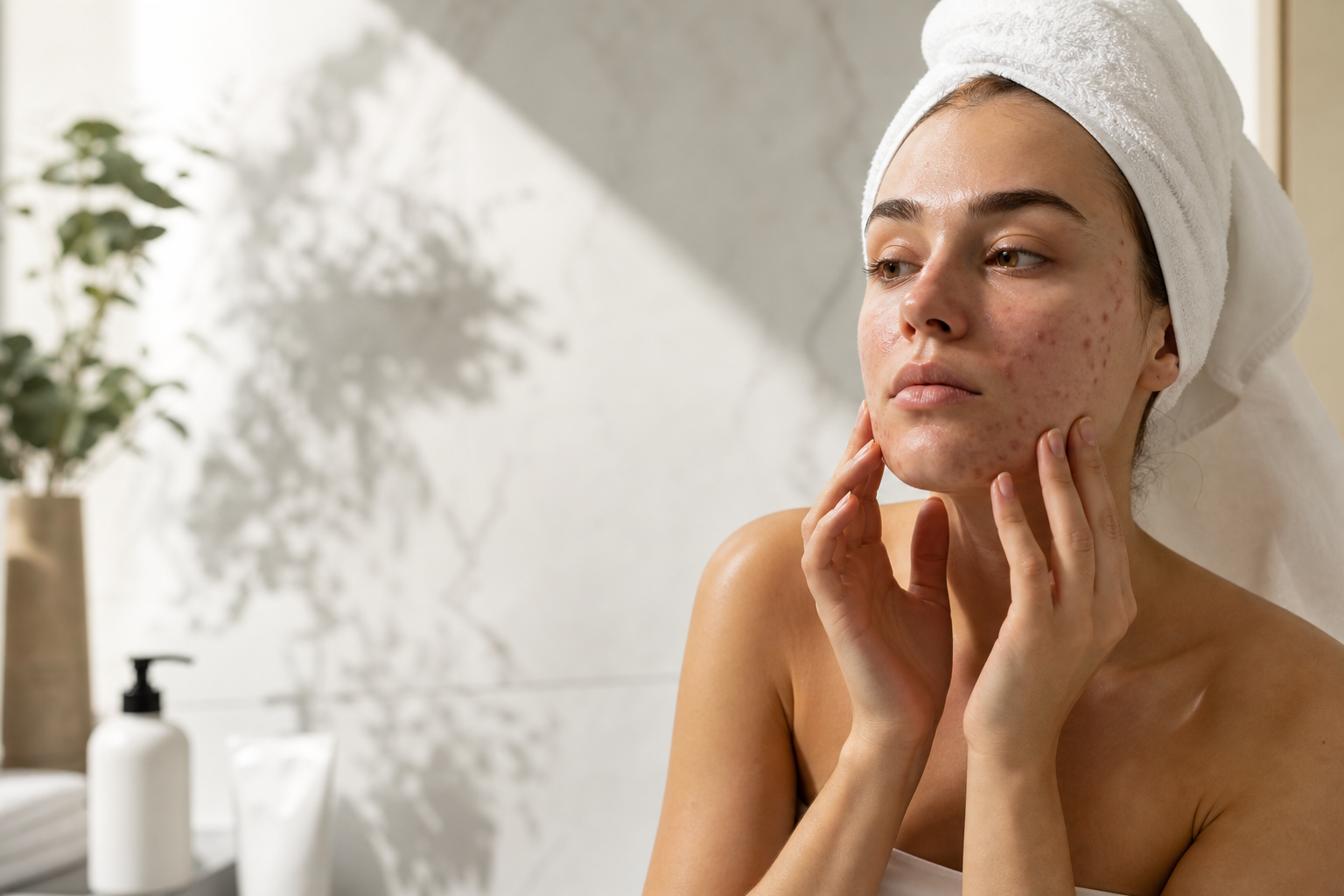
Acne breakouts are a common skin concern that affects individuals across different age groups and skin types. A persistent question among those experiencing this condition is whether poor hygiene directly causes acne. This topic extends beyond simple skincare routines and deeply influences how people approach facial treatments, especially in the context of anti-aging regimens. Understanding the relationship between hygiene and acne is vital for those seeking effective solutions that do not inadvertently exacerbate their skin issues.
This article explores the intricate dynamics of acne outbreaks relative to hygiene practices. It targets individuals who face ongoing acne issues or wish to reconcile acne management with anti-aging skin care. By dispelling common misconceptions and highlighting evidence-based approaches, we aim to provide clarity on when hygiene is relevant, the role it plays in acne development, and how to integrate proper facial rituals that encourage both clearer and youthful-looking skin.
The importance of this topic lies in its impact on skin health management and cosmetic outcomes. Misunderstanding acne causes often leads to counterproductive behaviors, such as excessive cleansing or the use of harsh products, which may worsen inflammation and accelerate skin aging. A refined comprehension aids in choosing appropriate skincare strategies and professional treatments, thus enhancing both skin clarity and resilience.
What Are Acne Breakouts and What Factors Truly Influence Their Occurrence?
Acne is characterized by inflammation and blockage of the skin’s pores, primarily caused by the accumulation of sebum, dead skin cells, and bacteria. While poor hygiene is frequently cited as a direct culprit, scientific and clinical findings reveal a more complex causality. Genetic predisposition, hormonal fluctuations (notably during puberty, menstrual cycles, and stress responses), environmental pollution, and dietary habits contribute significantly to the development and severity of acne.
Given this multifaceted etiology, attributing acne solely to inadequate hygiene oversimplifies the condition. Indeed, maintaining cleanliness is important to remove excess oils and pollutants from the skin surface, but acne primarily arises from internal physiological processes combined with external irritants, rather than superficial dirtiness.
This understanding is crucial for those considering anti-aging facial treatments, where skin texture and barrier function must be preserved even while targeting acne symptoms. Professionals stress that balanced skincare routines respecting the skin’s natural environment produce better outcomes without compromising its youthful integrity.
Can Excessive Hygiene Practices Aggravate Acne Conditions?
Contrary to popular belief, excessive washing or the use of aggressive skincare products may degrade the protective barrier of the skin, resulting in increased irritation and dryness. When the skin is weakened, sebaceous glands can react by producing more oil, further clogging pores and perpetuating acne breakouts.
Aggressive cleansers containing sulfates, alcohol-based toners, and overzealous exfoliation disrupt the skin’s pH balance and moisture levels, leading to inflammation. This paradoxical effect undermines the very goal of reducing acne through cleanliness. Therefore, moderation in cleansing, with the selection of gentle, non-comedogenic products tailored to sensitive or acne-prone skin, is essential.
For those integrating anti-aging facial treatments, preserving the skin’s barrier during acne flare-ups becomes doubly important. Treatments that provide hydration and reduce inflammation, such as certain chemical peels or LED therapies used with care, complement a hygiene regimen that avoids stripping the skin excessively.
Which Acne Treatments Align Best with Anti-Aging Facial Care?
Anti-aging facial treatments that address acne must walk a fine line between combating blemishes and supporting skin renewal processes that slow aging. Non-invasive, professional therapies such as mild chemical peels, LED phototherapy, needle-free mesotherapy, and ultrasonic treatments have garnered attention for their dual benefits.
These approaches reduce inflammation and bacterial colonization while boosting collagen production and hydration—key elements for youthful skin. Importantly, the concentration and frequency of such treatments are calibrated to avoid irritation, particularly on acne-affected skin.
Personalization of treatment plans under the guidance of dermatologists or certified aesthetic specialists ensures that acne management does not compromise anti-aging objectives. These experts evaluate individual skin conditions and adjust protocols accordingly, maximizing efficacy while minimizing adverse effects.
How to Choose Appropriate Daily Cleansing Products for Acne-Prone and Aging Skin?
Selecting cleansing products that groom the skin without triggering flare-ups or exacerbating aging signs is paramount. Mild gels or foaming cleansers with balanced pH, free from harsh detergents like sulfates, are typically recommended for acne-prone skin. Their formulations should emphasize non-comedogenic properties to keep pores clear.
Hydration-oriented moisturizers, even for oily complexions, help maintain a healthy skin barrier and prevent compensatory sebum production. Lightweight, oil-free emollients enriched with soothing ingredients can fortify skin resilience against both acne triggers and environmental aging factors.
Avoiding overly drying spot treatments or home remedies—such as frequent use of toothpaste on pimples—that compromise hydration is advised. Instead, incorporating professional guidance on product selection facilitates a harmonious daily regimen conducive to reduced acne and preserved skin youthfulness.
When Is Professional Dermatological Intervention Necessary in Acne Cases?
Persistent or severe acne characterized by deep inflammation, pain, and scarring warrants expert evaluation and treatment. Self-medication or reliance on unverified remedies risks aggravation and permanent skin damage. Dermatologic assessments can identify underlying causes, suggest appropriate pharmaceutical or procedural therapies, and monitor progress.
Especially for individuals seeking anti-aging benefits, balancing acne treatments with skin repair and regeneration strategies requires medical oversight. Integrated care ensures that interventions consider both the inflammatory nature of acne and the delicate needs of aging skin, avoiding contradictory effects.
Early consultation with qualified professionals allows for tailored therapies, such as retinoid-based creams, light-based procedures, or hormonal modulation, that improve skin clarity while promoting collagen synthesis and moisture retention.
Exploring Common Misconceptions About Hygiene and Acne
A multitude of myths surrounds the idea that acne results solely from poor hygiene. Cleansing less or avoiding face washing altogether does not cause acne, just as excessive scrubbing does not guarantee clearer skin. Overemphasis on surface cleanliness ignores deeper biological factors and may lead to harmful practices.
Likewise, the belief that all acne should be rapidly dried out fails to recognize that maintaining appropriate moisture balance is integral to skin health. Practices like squeezing pimples often cause infection and scarring rather than expedited healing.
Dispelling such misconceptions is critical to establishing scientifically grounded skin care habits that aid both acne resolution and anti-aging goals For further insights into prevalent misunderstandings, readers may consult resources such as "Common Mistakes and Myths About Acne" and "Acne and Problematic Skin: A Comprehensive Guide to Treatments."
Role and Safety of Natural Cosmetics and Needle-Free Treatments in Managing Acne
Natural cosmetics are commonly favored for their perceived gentleness, yet not all natural ingredients are universally suitable for acne-prone or maturing skin. Some botanicals may clog pores or prompt allergic reactions, making ingredient scrutiny indispensable.
Complementing natural products, needle-free aesthetic treatments such as ultrasonic therapy, LED light treatment, and mesotherapy without needles show promise in managing acne while reducing inflammation and enhancing skin vitality. Their non-invasive nature minimizes infection risks and supports skin rejuvenation without introducing additional trauma.
Nonetheless, the safety and efficacy of these modalities depend heavily on application by experienced professionals who personalize treatment parameters to the patient's dermatological profile.
Integrating Acne Care Into an Anti-Aging Daily Skincare Routine
An effective daily skincare routine that addresses acne alongside anti-aging concerns balances gentle cleansing, targeted treatment, protection, and nourishment. Twice-daily cleansing with mild agents helps remove impurities without disrupting the skin barrier.
Application of non-irritating toners, serums rich in antioxidants, and non-comedogenic moisturizers supports skin repair and reduces oxidative stress. Daily broad-spectrum sun protection is particularly crucial, as ultraviolet exposure exacerbates both aging and post-inflammatory hyperpigmentation from acne.
Avoiding harsh exfoliants or irritants prevents aggravation of inflamed skin. Regular professional consultations can help adjust the routine based on changes in skin condition, ensuring alignment with evolving needs and treatment goals.


