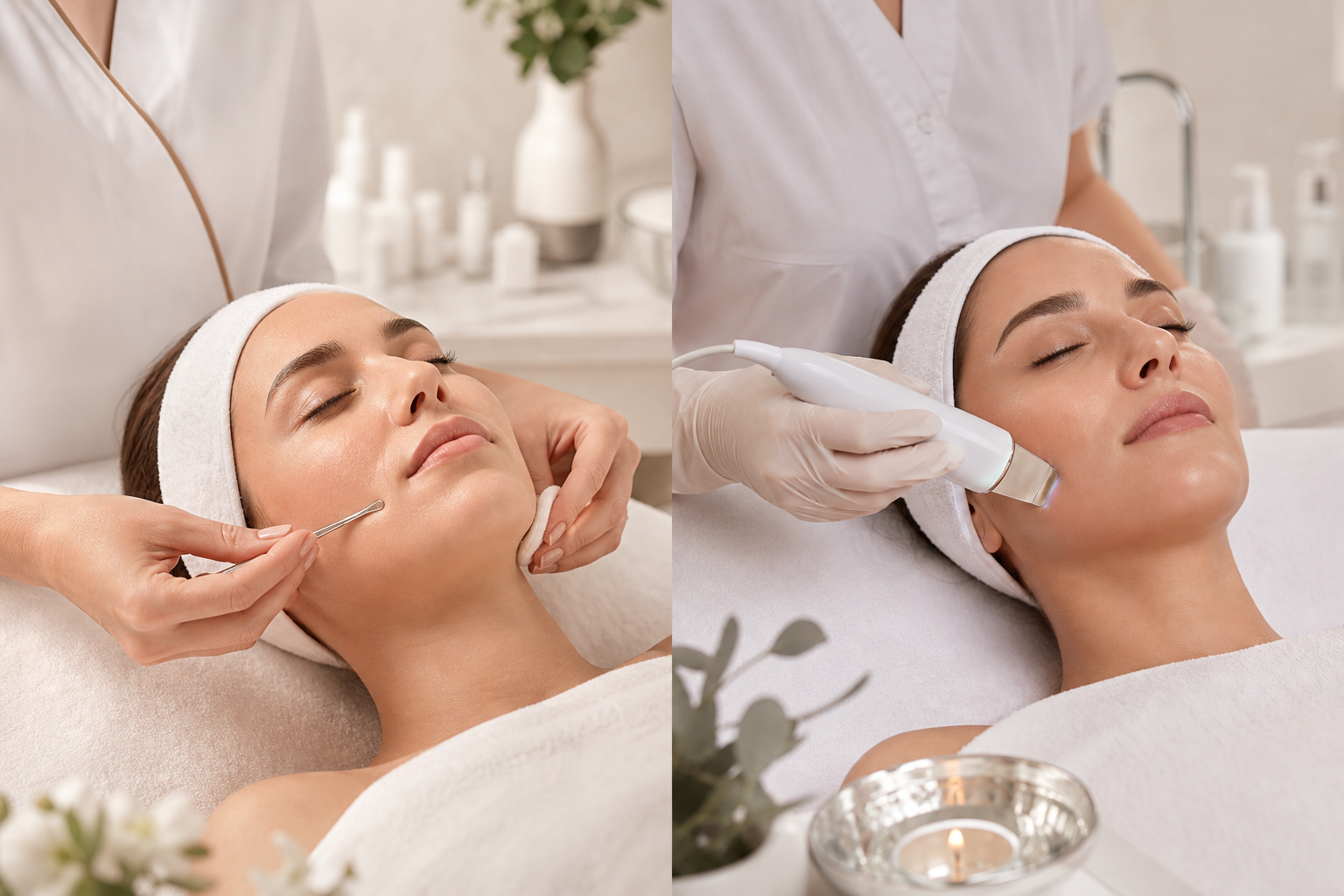
Facial cleansing is a foundational aspect of skincare, crucial for maintaining healthy, vibrant skin. Among the myriad approaches to facial cleansing, traditional manual methods and machine-assisted techniques stand out as the most prevalent and widely utilized. Understanding the nuances between traditional and machine facial cleansing is essential for anyone seeking to optimize their skincare routine, address specific skin concerns, or pursue professional treatments. This editorial explores which method proves more effective, dissecting their principles, suitable candidates, benefits, limitations, and the science behind their efficacy.
This comprehensive discussion is tailored for skincare enthusiasts, individuals facing particular skin challenges such as acne or sensitivity, and those contemplating professional facial treatments. It highlights why discerning between traditional manual cleansing and technologically enhanced cleansing matters profoundly in achieving desired skin outcomes while respecting individual skin types and concerns.
As the skincare industry evolves, the question emerges: which approach to facial cleansing—traditional or machine-assisted—offers superior results for deep, effective cleansing? The answer lies not in a universal recommendation but in an informed understanding of each method’s mechanisms, safety profiles, and alignment with one’s unique skin needs.
What Constitutes Traditional Facial Cleansing and How Does It Work?
Traditional facial cleansing encompasses manual techniques predominantly performed by trained professionals or individuals at home. It involves systematic steps starting with gentle makeup removal typically using cleansing milks, gels, or foams tailored to skin type. This preparation is followed by methods such as steaming or warm compresses, which soften pores and facilitate deeper cleansing.
The hallmark of traditional cleansing in professional settings is the manual extraction of blackheads (comedones) and impurities using fingers adorned with cotton or specialized tools. This extraction, when expertly executed, can effectively remove entrenched debris within pores, thereby enhancing skin texture and clarity. Subsequent toning helps close pores, and hydrating masks or creams restore moisturization and soothe the skin.
This method centers on tactile skill and visual assessment, allowing the practitioner to target specific problematic areas precisely. Consequently, traditional cleansing often delivers immediate, visible results, heavily favored for acne-prone or oily skin where open comedones prevail.
How Does Machine Facial Cleansing Differ and What Technologies Are Commonly Used?
Machine facial cleansing harnesses technological modalities designed to cleanse, exfoliate, and rejuvenate the skin with minimal manual intervention. Key technologies include ultrasonic cleansing, microdermabrasion, hydrodermabrasion (also known as aqua peel or hydrafacial), and vacuum pore extraction.
Ultrasonic devices employ high-frequency vibrations to dislodge dead skin cells and impurities without physical contact, making them ideal for sensitive skin. Microdermabrasion mechanically exfoliates by gently abrading the skin surface with hypoallergenic crystals or diamond tips, promoting cellular turnover and collagen synthesis.
Hydrodermabrasion combines deep cleansing with hydration by simultaneously exfoliating and infusing serums rich in antioxidants, peptides, and hyaluronic acid, leaving skin nourished and radiant. Vacuum-assisted cleansing uses gentle suction to extract sebum and debris, reducing the discomfort sometimes experienced during manual extraction.
These machine-based methods often offer a more comfortable experience, reduced risk of skin trauma, and additional skin rejuvenation benefits unattainable through manual cleansing alone.
What Are the Advantages and Disadvantages of Traditional Facial Cleansing?
The primary advantage of traditional facial cleansing is its efficacy in directly addressing stubborn blackheads and comedones through precise, hands-on extraction. Immediate improvements in skin clarity are often apparent after treatment, fostering client satisfaction.
This method is widely accessible and customizable to various skin types, with experienced professionals tailoring pressure and technique. It also supports the therapist’s ability to evaluate skin condition dynamically during the treatment.
Conversely, traditional cleansing presents certain limitations. Improper technique can damage the skin barrier, provoke inflammation or infection, and, in some cases, lead to scarring. Individuals with sensitive or inflamed skin may find manual extraction intolerable or even detrimental. Moreover, the process may cause temporary redness or discomfort.
Thus, this approach demands skilled practitioners and adherence to hygienic protocols to mitigate risks and optimize outcomes.
What Benefits and Limitations Accompany Machine Facial Cleansing?
Machine-assisted facial cleansing offers a gentler alternative, minimizing the mechanical stress on skin while delivering thorough cleansing. These technologies often incorporate exfoliation, hydration, and stimulation of blood flow, promoting improved skin health beyond mere cleanliness. The non-invasive nature suits sensitive skin types or those seeking maintenance treatments without downtime.
Furthermore, cumulative treatments can yield sustained enhancements in skin tone, texture, and brightness. The integration of nourishing ingredients during procedures like hydrodermabrasion amplifies the skin’s capacity for regeneration and defense against environmental stressors.
Nonetheless, machine cleansing typically requires multiple sessions to achieve comparable efficacy in impurity removal as traditional extraction. Equipment costs and practitioner training may also limit availability and elevate treatment expense. In cases of severe comedonal acne or deeply embedded blackheads, machine cleansing might be insufficient as a standalone method.
Therefore, while highly effective for many, it should be selected considering individual skin conditions and expectations.
Who Should Opt for Traditional Versus Machine Facial Cleansing?
Individuals with oily or combination skin prone to blackheads and mild to moderate acne often benefit most from traditional facial cleansing, assuming no hypersensitivity or active inflammation. This demographic typically seeks immediate removal of visible impurities and pore unclogging that hands-on extraction can achieve.
In contrast, those with sensitive, thin, or rosacea-prone skin may find machine cleansing safer and more comfortable, as it reduces mechanical irritation and allows for customized treatment intensities. People desiring anti-aging effects or enhanced skin hydration often prefer machine-assisted approaches because they synergize cleansing with rejuvenating modalities.
Ultimately, patients with active or severe dermatological conditions like cystic acne, eczema, or psoriasis should consult dermatologists before undergoing any facial cleansing treatment.
How to Safely Prepare for and Undergo Facial Cleansing Treatments
Safety is paramount when pursuing facial cleansing. Prior assessment by a licensed skincare professional ensures the chosen method aligns with one’s skin type, sensitivity, and existing conditions. Sterile tools, proper hygiene practices, and adherence to treatment protocols reduce infection risk and enhance efficacy.
Clients should disclose any allergies, recent dermatological treatments, or medications to avoid adverse reactions. Post-treatment care, including gentle cleansing, hydration, and sun protection, supports recovery and prolongs benefits.
Realistic expectations are essential; redness or mild swelling post-traditional extraction and temporary sensitivity following machine treatments are common and transient. Ongoing maintenance and home care, including the use of mild cleansers and moisturizers suited to one’s skin, complement professional procedures effectively.
What Key Considerations Define Effective Home Care Post-Cleansing?
After professional cleansing, skin’s barrier function is temporarily compromised, increasing vulnerability to irritants and environmental damage. Gentle cleansing regimens employing non-comedogenic, fragrance-free products sustain skin health without provoking inflammation.
Hydration with creams or serums rich in humectants like hyaluronic acid aids in restoring moisture balance. Consistent sunscreen application with at least SPF 30 protects newly treated skin from UV-induced pigmentation and ageing effects.
Avoiding exfoliants or harsh treatments in the days following cleansing prevents disruption of the healing process. Regular consultation with skincare professionals ensures adjustments to home products and routines as the skin responds to treatments.
How to Decide Between Traditional and Machine Facial Cleansing?
Choosing between traditional and machine-assisted cleansing hinges on a thoughtful evaluation of skin type, tolerance, specific issues, and desired outcomes. Traditional manual cleansing suits those with tougher, oilier skin requiring direct extraction to remove occlusive debris.
Conversely, machine cleansing caters to individuals prioritizing gentleness, multi-benefit rejuvenation, and those dealing with sensitive or delicate skin. Sometimes, combining both approaches sequentially or in tandem optimizes cleansing and skin health.
Professional guidance from experienced aestheticians or dermatologists is invaluable in this decision-making process, ensuring treatments complement the broader skincare regimen.


