In the quest for youthful and radiant skin, non-invasive treatments have gained substantial traction, reshaping how we approach skin rejuvenation. Among these, High-Intensity Focused Ultrasound (HIFU) and ultrasound skin tightening technologies stand out as sophisticated options that promise noticeable results without the need for surgery or prolonged downtime. These treatments harness the power of focused ultrasonic waves to stimulate the body's natural collagen production, improving skin elasticity, reducing wrinkles, and enhancing facial contours.
This article is crafted for individuals interested in exploring advanced yet non-invasive anti-aging facial treatments. Whether you are beginning to notice subtle signs of aging or seeking alternatives to surgical facelifts, understanding how HIFU and ultrasound skin tightening function, who benefits most from them, and their advantages over traditional methods is crucial. As the field of dermatology and aesthetic medicine evolves, grasping these treatments' roles in maintaining a vibrant complexion will empower you to make informed decisions tailored to your skincare goals.
HIFU and ultrasound treatments address the core concerns associated with aging skin—loss of firmness, sagging, and decreased elasticity—through techniques that work beneath the skin's surface. Appreciating the science behind these solutions and their fit within a comprehensive skincare regimen can significantly impact the effectiveness and longevity of your skin's rejuvenation journey.
What Is HIFU and How Does Ultrasound Skin Tightening Work?
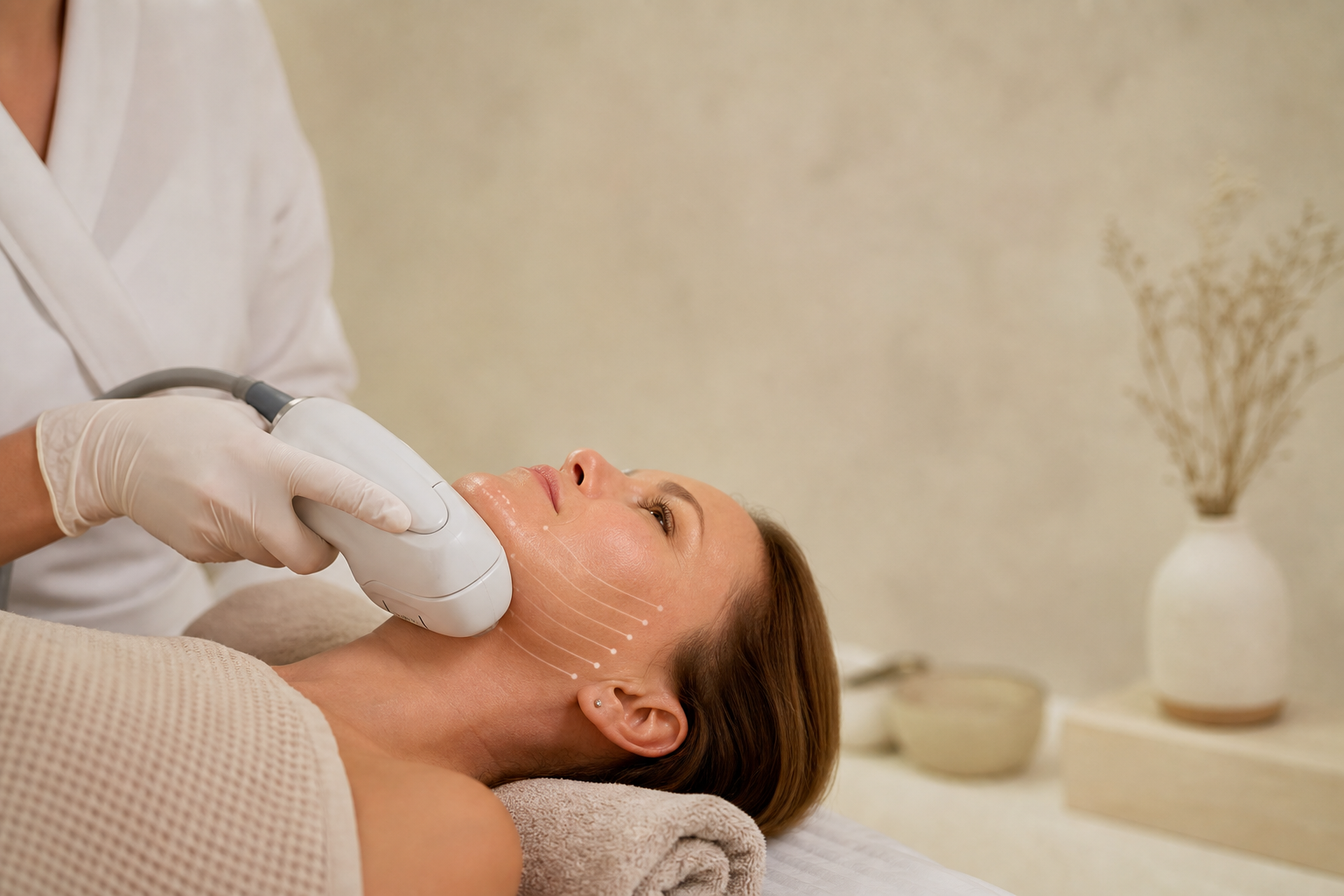
High-Intensity Focused Ultrasound (HIFU) is an advanced technology utilizing focused ultrasonic waves at high frequencies to penetrate deep into the skin layers. This precision allows it to target the muscular-aponeurotic system (SMAS) beneath the dermis—a structure critical in maintaining the skin's tightness and defining facial contours. By delivering thermal energy specifically to these deep tissues, HIFU initiates controlled micro-injuries that prompt the body's natural healing response.
As a result, fibroblasts—the cells responsible for producing collagen and elastin—are activated, leading to increased synthesis of these essential proteins. Collagen provides structural support, thus improving firmness and reducing skin laxity, while elastin enhances the skin’s ability to return to its original shape after stretching, contributing to elasticity.
Unlike traditional ultrasound therapies that focus primarily on superficial skin layers for hydrating and enhancing circulation, HIFU targets deeper tissues without damaging the skin's surface. This precise delivery minimizes recovery time and the risk of adverse effects. Other ultrasound skin tightening procedures often use lower frequencies to stimulate circulation and skin renewal, but may not reach the SMAS or subdermal layers responsible for structural support.
Who Are the Ideal Candidates for HIFU and Ultrasound Skin Tightening?
Ideal candidates typically include adults aged 30 to 60 years experiencing the initial to moderate signs of skin aging. These symptoms may present as mild skin sagging, subtle loss of tone, early wrinkles, or diminished facial contour definition. Individuals seeking gradual, natural-looking improvements without undergoing invasive surgery find these treatments particularly appealing.
It is important to recognize that HIFU and ultrasound skin tightening are not substitutes for surgical facelifts in cases of severe skin laxity or significant excess tissue. Patients with pronounced skin drooping or those requiring immediate, dramatic results might need to consider surgical options.
Moreover, people with active skin infections, open wounds, or certain chronic dermatological conditions should defer treatment until these issues are resolved. Women who are pregnant or breastfeeding are generally advised to avoid HIFU, as safety data in these populations remain limited. A thorough consultation with a qualified dermatologist or aesthetic practitioner is essential to determine personal suitability and to tailor the treatment plan effectively.
What Are the Key Benefits of HIFU and Ultrasound Skin Tightening?
The appeal of HIFU and ultrasound skin tightening lies in their combination of efficacy, safety, and convenience:
Non-invasive and Safe: Treatments do not require incisions, anesthesia, or recovery periods typical of surgical interventions, significantly lowering complications and downtime.
Stimulates Natural Collagen Production: By initiating controlled thermal stimulation, these therapies harness the body’s inherent rejuvenation processes, fostering a progressive improvement in skin quality over time.
Long-Lasting Effects: Results often emerge gradually, peaking between two to six months and can last up to a year or more, depending on individual factors such as age, skin condition, and lifestyle.
Precision Targeting: The technology facilitates focused application on targeted areas such as the lower face, jawline, neck, and décolleté, enhancing definition and contour without affecting surrounding tissues.
Minimal Side Effects: Temporary redness or mild swelling may occur but usually resolves swiftly, allowing patients to resume normal activities immediately.
How Is a HIFU Treatment Performed and What Should One Expect?
Before the procedure, a dermatologist or trained technician conducts a detailed skin assessment to identify treatment zones and customize settings according to skin thickness and laxity. The process usually lasts between 30 to 60 minutes, depending on the extent of the area treated.
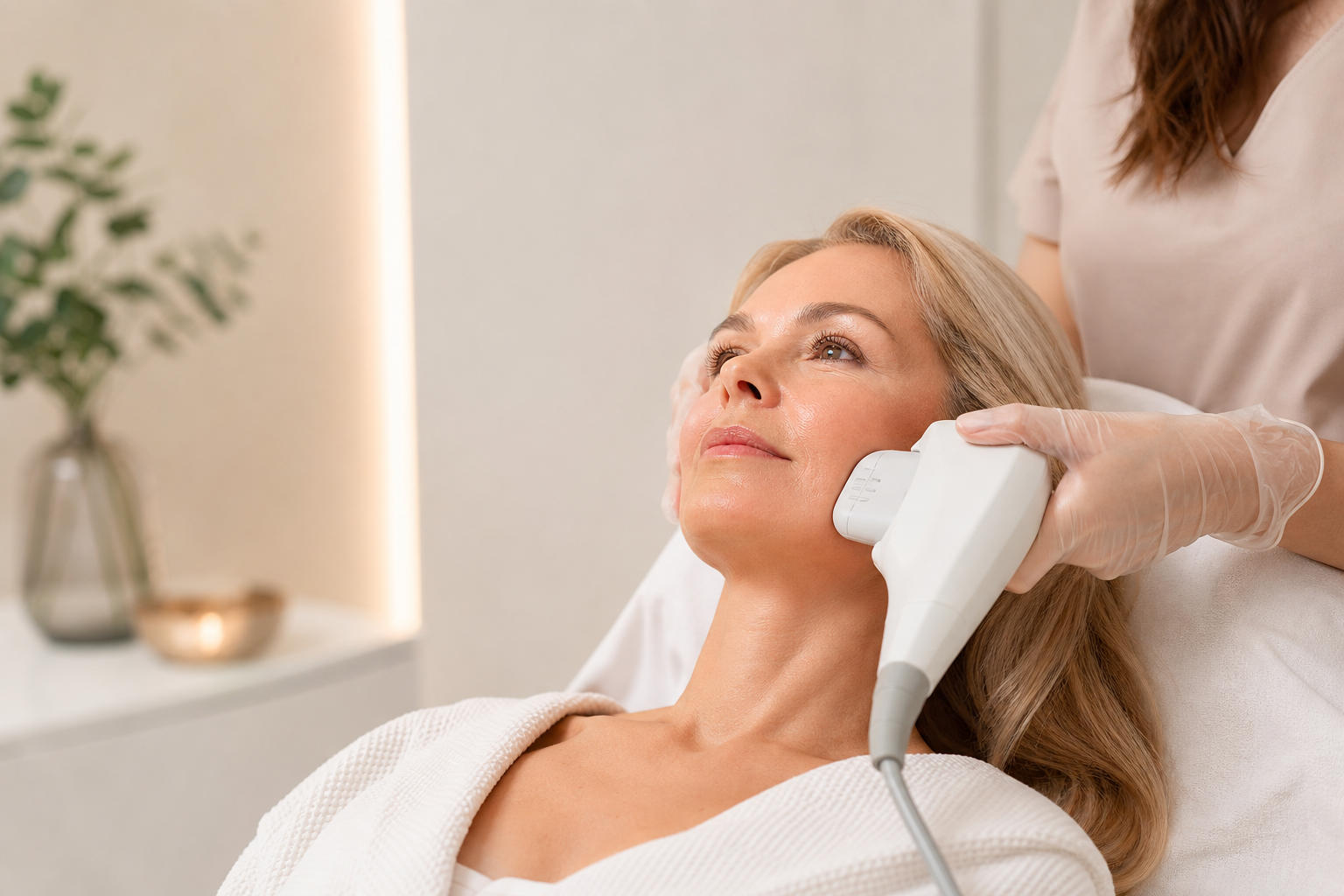
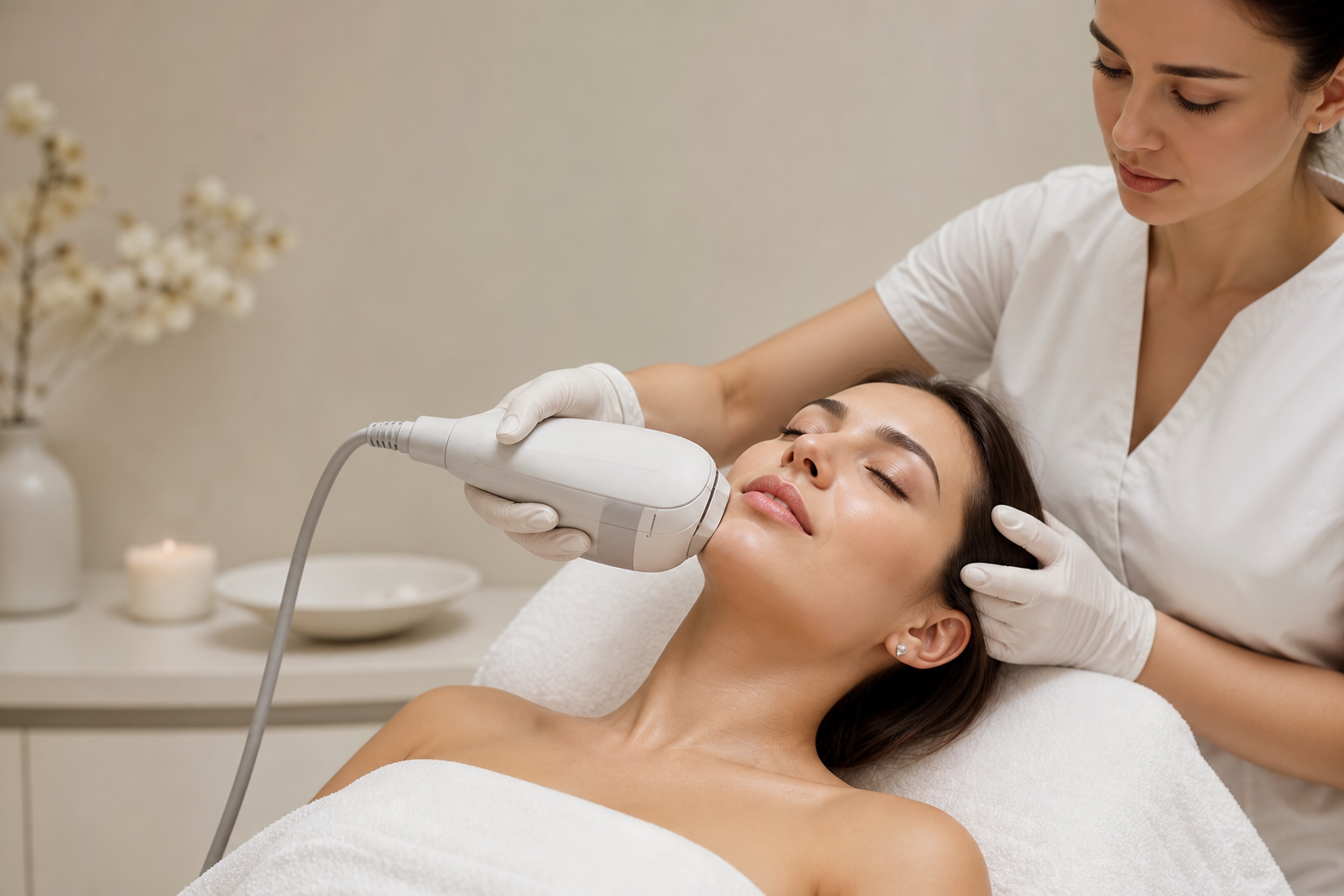
During the session, the patient reclines comfortably while a handheld device delivers focused ultrasound energy beneath the skin. Individuals often feel warming, tingling, or mild prickling sensations, reflecting the activation of targeted tissue layers. This discomfort is generally well-tolerated and transient.
Post-treatment, the skin might exhibit slight redness without bruising or open wounds, negating the need for downtime. Patients can immediately return to their routine, though they are advised to employ sun protection and skin moisturizing to support recovery.
Importantly, visible changes do not appear instantly. The stimulation of collagen synthesis is a gradual process, with optimal outcomes materializing over several weeks to months following therapy.
Can HIFU Be Combined with Other Anti-Aging Procedures for Enhanced Results?
Indeed, comprehensive skin rejuvenation often benefits from combining HIFU with complementary treatments. Methods such as microneedling, chemical peels, platelet-rich plasma (PRP) therapy, and dermal fillers can synergize with ultrasound-induced collagen induction to address diverse aging concerns.
For instance, microneedling further encourages collagen and elastin production at the skin’s surface, while PRP introduces growth factors accelerating tissue repair. Hyaluronic acid fillers can enhance volume and smooth deeper lines, complementing the lift and tightening effects of HIFU.
Integrating these therapies requires professional assessment to ensure compatibility and safety. Moreover, ongoing skincare using retinoids, antioxidants, and sun protection optimizes and prolongs treatment benefits.
Addressing Common Questions and Concerns About HIFU and Ultrasound Skin Tightening
Is the treatment painful? Generally, discomfort is minimal, described as warm or tingling sensations. Practitioners can adjust the device to improve comfort if needed.
How many sessions are necessary? Often, a single session yields significant improvements. Depending on individual skin conditions, one to three treatments spaced several months apart may be recommended.
Are results permanent? The effects are durable but not permanent, as skin aging continues naturally. Maintenance sessions can sustain results over time.
Who should avoid HIFU? Pregnant or breastfeeding women, individuals with active skin infections, or certain medical conditions may be advised against treatment.
Are there serious side effects? When conducted by experienced professionals, adverse reactions are rare and typically mild, including transient redness or swelling.
Why Choose HIFU and Ultrasound Skin Tightening in Modern Skincare?
In a landscape increasingly favoring non-invasive and natural-looking aesthetic interventions, HIFU and ultrasound skin tightening distinguish themselves through scientific backing, safety, and effectiveness. They embody the intersection of technology and biology, offering a means to rejuvenate skin by leveraging the body’s regenerative capacities rather than relying on external agents or surgical alteration.
The minimal downtime and precision targeting provide practical advantages for busy individuals seeking to maintain youthful appearances without significant disruption to their lifestyles. Moreover, as demand grows, technological refinements continue to enhance patient comfort and optimize outcomes.
Coupling these therapies with proper skincare, a healthy lifestyle, and sun protection constitutes a holistic approach to age management, supporting not only appearance but also skin health.