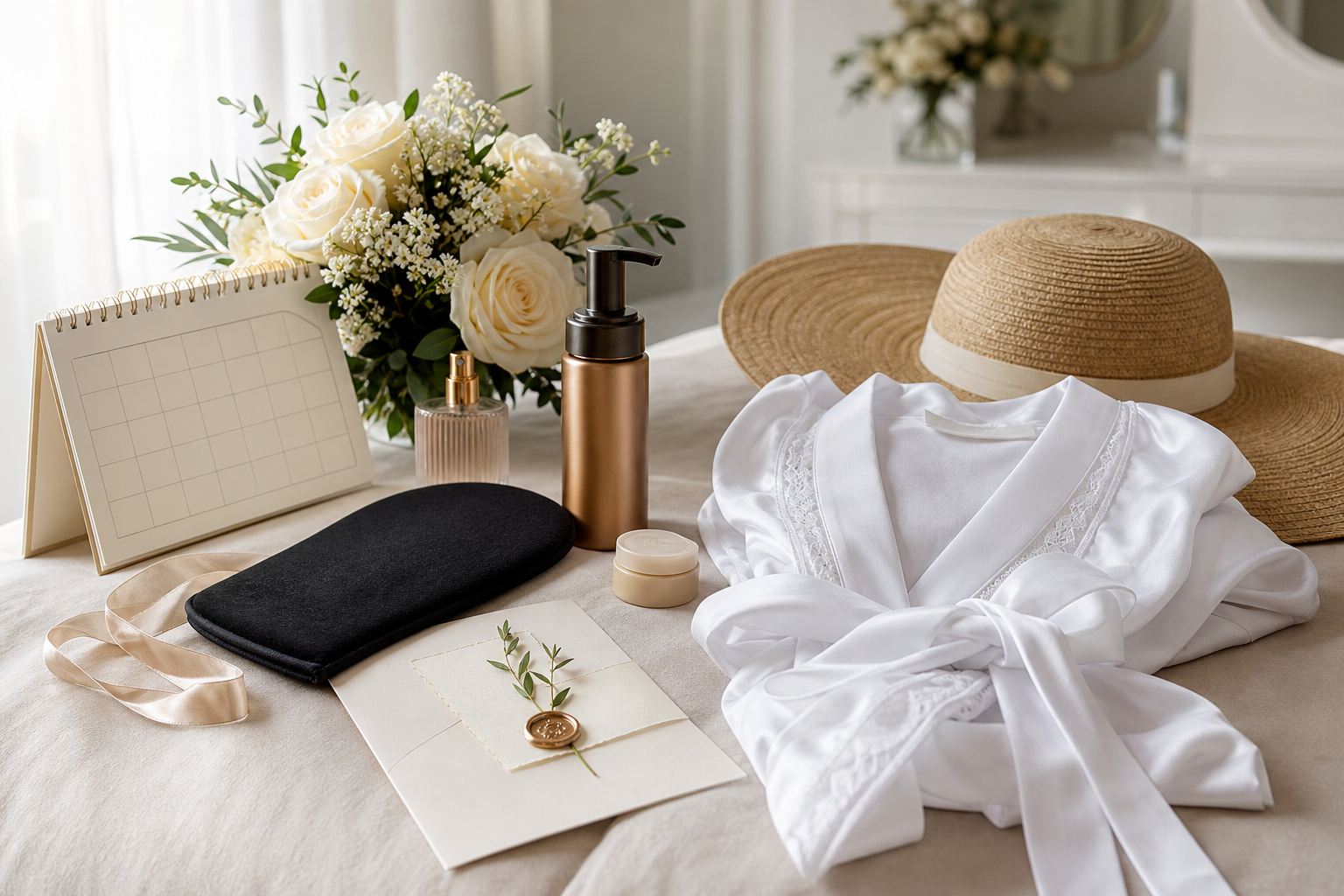
In recent years, the bridal spray tan has emerged as an increasingly popular beauty treatment among soon-to-be-married couples and their wedding parties seeking a radiant, sun-kissed glow for the big day. This treatment—a sunless tanning method using a specialized mist—offers a safe, efficient, and natural-looking way to enhance skin tone without the risks of UV exposure inherent in sunbathing or tanning beds. For brides, grooms, and guests alike, achieving the perfect, even tan can complement wedding attire, photography, and makeup, contributing to a flawless overall bridal aesthetic.
This comprehensive editorial aims to guide those interested in bridal spray tans through the nuances of when to schedule the treatment. Understanding the ideal timing is crucial for maximizing the aesthetic appeal while minimizing common pitfalls such as fading, uneven coloring, or irritation. Furthermore, this article addresses essential preparation steps, maintenance tips between application and the wedding day, and answers frequently asked questions to set realistic expectations and safeguard skin health.
Whether you are a bride planning every detail of your appearance, a groom aiming for a natural healthy glow, or a member of the bridal party looking to coordinate your look, this piece provides carefully curated, gentle advice and practical guidance about the art and science of spray tanning ahead of weddings.
What Exactly Is a Bridal Spray Tan and Why Do Couples Choose It?
A spray tan is a cosmetic procedure that applies a fine mist of tanning solution containing dihydroxyacetone (DHA) to the skin. DHA reacts with the outermost layer of dead skin cells, leading to a temporary darkening effect that mimics a natural tan without exposing the skin to ultraviolet light. This method is particularly attractive before weddings because it delivers an instant, controllable bronze glow.
Brides and grooms often opt for spray tans to enhance their complexion, providing a warm, even tone that helps the skin appear healthier and more radiant on photographs and in person. The treatment is quick, typically taking between 15 and 30 minutes, and the results can last up to 10 days with proper care, which fits well within the wedding preparation timeline.
Spray tans are also preferred over sunbathing or tanning beds because they avoid potentially harmful UV radiation, which can accelerate skin aging and increase the risk of skin cancer. For couples prioritizing skin health alongside beauty, spray tanning is a reassuring alternative that combines safety and elegance.
When Should You Book Your Bridal Spray Tan Treatment?
Timing is a pivotal consideration when booking a spray tan before your wedding day. The optimal window for applying a bridal spray tan is generally 2 to 3 days ahead of the event. This timeframe allows the color to develop fully—DHA typically takes 24 to 48 hours to reach its peak hue—while ensuring the tan remains fresh and vibrant for your ceremony and celebrations.
Booking too early—more than a week in advance—risks fading or patchiness by the wedding day because the tan naturally exfoliates over 5 to 10 days. Conversely, scheduling the appointment too close to the wedding, such as on the day itself or the night before, can lead to inconveniences like damp skin, streaking, or uneven application, as there might not be enough time for the tan to dry and settle properly.
Furthermore, the 2 to 3-day lead time provides a buffer for a potential touch-up session if the initial tan outcome requires adjustment. It also allows sufficient time to test how your skin reacts to the spray tanning solution, important for reducing the risk of unexpected irritation.
How Should You Prepare Your Skin for a Bridal Spray Tan?
Achieving an impeccable spray tan starts with thorough skin preparation. Experts recommend exfoliating the entire body 24 to 48 hours before your appointment using gentle scrubs or chemical exfoliants free from harsh acids or unverified ingredients. This step removes dead skin cells, ensuring the tanning solution adheres evenly and reduces the risk of blotchiness.
It's equally important to moisturize skin regularly before the appointment, focusing on drier areas such as elbows, knees, and ankles, but avoid applying lotions or oils directly before the session as these can create barriers, preventing even spray absorption.
On the day of the spray tan, shower with a mild, fragrance-free cleanser and avoid using deodorant, makeup, or skincare products to allow the tanning solution to penetrate clean, product-free skin effectively. Wearing loose, dark clothing after the treatment can also help protect the tan from smudging or staining fabrics.
Individuals with sensitive skin, eczema, or other dermatological concerns should consult with the spray tan professional or a dermatologist beforehand to select appropriate products and determine suitability for the procedure.
What Are the Best Practices to Maintain and Extend the Life of Your Bridal Spray Tan?
Post-application care is crucial to prolonging the glow and ensuring that the tan remains flawless throughout your wedding festivities. It's advised to wait at least 8 to 12 hours after the session before showering to allow the DHA to fully develop.
Once you do shower, use lukewarm water with gentle, sulfate-free cleansers rather than harsh soaps, as these can strip away the color prematurely. Avoid scrubbing the skin vigorously, especially in areas like elbows and knees, to prevent patchiness.
Hydration is key: applying lightweight, non-oily moisturizers daily helps maintain skin suppleness and color vibrancy. Importantly, spray tans do not provide sun protection, so applying a broad-spectrum SPF 30 or higher sunscreen whenever outdoors before and on your wedding day protects both your skin and your tan.
Avoid activities that cause intense sweating or swimming, as chlorine and salt water can accelerate color fading. If you anticipate exposure to water or perspiration, plan accordingly to reapply or touch up the spray tan as needed.
Is a Trial Spray Tan Necessary Before Your Wedding Day?
While not mandatory, many professionals recommend a trial spray tan, particularly for first-time users or those trying a new salon or product line. A trial allows you to observe how your skin responds to the tanning solution and evaluate the resulting shade for compatibility with your skin tone and personal preferences.
Moreover, trials can reveal the ideal depth and intensity of the tan you desire, helping avoid surprises on the wedding day. This session also offers an opportunity to practice pre- and post-tan skincare to optimize results.
Scheduling a trial approximately 2 to 3 weeks before the wedding provides ample room for adjustments or additional sessions if necessary. Should your initial trial side effects or dissatisfaction occur, this window allows you to consider alternative treatments or strategies without pressure.
How to Coordinate Your Bridal Spray Tan with Makeup and Wedding Attire
The harmonious blend of a spray tan with bridal makeup and wedding clothing enhances your overall bridal image. Warm, bronzed skin tones often pair beautifully with makeup in earthy hues—think golden highlighters, soft browns, and peach or rose lipstick shades—which accentuate the tan’s natural depth without overpowering your face.
Consulting a professional makeup artist familiar with working on tanned complexions can ensure the right balance of pigment and texture, preventing clashing tones that might detract from your look.
Regarding attire, a sun-kissed glow can wonderfully complement white or pastel wedding dresses, creating a glowing contrast. Darker or jewel-toned gowns also harmonize elegantly, particularly for bridesmaids coordinating their appearance. For the groom and his party, a subtle spray tan can add a natural, healthy hue beneath formalwear, enhancing camera-ready images.
Common Concerns and Questions About Bridal Spray Tans Addressed
Bridal spray tans often raise several frequently encountered questions. Many worry about stains on clothing; however, if the skin is fully dry and the correct procedure followed, the risk of dye transfer is minimal. Wearing loose, dark-colored clothes immediately after the session further safeguards fabrics.
The longevity of the tan varies according to skin type and maintenance; generally, results last around 5 to 10 days, fading gradually as the skin naturally exfoliates. Spray tans do not wash off instantly but can be gently removed or lightened with exfoliating treatments if needed.
Another concern is uneven color development, which can be significantly mitigated by appropriate skin preparation, selecting experienced technicians, and adhering to aftercare practices.
For those curious about safety, DHA-based spray tans have a strong record of skin compatibility, though it is prudent to avoid inhalation or ingestion during application, especially for pregnant individuals or those with respiratory issues.


