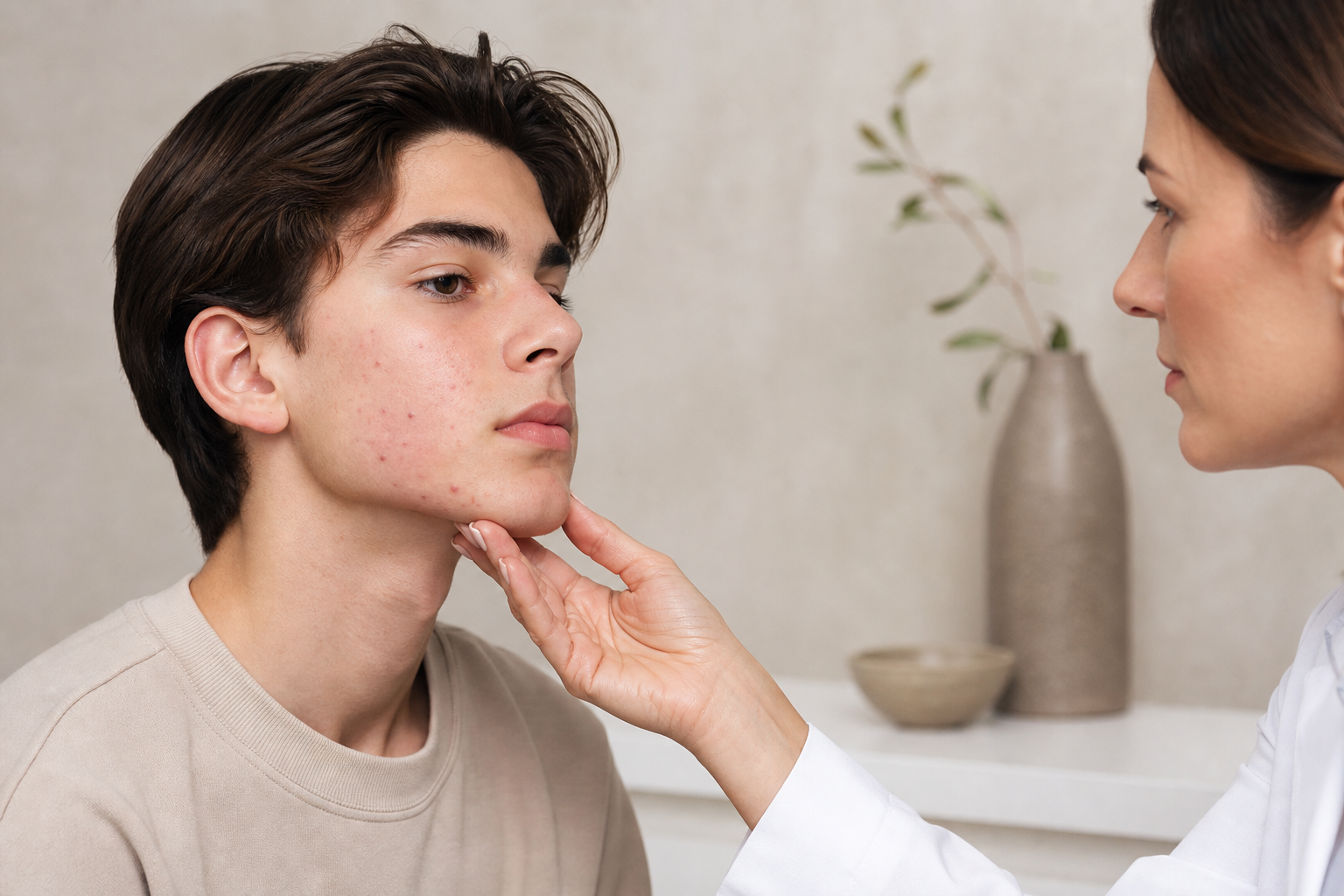
Teenage acne is one of the most common dermatological challenges facing adolescents worldwide. Triggering not only physical discomfort but also impacting psychological well-being, self-esteem, and overall quality of life, acne during this critical developmental stage demands careful attention. Understanding when and how to begin treatment is crucial, as timely intervention can prevent long-term skin damage such as scarring and persistent inflammation, while also minimizing emotional distress.
This article is crafted for parents, teenagers, and skin care professionals who seek an in-depth, nuanced understanding of teenage acne within the broader context of facial anti-aging treatments. It aims to clarify the indications for treatment initiation, set realistic expectations, outline safety considerations, and highlight the importance of expert consultation. By exploring the underlying mechanisms, available therapies, and practical approaches to care, readers will be equipped to make informed decisions that support healthy skin development.
Addressing teenage acne effectively not only involves targeting current lesions but also preserving the skin’s natural barrier and preventing premature signs of aging, making professional, non-invasive facial treatments a valuable option. Navigating this multifaceted problem requires a blend of scientific insight, clinical expertise, and compassionate care that respects the unique needs of adolescent skin.
What Causes Teenage Acne and Why Does It Matter?
Teenage acne primarily emerges during puberty, a phase marked by pronounced hormonal fluctuations. The surge in androgens stimulates the sebaceous glands, increasing sebum production. This excess oil, combined with dead skin cells, congests hair follicles and forms comedones—commonly known as blackheads and whiteheads.
When bacteria, predominantly Propionibacterium acnes, proliferate within these clogged follicles, inflammatory lesions such as papules, pustules, and cysts can develop. This process is not merely physiological but influenced by genetic predisposition, environmental factors, diet, stress, and hygiene practices, all of which modulate acne severity and response to treatments.
Why is it critical to address teenage acne promptly? Beyond visible inflammation, untreated or improperly managed acne can lead to scarring, post-inflammatory hyperpigmentation, and prolonged psychosocial effects. These consequences underscore the necessity for early detection and tailored interventions that respect the delicate balance of maturing skin.
Who Should Consider Acne Treatments During Adolescence?
Acne treatment is relevant not only for teenagers actively experiencing breakouts but also for their caregivers and healthcare providers tasked with managing the condition. Adolescents facing mild to severe acne symptoms, those with a family history of skin scarring, or individuals experiencing significant emotional distress related to their skin are prime candidates for evaluation and care.
Professionals such as dermatologists, cosmetologists, and estheticians specializing in adolescent skin have a pivotal role in customizing therapeutic protocols. A considered approach prevents aggressive or inappropriate regimens that might exacerbate sensitivity or lead to skin barrier disruption. Thus, acne treatment during adolescence demands a balance between efficacy and gentle care, preserving skin integrity while controlling inflammation.
When Is the Right Time to Start Acne Treatment in Teens?
Initiating acne treatment as soon as persistent or troubling symptoms appear offers the best chance of minimizing skin damage and psychosocial impact. It is advisable not to delay intervention until lesions become widespread, painful, or cystic. Early-stage management, often involving lifestyle guidance and topical therapies, can arrest progression and enhance outcomes.
Even mild acne should not be dismissed, especially if there are hereditary factors suggesting propensity for severe forms or if acne affects daily functioning and self-confidence. Parents and teenagers should establish consistent skin hygiene routines using gentle, non-comedogenic products and avoid harsh scrubbing or unverified remedies that might irritate the skin.
If no improvement occurs after 6 to 8 weeks of conservative measures, or if lesions are clearly inflamed from the outset, a professional consultation is warranted. A dermatologist can assess the acne type, severity, and any contributing conditions, tailoring treatment accordingly which may include prescription medications or procedural options.
What Are the Indications for Professional Anti-Age and Anti-Acne Treatments in Adolescents?
Professional anti-age and anti-acne treatments are valuable tools beyond adult skincare; they are increasingly appropriate for adolescents with problematic skin. Indicators include persistent inflammation resistant to home care, uneven skin texture, visible post-acne hyperpigmentation, and early scarring signs. Addressing these concerns with carefully selected non-invasive therapies can promote skin regeneration and enhance overall skin health.
An anti-aging perspective in adolescent care emphasizes improving hydration, elasticity, and reducing redness, laying the foundation for resilient skin that can better cope with environmental stressors over time. Procedures such as gentle chemical peels, phototherapy with LED or pulsed light, and professional deep cleansing sessions using enzymatic or antioxidant-rich products have been adapted safely for younger skin.
These treatments aim to calm inflammation, regulate sebum production, and facilitate exfoliation without compromising the skin’s natural defenses. Importantly, protocols are individualized to each patient’s tolerance and skin type, ensuring safety and effectiveness while avoiding over-treatment.
What Can Teens and Caregivers Realistically Expect from Acne Treatments?
It is essential to establish realistic expectations regarding acne treatment outcomes. Improvement is typically gradual, requiring persistence and adherence over weeks to months to observe noticeable benefits. Treatments can significantly reduce the frequency and severity of breakouts, improve skin texture, and mitigate pigmentation changes, but they do not guarantee instant or permanent clearance.
Some therapies may initially provoke mild side effects such as redness, dryness, or sensitivity—normal reactions signaling skin adjustment. Ongoing communication with healthcare providers ensures adjustments to minimize discomfort and align regimens with skin response.
In cases of moderate to severe acne—including nodular or cystic forms—professional treatments serve as adjuncts rather than standalone solutions, often complementing systemic medications prescribed by dermatologists. Unsupervised use of potent or unconventional remedies carries risks of exacerbating inflammation, scarring, or other adverse effects.
How Do Non-Invasive Facial Treatments for Acne Work in Adolescent Care?
Non-invasive facial treatments for teenage acne deploy a combination of modalities designed to cleanse, soothe, and revitalize the skin without needles or surgical procedures. Techniques such as ultrasonically assisted cleansing effectively remove sebum and debris from pores while minimizing irritation. Phototherapy using LED lights at specific wavelengths targets the bacteria responsible for acne and modulates inflammation.
Low-intensity chemical peels exfoliate dead skin cells, promoting renewed skin turnover, while topical application of formulas rich in antioxidants, retinoids, or enzymes supports regeneration and barrier repair. These treatments work synergistically to balance oil production, clarify pores, and reduce redness.
Administered under professional supervision, these interventions prioritize safety for sensitive adolescent skin, avoiding downtime or discomfort that would interfere with daily activities. Regular sessions, combined with an appropriate home care regimen, yield progressive and sustainable improvements.
When Is It Essential to Seek Advice from a Qualified Specialist?
Expert consultation becomes imperative at the earliest signs of persistent or worsening acne, particularly if lesions are inflamed, painful, or accompanied by scarring or discoloration. A specialist evaluation provides accurate diagnosis, rules out underlying conditions, and formulates a comprehensive treatment plan adapted to the teen's skin characteristics and lifestyle.
Moreover, qualified dermatologists or estheticians can address concurrent skin sensitivities, allergies, or other dermatologic concerns that affect care choices. Their guidance prevents trial-and-error approaches that may prolong the condition or cause harm, emphasizing education and empowerment in managing teenage acne.
Timely professional input also facilitates integration of contemporary anti-age strategies that support skin health beyond the immediate acne treatment goals, fostering long-term benefits.
What Additional Practices Support Acne Prevention and Skin Health in Teenagers?
Complementing clinical interventions, daily skincare habits substantially influence acne control and prevention. Using gentle cleansers with balanced pH, avoiding frequent touching or picking at the face, and choosing non-comedogenic moisturizers and sunscreens tailored for oily or sensitive skin contribute to maintaining a healthy epidermal barrier.
Nutritional balance plays a role as well; reducing intake of high-glycemic-index foods and saturated fats may help diminish acne severity in some individuals. Attention to stress management, hydration, and adequate sleep underpins systemic health with positive effects on the skin’s condition.
Educating teenagers about the hazards of unsupervised application of harsh or unverified skincare products empowers them to make safe choices and fosters a proactive, positive relationship with their skin.


