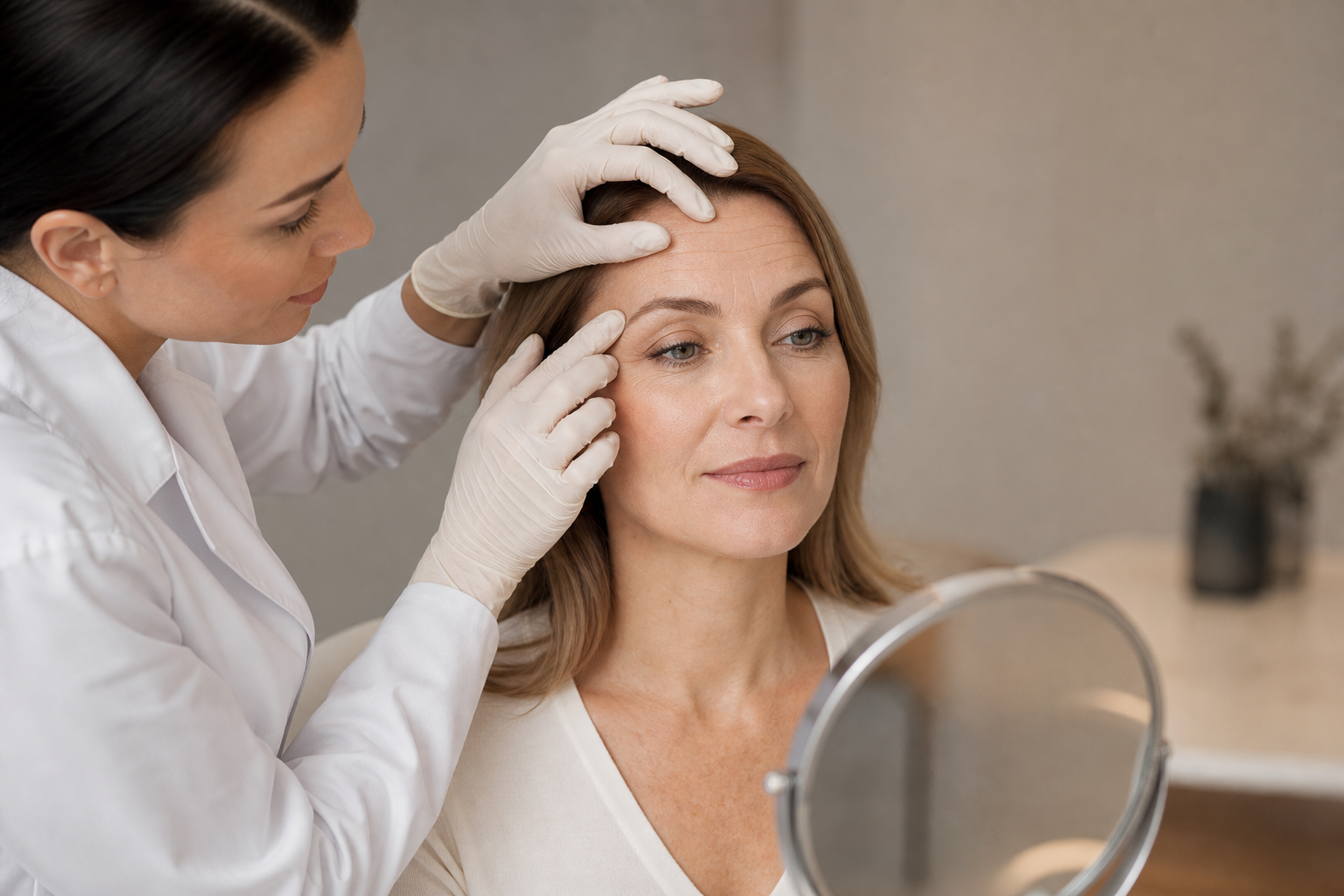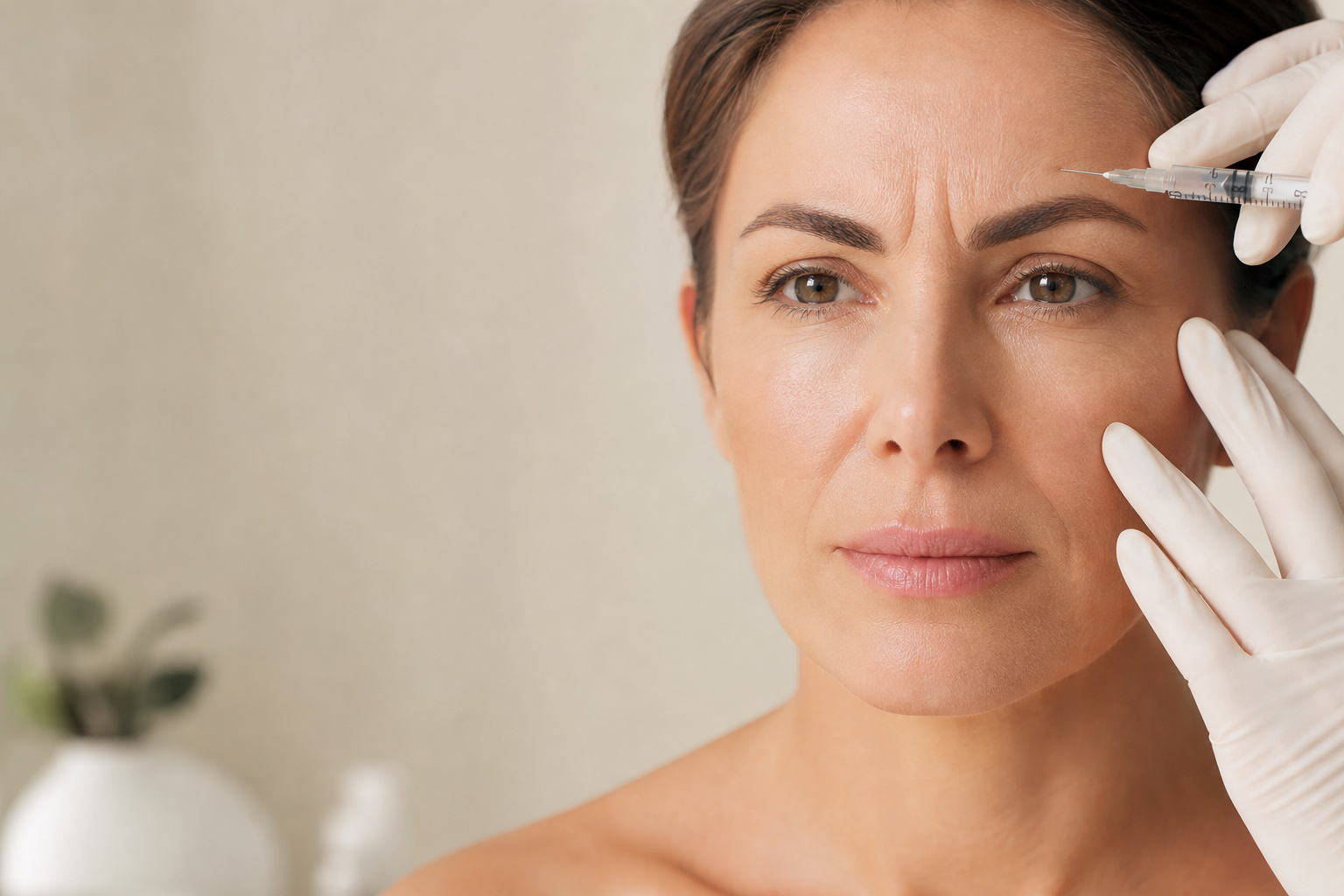
Rejuvenating specific areas of the face and body has become a refined pursuit in contemporary skincare and aesthetic medicine. This targeted approach focuses on restoring a youthful appearance precisely where signs of aging—such as wrinkles, loss of volume, or skin laxity—manifest most prominently. Rather than applying generalized treatments over large regions, this method offers a measured and individualized solution to address localized concerns, enhancing the overall harmony and vitality of one’s appearance.
This topic is particularly relevant to individuals who seek subtle yet effective improvement without resorting to invasive surgery. It serves those noticing early signs of aging in delicate zones like the under-eye area, forehead, or neck, as well as those aiming to correct specific imperfections such as furrowed brows or vertical lip lines. Rejuvenating particular regions provides a customizable path, catering both to prevention and correction with minimal downtime, often blending seamlessly into ongoing skincare routines.
In an age saturated with options—from topical creams brimming with active ingredients to advanced non-invasive procedures—the ability to select treatments tailored to specific facial or body zones empowers patients to attain natural-looking results efficiently. This article delves into the practice of rejuvenating individual regions, exploring the skin’s aging nuances in various areas, effective interventions available today, and how they align with personal skincare goals and lifestyles.
What Defines Rejuvenation of Specific Facial and Body Regions?
Rejuvenation of particular areas pertains to a focused cosmetic or dermatological strategy that improves the skin’s condition and appearance in targeted zones prone to visible aging. Unlike comprehensive treatments that treat the face or body in its entirety, this approach zeros in on problem areas reflecting unique concerns such as fine lines, sagging, discoloration, or texture irregularities.
Typical zones of focus include the periorbital region—the delicate skin beneath and around the eyes—where signs of fatigue emerge early; the forehead and glabellar lines that convey stress or age; the area above the lips, susceptible to vertical wrinkles; as well as key body areas like the neck, décolleté, and hands, which often betray age due to their thinner skin and exposure. Each site presents distinct anatomical and physiological challenges demanding tailored modalities.
This precision-based approach achieves multiple layers of skin restoration: smoothing wrinkles, enhancing hydration and elasticity, improving skin texture and tone, and sometimes replenishing volume. The treatments employed—ranging from topical agents and light-based technologies to strategically applied injectables and energy devices—are selected and combined thoughtfully to suit the specific characteristics and needs of each region.
Who Benefits Most from Rejuvenating Targeted Facial or Body Areas?
Nearly any adult experiencing localized signs of aging can find benefit in region-specific rejuvenation treatments. Particularly, those who are in the early or moderate stages of aging changes stand to gain by arresting progression and restoring freshness without extensive intervention. Patients who desire to address discrete aesthetic concerns—such as "crow’s feet," forehead lines, or neck laxity—without altering the entire face also represent ideal candidates.
Individuals looking for preventive strategies to maintain youthful skin may also embrace targeted therapies to support natural collagen production and skin resilience in vulnerable areas. Conversely, people seeking correction of asymmetry, pigmentation issues, or volume loss localized in small zones find these treatments a versatile and less intrusive alternative to surgery or full-face procedures.
The flexibility in treatment intensity and modality—as well as minimal downtime—makes rejuvenation of specific areas accessible and attractive to busy professionals or those hesitant about invasive techniques. Ultimately, a personalized consultation with a skincare specialist or aesthetic practitioner will clarify candidacy based on skin condition, medical history, and desired outcomes.
What Are the Most Common Facial and Body Regions Targeted for Rejuvenation—and Why?
The decision of which areas to rejuvenate uniquely depends on individual aging patterns, hereditary factors, external environmental exposure, and aesthetic goals. Nevertheless, several regions commonly demand focused attention due to their anatomical vulnerability or the expressive role they play in facial dynamics.
Under-Eye Area: This zone often exhibits early signs of aging attributable to its thin skin and delicate vasculature. Dark circles, puffiness, fine lines, and volume loss contribute to a fatigued appearance, making rejuvenation here paramount for a refreshed look.
Forehead and Between the Eyebrows (Glabellar Region): Frequent muscle movement causes horizontal wrinkles and vertical frown lines that age and sometimes harden facial expression. Addressing these lines can restore a smoother, more relaxed visage.
Peri-Labial Zone Including Vertical Lip Lines: Often called smoker’s lines, these wrinkles around the mouth result from repetitive motion and collagen diminution, impacting one’s smile and lip definition.
Nasolabial Folds: Deepening of these folds, running from the nose’s sides to mouth corners, can add years to the face by casting shadows and creating a tired look.
Neck and Décolleté: Frequently exposed to sun and possessing thinner skin, these areas develop wrinkles, crepey texture, and sagging, making them highly visible indicators of aging.
Hands and Other Body Sites: The hands, as well as localized body regions showing skin laxity or pigmentation, increasingly become popular targets for rejuvenative procedures due to their exposure and aging signs.
Which Techniques and Treatments Offer the Most Effective Rejuvenation for Specific Areas?
Advances in aesthetic medicine have expanded available modalities, allowing clinicians to select or combine interventions tailored to specific regional skin needs. Treatment choice depends on factors including skin condition, depth of aging changes, patient tolerance, and recovery considerations.
Topical Anti-Aging Products: Serums and creams enriched with retinoids, peptides, antioxidants like vitamin C, and hyaluronic acid form the foundation for nurturing skin texture and elasticity across localized zones. Consistent application primes skin for medical aesthetic procedures.
Non-Invasive Device-Based Therapies: Technologies such as radiofrequency, intense pulsed light (IPL), and fractional lasers stimulate collagen remodeling and target pigmentation, making them valuable for areas like the neck, décolleté, and periorbital skin. Additionally, ultrasound-based treatments like HIFU provide deeper lifting effects without downtime.
Minimally Invasive Injectables: Botulinum toxin injections effectively relax dynamic wrinkles on the forehead and around the eyes, improving expression lines. Dermal fillers using hyaluronic acid or other substances restore volume to nasolabial folds and lip borders, softening deep creases.
Microneedling and Collagen Stimulation: This technique creates controlled micro-injuries to provoke the skin’s self-repair mechanisms, enhancing texture and firmness in fragile areas.
Chemical Peels: Tailored chemical peels reduce superficial discoloration, fine lines, and improve skin renewal especially on the face and neck.
These modalities can be administered individually or synergistically depending on patient needs, with the benefit of highly customizable protocols. Consultation with an experienced provider ensures the selection of the safest and most effective treatments for the designated region.
How Does Rejuvenation of the Delicate Under-Eye Area Work, and Why Is It Crucial?
The skin surrounding the eyes presents unique challenges due to its thinness and constant movement. Early signs of aging here—such as dark circles, puffiness, and wrinkles—can visually age a person considerably. Therefore, rejuvenation of this zone is both a cosmetic and self-esteem priority.
Procedures focus on boosting circulation, enhancing hydration, and encouraging collagen and elastin synthesis. Non-invasive approaches include specialized serums with peptides and antioxidants, gentle lymphatic drainage massage, and cold compress treatments to reduce puffiness. Devices that stimulate collagen without injury, like low-level laser therapy or radiofrequency, complement these measures.
Minimal invasive options such as injectable fillers replenish lost volume, smoothing tear trough depressions. Advanced patients may benefit from carefully performed skin tightening treatments or blepharoplasty if sagging interferes with function.
Effective rejuvenation restores luminosity, reduces shadowing, and returns a rested appearance, essential for youthful vitality. Given the eyes’ expressive importance, targeted rejuvenation here offers significant aesthetic impact with moderate effort.
When Should Individuals Consider Treating Forehead and Glabellar Lines?
Forehead wrinkles and frown lines develop from repetitive muscle activity, stress, and declining collagen. They often emerge in early adulthood and deepen over time, resulting in a fatigued or stern facial expression. Early intervention can prevent them from becoming pronounced and less responsive to treatment.
Non-invasive anti-aging facial treatments can initially address mild lines by hydrating and stimulating skin cells. Botulinum toxin injections are a mainstay for relaxing hyperactive muscles, softening both horizontal and vertical wrinkles. In some cases, adjunct therapies such as microneedling or chemical peels may be used to improve skin texture and tone.
Timely management preserves a natural, animated appearance and may reduce the need for more invasive interventions later. Patients who notice increased visibility of these lines or a tired expression benefit from professional evaluation to devise an appropriate treatment plan.
What Results Can Patients Expect from Rejuvenation of Nasolabial Folds and Perioral Vertical Lines?
Nasolabial folds and vertical lines around the lips are common concerns that contribute prominently to the perception of facial aging. The loss of facial volume, collagen degradation, and skin laxity deepen these lines, altering facial contours.
Treatments commonly involve the use of hyaluronic acid fillers to restore volume along these creases, providing an immediate lifting effect and smoothing the skin's surface. Coupled with skin resurfacing techniques or laser treatments, these methods encourage natural collagen production, leading to improved skin quality and sustained rejuvenation.
Patients can expect a refreshed, softer appearance with ameliorated fine lines and folds. A subtle enhancement that respects the individual's natural anatomy is paramount to achieving satisfaction and avoiding an overdone look.
Overall, addressing these areas renews facial balance and expression, contributing to lasting confidence and aesthetic harmony.
What Are the Options and Importance of Treating Drooping Eyelids?
Drooping or ptotic eyelids arise from skin laxity, muscle weakening, and loss of underlying fat, impacting both appearance and sometimes vision. Reduction in eyelid tone tends to cast shadows on the eyes, making the face tired or aged.
Interventions range from skin tightening with focused radiofrequency or ultrasound devices to strengthen dermal layers, to minimally invasive blepharoplasty procedures for excess skin removal and contour restoration. In some cases, neuromodulators or fillers may support lifting of surrounding tissues.
Restoring eyelid position and skin firmness enhances the eyes’ expressiveness and can have a rejuvenating ripple effect, refreshing the entire visage. Such treatments are particularly valuable for those experiencing functional issues or desiring a natural, open-eyed look without extensive surgery.
What Should Patients Know About Post-Treatment Care After Targeted Rejuvenation?
Optimal skin care following localized rejuvenation ensures the longevity of results and minimizes complications. Patients are advised to maintain adequate hydration, apply prescribed moisturizers, and adhere to sun protection rigorously, as UV exposure can counteract treatment benefits.
When active ingredients like retinoids are part of the therapy, cautious introduction after procedures minimizes irritation. Patients should follow specialized guidelines regarding cleansing routines and avoid harsh products initially. Refraining from excessive heat, strenuous activity, or aggressive facial massage facilitates healing in the treated regions.
A balanced diet, sufficient water intake, and avoidance of tobacco substances support intrinsic skin restoration. Regular follow-ups with skincare professionals allow for adjustment of regimens as skin responds, ensuring sustained improvement.
Frequently Asked Questions Regarding Rejuvenating Specific Regions
Are needle-free anti-aging treatments effective for localized rejuvenation?
Modern non-invasive therapies harness cutting-edge technology to stimulate collagen and increase hydration, offering noticeable enhancements without procedural risks associated with needles or surgery.
What recovery periods can one anticipate post-treatment?
The majority of non-invasive treatments involve minimal to no downtime, permitting quick return to routine activities. More involved minimally invasive procedures may require a few days of caution to optimize healing.
Is combining different treatments advisable?
Complementary use of multiple modalities tailored to individual concerns often leads to superior outcomes, but should be guided by clinical evaluation to ensure safety and efficacy.