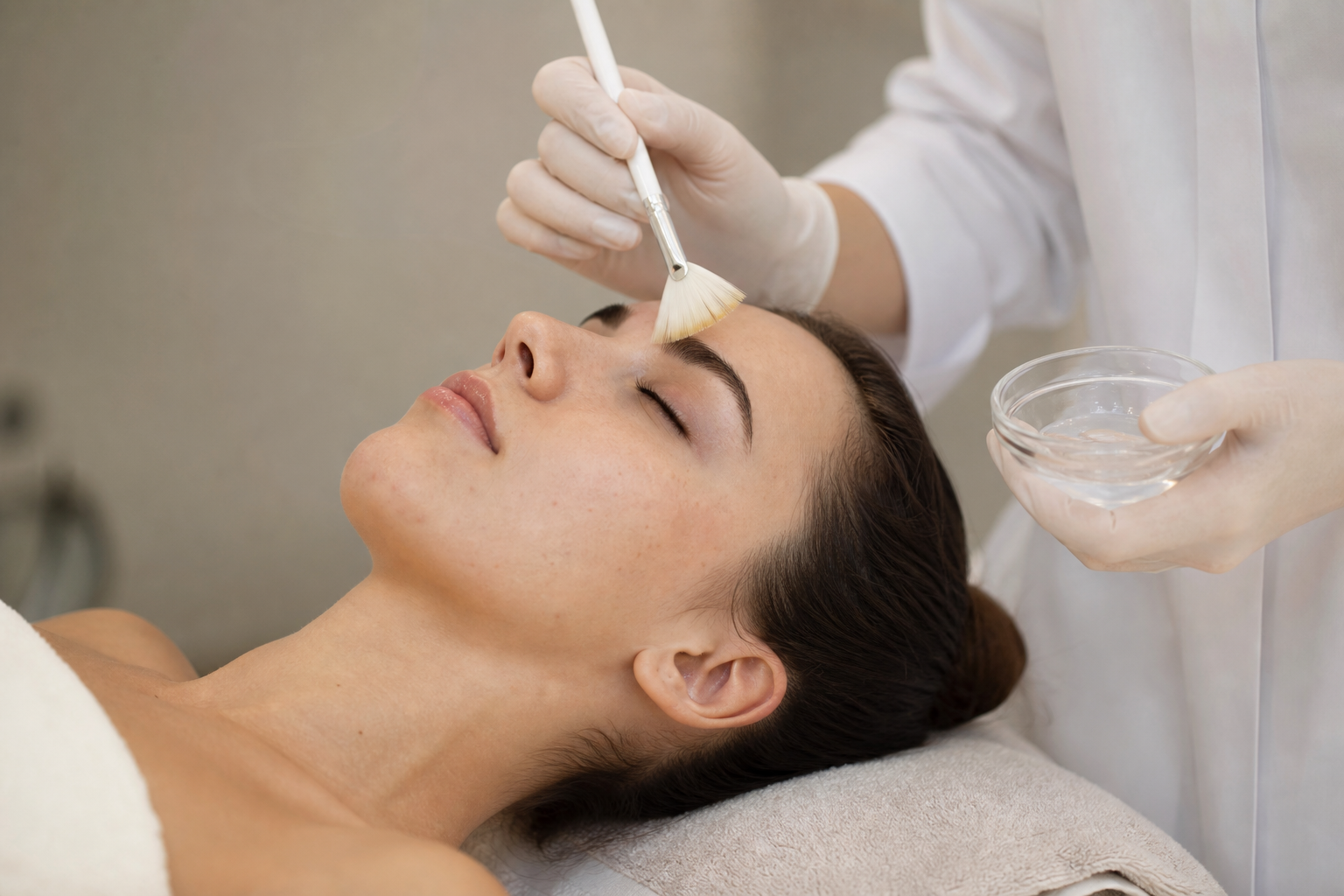
Comedonal acne presents a unique challenge within the spectrum of acne disorders, especially for those seeking both clear skin and anti-aging benefits. Characterized primarily by closed comedones (whiteheads) and open comedones (blackheads), this form of acne stems from clogged pores filled with sebum and dead skin cells. Such lesions often lead to uneven skin texture and can be aesthetically concerning, prompting those affected to explore effective treatment options. One prominent method in the realm of skincare and dermatology is chemical peeling—a controlled process that exfoliates the upper layers of the skin to promote regeneration and clear blocked follicles.
Understanding which peels are most suitable for comedonal acne, particularly when integrated into a broader anti-aging facial treatment protocol, is crucial. Choosing the optimal peel involves balancing efficacy with skin sensitivity, safety, and the desired rejuvenating effects. This comprehensive discussion is aimed at individuals grappling with comedonal acne who seek refined, expert advice on treatment choices and practical outcomes beyond superficial promises. By delving into indications, expected results, limitations, and safety considerations, the article also underscores the importance of professional guidance in tailoring treatments to individual skin profiles.
Whether you are embarking on professional dermatological treatments, considering advancements to your home skincare routine, or simply wish to deepen your understanding of acne management within anti-age interventions, this guide will clarify the nuances that inform the best peels for comedonal acne. This area of focus not only supports clearer skin but also contributes to a youthful, radiant complexion by improving skin texture and promoting cellular turnover, fundamental aspects of effective anti-aging care.
What Are Comedonal Acne and Why Are Chemical Peels Important for Its Management?
Comedonal acne is characterized mainly by non-inflammatory lesions resulting from clogged pores containing keratin and sebum. Unlike inflammatory acne, comedonal acne manifests as blackheads and whiteheads, exhibiting a skin texture that appears congested and uneven. These lesions often resist superficial cleansing and require targeted approaches to address the underlying follicular blockage.
Chemical peels play a significant role by exfoliating the skin’s outer layers, thereby removing accumulated dead cells and excess oil that contribute to pore obstruction. This exfoliation not only reduces the formation of new comedones but also creates an optimal environment for the absorption of active skincare ingredients that aid in long-term maintenance and repair.
The importance of chemical peels in treating comedonal acne within anti-aging regimens lies in their dual functionality. Apart from clearing follicular blockages, well-chosen peels can stimulate collagen production and improve overall skin texture, factors that contribute to a more youthful and luminous appearance. Hence, selecting the appropriate peel requires careful consideration of both acne-fighting efficacy and skin rejuvenation benefits.
How Do Different Types of Chemical Peels Work on Comedonal Acne?
Chemical peels are categorized based on their depth of penetration and the active ingredients they contain. For comedonal acne, the focus is primarily on superficial to medium-depth peels that safely dissolve the keratin plugs and exfoliate the epidermis without excessive irritation.
Beta hydroxy acids (BHAs), especially salicylic acid, are among the most effective agents for comedonal acne. Because salicylic acid is lipophilic, it penetrates oily pores effectively, dissolving the lipid buildup that forms comedones. Furthermore, it exhibits anti-inflammatory properties, reducing subtle redness that may accompany clogged pores. This makes salicylic acid peels particularly well-suited for sensitive or acne-prone skin types.
Alpha hydroxy acids (AHAs), such as glycolic and lactic acids, are also used in chemical peels for comedonal acne. These water-soluble acids work by loosening the cellular bonds in the outermost skin layers, promoting desquamation and skin renewal. Although AHAs are less targeted towards oil-soluble debris, they contribute to improving skin texture and brightness, which complements the anti-acne objective.
Enzyme peels derived from natural proteolytic enzymes may serve as gentle adjuncts but generally lack the potency to resolve moderate to severe comedonal acne completely. Mechanical peels, involving physical exfoliation, risk skin microtrauma and are typically not recommended as a primary treatment for this acne subtype.
Which Chemical Peels Are Considered Best for Comedonal Acne?
Among the wide array of chemical peels tailored for acne-prone skin, several stand out for their balance of safety and efficacy in treating comedonal acne:
Salicylic Acid Peels: Salicylic acid peels generally range between 20% and 30% concentration and offer excellent penetration, making them highly effective in clearing clogged pores. These peels reduce sebum production mildly and exhibit mild keratolytic action, which helps in dissolving comedones without provoking excessive dryness or irritation when used properly under professional supervision.
Glycolic Acid Peels: Glycolic acid, typically at 20% to 70% concentrations in peel formulations, promotes epidermal renewal and improves skin surface irregularities. Though less specific than salicylic acid for oily, comedone-prone areas, glycolic peels are valued for their skin-smoothing and brightening effects, enhancing the outcomes of acne management when combined with other treatments.
Mandelic Acid Peels: Mandelic acid, an AHA derived from bitter almonds, offers a larger molecular size than glycolic acid, resulting in a slower penetration that reduces irritation potential. This makes it favorable for sensitive or darker skin types with comedonal acne, providing moderate exfoliation while minimizing the risk of pigmentation changes often associated with more aggressive peels.
Jessner’s Peel: This combination peel blends salicylic acid, lactic acid, and resorcinol, providing multifaceted exfoliation. While effective in treating mixed acne types, including comedonal lesions, Jessner’s peels require careful application by skilled practitioners due to their potency and possible side effects such as skin peeling and transient redness.
What Are the Expected Outcomes and Limitations of Chemical Peels for Comedonal Acne?
Appropriately selected and professionally administered chemical peels can significantly reduce the appearance and frequency of comedonal acne. Many patients experience smoother skin texture, more refined pores, decreased oiliness, and enhanced luminosity post-treatment. The stimulation of epidermal turnover helps maintain clearer skin by preventing dead cell accumulation.
It is important to maintain realistic expectations. Chemical peels do not provide immediate or permanent eradication of acne. Multiple sessions are often required to achieve optimum results, typically spaced several weeks apart to allow for skin recovery and gradual improvement.
Certain chemical peels may be less effective for inflammatory or cystic acne, for which other treatments such as topical retinoids, antibiotics, or systemic medications might be necessary. Moreover, peels do not address underlying hormonal or genetic factors contributing to acne, so they are best viewed as one element within a comprehensive skincare strategy.
Limitations also include potential side effects such as transient redness, mild peeling, dryness, or sensitivity to sunlight post-procedure. Overuse or inappropriate concentrations can exacerbate skin irritation, underscoring the need for professional assessment and personalized treatment planning.
What Safety Considerations Should Patients Keep in Mind When Opting for Chemical Peels?
Ensuring safety during chemical peeling involves evaluating individual skin type, sensitivity, underlying skin conditions, and history of reactions to chemical agents. Patients with active infections, open wounds, or certain chronic dermatologic conditions may not be ideal candidates for peeling treatments without prior medical evaluation.
Professional oversight guarantees that the type and concentration of peel are matched to the patient’s skin and acne severity. Additionally, pre-treatment preparation, including the use of specific skincare products that stabilize the skin barrier, can optimize peel efficacy and safety. Post-peel care is equally critical, involving sun protection, moisturization, and avoiding exfoliating agents to prevent complications.
Pregnancy, certain medications (such as isotretinoin), and recent cosmetic procedures may contraindicate chemical peeling or necessitate adjusted protocols. Open communication with a qualified dermatologist or licensed skincare professional ensures these variables are adequately considered.
When Should You Consult a Qualified Professional About Chemical Peels for Comedonal Acne?
While mild comedonal acne may be addressed using over-the-counter exfoliating products containing low concentrations of acids, the decision to pursue chemical peels should be made in consultation with a skincare professional. This is particularly true for moderate to severe cases or when incorporating peels into anti-aging regimens, where skin sensitivity and cumulative treatment effects must be managed carefully.
Professional consultation provides an opportunity for comprehensive skin assessment, identification of any contraindications, and the establishment of a tailored treatment plan. This approach minimizes risk and maximizes the likelihood of achieving desired outcomes efficiently.
Furthermore, dermatologists and licensed aestheticians can guide patients on complementary therapies such as topical retinoids, photoprotection, and lifestyle adjustments, enhancing overall skin health and the longevity of results.
How Can Chemical Peels Be Integrated Into an Anti-Aging Facial Treatment for Patients With Comedonal Acne?
Integrating chemical peels into an anti-aging facial program requires balancing exfoliation depth with the skin’s regenerative capacity and tolerance. For comedonal acne, superficial peels invoking mild to moderate exfoliation are preferred, as these approaches effectively unclog pores while stimulating collagen synthesis and improving skin tone.
Sequential treatments incorporating gentle peels like salicylic or mandelic acid can create a foundation for enhanced cell turnover, which supports the visible reduction of fine lines and discolorations alongside acne management. Additionally, combining peels with antioxidant-rich serums, hydrating masks, and photoprotection optimizes skin recovery and defense against environmental stressors.
Professional guidance ensures that peeling frequency, concentration, and complementary modalities align with the patient’s age, skin resilience, and aesthetic goals. Such personalization promotes a balanced outcome, improving both acne lesions and signs of skin aging simultaneously.
What Is the Patient Experience and Recovery Like Following Chemical Peels for Comedonal Acne?
Post-peel skin usually experiences mild erythema and a gentle peeling phase lasting several days. The degree of discomfort is largely dependent on the peel’s strength and the individual’s skin sensitivity. Most patients tolerate superficial peels well, often resuming normal activities within 24 to 48 hours.
Proper aftercare, including hydration, gentle cleansing, and sunscreen use, is essential to facilitate healing and protect newly revealed skin layers. Patients may notice improved clarity and softness within one to two weeks, though cumulative treatments are often necessary for sustained results.
It is important to avoid picking at peeling skin to prevent scarring or pigmentation issues. Regular follow-up visits allow practitioners to adjust protocols based on healing progression and treatment response.
Common Questions About Chemical Peels for Comedonal Acne
Can chemical peels make comedonal acne worse? When performed improperly or using aggressive concentrations, chemical peels can irritate the skin and exacerbate acne. Professional oversight mitigates this risk.
Are chemical peels painful? Most superficial peels cause a mild tingling or warming sensation but are generally well-tolerated without anesthesia.
How many treatments are needed to see results? Typically, a series of 4 to 6 treatments spaced 2 to 4 weeks apart yields noticeable improvements, though this varies by individual.
Can I combine chemical peels with other acne treatments? Yes, in many cases peels complement topical regimens, but it is important that combinations be managed by a professional to avoid irritation.


