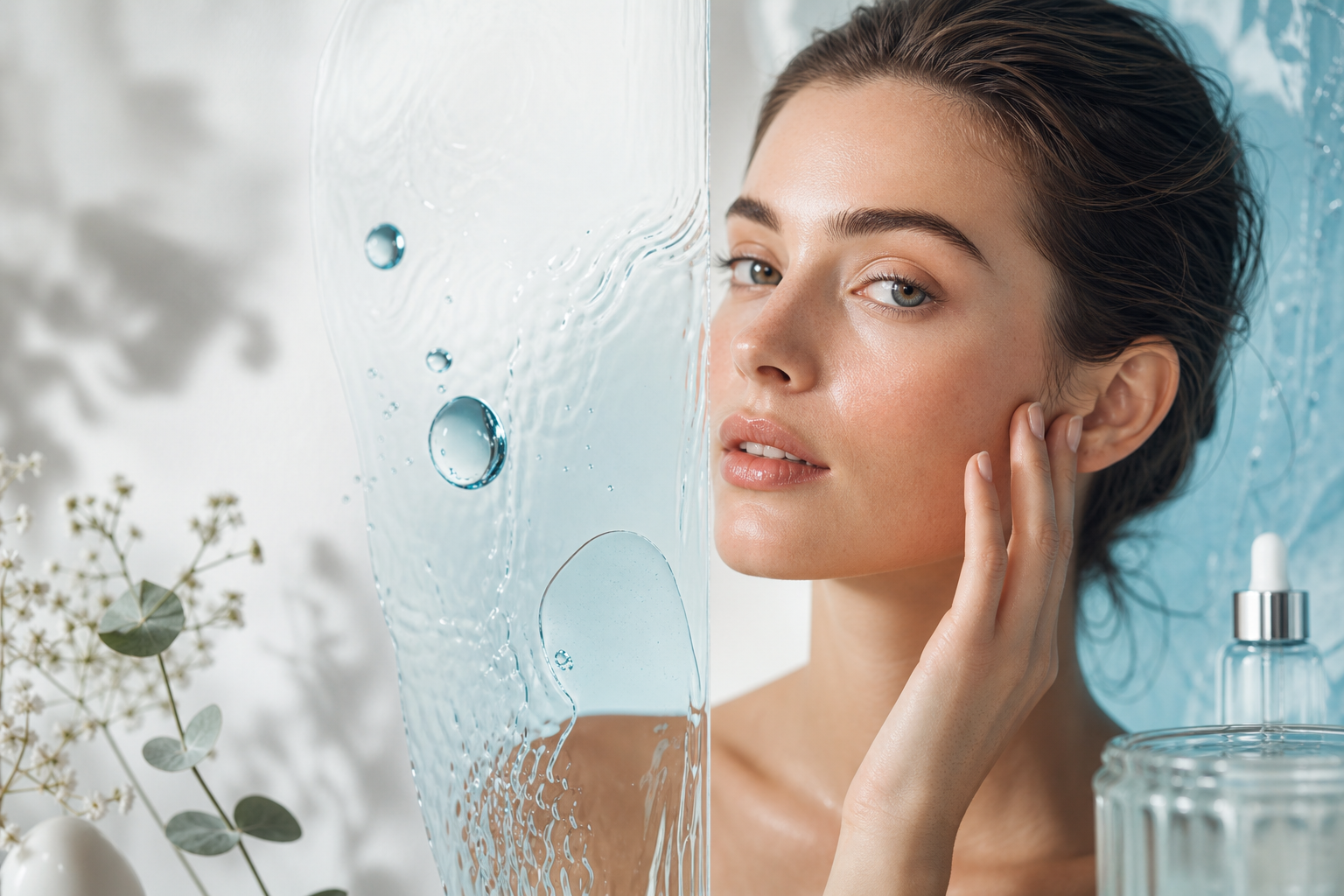
Dehydrated skin is a widespread yet frequently misunderstood condition affecting individuals across diverse age groups and skin types. While often confused with dry skin, dehydrated skin represents a distinct physiological state characterized by a deficit in the skin's water content rather than a lack of natural oils. This subtle but critical distinction influences how one should approach diagnosis, care, and treatment to restore and maintain optimal skin health and appearance.
Understanding what dehydrated skin entails, identifying who is most susceptible, and recognizing why this knowledge matters is essential for anyone invested in effective skincare—whether healthcare professionals, skincare therapists, or individuals experiencing skin concerns firsthand. This editorial aims to unravel the complexities behind dehydrated skin, offering an in-depth exploration of its causes, symptoms, and tailored management strategies that align with contemporary skin hydration science and non-invasive treatment paradigms.
Addressing dehydrated skin properly is not merely a matter of aesthetic preference; it is foundational for preserving the skin's fundamental barrier functions, resilience against environmental aggressors, and natural renewal capacity. An informed approach empowers readers to distinguish dehydrated skin from other types, choose suitable skincare protocols, and appreciate when professional intervention could augment home care efforts.
Defining Dehydrated Skin: What Does It Mean and How Is It Different?
At its core, dehydrated skin is a condition that occurs when the skin’s water content falls below optimal levels within the epidermal layers. This condition contrasts sharply with dry skin, which primarily correlates to decreased sebum (oil) production resulting in lipid deficiency. Dehydration affects all skin types, from oily to combination and dry, and is characterized by several hallmark symptoms that can often be confused with dry skin, such as tightness, dullness, flakiness, and the appearance of fine lines.
Water molecules within the epidermis are crucial for maintaining flexibility, a smooth texture, and a luminous complexion. When water content diminishes, the skin’s protective lipid barrier becomes compromised, leading to increased transepidermal water loss (TEWL) and reduced capacity to fend off external irritants. This barrier disruption hinders normal skin regeneration, making the surface more vulnerable and easily sensitized.
It is vital to emphasize that dehydrated skin is a temporary and reversible state—though persistent neglect or underlying health concerns can extend its duration. Recognizing that dehydration relates specifically to water deficiency shifts the treatment focus toward replenishing hydration and restoring barrier integrity rather than solely adding oils, which remain essential for dry skin types.
Who Is Most Affected by Dehydrated Skin and Why Does It Matter?
Dehydrated skin can impact anyone but is particularly common among individuals exposed to certain environmental and lifestyle factors. Those frequently transitioning between dry indoor atmospheres—such as offices with air conditioning or heating—and variable outdoor climates are at higher risk. Exposure to extreme weather conditions, whether intense cold or heat, can exacerbate water loss from the skin surface.
Individuals using harsh cleansing products or over-exfoliating may unintentionally strip away protective barriers, accelerating dehydration. Hormonal fluctuations during puberty, pregnancy, or menopause also influence skin’s hydration status, often rendering these periods challenging for maintaining skin balance.
Moreover, skin conditions such as atopic dermatitis or rosacea inherently involve compromised barrier functions, increasing susceptibility to dehydration. In such contexts, tailored dermatological management is critical. Recognizing these vulnerable groups enables more precise interventions aiming at both symptomatic relief and long-term skin resilience.
What Causes Dehydrated Skin? Exploring Underlying Mechanisms and Factors
The genesis of dehydrated skin revolves around disruptions to the skin’s natural moisture retention systems. Chief among these is damage or depletion to the hydrolipidic film—a micro-thin layer of oils and water that protects the skin and traps moisture. When this film is compromised by environmental aggressors like ultraviolet radiation, pollution, or cold winds, water evaporates more readily from the epidermis.
Further, irregularities in the intercellular lipids that cement skin cells together diminish the skin’s capability to hold water. Aging skin exacerbates this issue by naturally producing fewer lipids and structural proteins, contributing both to a drying sensation and visible signs of dehydration.
Additional internal contributors include systemic dehydration due to insufficient water intake and nutritional deficits that impair cellular repair and barrier function. Over-washing with hot water and using alkaline or abrasive cleansers also remove vital oils, indirectly promoting water loss.
How Can You Tell if Your Skin Is Dehydrated? Recognizing the Symptoms
Identifying dehydrated skin involves close observation of subtle cues and changes in skin behavior throughout the day. Commonly reported symptoms include a persistent sensation of tightness especially after cleansing, increased flaking or peeling, patchy roughness, and the early manifestation of fine lines that become more pronounced with expression.
Visually, dehydrated skin may appear dull or lifeless, lacking the usual radiance of well-hydrated skin. Subjective discomfort and sensitivity to products are also red flags indicating impaired barrier function.
One practical home assessment is the gentle pinching or lifting test of skin on the hand or cheek. If the skin remains elevated and folds slowly smooth back into place, this may signal reduced elasticity consistent with dehydration. However, this is an informal technique and professional evaluation can provide a far more accurate diagnosis through measurements like transepidermal water loss (TEWL).
Understanding the Crucial Differences Between Dry and Dehydrated Skin
While frequently conflated, dry and dehydrated skin differ fundamentally in origin and treatment requirements. Dry skin is a skin type determined genetically or physiologically by reduced sebum, which diminishes lipid layers protecting skin from water loss. Conversely, dehydrated skin is a condition affecting the skin’s water content and can occur across any skin type, including oily skin.
This distinction holds practical consequences in skincare selection. Dry skin benefits from emollients rich in oils and lipids to supplement deficient protection. In contrast, dehydrated skin demands formulations rich in humectants and ingredients that bolster moisture retention like hyaluronic acid, glycerin, ceramides, and niacinamide.
How to Restore Hydration at Home: Effective Skincare Practices
Replenishing moisture in dehydrated skin hinges on gentle cleansing and targeted hydration. Opt for mild, pH-balanced cleansers or cleansing milks that preserve the skin's natural oils while removing impurities. Avoid hot water and excessive washing that strip protective lipids.
Post-cleansing, application of hydrating toners or essences containing humectants supports water binding in the epidermis. Following this, use moisturizers with a combination of humectants, emollients, and occlusives to attract water, nourish cellular membranes, and form a protective barrier against water loss.
Incorporating serums loaded with hydrating actives such as hyaluronic acid can amplify skin moisture content and improve texture. Consistent use, alongside adequate water consumption and balanced nutrition featuring antioxidant vitamins, establishes a strong foundation for rehydration.
When to Seek Professional Care: Recognizing the Limits of Home Treatment
If symptoms of dehydration persist despite diligent home care, or if complications such as redness, irritation, or exacerbated flaking arise, consulting a dermatologist or skin care professional becomes advisable. Professionals can ascertain underlying causes through skin analysis and may recommend non-invasive treatments tailored to augment hydration and reinforce barrier function.
Advanced procedures might include hydrating facial treatments employing serums with active ingredients, light therapy for barrier repair, or specialized masks enhancing moisture absorption. In cases linked with underlying skin diseases, medical regimens addressing inflammation and barrier restoration are critical for lasting resolution.
Aligning Expectations: What Realistic Outcomes Can You Anticipate?
Reversing skin dehydration is a gradual process necessitating consistent and thoughtful care. While some relief from discomfort and dryness may occur swiftly upon initiating the right regimen, durable restoration of hydration levels and barrier integrity typically requires weeks to months of steadfast attention.
It’s important to recognize that no single product guarantees immediate or permanent fix; successful recovery involves comprehensive lifestyle, environmental, and skincare adjustments. Monitoring skin responses and working with experts to refine treatment plans maximizes success and prevents relapse.
Frequently Asked Questions Regarding Dehydrated Skin
Can oily skin be dehydrated? Yes, oily skin can simultaneously produce excess sebum while lacking sufficient water content beneath the surface, complicating skincare choices and necessitating hydrating yet non-comedogenic products.
How can dehydrated skin be distinguished from dry skin? Dry skin is characterized by a chronic lack of oil and is a skin type; dehydrated skin is a temporary state due to water loss affecting any skin type. Symptom evaluation and professional assessment help differentiate them.
What role do environmental factors play in skin dehydration? Environmental elements such as low humidity, wind, pollution, and temperature extremes accelerate water loss and compromise barrier integrity, making skin more prone to dehydration.
Are there specific ingredients to seek or avoid in products for dehydrated skin? Seek humectants (e.g., hyaluronic acid, glycerin), barrier-repairing lipids (ceramides), and antioxidants while avoiding harsh surfactants, alcohols, and high pH formulations that can exacerbate water loss.
How important is diet and hydration for managing dehydrated skin? Adequate internal hydration and nutrient-rich diet support skin barrier function and cellular repair, complementing topical treatments to restore moisture balance.


