Spray tanning has emerged as a popular cosmetic procedure for those seeking a sun-kissed glow without the risks associated with UV exposure. Whether for a special occasion, a consistent summer look, or simply a preference for safer skin care alternatives, spray tans offer an appealing way to achieve a tanned appearance through the application of a specialized solution that interacts with the skin's surface. However, the process is more involved than simply stepping into a booth and receiving a spray. One pivotal aspect of ensuring a natural, flattering, and safe result is the consultation that precedes the actual spray tan treatment.
This consultation is designed to provide a comprehensive evaluation of an individual's skin type, tone, personal preferences, and health considerations. It bridges the gap between expectation and result by guiding both the client and the technician toward choices that optimize outcome and comfort. For anyone considering a spray tan—whether a newcomer or a regular user—understanding what occurs during this consultation can demystify the process, set realistic expectations, and emphasize crucial safety considerations.
The significance of the spray tan consultation extends beyond a preliminary discussion. It functions as the foundation for both achieving a visually appealing tan and maintaining skin health. Given the variability in individual skin types, undertones, and sensitivities, the consultation ensures practitioners can tailor the treatment appropriately. It also serves as an educational moment where clients learn about the implications of spray tanning, including the essential fact that it does not provide UV protection, highlighting the necessity of additional sun protection measures.
What Is the Purpose of a Spray Tan Consultation?
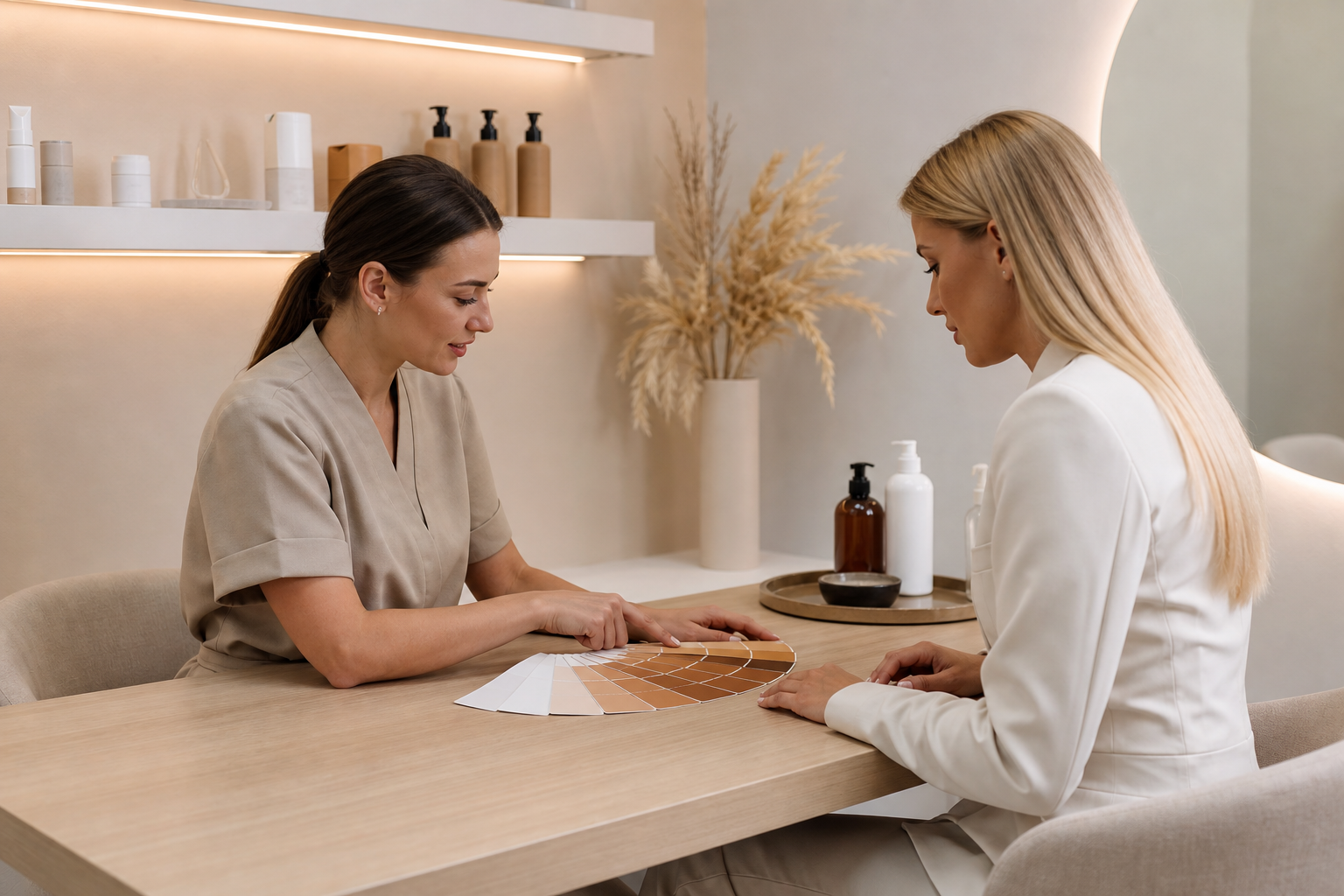
The fundamental goal of a spray tan consultation is to align the client's desired look with the most suitable tanning formula and application technique, informed by the client’s natural skin characteristics and lifestyle. This meeting allows a professional spray tan technician to assess the client's skin type, undertone, and texture to recommend a shade that complements rather than clashes with their inherent coloring.
Furthermore, the consultation presents an opportunity to identify any contraindications that could impact the safety or effectiveness of the spray tan. Clients with certain skin conditions, such as eczema or psoriasis, or those with allergies to particular ingredients, can discuss these concerns upfront, enabling the technician to adjust or advise accordingly. This preparatory step also encompasses instructions for how to prepare the skin before the session and care for it afterward, minimizing the risk of uneven color or irritation.
Beyond the practicalities, the consultation educates clients on what spray tanning entails. Practitioners explain that the procedure relies on dihydroxyacetone (DHA), a compound that temporarily colorizes the skin’s outer layer without penetrating or protecting against UV rays. This clarifies common misconceptions and encourages clients to adopt appropriate post-tan sun protection practices to maintain skin health.
What Information Does a Spray Tan Specialist Collect During Consultation?
During a consultation, spray tan professionals gather detailed information about the client’s skin history, lifestyle, and preferences to customize the treatment effectively. This usually begins with questions regarding any previous tanning experiences or reactions to spray tans, which help the technician understand how the client’s skin may respond.
Additionally, lifestyle inquiries cover the client’s usual sun exposure, skincare routines, and potential allergies or sensitivities, especially to cosmetic ingredients. Medication intake is another critical area of discussion since certain medications can increase photosensitivity or cause irregular color development.
One of the most informative parts of this dialogue revolves around the desired shade of tan. Clients often come with specific color goals; however, technicians provide expert guidance to suggest shades that harmonize with the client’s natural undertones and skin type, avoiding unnatural hues such as excessively orange or overly dark results. For a more in-depth understanding, professionals often refer clients to resources like How Does a Professional Choose the Right Spray Tan Shade? This assessment ensures that expectations align with achievable and flattering outcomes.
How Is Natural Skin Tone and Undertone Assessed?
Assessing natural skin tone and undertone is integral to selecting the perfect spray tan shade. During the consultation, the technician examines areas of skin less affected by sun exposure, such as the inner wrists or the area behind the knees. These sites reveal a true representation of the client's base skin coloring.
Skin undertones generally fall into three categories: cool, warm, and neutral. Recognizing these allows the technician to choose formulations that enhance the client's appearance rather than masking it. For instance, a cool undertone might favor bronzers with subtle pink or red hues, while warm undertones might be complemented by golden or honey shades.
Understanding this process empowers clients to participate actively in shade selection and appreciate the artistry behind the spray tan application.
What Are the Recommended Skin Preparation Steps Before Spray Tanning?
Proper skin preparation plays a decisive role in the longevity and uniformity of a spray tan. During the consultation, professionals advise clients to avoid exfoliating aggressively or waxing immediately before the session, as these practices can make the skin more prone to irritation and uneven color absorption.
Clients are encouraged to come to their appointment with clean, dry skin free of lotions, perfumes, and makeup to prevent any interference with the tanning solution. Additionally, they are guided to avoid activities that induce sweating just prior to the session, as moisture can affect the application process.
If dryness is present, mild moisturizing days before the appointment is recommended, but heavy creams or oils should be avoided on the day itself. These guidelines help ensure that the spray tan develops smoothly and lasts longer.
How Does the Spray Tan Consultation Prepare You for the Treatment Process?
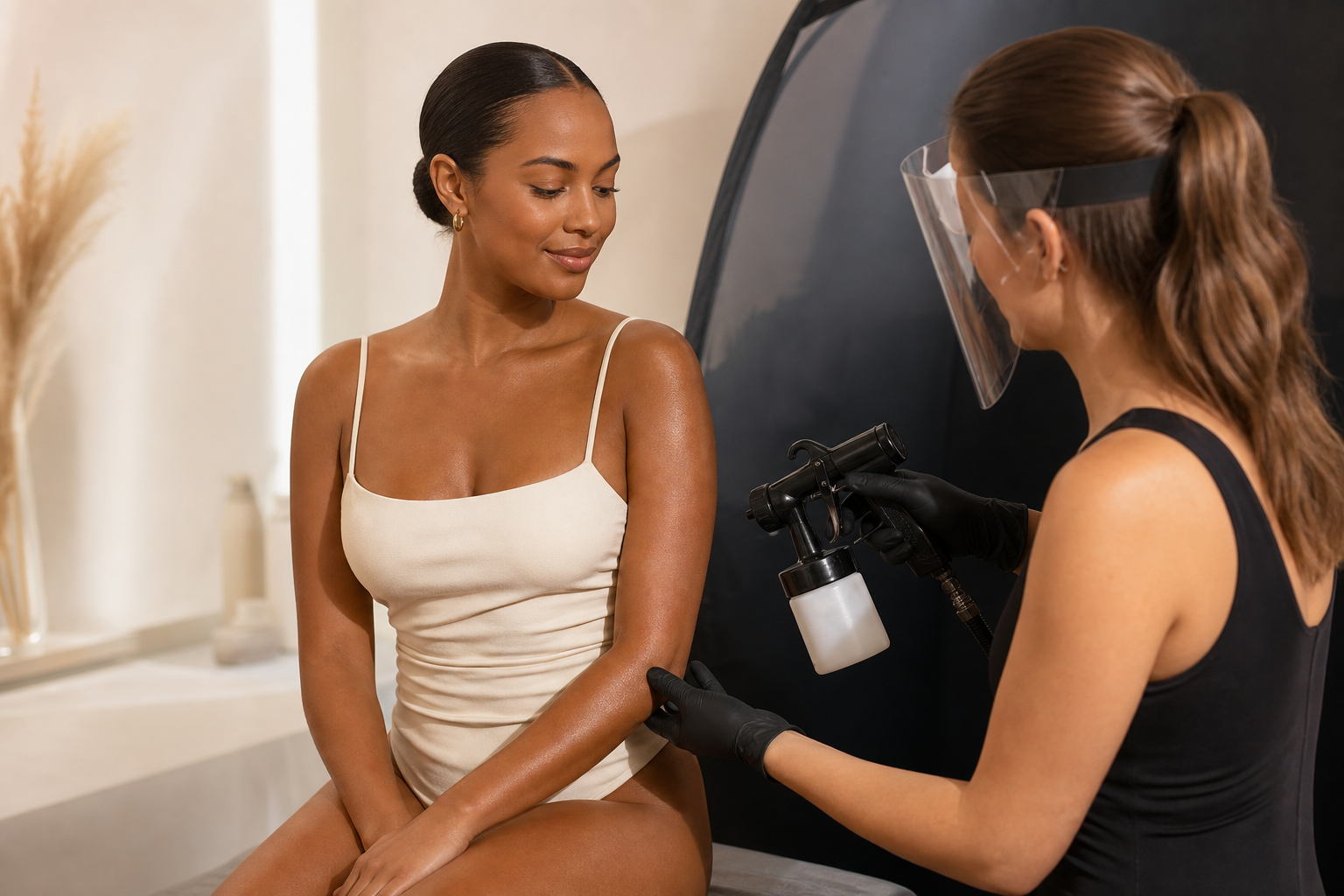
The consultation not only customizes the spray tan but also familiarizes clients with what to expect during the treatment. Technicians outline practical details such as the spray tan booth environment, the duration of the application, and the necessity of certain body positions that facilitate full and even coverage—a topic explored in Do You Need Special Body Positions During a Spray Tan?
Clients also learn about the use of barrier creams, explained in What Is Barrier Cream and Why Is It Used?, which protect areas prone to absorbing too much pigment like palms, soles, and joints, thereby preventing patchiness and unnatural dark spots.
Moreover, clients receive instructions on post-application care, including when to shower, types of products to avoid initially, and how to maintain color vibrancy. This preparatory dialogue reduces surprises and anxiety, leading to a smoother experience.
Why Doesn’t Spray Tan Provide UV Protection, and How Should You Protect Your Skin?
A crucial point addressed in consultations is clarifying that spray tans do not offer protection against the sun’s ultraviolet rays. The tanning agent DHA solely reacts with the skin’s surface layer to produce pigmentation but does not create a physical shield against UV radiation.
Hence, in line with best skin health practices, clients are advised to apply a broad-spectrum sunscreen with at least SPF 30 before sun exposure, regardless of having a spray tan. This is necessary to guard against sunburn, premature aging, and skin cancers.
Educational materials like Spray Tan: The Complete Guide to a Sun-Kissed Look Without UV Exposure further emphasize that clients should not rely on spray tanning for sun protection and should continue standard photoprotection regimens diligently.
Common Questions and Concerns Raised During Consultations
Many clients inquire about the duration of the consultation and whether it is mandatory before every session. Typically, the initial consultation is comprehensive, lasting longer to gather detailed information and set expectations. Follow-up sessions tend to be more concise, focusing on confirming preferences and reviewing any changes in skin condition or medication.
Questions about the necessity and safety of barrier creams, application timing, and the potential impact of personal factors such as gender, body type, or recent skin changes are common. Addressing these questions upfront fosters trust and ensures individualized care optimized to the client’s needs.
Concerns regarding the spray tan color tone, fade timeline, and potential stains on clothing or bedding are also openly discussed to align expectations.