Understanding how skin tans under ultraviolet (UV) radiation is essential for anyone curious about the biological effects of sun exposure and the associated health implications. Tanning, often perceived as a cosmetic enhancement, is in reality a complex photobiological response triggered by UV rays impacting the skin. This process is not merely about darkening the skin's appearance but involves intricate cellular mechanisms with tangible effects on skin health.
This article is aimed at individuals seeking an evidence-based, non-promotional explanation of the tanning process under UV radiation. It delves into the physiology of skin pigmentation changes, the types of UV radiation responsible, and why there is no established safe threshold for UV exposure—critical knowledge considering the classification of UV radiation as a Group 1 carcinogen by the International Agency for Research on Cancer (IARC). It also emphasizes the importance of consulting healthcare professionals regarding any symptoms, treatments, or medication interactions related to UV exposure.
Exploring these facets is vital not only for those striving to achieve a tan safely but also for anyone interested in skin health, dermatology, photoprotection, and cancer prevention. A clear grasp of how UV radiation induces skin tanning can empower more informed decisions on sun exposure, protective strategies, and recognizing warning signs warranting professional attention.
What Happens in the Skin When It Tans?
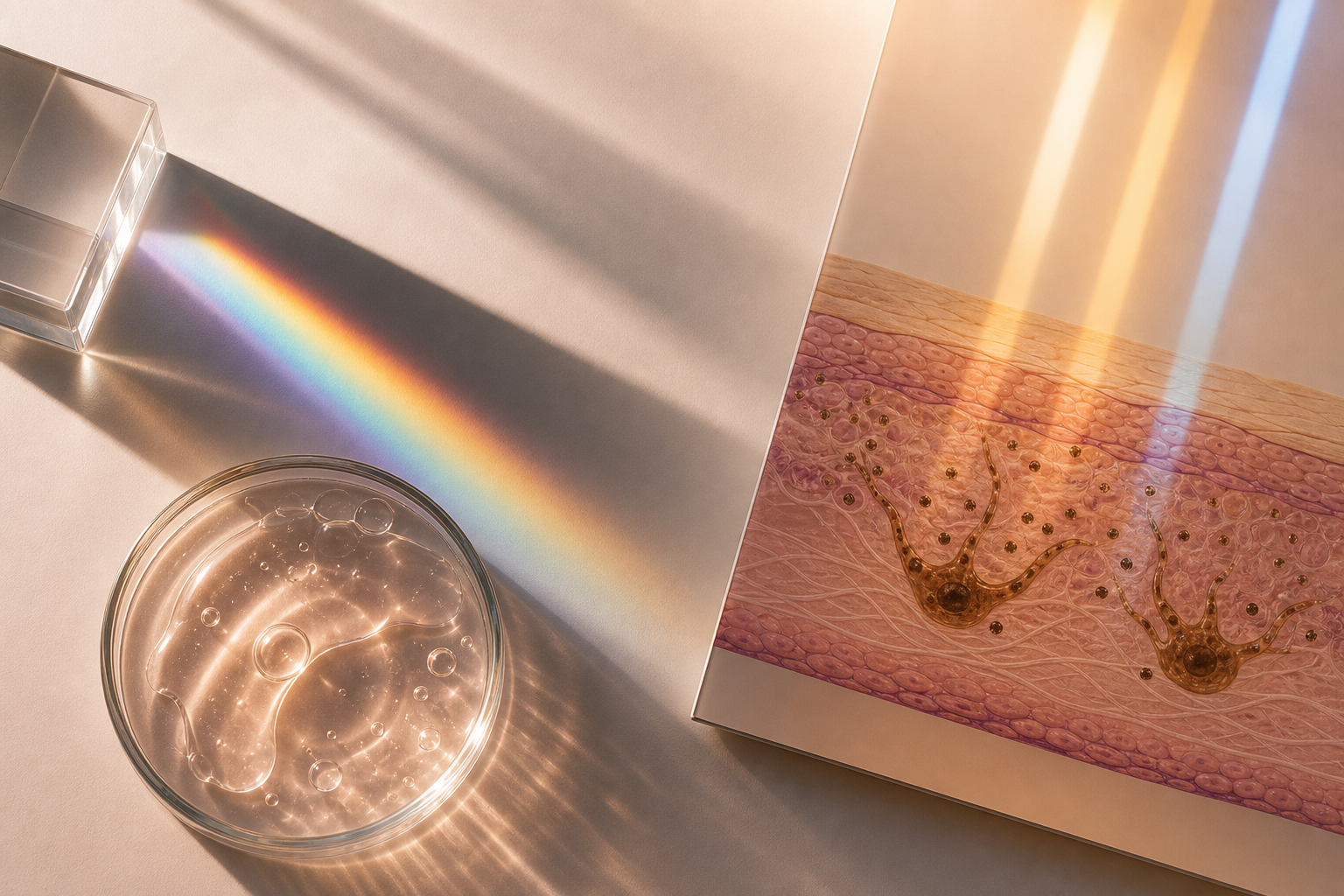
Tanning is fundamentally a defense mechanism where the skin responds to UV radiation by increasing melanin production, a pigment responsible for skin color. Upon UV exposure, specialized cells within the epidermis called melanocytes become activated and augment the synthesis of melanin. This pigment then disperses throughout surrounding skin cells, serving as a protective barrier that absorbs and scatters harmful UV photons.
This process, known as melanogenesis, unfolds over hours to days after UV exposure. Initial tanning results from oxidation and redistribution of existing melanin, often induced by UVA radiation, visible shortly after exposure. The more enduring tan arises from the production of new melanin stimulated predominantly by UVB exposure. Both types of UV rays contribute to tanning but through distinct molecular pathways.
Importantly, melanin's protective role is partial. While it reduces some DNA and cellular damage, it cannot prevent all UV-induced harm. Tanning is a visible indicator that the skin has been subjected to potentially damaging radiation, underscoring that it is not a harmless cosmetic change but a sign of biological stress.
Which Types of UV Radiation Influence Tanning?
Solar UV radiation reaching the Earth's surface is composed primarily of UVA and UVB rays, each having unique characteristics and effects on the skin. UVA (320-400 nm) penetrates deeply into skin layers, inducing immediate pigment darkening through oxidation of pre-existing melanin and increased pigment granule aggregation. This rapid tanning effect, however, offers minimal long-term protection and does not stimulate substantial new melanin synthesis.
In contrast, UVB (280-320 nm) has higher energy but less penetration depth, primarily affecting the superficial epidermis. UVB exposure triggers DNA damage that activates melanocytes to increase melanin production — a slower process leading to delayed tanning. UVB is also the principal cause behind sunburn, an inflammatory skin reaction indicating acute injury.
Understanding these differences is crucial for contextualizing the tanning response and for selecting appropriate photoprotection. While sunscreens commonly emphasize UVB protection to prevent burns, adequate UVA defense is equally important to mitigate tanning-related oxidative stress and cellular damage.
Why Is There No Safe Level of UV Exposure?
Despite common beliefs in “safe sun” practices or thresholds of exposure, current scientific consensus maintains that no UV dose is entirely risk-free. The categorization of UV radiation by the IARC as a Group 1 carcinogen — indicating sufficient evidence of carcinogenicity in humans — confirms that even low levels of UV can induce DNA mutations and mutations are cumulative.
Every UV exposure initiates molecular damage, including the generation of reactive oxygen species, direct DNA strand breaks, and formation of DNA photoproducts. These contribute to genetic alterations in skin cells that, over time, can lead to photoaging, immunosuppression, and skin cancers such as basal cell carcinoma, squamous cell carcinoma, and melanoma.
Therefore, tanning should not be viewed as a risk-free aesthetic choice. The visible darkening of skin signals damage that may have latent adverse consequences. Public health guidelines emphasize protection and minimization of UV exposure rather than striving for or accepting tanning as safe.
How Do Individual Factors Influence the Tanning Process?
The extent and nature of tanning vary considerably depending on intrinsic and extrinsic factors. Genetic skin phototypes dictate baseline melanin levels and tanning ability, ranging from type I (very fair, burns easily, minimal tanning) to type VI (deeply pigmented, tans readily, rarely burns). Fair-skinned individuals have less melanin and thus less natural protection, making their skin more susceptible to UV-related injuries.
Age is another determinant, with the skin’s regenerative and melanogenic responses declining over time. Moreover, certain medical conditions and medications can alter photosensitivity. Drugs such as some antibiotics, diuretics, and retinoids can exacerbate UV sensitivity, heightening the risk of sun damage and abnormal tanning responses.
Skin diseases like lupus erythematosus or eczema often increase photosensitivity, requiring careful UV exposure management. These complexities highlight why personalized advice from dermatologists or pharmacists is important, especially before engaging in prolonged sun exposure or starting new medications.
What Are the Implications of Indoor Tanning Practices?
Indoor tanning devices like sunbeds emit UV radiation meant to simulate sun exposure and provoke tanning. However, these artificial sources often deliver UVA and UVB rays at intensified levels that can accelerate skin damage compared to natural sunlight. While tanning salons may market controlled sessions to “prepare” skin, evidence does not support any protective effect; instead, indoor tanning increases the risk of premature aging and skin cancers.
Exploring further details about how sunbeds induce tanning and their relative health risks can provide better context for making informed decisions. Additionally, increasing awareness of UV-free alternatives for cosmetic tanning can offer safer choices without compromising skin integrity.
How Should One Interpret Symptoms and When to Seek Medical Advice?
Normal tanning does not cause pain, but prolonged or intense UV exposure can lead to erythema (redness), blistering, peeling, or persistent pigmentation changes. Any irregularities in skin texture, moles, or emerging lesions should prompt timely evaluation by a healthcare professional.
Patients experiencing severe sunburns, photosensitivity reactions, or unexpected skin changes, particularly if using photosensitizing medications, should consult dermatologists or pharmacists promptly. Early detection and intervention remain key in preventing progression to more serious conditions.