Deep facial cleansing is a cornerstone of professional skincare, designed to thoroughly purify the skin by removing impurities that ordinary daily washing cannot fully address. It targets deeply embedded debris such as excess sebum, blackheads, dead skin cells, and superficial pollutants, leaving the skin refreshed, smoother, and healthier-looking. These treatments transcend mere cosmetic indulgence; they serve as an essential foundation for maintaining skin health, preventing acne outbreaks, and improving the efficacy of other skincare products.
This article is tailored for anyone considering a deep facial cleansing treatment — whether a first-timer wanting to understand what to expect, or someone wishing to optimize their existing skincare routine. From those with oily or acne-prone skin to individuals with sensitive or environmentally stressed complexion, deep cleansing therapies can offer significant benefits, provided the right method is carefully selected.
Understanding the costs and the diverse array of available treatments is pivotal for making an informed decision. Pricing can vary widely depending on factors like the technique employed, the practitioner’s expertise, and geographic location. Moreover, safety and skin suitability are critical considerations, underscoring the importance of thorough consultation with skincare professionals or dermatologists before embarking on any regimen. This guide aims to demystify these aspects, helping readers navigate the many options and choose a treatment strategy that aligns well with their skin needs and budget.
What Is Deep Facial Cleansing and How Does It Differ from Regular Cleansing?
Deep facial cleansing is a professional cosmetic procedure that focuses on purging impurities and dead skin cells from beneath the surface, particularly targeting pores that cannot be adequately cleared by routine at-home care. While everyday washing removes surface dirt and oils, deep cleansing employs specialized techniques and products to access and detoxify the deeper skin layers.
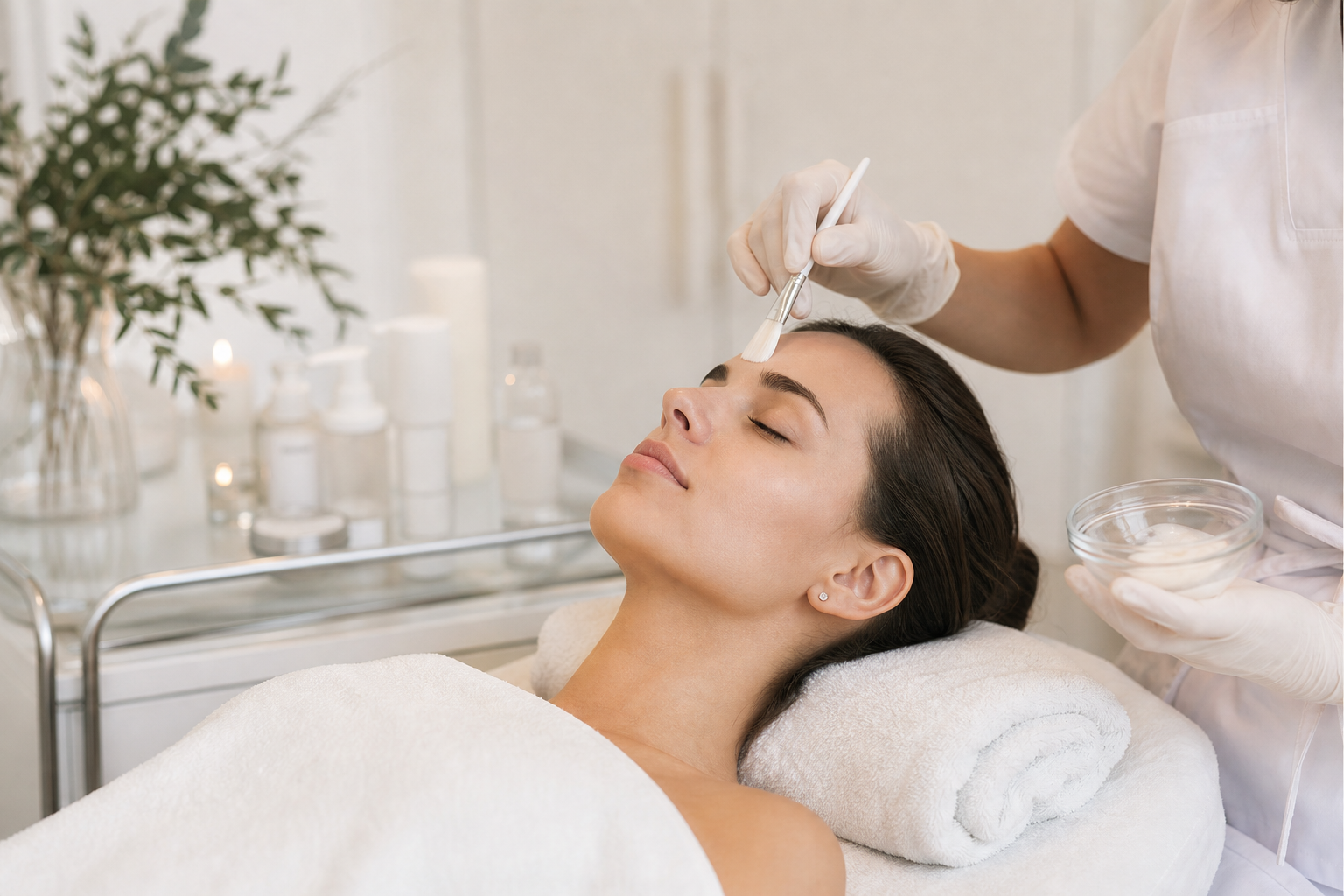
Key steps often include thorough makeup removal, application of cleansing agents designed to loosen debris, manual or mechanical extraction of blackheads and whiteheads, chemical exfoliation where appropriate, followed by disinfection and hydration. The process usually concludes with soothing masks that rejuvenate and balance the skin’s condition.
The distinction between surface and deep cleansing lies in depth and method. Deep cleansing incorporates penetrating actions to unclog pores, reduce inflammation, and stimulate cellular renewal, whereas surface cleansing merely maintains a superficial level of skin hygiene.
Aside from enhancing aesthetics, deep cleansing can lead to improved skin function by reducing clogged pores and minimizing breakouts, thus fostering a healthier, more resilient complexion.
Who Benefits Most from Deep Facial Cleansing and When Should It Be Undertaken?
Deep facial cleansing is suitable for a broad spectrum of individuals but is particularly beneficial for those with problematic, oily, or acne-prone skin. Such skin types tend to accumulate excess sebum and debris, which contribute to blackheads, whiteheads, and inflammatory acne lesions. Regular deep cleanses can help in managing these conditions by keeping the pores clear and the bacterial environment controlled.
Moreover, people exposed to urban pollution, stress, or harsh climates may find deep cleansing advantageous in detoxifying their skin from environmental aggressors. Even individuals with sensitive or dry skin can benefit if treatment modalities are appropriately adapted to their skin’s tolerance, emphasizing gentle exfoliation and hydration to restore balance.
However, deep cleansing is not universally advisable in all situations. Skin showing active inflammation, open sores, severe eczema, or rosacea should be approached cautiously, preferably under dermatological guidance. Engaging a specialist ensures the cleansing method selected supports skin health without exacerbating underlying issues.
For maintenance, a deep facial cleansing session every 4 to 6 weeks is generally recommended, depending on skin type, condition, and lifestyle factors. Personalized advice from skincare professionals is essential to optimizing treatment frequency and approach.
Understanding the Factors That Influence the Cost of Deep Facial Cleansing
The price of deep facial cleansing varies widely, shaped by several key determinants. Geographical location plays a significant role—urban and luxury areas usually command higher fees due to overhead and demand. Additionally, the prestige and experience of the specialist performing the treatment contribute to cost differentials.
The choice of technique and technology profoundly affects price. For instance, advanced methods like HydraFacial, which combine cleansing, exfoliation, extraction, and hydration using patented equipment, tend to be more expensive than traditional manual extractions or basic chemical peels. Treatments employing high-quality serums, specialized masks, or rare active ingredients also add to the overall expense.
The comprehensiveness of the session matters too. Some packages include consultations, skin analysis, post-treatment care products, and follow-up assessments, while others cover only the cleansing procedure itself. Thus, understanding what services are bundled into a quoted price is indispensable for fair cost comparisons.
In Serbia, for example, the average price range for deep cleansing facial treatments spans from approximately 3,000 to 10,000 dinars, but rates may be higher in upscale centers. Globally, treatment prices reflect similar variability aligned with service level and sophistication.
It is important to recognize that a higher cost does not unconditionally guarantee superior results. Equally, very low prices might reflect compromises in quality or safety. Prioritizing reputable providers with transparent pricing and clear treatment outlines ensures value for your investment.
What Are the Common Types of Deep Facial Cleansing Treatments and How to Choose the One That Fits Your Skin?
Several distinct deep cleansing modalities are widely practiced today, each offering unique mechanisms, benefits, and suitability profiles. Understanding these can help individuals match their skin needs with the most effective treatment.
Classic Manual Deep Cleansing: This traditional approach involves thorough manual pore extraction by a trained cosmetologist after preparatory steps of steaming and applying antiseptic solutions. It is effective in clearing blackheads and mild acne and is generally more affordable. The procedure usually finishes with calming masks and moisturizers. It suits individuals without severe skin conditions.
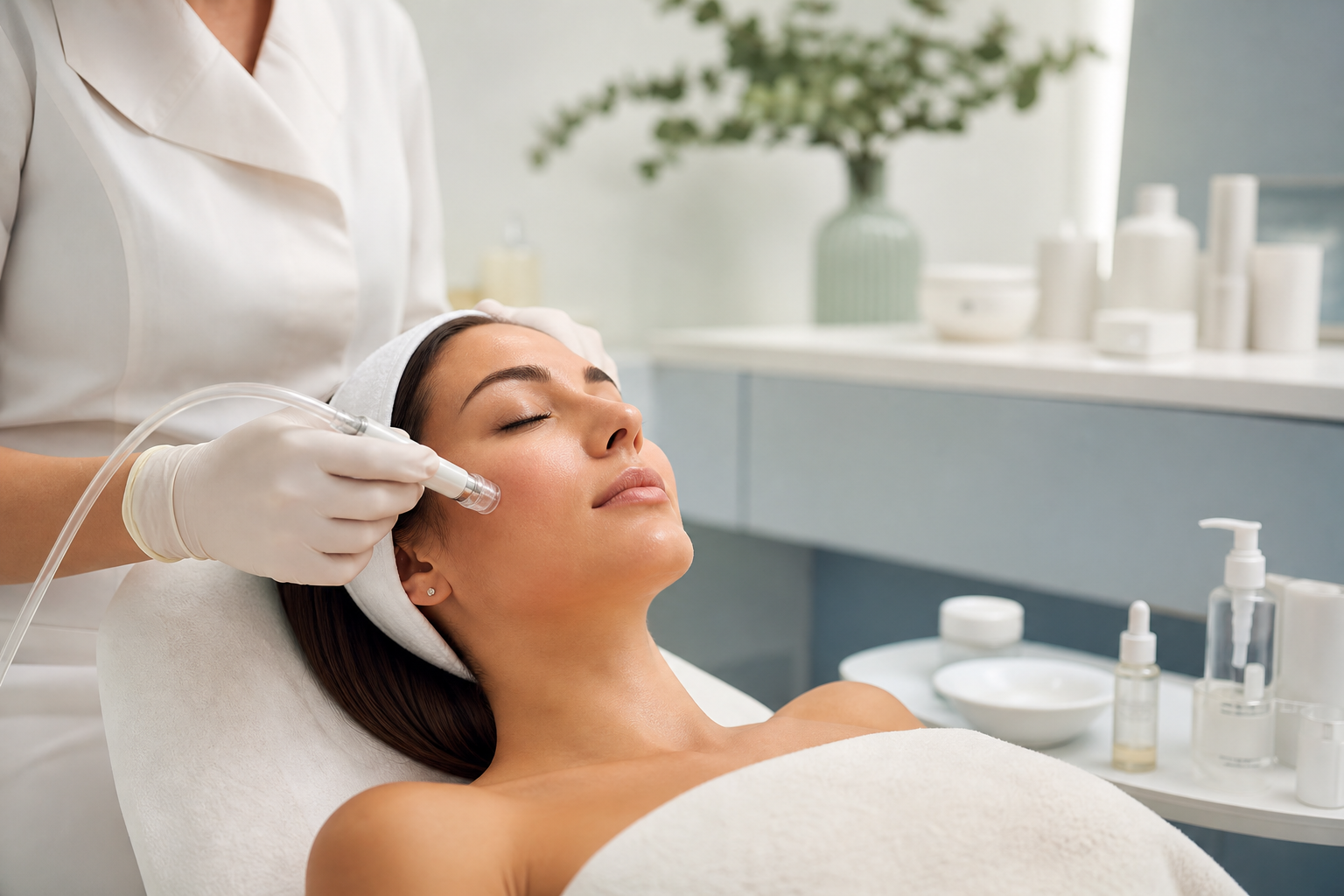
HydraFacial: A modern, multi-step treatment utilizing a patented device that performs cleansing, exfoliation, extraction, hydration, and antioxidant infusion simultaneously. Known for being gentle yet effective, HydraFacial caters to a wide range of skin types, including sensitive and acne-prone complexions. Despite its higher cost, many clients appreciate its non-invasive nature and minimal downtime.
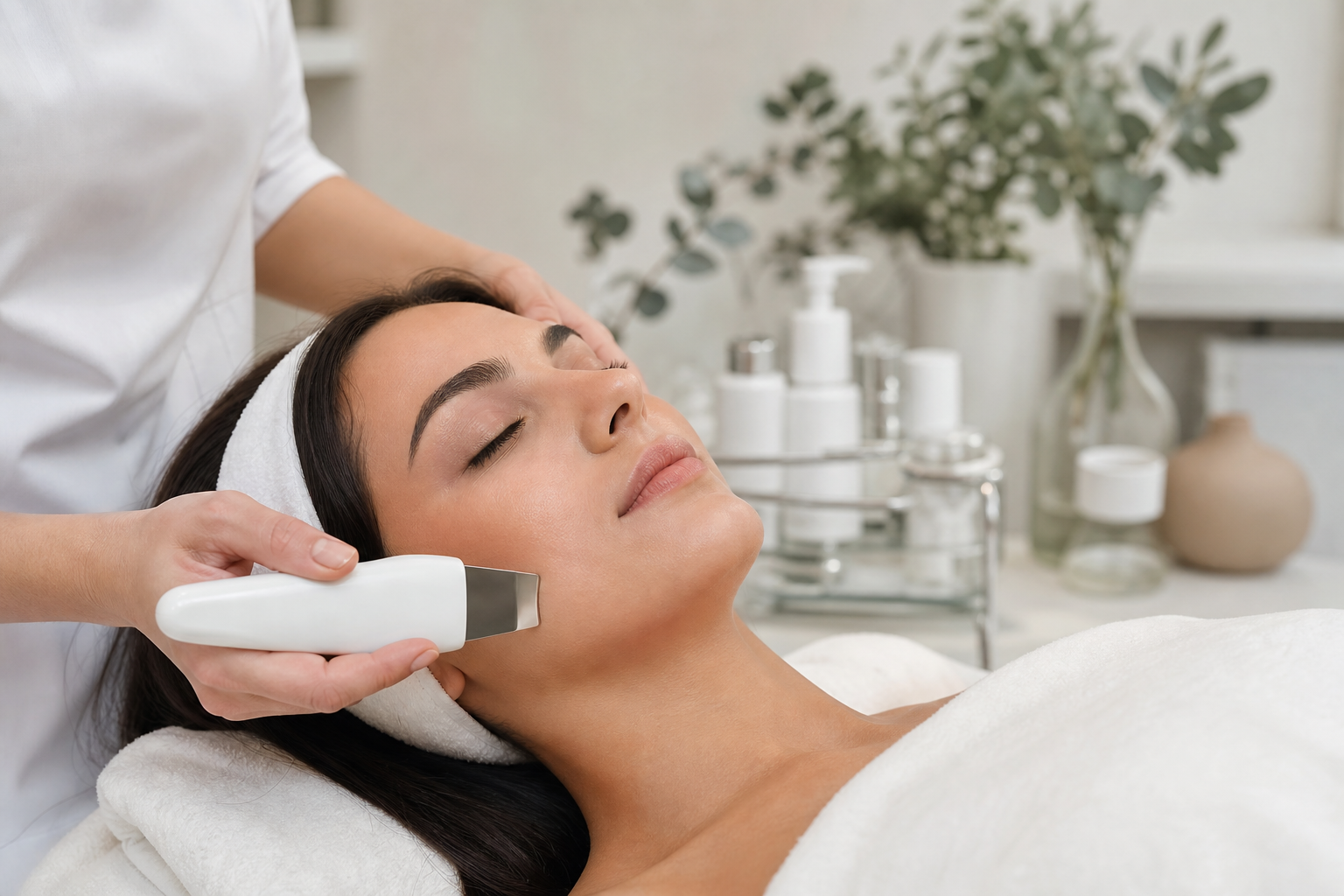
Aqua Peel (Hydro-Microdermabrasion): This technique uses water and oxygen jets combined with gentle exfoliation to remove dead skin cells and unclog pores. It can improve texture and tone without harsh abrasion, often preferred by those with delicate or aging skin.
Microdermabrasion: Employing physical exfoliation with fine crystals or diamond tips to strip away surface layers. While beneficial in improving surface irregularities, its primary focus is exfoliation rather than deep pore extraction. It may be less suitable for active acne but helpful for mild breakouts and hyperpigmentation.
Chemical Peels: Using acids such as salicylic, glycolic, or lactic acid, chemical peels exfoliate dead cells, control excess oil, and promote cellular turnover. The depth and strength vary from superficial to medium, allowing customization according to skin type and concerns. These peels can effectively manage clogged pores, blackheads, and acne scarring under professional supervision.
Choosing the right treatment depends on your skin’s condition, sensitivity, and goals. A professional skin assessment is crucial to personalize the approach safely. For instance, oily and acne-prone skin might benefit more from salicylic acid peels or HydraFacial, whereas dry or sensitive skin may require gentler aqua peel or specialized manual cleansing techniques.
How to Ensure Safety and Optimize Results When Considering Deep Facial Cleansing?
Safety is paramount in any skincare treatment. To minimize risks such as irritation, infection, or allergic reactions, it is essential to have procedures performed by qualified, experienced professionals in hygienic environments. Licensed dermatologists or certified cosmetologists understand nuances of skin anatomy and pathology, enabling them to tailor treatments effectively.
Initial consultation should include a comprehensive skin evaluation and discussion of medical history, allergies, and skincare routines. This assessment helps determine contraindications and appropriate modalities.
Adhering to pre- and post-treatment guidelines greatly enhances outcomes. Clients are often advised to avoid direct sun exposure, harsh skincare products, and excessive exfoliation immediately following the procedure. Moisturizing and sun protection become key components of the recovery phase.
Recognizing and communicating any adverse reactions promptly allows timely intervention and adjustment of therapeutic strategies. Investing time in education about the treatment process fosters realistic expectations and long-term compliance.
What to Expect Before, During, and After a Deep Facial Cleansing Treatment?
Before treatment, expect a thorough skin analysis involving visual examination or specialized diagnostic tools. Cleansing protocols differ but generally begin with makeup removal and skin softening through steam or warm towels.
During the session, clients may feel some pressure or mild discomfort during extractions but should not experience significant pain. Treatments involving chemical peels or microdermabrasion might cause tingling sensations. Highly skilled practitioners aim to maximize comfort while achieving cleansing goals.
After treatment, the skin may appear red or slightly swollen, particularly after manual extractions or peel applications. These effects usually subside within hours to a few days. Hydration and soothing products help restore barrier function and reduce sensitivity.
Results include clearer pores, improved texture, and a revitalized complexion. Consistency with periodic sessions enhances benefits and supports overall skin health.
Common Questions Regarding Deep Facial Cleansing Answered
Is deep facial cleansing suitable for all skin types? Generally yes, but treatment type and intensity must be adjusted to individual skin characteristics. Sensitive or compromised skin requires gentle methods and expert guidance.
How often should I get a deep cleansing facial? Frequency depends on skin type and condition, typically ranging from once a month to every two months. Regular maintenance prevents buildup of impurities.
Can deep cleansing help with acne scars? While the primary aim is cleansing, certain treatments like chemical peels and microdermabrasion can also aid in reducing mild scarring. More severe scars may require complementary procedures.
Does deep cleansing facial cause breakouts? Some individuals experience purging—a temporary worsening as impurities surface. This usually resolves quickly and is part of the skin’s natural detoxification.
How to choose between manual and machine-assisted cleansing? Both have merits. Manual extraction is precise but depends on practitioner skill; machine-assisted treatments tend to be quicker and more uniform but may cost more. Personal preference, skin tolerance, and budget influence the choice.