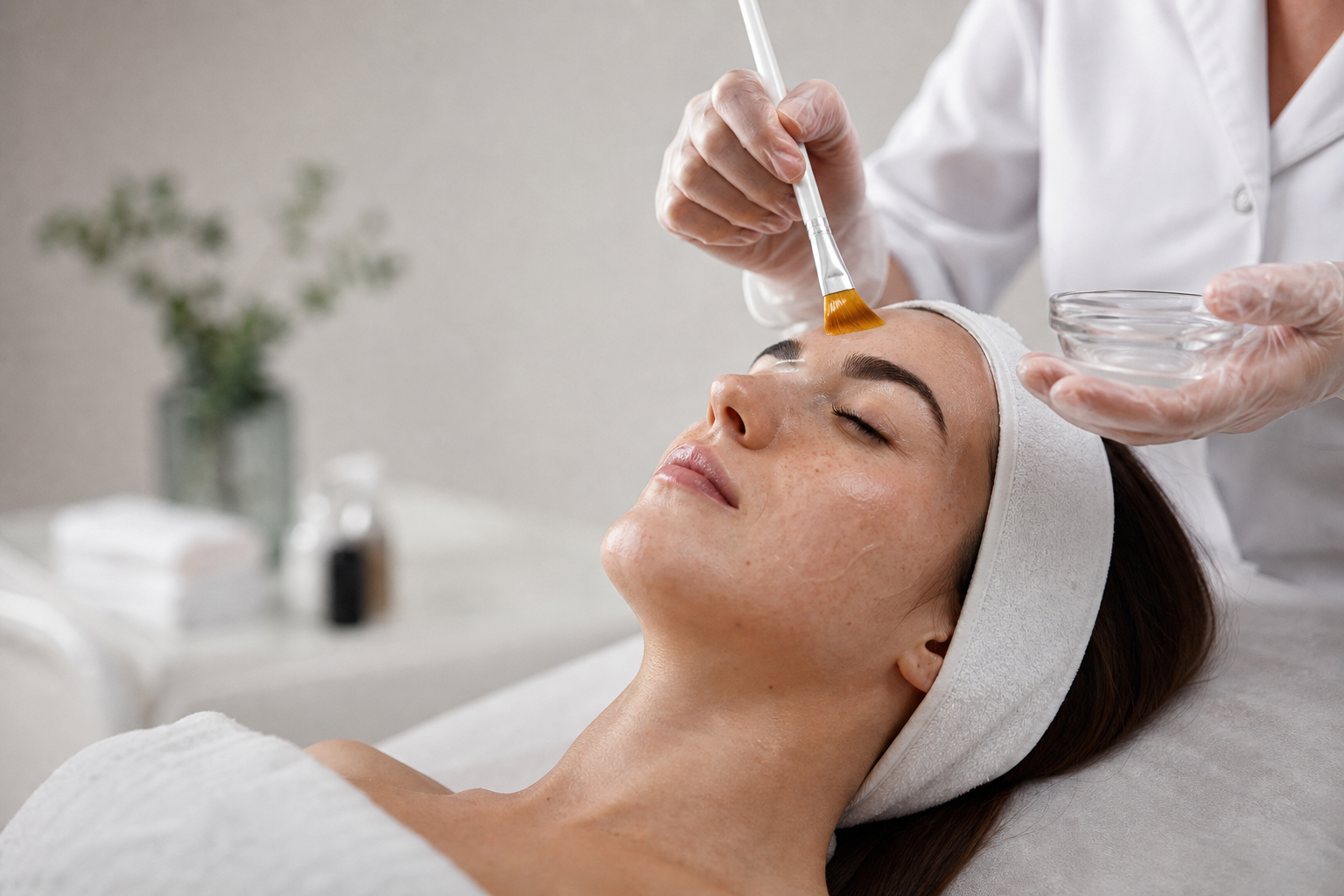
Chemical peels for skin rejuvenation have emerged as a pivotal treatment modality within modern dermatology and aesthetic skincare, offering a controlled method to enhance the skin’s texture, tone, and overall vitality. This procedure involves the application of acidic solutions tailored to exfoliate damaged outer layers, thereby encouraging the natural repair and regeneration processes intrinsic to healthy skin. As interest in non-invasive facial rituals grows, chemical peels stand out by delivering noticeable improvements without the need for surgical intervention or more aggressive treatments.
These peel treatments are especially relevant for individuals seeking options that address common concerns such as fine lines, uneven pigmentation, rough texture, and signs of photoaging. Whether you are a skincare professional aiming to expand your therapeutic repertoire or an enthusiast exploring advanced options to maintain a youthful complexion, understanding chemical peels' mechanisms, benefits, and appropriate use is imperative. This article delves into the science behind these treatments, explores the different types available, and clarifies how to select the ideal peel based on unique skin needs.
Beyond mere cosmetic appeal, chemical peels contribute significantly to skin health by stimulating collagen and elastin production, two proteins vital for maintaining skin's firmness and elasticity. Their versatility in treating a range of conditions, from superficial acne scars to more pronounced wrinkles, makes them an enduring cornerstone in anti-aging facial treatments. Recognizing the nuanced choices involving peel agents, concentrations, and depths is crucial to achieving optimal outcomes while minimizing risks.
What Are Chemical Peels and How Do They Rejuvenate the Skin?
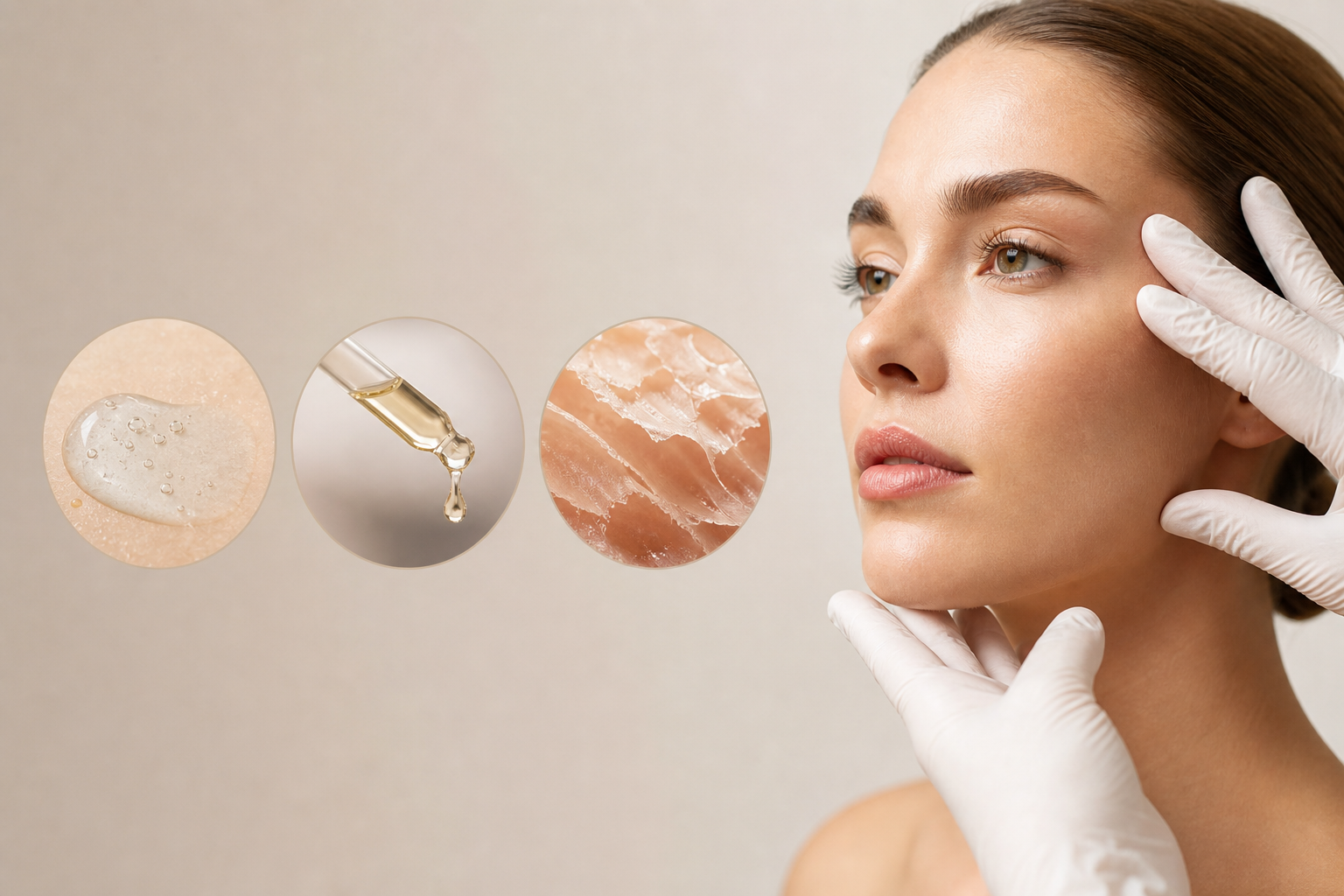
Chemical peels refer to aesthetic procedures wherein chemical agents with exfoliating properties are applied to the skin to deliberately induce controlled injury to its superficial layers. This controlled damage acts as a catalyst for accelerated cell turnover, prompting the shedding of dead or damaged epidermal cells and encouraging the emergence of fresh, healthier tissue beneath.
The primary mechanism involves the breakdown of the desmosomal connections—protein bonds that hold dead skin cells together—allowing these cells to slough away more readily. The most commonly applied acids for this purpose include alpha hydroxy acids (AHAs) such as glycolic and lactic acid, beta hydroxy acids like salicylic acid, trichloroacetic acid (TCA), and sometimes retinoic acid derivatives.
Importantly, the depth of the peel—categorized as superficial, medium, or deep—determines both the skin layers affected and the scope of therapeutic benefit. Superficial peels address only the outermost epidermal layer, suitable for mild discoloration and texture smoothing. Medium peels extend to the papillary dermis, enabling more substantial improvements in pigmentation irregularities, scars, and fine wrinkles. Deep peels penetrate into the reticular dermis and are reserved for more severe photoaging and deep wrinkle amelioration but require careful consideration due to their increased risk profile and downtime.
Who Should Consider Chemical Peels for Skin Rejuvenation?
The suitability of chemical peels spans a broad spectrum of individuals, from younger adults aiming to maintain radiant skin to more mature clients addressing signs of aging. Those benefiting most commonly include individuals with photographic evidence of environmental damage, acne scarring, hyperpigmentation, melasma, and uneven texture or tone.
Given the non-invasive nature of chemical peels, they appeal to patients reluctant or unsuitable for surgical or laser modalities, offering a middle ground between topical skincare and more aggressive interventions. However, candidacy depends on an accurate assessment of skin type, sensitivity, and the presence of any contraindications such as active infections, certain autoimmune conditions, or recent isotretinoin therapy.
Furthermore, the Fitzpatrick skin type classification guides the treatment approach, as individuals with darker skin tones require careful acid selection and concentration modulation to prevent post-inflammatory hyperpigmentation. Ultimately, a tailored consultation with a qualified skincare professional ensures that chemical peels serve as a safe and effective component within a comprehensive anti-aging facial treatment strategy.
What Are the Different Types of Chemical Peels and Their Indications?
Chemical peels vary widely in their composition and potency, each offering distinct advantages based on the skin concern being targeted. Some primary categories include:
Alpha Hydroxy Acid (AHA) Peels: Glycolic acid, derived from sugar cane, is highly regarded for its small molecular size, facilitating deeper penetration compared to other AHAs. It effectively stimulates collagen synthesis and exfoliates superficial keratinocytes, making it ideal for fine lines, dullness, and mild pigmentation. Lactic acid, sourced from milk, offers gentler exfoliation suitable for sensitive skin types while also enhancing hydration.
Beta Hydroxy Acid (BHA) Peels: Salicylic acid uniquely penetrates oily skin and follicular pores due to its lipid solubility, offering pronounced benefits for acne-prone and congested skin by reducing inflammation and clearing clogged pores.
Trichloroacetic Acid (TCA) Peels: Depending on concentration, TCA peels range from superficial (10-20%) to medium (35%) strength. Medium-depth TCA peels are often preferred for treating moderate photoaging, dyschromia, and certain types of scarring.
Retinoic Acid Peels: Though less commonly standalone, retinoids can be combined or used as pre-peel preparations to enhance cell turnover and rejuvenating effects.
The decision of which peel to utilize hinges upon diagnostic evaluation of skin condition, desired outcomes, patient tolerance, and previous treatment history. Often, a series of lighter peels yields cumulative improvements, minimizing downtime while enhancing skin quality over time.
How Do Chemical Peels Fit Into the Broader Landscape of Anti-Aging Facial Treatments?
Chemical peels occupy a strategic position among professional cosmetic anti-aging treatments, serving as both a standalone therapy and an adjunct to modalities such as microdermabrasion, laser resurfacing, and injectable procedures. Their ability to refine skin texture and establish a smoother, more receptive epidermal surface makes subsequent treatments potentially more effective.
In the context of a complete skin rejuvenation regimen, chemical peels complement topical retinoids, antioxidant serums, and diligent sun protection to mitigate further environmental damage and maintain treatment gains. Unlike injectable fillers or neuromodulators that primarily address volume loss or muscle-mediated lines, peels focus on epidermal renewal and dermal remodeling processes essential for restoring youthful skin suppleness.
Research continues to refine peel formulations and protocols to maximize safety and efficacy, including combination peels that harness synergistic effects of multiple acids. This progression emphasizes personalized medicine in aesthetic dermatology, tailored to the aging patterns and lifestyle factors unique to each patient.
What Benefits Can Patients Expect From Chemical Peel Treatments?
The advantages of undergoing chemical peel procedures extend beyond immediate visual improvements to encompass long-term dermal health enhancements. Key benefits include:
Improved Skin Texture and Clarity: By removing dull, dead surface cells, peels reveal fresher, brighter skin underneath, smoothing rough patches and refining pore appearance.
Reduction of Fine Lines and Wrinkles: Stimulated collagen production within the dermis can attenuate superficial wrinkles, enhancing skin firmness and elasticity over time.
Evening of Skin Tone and Reduction in Hyperpigmentation: Chemical peels are effective at diminishing post-inflammatory marks, melasma, and sunspots by promoting uniform pigmentation through accelerated cell turnover.
Treatment of Acne and Associated Scarring: Certain peels, especially those containing salicylic acid, help control acne by targeting follicular blockages and reducing inflammation, while medium peels can soften textural changes caused by scarring.
Boosted Absorption of Skincare Products: Post-peel skin allows enhanced penetration of topical agents, improving the effectiveness of serums and moisturizers.
What Should Patients Expect During and After a Chemical Peel?
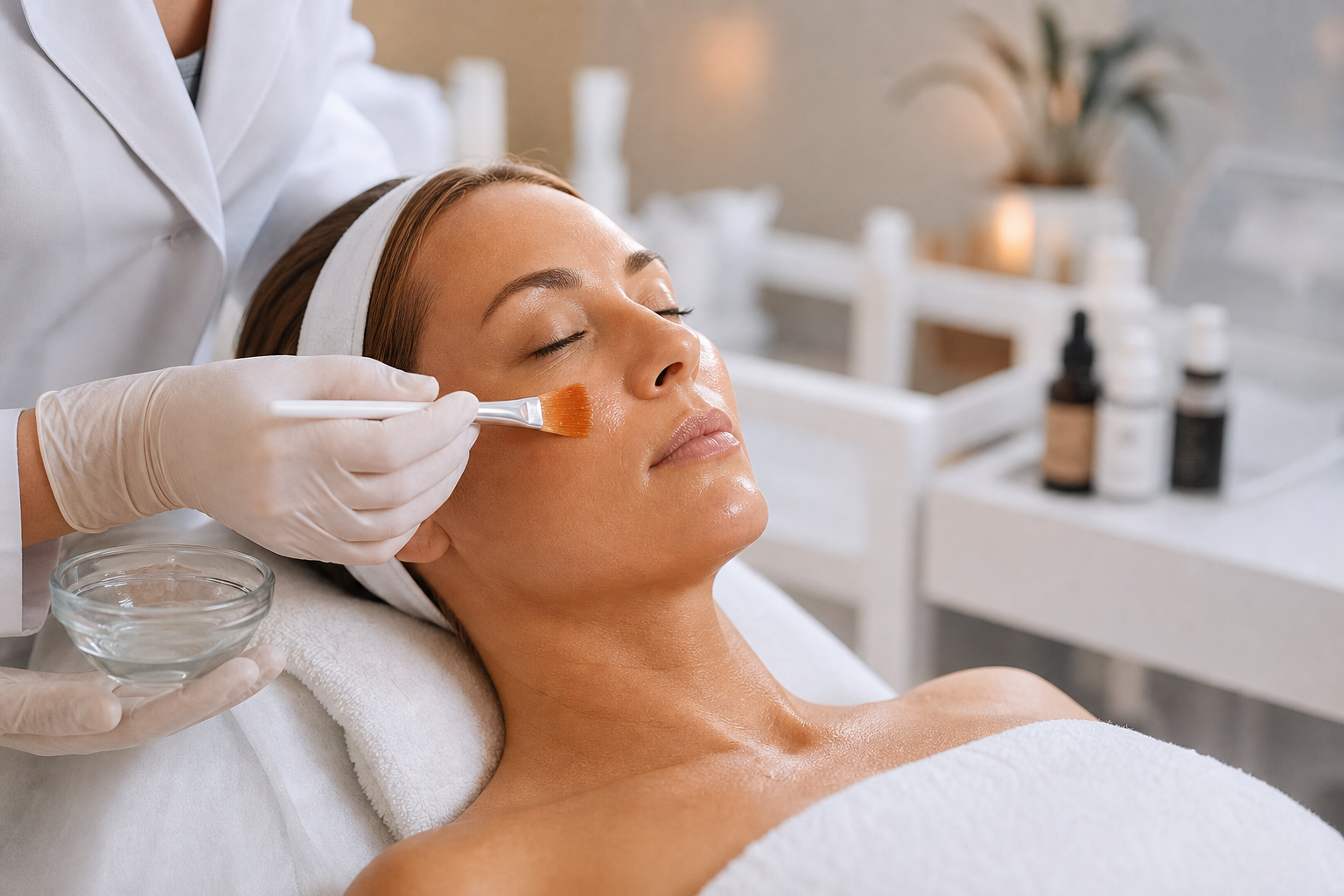
Understanding the procedural experience and recovery timeline is essential for setting realistic expectations. The application process generally involves thorough skin cleansing, followed by the strategic application of the acid solution for a time calibrated to desired peel depth. Patients may experience a mild stinging or warming sensation upon application, which is a normal part of the treatment.
Superficial peels often require minimal downtime, with occasional redness or slight flaking for a few days. Medium-depth peels provoke more pronounced redness, swelling, and peeling which may last up to a week, during which rigorous sun avoidance and skin care protocols are imperative to prevent complications. Deep peels necessitate extended recovery ranging from several weeks to months and should only be performed under specialist supervision.
Post-treatment instructions commonly include careful moisturizing, sun protection, and avoidance of irritants to support healing. Patients are advised to expect gradual improvements over several sessions and to maintain results with ongoing skincare maintenance aligned with professional guidance.
What Are the Potential Risks and How Can They Be Minimized?
While chemical peels offer numerous benefits, it is crucial to acknowledge potential adverse effects, which can include redness, irritation, pigmentation changes, infection, and, in rare cases, scarring. The likelihood and severity of these risks depend largely on the peel depth, skin type, and procedural expertise.
Minimizing risks starts with a thorough patient history, skin assessment, and appropriate selection of peel agent and concentration. Pre- and post-procedure care play a vital role; for example, using pre-peel priming agents such as retinoids or hydroquinone can optimize outcomes and reduce pigmentary complications in certain patients.
Careful follow-up is essential to monitor healing and manage any signs of adverse reactions promptly. Engaging with an experienced skincare professional who comprehends the nuances of different peels and individual variation remains the cornerstone of safe practice.
How to Choose the Right Chemical Peel for Your Skin Needs?
Selecting the most appropriate chemical peel involves a personalized approach considering multiple factors: skin type, age, degree of sun damage, tolerance to downtime, and specific aesthetic goals. Consulting with a board-certified dermatologist or licensed aesthetician ensures that a comprehensive assessment precedes treatment selection.
For individuals with sensitive or darker skin tones, superficial peels with gentler acids like lactic acid may be optimal to avoid hyperpigmentation risks. Conversely, those seeking dramatic improvements in photoaged or scarred skin might consider medium-depth TCA peels under professional supervision.
It's also valuable to integrate patient lifestyle and post-care willingness into decision-making, as success depends not only on the treatment itself but on compliance with aftercare regimens. Additionally, combining chemical peels with other facial rituals, such as professional anti-aging facial treatments, can enhance skin rejuvenation results in a synergistic manner.
Frequently Asked Questions About Chemical Peels
Can chemical peels be performed year-round? While light peels can be done any time with proper sun protection, deeper peels are best scheduled during months with low sun exposure to reduce pigmentation complications.
How many sessions are typically needed? A series of 3-6 peels spaced weeks apart often yields the best cumulative effect, though superficial peels may require ongoing maintenance treatments.
Are chemical peels safe for all skin types? Most skin types can benefit from peels tailored to their characteristics, but darker skin tones require cautious selection to prevent pigmentation issues.
What home care is recommended after a peel? Gentle cleansing, hydration, strict sun avoidance, and avoidance of harsh products until full recovery are essential.