The pursuit of a radiant, sun-kissed complexion is a timeless desire, but the risks associated with ultraviolet (UV) exposure have turned many to safer alternatives. Among these, dihydroxyacetone (DHA) emerges as the pivotal ingredient in self-tanning products and spray tan treatments, offering a temporary change in skin tone without harmful side effects. But how exactly does DHA work to alter the skin's appearance, and what should users understand about this transformation?
This article delves into the science behind DHA, explaining its interaction with the skin's surface to create a bronzed glow that mimics natural tanning. It addresses the practical aspects of its use, setting realistic expectations and emphasizing safety. For anyone considering spray tanning—whether as a seasonal choice, a special occasion enhancement, or a year-round aesthetic preference—understanding the mechanism of DHA is essential to achieve optimal results while maintaining skin health.
Moreover, while DHA offers an appealing cosmetic effect, it does not offer sun protection. Users must remain vigilant in their use of broad-spectrum SPF 30+ sunscreen to protect their skin against UV damage. This article provides clarity on that vital distinction, reinforcing that a beautiful tan and skin safety need to go hand in hand.
What Is DHA and How Does It Interact with the Skin?
Dihydroxyacetone (DHA) is a colorless carbohydrate derived mainly from plant sources such as sugarcane or corn. Its utility in cosmetics over recent decades stems from its unique ability to temporarily darken the skin’s outermost layer, simulating a natural tan without UV exposure. The key to DHA's effect lies in its chemical reaction with the skin’s keratin protein.
When applied topically, DHA reacts primarily with the amino acids present in keratinocytes within the stratum corneum, the outer dead cell layer of the epidermis. This non-enzymatic browning reaction, analogous to the Maillard reaction known in food chemistry, leads to the formation of melanoidins—pigmented compounds that impart a golden to bronze hue on the skin's surface.
Importantly, this interaction is confined to the skin’s dead cells, ensuring that the underlying live tissue remains untouched. As a result, the DHA-induced pigmentation is entirely superficial and temporary, fading naturally as these dead skin cells are shed. This biochemical basis explains both the appeal and limitations of DHA-based tanning products.
Why Does DHA Affect Only the Skin’s Surface and Not Penetrate Deeper?
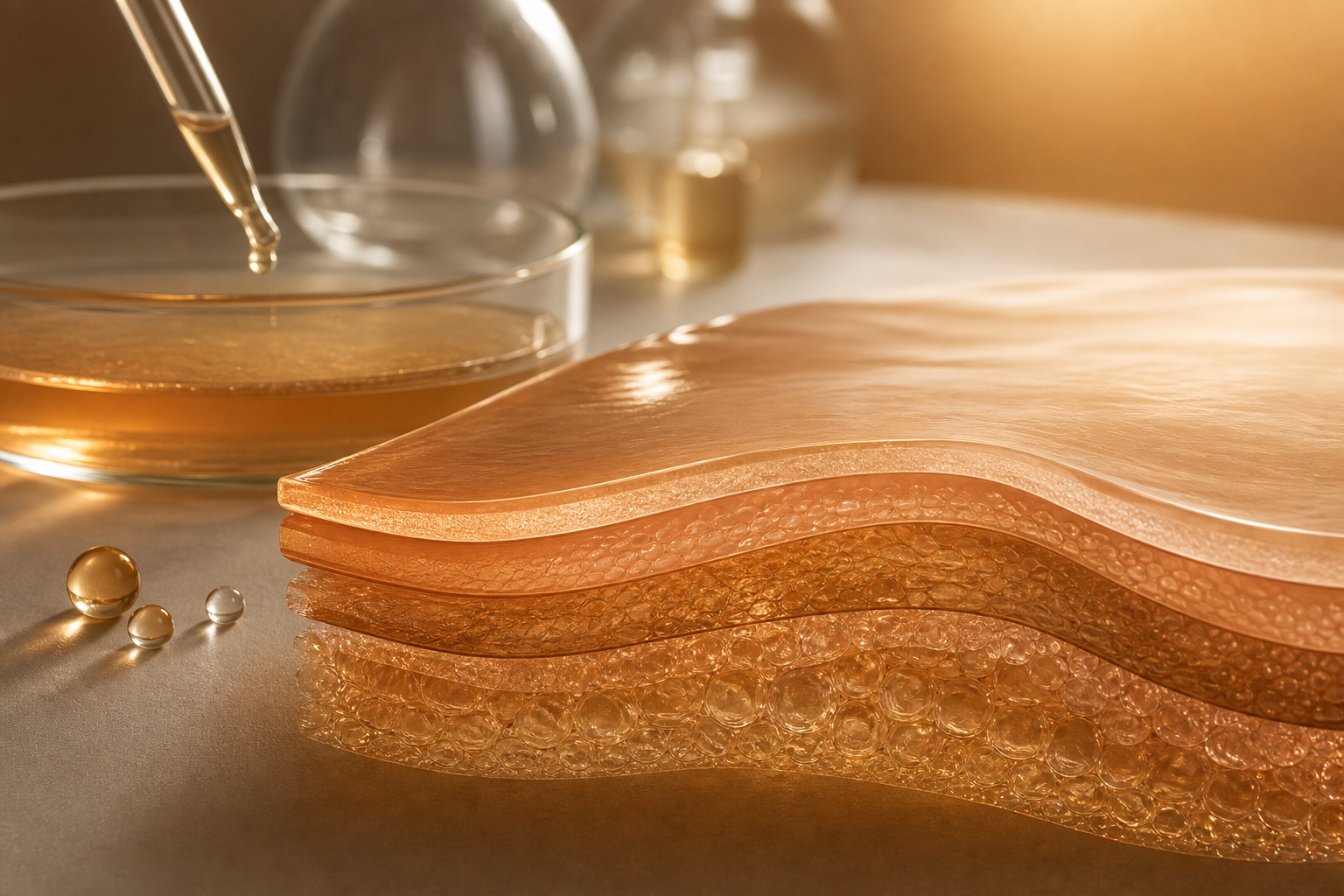
The skin is composed of several layers, with the stratum corneum serving as a protective barrier made up of dead, flattened skin cells tightly packed and constantly renewed. The transient coloration caused by DHA is restricted to this topmost layer due to the molecule’s limited ability to penetrate deeper skin strata.
This selective action is fundamental to the safety and temporary nature of DHA tanning. Because DHA does not infiltrate living skin layers, it neither alters melanin production nor affects the body's natural pigmentation processes. Consequently, once the stratum corneum naturally exfoliates, the tan gradually disappears, usually within 5 to 10 days depending on individual skin turnover rates and care.
Thus, the ephemeral characteristic of the DHA tan provides both control over appearance and a low-risk profile, making it a favorite for those avoiding UV tanning hazards. Yet, it also demands regular reapplication for sustained results.
How Does DHA Visibly Change the Skin Immediately After Application?
Upon DHA application, the skin initially may display a pale yellowish or slightly orange tint. This early coloration is temporary and acts as a visual cue that dopamine activation is underway. The full development of the tan occurs progressively over several hours.
The coloration intensifies typically within 4 to 8 hours post-application as the Maillard reaction progresses, culminating in a warm, natural-looking bronze tone. During this window, it is crucial to avoid water contact, excessive sweating, or friction from tight clothing, all of which can interrupt the evenness of color formation.
To achieve a smooth, uniform appearance, preparation prior to DHA use is essential. Exfoliating the skin to remove dead cells and residue can prevent patchiness and extend the duration of the tan. Hydrating the skin beforehand also aids DHA in bonding consistently, leading to a more appealing glow.
Does DHA Provide Any Protection Against UV Radiation?
One common misconception is that DHA tans offer sun protection akin to natural tanning. This belief is unfounded. DHA-induced coloration is purely cosmetic and does not correspond to an increase in melanin, the skin's natural defense against UV damage.
Unlike melanin, the melanoidins formed by DHA do not filter or block harmful UVA or UVB rays. Therefore, despite sporting a bronzed appearance, skin treated with DHA remains susceptible to sunburn, premature aging, and other UV-related harm.
It is imperative for users to apply a broad-spectrum sunscreen with at least SPF 30 whenever exposed to sunlight. This precaution complements the cosmetic benefits of spray tans or self-tanners while safeguarding skin health. Distinguishing between aesthetic enhancement and biological protection is key to responsibly enjoying a DHA tan.
How Does DHA Fit into the Broader Practice of Spray Tan Treatments?
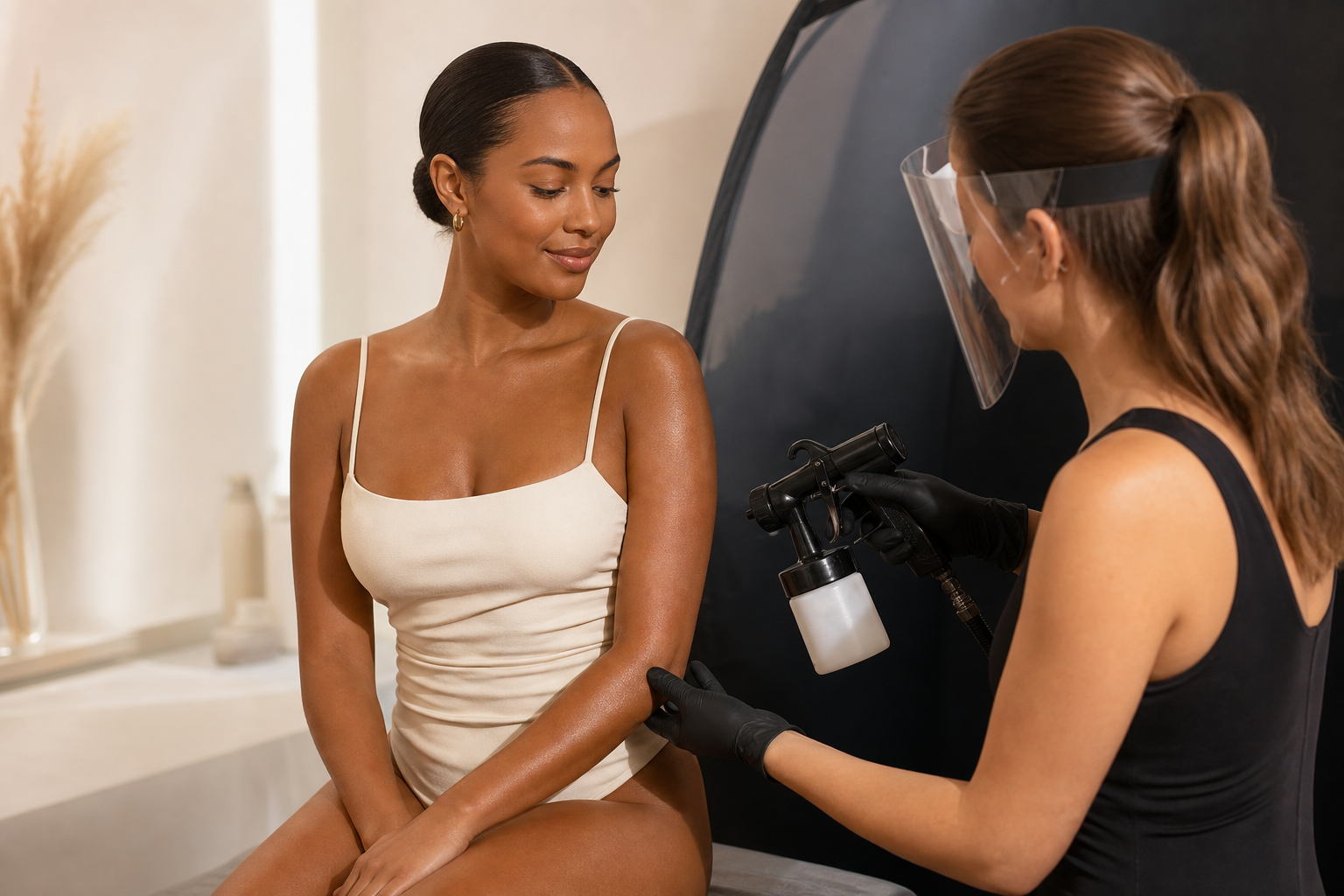
Spray tanning is a professional or at-home technique for applying DHA solutions evenly across the skin surface, producing a uniform bronzed look. It has gained popularity as a rapid, convenient alternative to sunbathing or tanning beds, especially appealing to those wary of UV exposure.
During a spray tan treatment, a fine mist of DHA-laden solution envelops the body. The quality of the formulation, technique, and preparation significantly influence the final outcome. For consistent results, pre-treatment exfoliation and skin cleansing are recommended.
Professional spray tanning often involves consultation about shade preferences and post-application care, guiding clients in maintaining their tan's longevity. Those seeking deeper insight can and How Long Does a Professional Spray Tan Treatment Take? The broader scope of spray tanning underscores DHA's role as part of a modern, UV-free tanning regimen.
What Are the Best Practices for Skin Care After DHA Application?
Post-application care significantly influences how long and well DHA tans last. Hydration is paramount; moisturized skin tends to hold DHA coloration more consistently and delays flaking, which can cause patchiness.
Users should avoid exfoliating scrubs or harsh soaps that accelerate skin cell shedding, thereby shortening the tan’s lifespan. Gentle, fragrance-free moisturizers support skin health without compromising color integrity.
Additionally, minimizing prolonged hot showers or baths, which can dry skin, helps preserve the tan. Importantly, continued use of broad-spectrum sunscreen remains essential when outdoors to protect skin from UV damage.
Frequently Asked Questions About DHA and Its Effects on Skin Appearance
Can DHA cause a permanent change in my skin color? No, the coloration from DHA is temporary and limited to the skin's outermost dead cell layer.
How can I prevent uneven tanning or streaks? Proper preparation including exfoliation, even application, and avoiding water or friction during the initial development hours help achieve smooth results.
Is it safe for sensitive skin? Generally, DHA is safe; however, users with sensitivities should patch-test before full use to rule out allergic reactions.
Why does DHA sometimes have an unpleasant odor? The Maillard reaction can produce minor aromatic byproducts; selecting high-quality formulas with added fragrances can minimize this.
How frequently can I repeat spray tanning? Typically, treatments can be repeated every 7 to 10 days, once the previous tan fades completely.