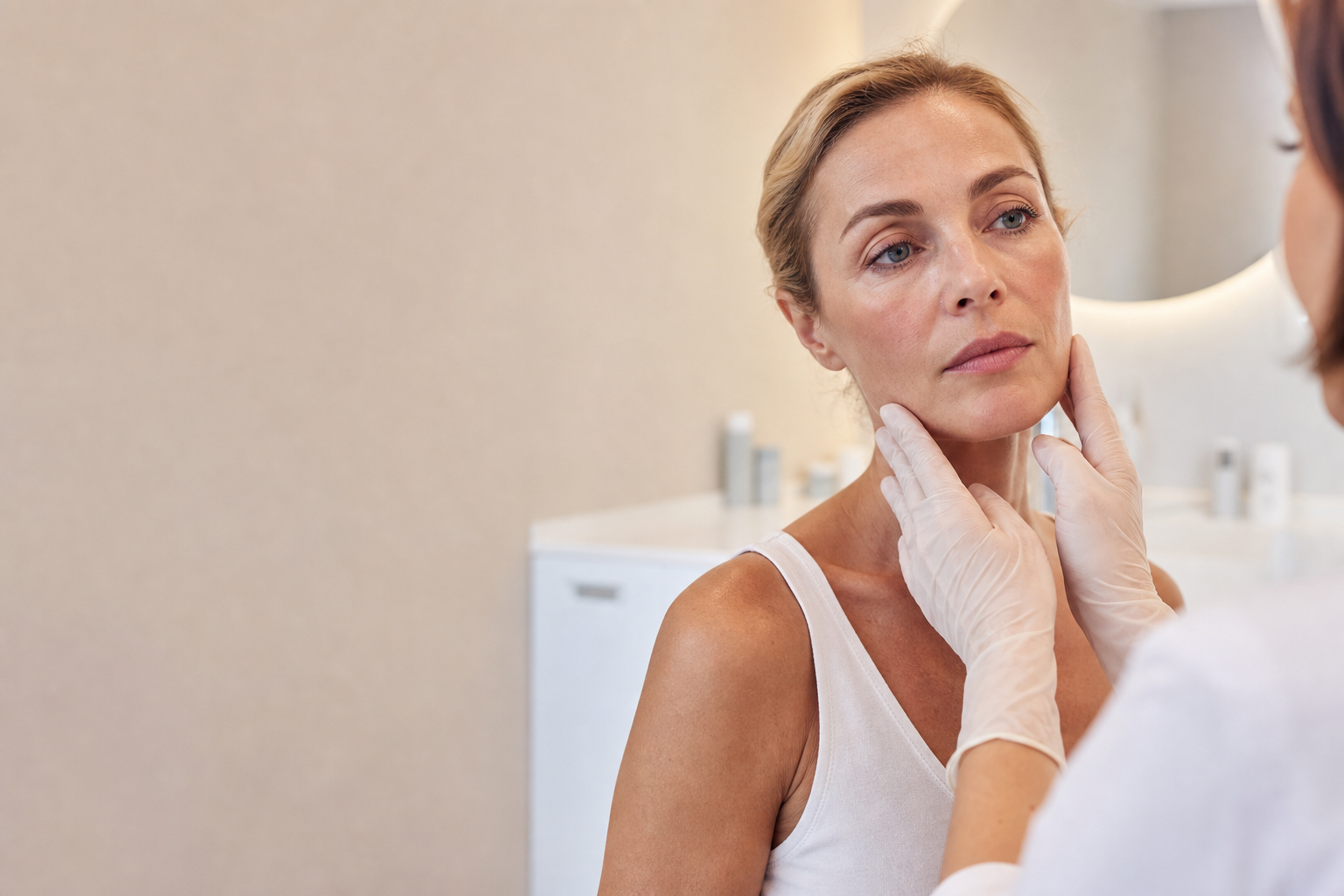
Cosmetic treatments have become a cornerstone of modern skincare, especially in the realm of anti-aging facial care. From chemical peels to microdermabrasion and hydrating serums, a broad spectrum of minimally invasive procedures promise refreshed, radiant skin without the downtime of surgery. These treatments are designed for individuals aiming to maintain skin health, boost hydration, and soften early signs of aging such as fine lines and minor discolorations.
However, as skin ages or encounters deeper damage—whether from extensive sun exposure, chronic inflammation, or hereditary factors—cosmetic treatments may no longer suffice. Recognizing the threshold at which these non-invasive methods stop delivering effective results is crucial not only to managing expectations but also to safeguarding skin health. For those confronting more pronounced wrinkles, severe pigmentation issues, or chronic acne, understanding when to seek advanced dermatological or aesthetic interventions could be the difference between temporary improvement and lasting skin rejuvenation.
This article is geared toward individuals invested in anti-aging facial rituals who wonder if cosmetic treatments alone are enough to address their skin concerns. It also serves as a guide for those who may find that superficial methods are insufficient, highlighting the indicators that signal the need for professional consultation. Through a detailed exploration of treatment indications, benefits, and limitations, readers will gain clarity on how to strategically approach their skin care journey. Our focus remains practical and expert, discerning the interplay between cosmetic care and medically supervised solutions in the evolving landscape of skin wellness.
What Are Cosmetic Treatments and Why Might They Not Always Suffice?
Cosmetic facial treatments encompass a variety of procedures predominantly characterized by their non-invasive or minimally invasive nature. Common examples include superficial chemical peels, microdermabrasion, facial massages, and applications of serums and hydrating masks. These treatments aim to improve the skin's surface health by promoting hydration, smoothing texture, and mitigating minor imperfections such as dullness, mild pigmentation, or superficial lines.
Despite their popularity and accessibility, these techniques have inherent limitations. They primarily target the epidermal layers of the skin and are less effective at correcting deep structural concerns such as pronounced wrinkles, significant loss of elasticity, scar tissue, or chronic inflammatory conditions like rosacea. When aging progresses or skin damage intensifies, cosmetic interventions may reach a ceiling of efficacy, necessitating a transition to more targeted medical or aesthetic solutions capable of influencing the dermal architecture.
Moreover, cosmetic treatments lack the ability to address systemic or deeply rooted dermatologic issues. For example, chronic acne or extensive pigmentation disorders often require a comprehensive treatment plan involving prescription medications and advanced modalities that selectively act on disease pathways beyond surface care. Thus, while cosmetic treatments serve well for maintenance and mild conditions, their scope is not universal.
Who Benefits Most from Cosmetic Facial Treatments?
Cosmetic treatments are particularly well-suited for individuals in the early stages of skin aging or those with otherwise healthy skin aiming to enhance hydration, brightness, and overall texture. Younger adults seeking preventative care or those with mild surface-level imperfections may find these treatments both effective and convenient. These therapies offer a gentle approach to skin rejuvenation with minimal discomfort and downtime, which appeals to a broad demographic interested in gradual aesthetic enhancement.
Furthermore, cosmetic skincare is advantageous for people without complex dermatologic issues—lacking severe inflammation, scarring, or pigmentation anomalies. When integrated consistently with an appropriate daily skincare regimen, cosmetic procedures can assist in maintaining skin vitality over time. However, the key is to tailor these interventions according to individual skin needs and avoid substituting professional dermatological evaluation when significant concerns arise.
Routine cosmetic treatments foster skin health by improving surface cell turnover and hydration levels. They also create a foundation for the skin to better respond to preventional anti-aging efforts, postponing the emergence of deeper wrinkles and discolorations. Therefore, cosmetic methods remain an essential component in holistic skincare strategies but ideally function as an early step or adjunct rather than a standalone long-term solution for advanced skin issues.
What Signs Indicate Cosmetic Treatments Are No Longer Adequate?
One of the most reliable indicators that cosmetic treatments may be insufficient is the absence of meaningful improvement despite adherence to regular sessions over an extended period. If, after appropriate cosmetic interventions, wrinkles deepen, elasticity markedly declines, or skin irregularities such as pigmentation and redness persist or worsen, this warrants a reassessment.
Additionally, the development of new or aggravated dermatologic symptoms—such as persistent acne lesions, extensive scarring, or inflammatory skin disorders—suggests that surface-level care is inadequate. These complexities often require medical-grade therapies beyond the scope of cosmetic application. Ignoring such signs can delay effective treatment and potentially exacerbate the underlying condition.
Another practical cue is the presence of structural skin changes visible during clinical evaluation. These include significant volume loss, deep furrows, and tautness reduction. Such features are less responsive to creams or gentle peels and frequently benefit from procedures that stimulate collagen production or provide volume replacement, typically administered by dermatologists or aesthetic specialists.
What Are the Safety Considerations and Limitations of Cosmetic Treatments?
Cosmetic treatments generally have a strong safety profile when performed by trained professionals under standardized protocols. Side effects are usually mild and transient, such as slight redness or irritation. Nonetheless, the safety and effectiveness largely depend on appropriate patient selection and the absence of contraindications like active infections, sensitive or inflamed skin, or allergic predispositions.
The limitations of cosmetic care stem primarily from their superficial mode of action. Such procedures seldom affect the dermal matrix to a degree necessary for profound skin remodeling. They cannot substitute for interventions that require medical supervision, such as laser therapy, injectable treatments, or systemic medications aimed at resolving chronic skin pathologies.
It is also essential for individuals to recognize that not all skincare concerns are suited for cosmetic resolution. For instance, conditions like moderate to severe acne, melasma, or rosacea involve complex pathophysiology that often demands a combination of dermatological and aesthetic treatment modalities. Consulting with a qualified skin specialist prior to initiating cosmetic procedures ensures safety and maximizes therapeutic outcomes.
What Alternatives Exist When Cosmetic Treatments Fall Short?
When surface treatments prove inadequate, a spectrum of advanced dermatologic and aesthetic options becomes relevant. Injectable therapies such as hyaluronic acid-based fillers can restore lost volume and smooth deeper facial folds by replenishing structural support beneath the skin. Botulinum toxin injections reduce dynamic wrinkles by modulating muscle activity, offering a more noticeable youth-restoring effect.
Moreover, laser technologies and microneedling combined with growth factors or serums enhance collagen synthesis, address pigmentation, and improve overall skin tone and texture deeper within the skin layers. These modalities stimulate regenerative processes that cosmetic treatments alone are unable to activate at sufficient intensity.
For acne and problematic skin, Dermatological Treatments for Acne: Topical and Systemic Medications present a critical adjunct to esthetic care, often necessary for controlling inflammation and preventing scarring. A comprehensive approach integrating medical management with aesthetic procedures frequently yields the most durable and gratifying results. Such combined therapies require professional guidance and tailored planning.
When Should You Consult a Specialist for Your Skin Concerns?
Consulting a qualified dermatology or aesthetic professional is advisable when skin conditions do not respond to cosmetic regimens, worsen over time, or manifest complex clinical features. Early specialist involvement enables detailed evaluation including skin type assessment, lesion analysis, and relevant medical history review to formulate an individualized treatment plan.
Specific red flags for seeking professional advice include persistent acne unresponsive to over-the-counter products, rapidly increasing pigmentation spots, noticeable skin texture changes, and the appearance of deep wrinkles or volume loss beyond what topical cosmetic treatments can address. Furthermore, individuals with chronic diseases or family histories of dermatologic malignancies should prioritize specialist assessment to ensure safe and effective care.
Professional consultations also offer the opportunity to discuss realistic outcomes, potential risks, and long-term skin maintenance strategies. This evidence-based and personalized approach optimizes the balance between aesthetic enhancement and skin health preservation.
What Can Patients Expect From Medical and Aesthetic Interventions Beyond Cosmetic Procedures?
Transitioning from cosmetic treatments to medically supervised interventions typically involves more comprehensive and regimented care. Procedures are often tailored precisely to the patient's unique skin condition, involving techniques that penetrate beyond the epidermis to stimulate dermal remodeling and cellular renewal.
Patients may undergo a series of treatments including laser resurfacing, microneedling, and filler injections, administered under sterile conditions by trained specialists. These interventions may provide more pronounced correction of wrinkles, scars, and pigmentation irregularities and improve skin firmness and glow. However, such treatments may require downtime and multiple sessions, emphasizing the importance of patient adherence and realistic expectations.
Additionally, ongoing monitoring and adjustment of therapy based on skin response are integral components of this advanced care, reinforcing the need for continuous specialist involvement. When coupled with appropriate skincare maintenance and lifestyle modifications, these medical strategies contribute to sustained skin rejuvenation.


