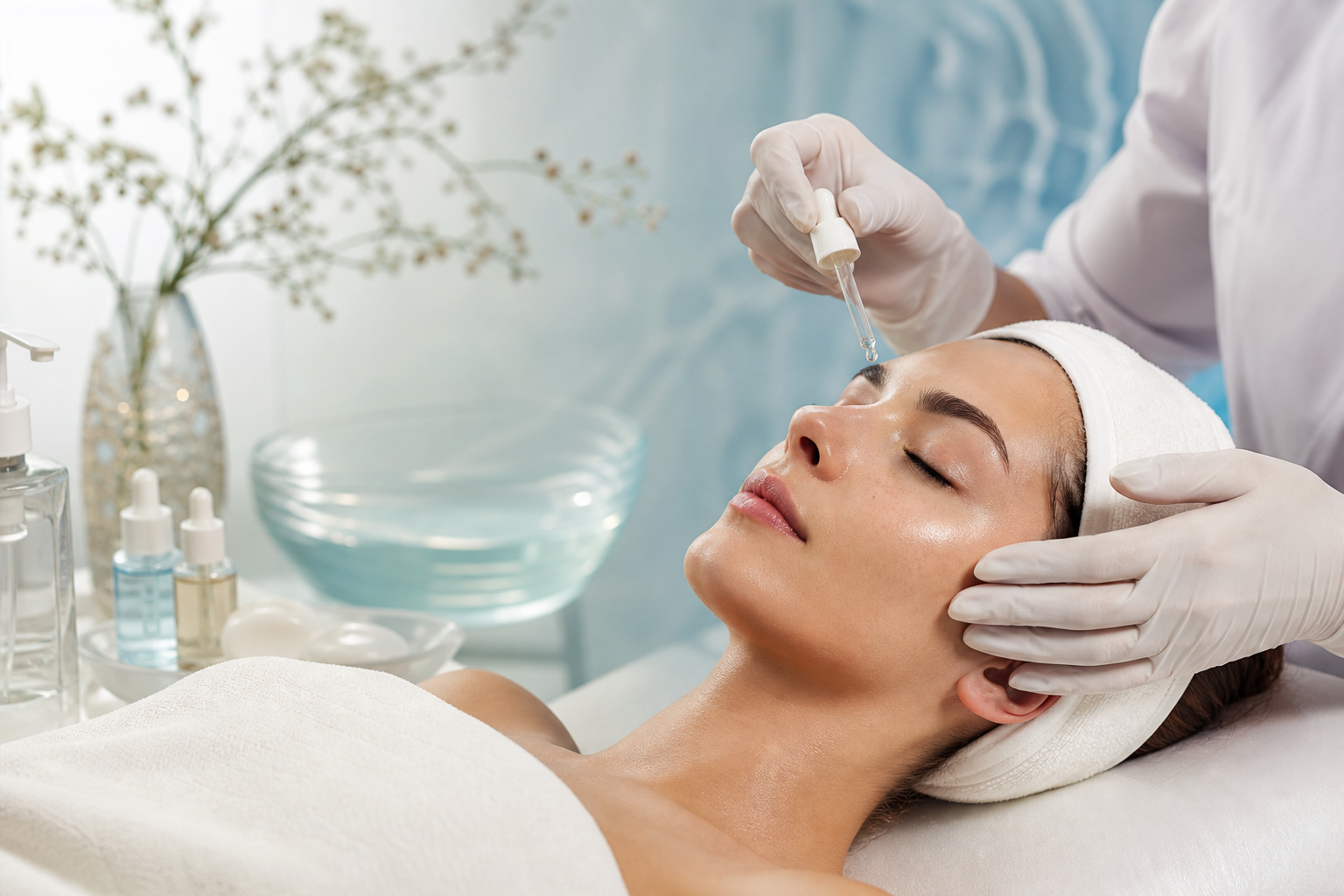
In the world of skincare, hydration stands as one of the most crucial pillars for achieving and maintaining a healthy, radiant complexion. Professional facial hydration treatments are specialized procedures designed to deeply restore moisture levels and rebalance the skin’s hydration. Unlike daily home routines that may only address surface-level dryness, these treatments utilize advanced techniques and formulations aimed at delivering profound and lasting hydration. This article delves into what professional facial hydration entails, who benefits most from such treatments, and sets realistic expectations for outcomes. It also underscores the importance of combining professional intervention with dedicated home care to maximize and sustain skin vitality.
Understanding professional facial hydration is essential not only for individuals struggling with visible signs of dehydration but also for anyone seeking to enhance overall skin health. Dryness, tightness, flaking, and dullness are common indicators that the skin’s moisture barrier is compromised. Professional treatments offer an effective solution, particularly for urban dwellers exposed to environmental stressors like pollution and air conditioning, as well as for aging skin that naturally loses its ability to retain moisture. By exploring the mechanisms, benefits, and limitations of these treatments, readers can make informed decisions suited to their unique skin needs.
What Constitutes Professional Facial Hydration and How Does It Differ from At-Home Care?
Professional facial hydration involves a series of carefully curated steps conducted in clinical or spa settings designed to replenish moisture at deeper skin levels. It goes beyond the scope of regular moisturizing habits by targeting the skin’s epidermis and dermis with high-quality products and technologies not readily accessible for home use. The primary goal is to restore the skin’s optimal water balance, which directly influences its elasticity, suppleness, and luminosity.
Unlike over-the-counter moisturizers, professional treatments employ dermatologically tested serums and creams that often contain higher concentrations of active ingredients such as hyaluronic acid, peptides, vitamins, and antioxidants. These are applied following thorough cleansing and exfoliation protocols tailored to the individual’s skin type and concerns. Additionally, various devices may be used to enhance product absorption and stimulate microcirculation, further boosting hydration efficacy.
Moreover, the treatment plans are personalized; a skin analysis performed by a certified professional determines the specific dehydration type, skin damage extent, and underlying factors contributing to moisture loss. This precision approach ensures that interventions are targeted, safe, and yield better results compared to home regimens which often rely on a one-size-fits-all approach.
Who Should Consider Professional Facial Hydration Treatments?
The spectrum of individuals poised to benefit from professional facial hydration treatments is broad, encompassing varied skin types and lifestyles. Those with pronounced dehydration symptoms such as persistent dryness, tightness, flaky patches, or uneven tone have much to gain. People living in urban environments or working in climate-controlled settings frequently experience accelerated moisture depletion, making professional hydration both a preventive and restorative measure.
Aging skin constitutes another key demographic. As the skin's natural ability to retain moisture diminishes with age, professional hydration therapies help combat dryness-induced fine lines and loss of radiance. Furthermore, individuals exposed to environmental aggressors like UV radiation, pollution, and harsh weather conditions often face accelerated moisture barrier impairment, reinforcing the need for intensive hydration support.
Additionally, those engaged in frequent makeup application or performances, which can create occlusive layers and stress on the skin, may find these treatments invaluable to maintain skin health and vitality. Patients undergoing dermatological treatments for conditions such as eczema, mild rosacea, or acne might also use professional hydration to support skin repair under expert guidance.
What Are the Most Common Techniques and Technologies Employed in Professional Hydration Treatments?
There exists an array of techniques that skincare professionals deploy to revitalize skin hydration. Each procedure offers distinct advantages depending on individual skin conditions and treatment goals.
HydraFacial Treatment: This multi-step procedure combines cleansing, exfoliation, extraction, and infusion of hydrating serums via a vacuum-powered device. Its hallmark is the gentle yet thorough removal of impurities while simultaneously saturating the skin with nourishing compounds, promoting immediate and noticeable hydration.
Hydrodermabrasion: Utilizing pressurized water jets, this method exfoliates the skin to eliminate dead cells and impurities, while introducing moisture-rich serums. The dual action effectively rejuvenates the skin surface and enhances moisture retention without harsh abrasion.
Aqua Peel Therapy: Designed for oily and combination skin types, this treatment penetrates pores with hydrating solutions while exfoliating dead cells. It balances moisture without clogging pores, making it ideal for those needing hydration alongside oil control.
Oxygen Infusion Treatments: By delivering pure oxygen combined with moisturizers and antioxidants directly into the skin, these therapies increase circulation and oxygenation, fostering skin vitality and resilience against dehydration.
Ultrasonic Sonophoresis: This technology harnesses ultrasonic waves to facilitate deeper absorption of hydrating molecules into the skin layers without compromising tissue integrity, amplifying the effects of topical agents.
Electroporation: A device-generated electrical stimulation temporarily opens cellular channels, allowing for superior penetration of hydration serums deep into the skin, culminating in longer-lasting moisture benefits.
What to Expect During a Professional Facial Hydration Session?
The typical professional hydration treatment begins with a comprehensive consultation and skin assessment to determine the most suitable strategy. Professionals evaluate skin dryness severity, texture, sensitivity, and any other relevant concerns to tailor the approach effectively.
First, the skin undergoes meticulous cleansing to remove dirt, makeup, and environmental residues. Depending on the protocol, a mild exfoliation or peeling process follows to prepare the skin surface, enabling better penetration of subsequent products.
Afterward, specialized hydrating serums rich in hyaluronic acid, vitamins, antioxidants, and other moisturizing agents are applied. These may be delivered manually or through advanced devices to maximize absorption and stimulate skin rejuvenation. Throughout the treatment, gentle massage or lymphatic drainage techniques may be incorporated to enhance circulation and lymph flow, which are instrumental in sustaining hydration and detoxification.
The session typically concludes with the application of protective creams or masks that lock in moisture while soothing the skin. Depending on the treatment, a sunscreen layer may be applied to guard against UV-related dehydration damage.
What Are the Realistic Outcomes and Limitations of Professional Hydration Treatments?
Clients usually notice immediate improvements in skin softness, suppleness, and a healthy glow post-treatment. Over several sessions, texture can become smoother, and issues such as flaking or tightness may diminish significantly. The skin often appears revitalized and radiant, contributing to a more youthful and refreshed appearance.
However, it is critical to understand that professional hydration treatments are not a permanent cure for intrinsic dehydration causes, including hormonal fluctuations or underlying skin conditions. Their effectiveness depends largely on the consistency of care and lifestyle factors such as diet, hydration, and environmental exposure.
Some temporary side effects might include mild redness, slight tightness, or sensitivity, particularly if the skin is highly reactive or the treatment parameters are aggressive. Reputable practitioners adjust treatments to minimize such effects and provide post-care instructions to support recovery.
How Can Patients Sustain Hydration Results Between Treatments?
To preserve and optimize the benefits of professional hydration therapies, a dedicated home-care regimen is indispensable. This involves the use of gentle cleansers to avoid stripping natural oils, followed by moisturizers tailored to one’s skin type. Products enriched with humectants like hyaluronic acid, as well as emollients and occlusives, help maintain the skin’s moisture barrier.
Daily application of sunscreen is imperative to protect against UV radiation, which exacerbates dehydration and accelerates aging. Additionally, incorporating antioxidants and barrier-repairing ingredients can bolster skin resilience.
Hydration is also an internal process; adequate water intake and balanced nutrition rich in essential fatty acids and vitamins support skin hydration from within. Avoiding excessive hot water exposure and harsh chemicals further prevents moisture loss.
When is it Advisable to Consult a Dermatologist Before Undergoing Professional Hydration Treatments?
While many individuals can safely benefit from professional hydration, certain scenarios warrant medical evaluation prior to treatment initiation. Conditions such as eczema, psoriasis, active acne, or other inflammatory dermatoses may contraindicate some topical agents or procedural steps.
Those with very sensitive, allergy-prone skin or histories of adverse reactions should seek dermatological advice to customize safe and effective protocols. In some instances, dermatologists might integrate hydration treatments with medical therapies or recommend alternative approaches better suited to address the primary skin concern.
Why Distinguishing Between At-Home Skincare and Professional Hydration Treatments Matters?
A crucial element in an effective skincare journey is understanding the complementary yet distinct roles of everyday home care and professional interventions. Home routines serve as the foundation by maintaining baseline hydration and protecting the skin from daily aggressors. In contrast, professional treatments offer intermittent but intensive care targeting specific issues with greater potency and deeper skin access.
Professional procedures employ advanced formulations with higher active ingredient concentrations and technologies that increase skin permeability—elements unfeasible for safe unsupervised home application. Misusing or overusing potent products without expert guidance can lead to irritation or barrier compromise. Therefore, informed integration of both approaches ensures skin health is nurtured and restored safely and sustainably.


