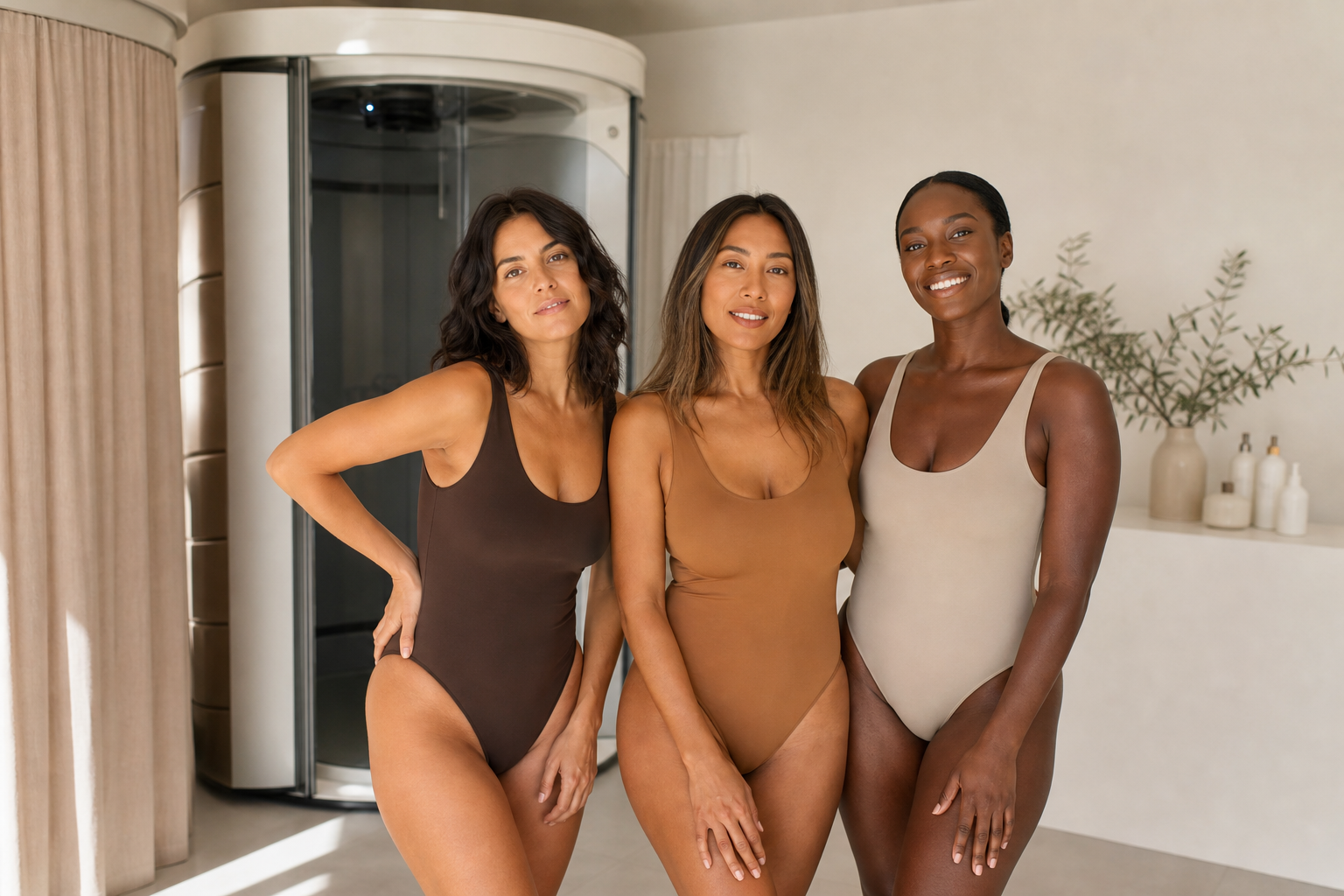
Spray tans have revolutionized the way individuals achieve a warm, sun-kissed complexion without subjecting their skin to harmful ultraviolet (UV) rays. As more people seek safer alternatives to traditional tanning methods, spray tanning offers an appealing solution — providing an even, natural-looking glow by applying a specialized bronzing agent directly onto the skin. This guide delves deeply into the science, application, maintenance, and realistic expectations of spray tanning, making it an essential resource for anyone interested in obtaining a radiant tan safely and effectively.
Whether you are considering a spray tan for the first time, a regular user seeking to optimize your results, or even a skincare professional eager to expand your expertise, understanding the nuances of this cosmetic technique is crucial. Spray tanning is not merely about a quick aesthetic fix; it demands knowledge of preparation, selection of appropriate shades, aftercare, and safety considerations to ensure the best possible outcome without skin damage.
Given the increasing awareness of skin health and the dangers posed by UV exposure, spray tanning has gained prominence as a convenient, temporary, and cosmetically satisfying alternative. However, it is vital to recognize that spray tans do not offer sun protection, thus necessitating continued use of broad-spectrum sunscreens. This comprehensive editorial addresses all core aspects to equip readers with well-rounded knowledge, empowering informed choices toward achieving a luminous complexion without compromising skin integrity.
What is Spray Tanning and How Does It Work?
Spray tanning refers to the application of a finely misted bronzing solution across the body to create an even tan without sun exposure. The pivotal ingredient in these solutions is dihydroxyacetone (DHA), a colorless sugar that reacts chemically with the dead cells within the topmost layer of the skin, the stratum corneum. This reaction, a form of the Maillard process, leads to the formation of brownish pigments known as melanoidins, producing the illusion of a naturally tanned complexion.
Unlike UV tanning, which induces melanin production within the deeper layers of the skin through DNA stimulation, spray tanning colors the epidermal surface without penetrating into living cells. Consequently, the tan is temporary, fading gradually as the skin naturally exfoliates over approximately five to ten days. The development of the color is not instantaneous but occurs progressively over several hours following application.
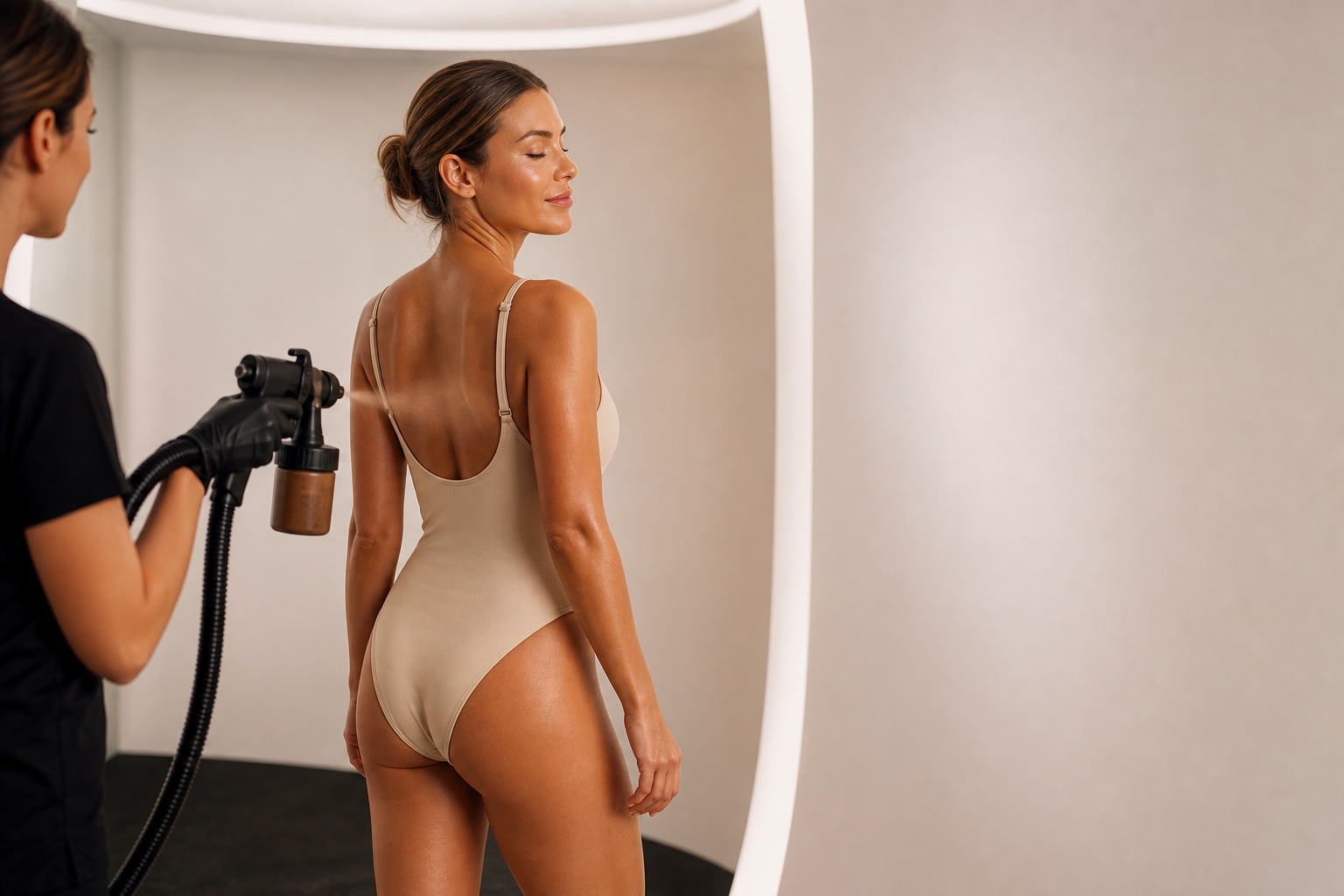
The controlled application, whether via automated booths or manual airbrush techniques, ensures uniform layering of the DHA solution for a smooth and even appearance. Spray tan offers an efficient and customizable alternative to achieve diverse tan intensities matching personal preferences and skin types.
Who Can Benefit From Spray Tanning?
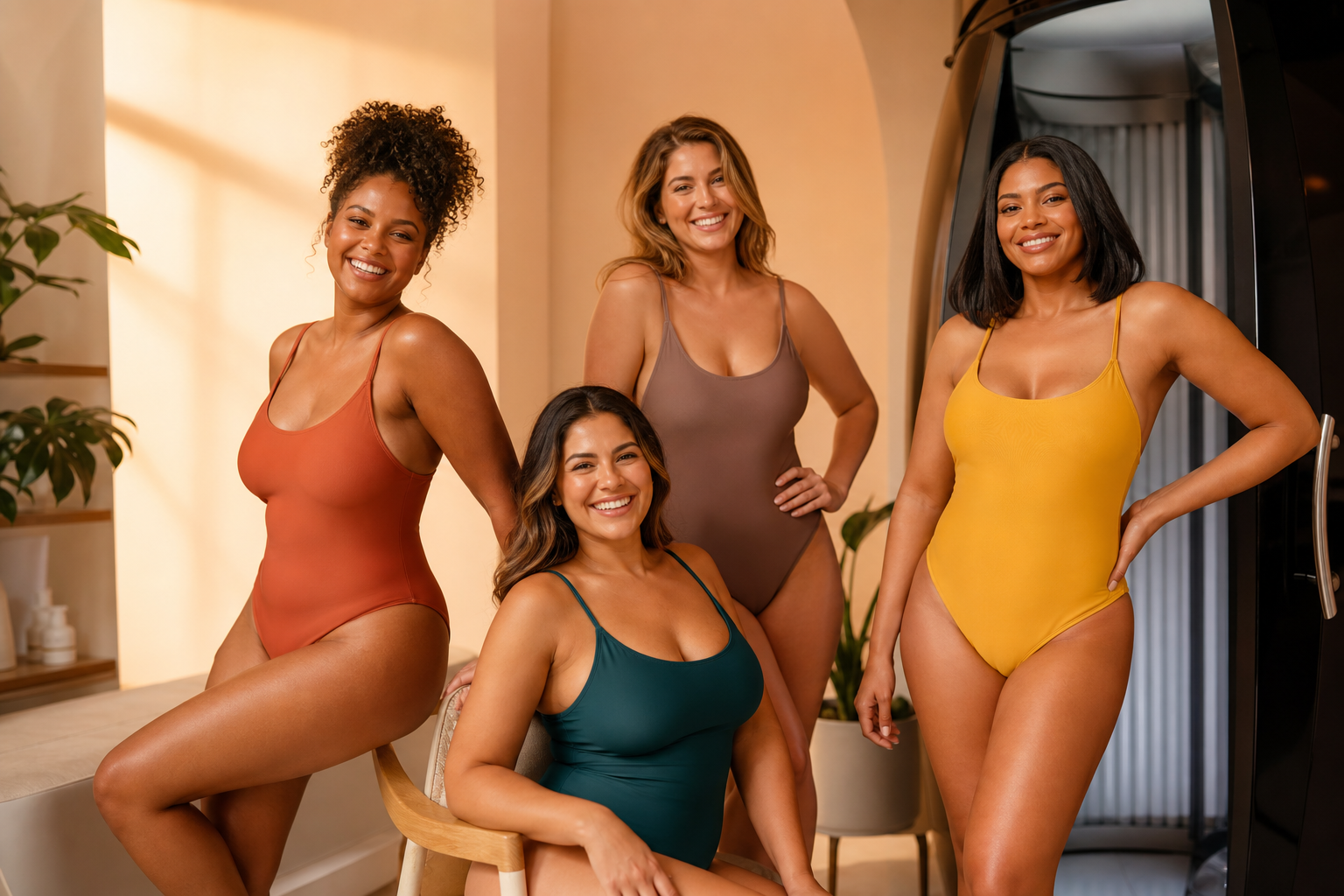
Spray tanning caters to a broad audience seeking a cosmetic tan without associated UV risks. Individuals with fair or sensitive skin that sunburns easily often prefer spray tans to avoid lasting damage. For those with medical contraindications such as a history of skin cancer or photosensitivity disorders, spray tanning provides a safe method to attain a bronzed look.
Many people choose spray tanning for special events — weddings, photoshoots, performances — where a flawless complexion enhances appearance and confidence. Professional models, actors, and dancers frequently rely on spray tans to maintain consistent skin tone under rigorous lighting conditions. Furthermore, individuals who struggle to develop natural tans or desire to correct uneven pigmentation find spray tans valuable.
However, it is important that users with allergies, dermatological conditions like eczema or psoriasis, or pregnancy consult healthcare professionals before undergoing treatment. While generally safe, individual sensitivities to DHA or other solution components must be considered.
Understanding the Role of DHA in Spray Tans
Dihydroxyacetone (DHA) is the scientifically validated active agent behind spray tanning products. Derived from natural sources such as sugar beets or sugar cane, DHA is a simple carbohydrate that imparts color through chemical reactions confined to superficial skin layers. When applied, DHA interacts with amino acids and proteins in dead skin cells, triggering pigmentation that mimics the effect of melanin.
This process does not involve UV light nor does it produce a tan identical in composition to sun-induced pigmentation. Rather, it simulates the aesthetic by darkening the outer skin. The results are influenced by DHA concentration, application uniformity, and the skin's condition. Modern formulations often integrate moisturizing ingredients, antioxidants, and skin-conditioning agents to enhance appearance and maintain skin health during the lifetime of the tan.
Due to its superficial action, DHA-based spray tans are non-invasive and pose minimal health risks when used as intended. Users should nevertheless follow safety guidelines to minimize exposure to inhaled aerosolized DHA during application, especially around the respiratory tract.
How to Prepare Your Skin for a Spray Tan
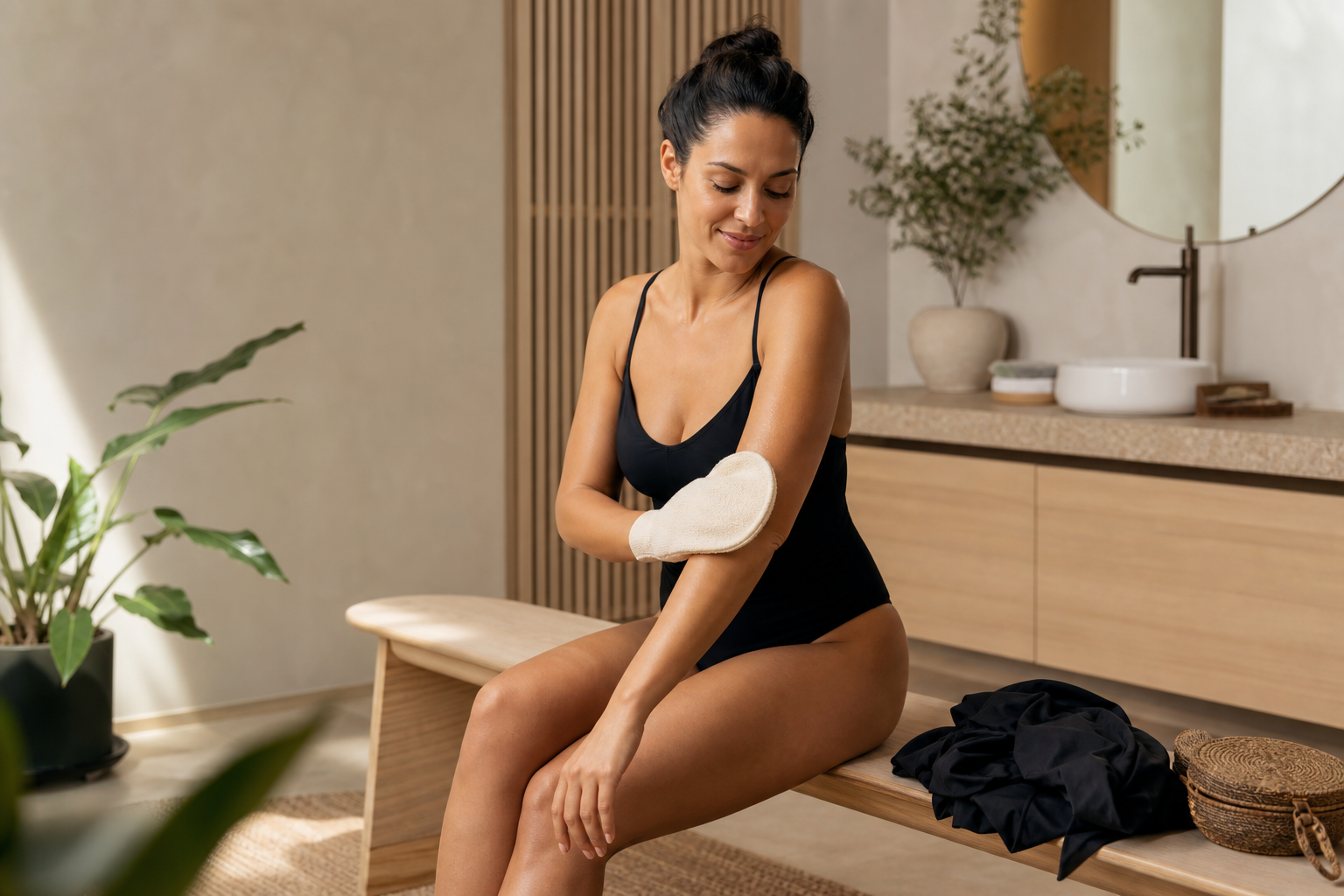
Optimal spray tan results begin well before the treatment itself, through meticulous skin preparation. Exfoliation is critical to remove dead skin cells that can accumulate and cause patchy or uneven coloration. Performing a gentle full-body scrub one day prior to tanning ensures a smooth canvas for the DHA to react evenly.
Additionally, it is advisable to avoid heavy moisturizers, oils, perfumes, deodorants, and makeup on the day of application, as residues may interfere with tanning solution adherence. For best results, hair removal such as shaving or waxing should be completed at least 24 to 48 hours beforehand to avoid irritation and allow skin to settle.
Wear loose, dark-colored clothing to the appointment to prevent staining from the still-damp solution, and bring flip-flops or sandals to avoid smudging the feet. Inform your technician of any skin sensitivities or allergies during the initial consultation.
What to Expect During a Professional Spray Tan Session
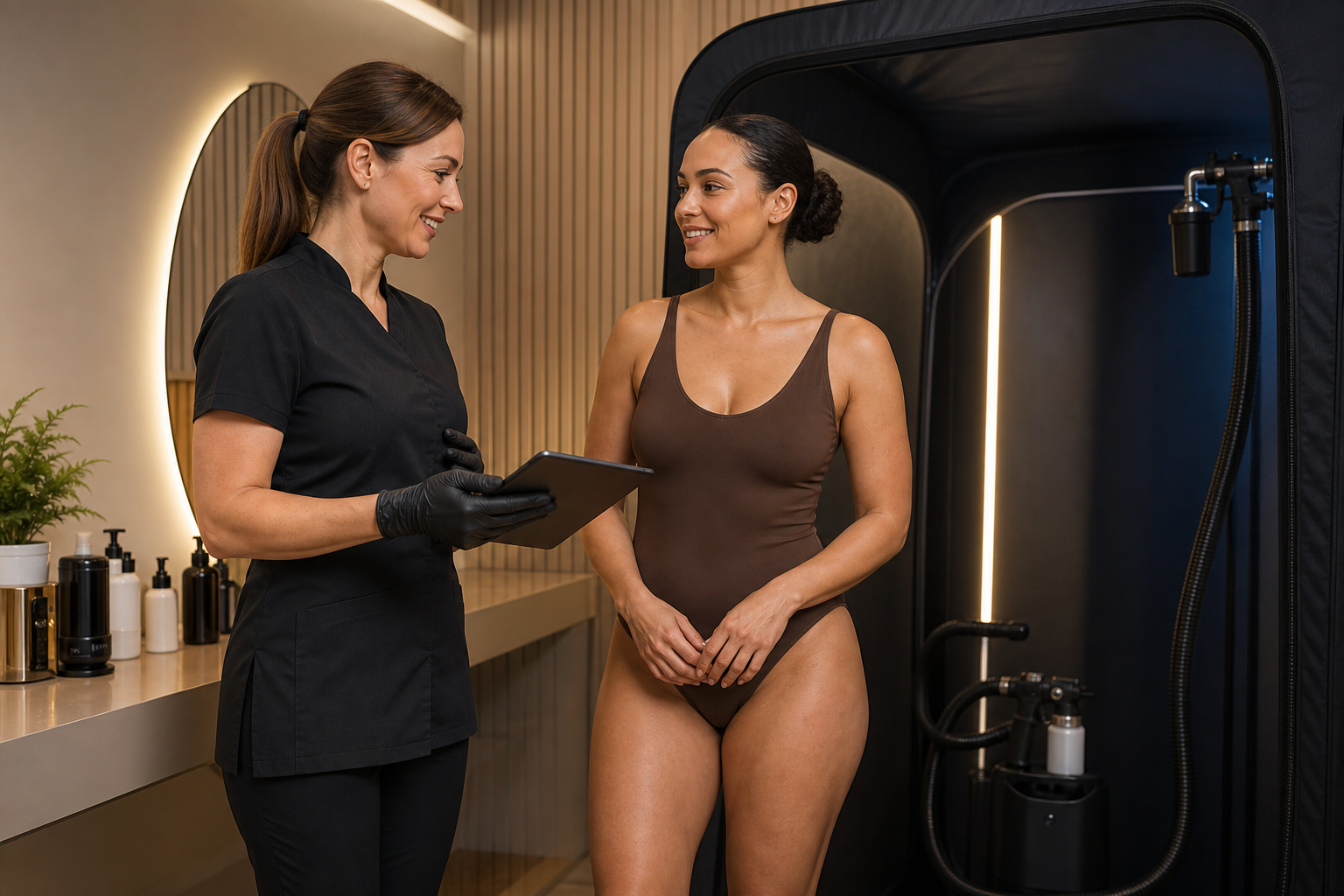
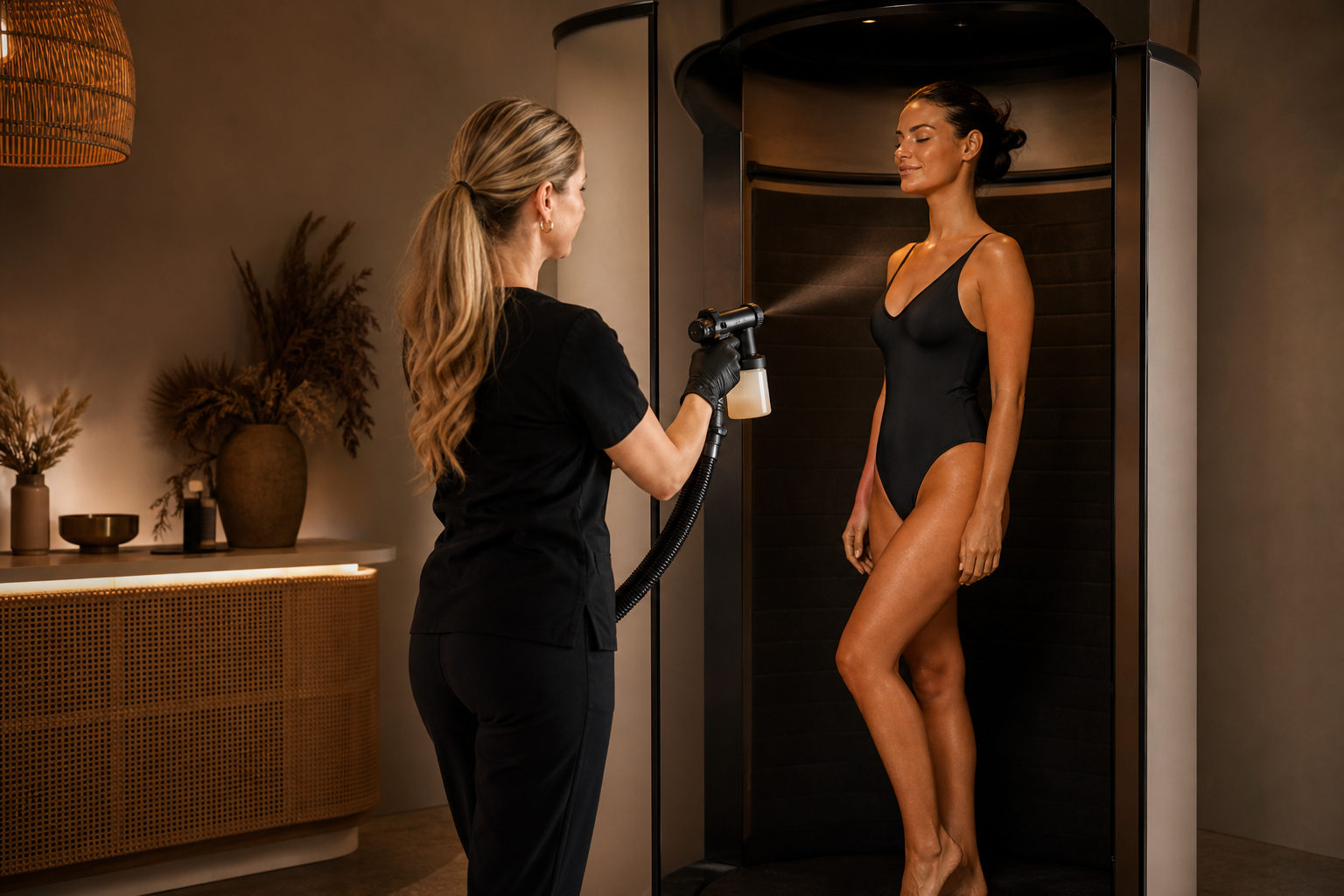
Professional spray tanning is typically performed either using automated spray booths or manual airbrush systems operated by trained technicians. The client selects the desired shade range, often with expert guidance considering skin type, natural undertones, and personal preferences.
During the session, clients stand or hold poses to allow comprehensive coverage; special attention is given to areas prone to uneven absorption, such as elbows, knees, ankles, and hands. Technicians ensure fluidity and continuity across these regions to prevent blotching.
The entire process is relatively swift, usually lasting between 10 to 20 minutes. Following application, it is essential to remain still while the solution dries to avoid streaks or smears. Clients are advised to avoid water, sweating, and friction for 6 to 8 hours post-treatment to facilitate proper color development.
How to Choose the Right Spray Tan Shade for Natural Results
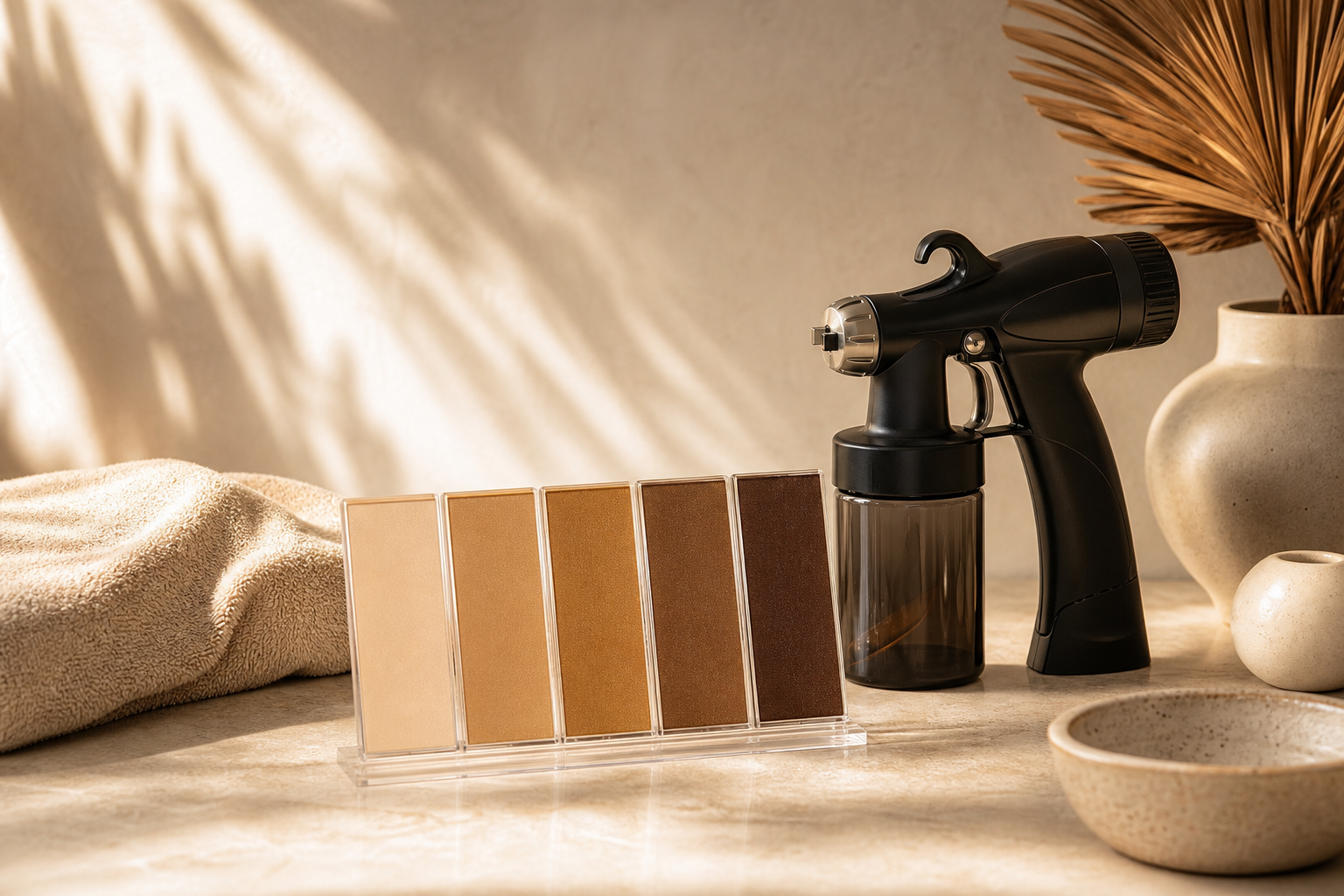
Choosing the perfect tan shade is a balance between personal aesthetics and skin compatibility. Overly dark dyes can appear artificial or muddy, while overly light shades may produce negligible change. Most salons carry a palette of shades spanning from subtle golden hues to deeper bronze tones.
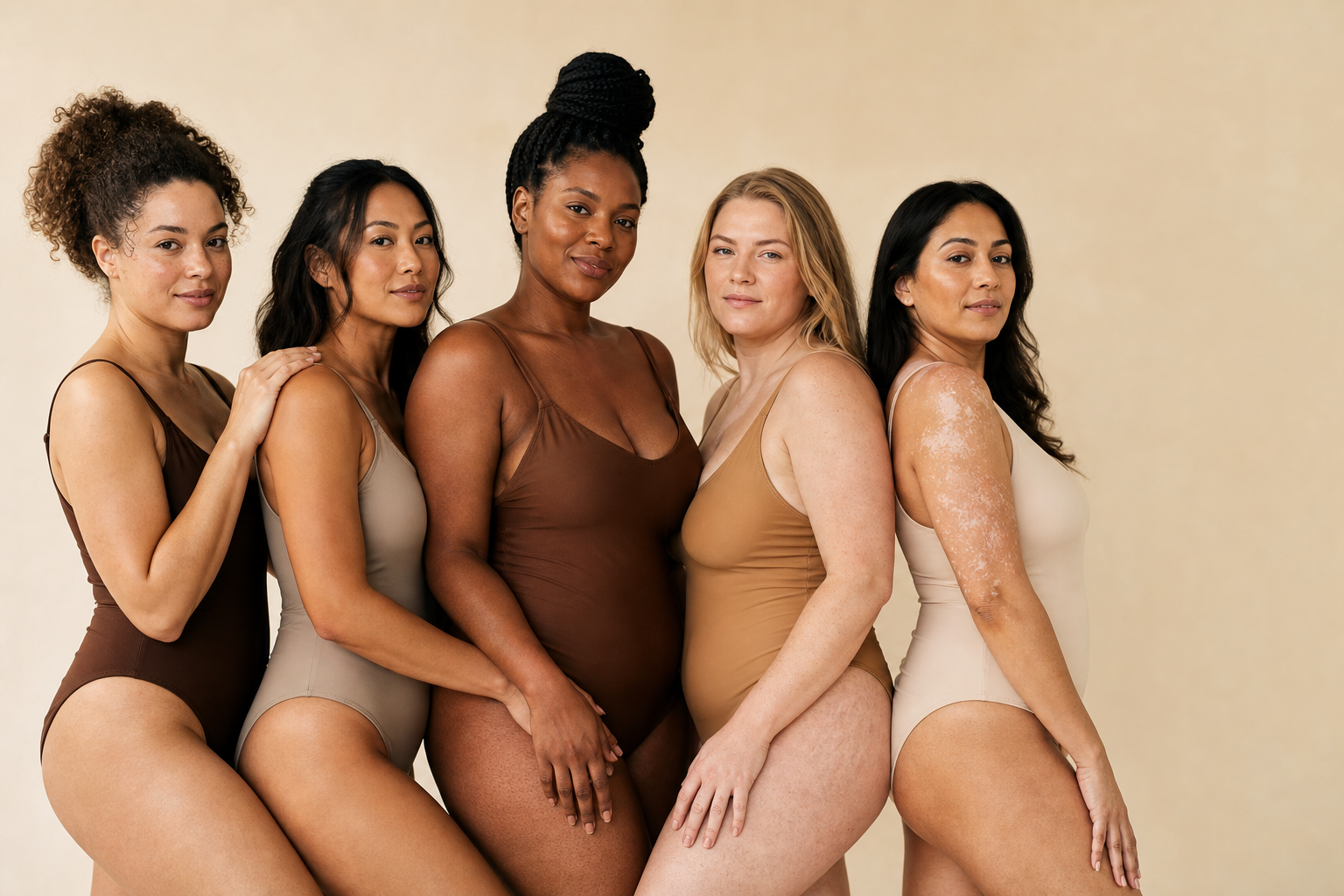
Factors influencing shade choice include baseline skin color, eye and hair pigmentation, and anticipated exposure duration. Generally, lighter complexions benefit from softer, warm tans, while darker skin types might opt for more intense tones to accentuate natural contrast.
Technicians often recommend starting with a milder shade on the first trial to assess the effect and avoid surprises. Keep in mind that the color deepens during the 6 to 8 hours after application and fades gradually over days, so selecting a shade that complements your look rather than overwhelms it is prudent.
Color Development Timeline and Longevity of Spray Tans
Immediately after application, spray tans may appear slightly orange or uneven due to the solution's initial dampness. Within 2 to 3 hours, pigmentation begins intensifying as DHA reacts chemically with the skin's surface. Most users note optimal color between 6 to 8 hours post-application.
The resulting tan generally persists between 5 and 10 days, contingent upon individual skin exfoliation rates, lifestyle, and care routines. As skin routinely sheds dead cells, the artificial pigment fades correspondingly, underscoring the temporary nature of spray tanning.
Environmental factors such as swimming, bathing, vigorous scrubbing, and exposure to harsh soaps can accelerate fading. Conversely, gentle cleansing and moisturizing can prolong the aesthetic benefits by maintaining skin hydration and integrity.
Maintaining and Caring for Your Spray Tan
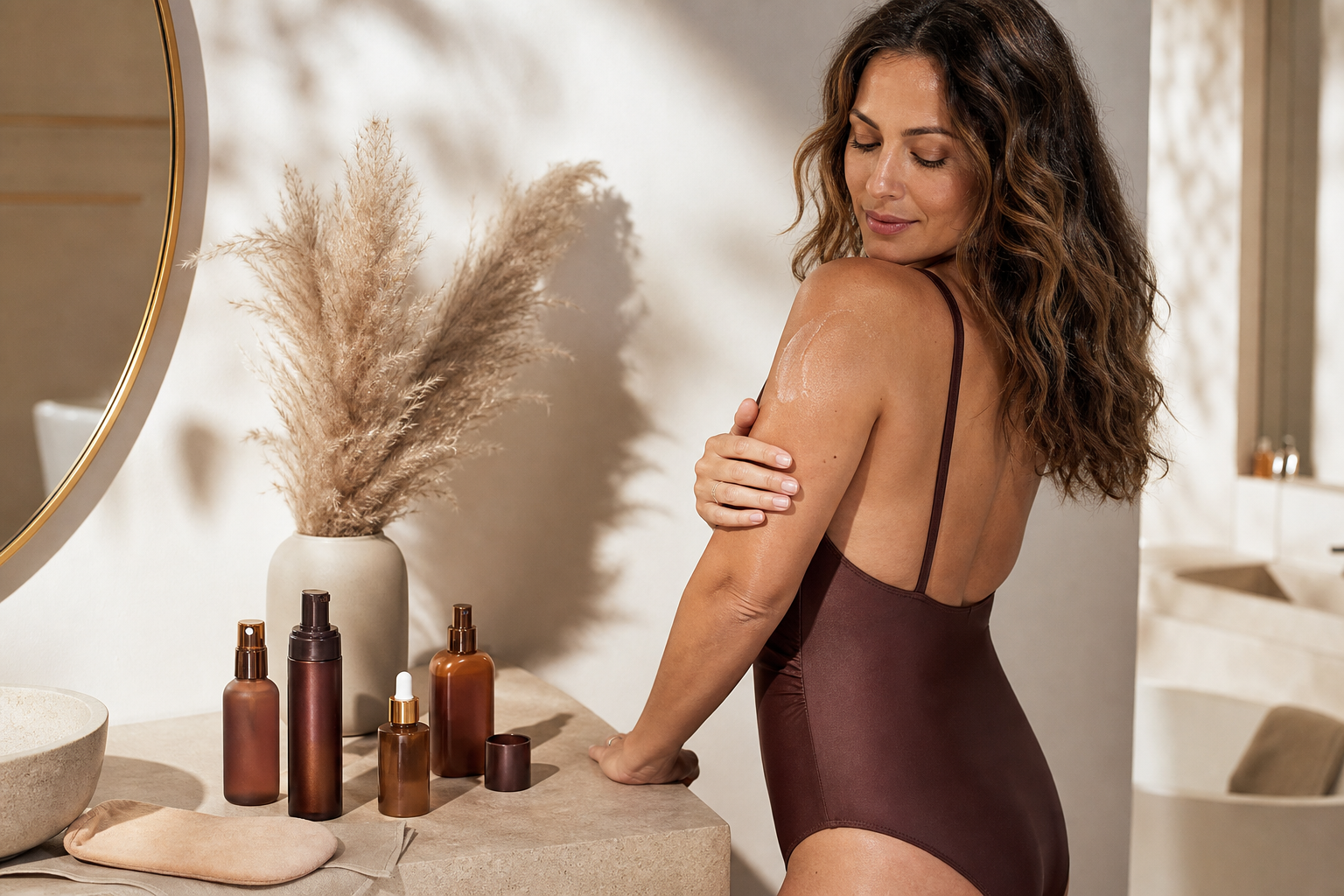
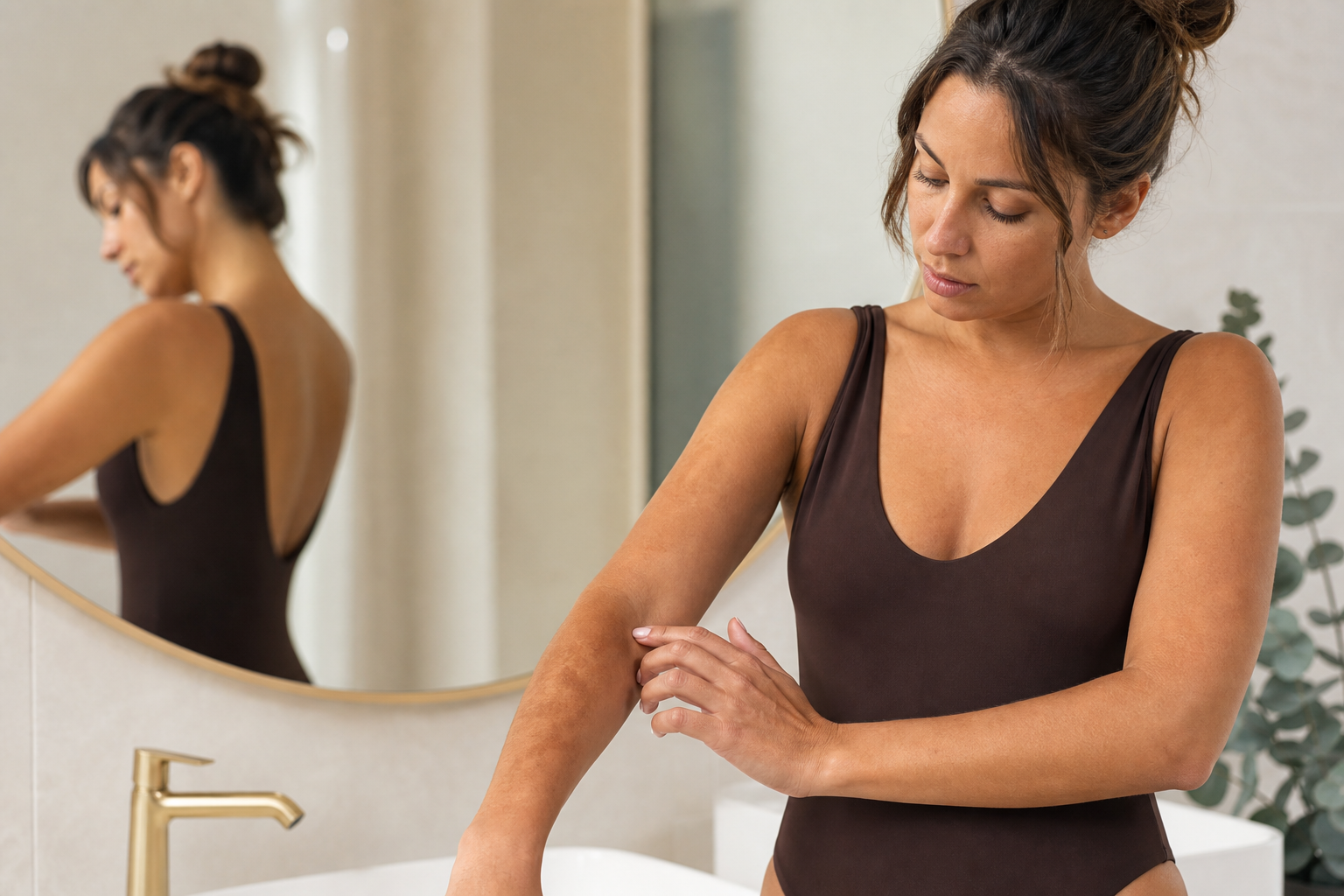
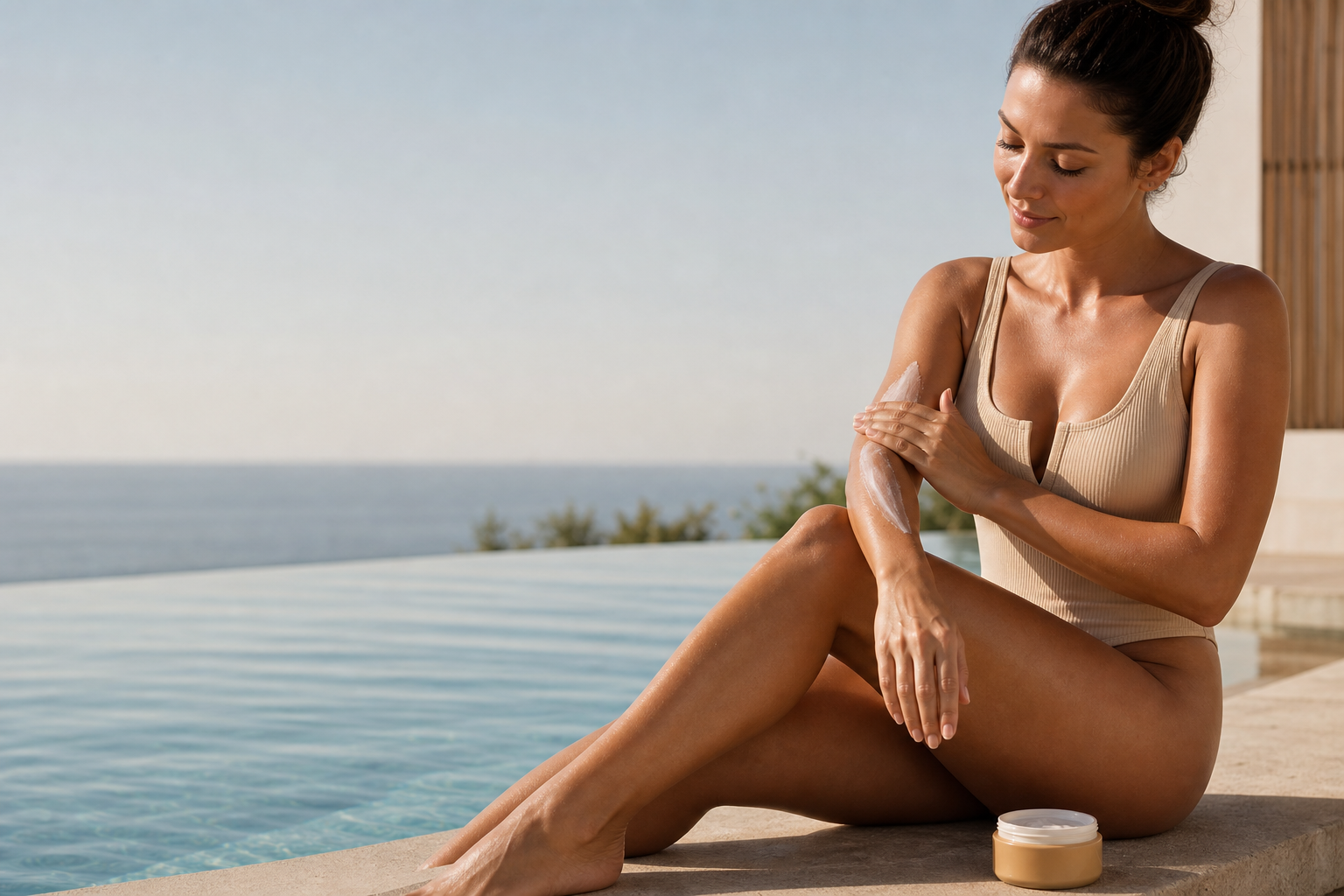
Once the desired tan is achieved, maintaining its vibrancy requires attentive aftercare. Hydration is paramount as dry skin leads to uneven peeling and patchiness. Use oil-free, fragrance-free moisturizers to keep the skin supple and the color uniform.
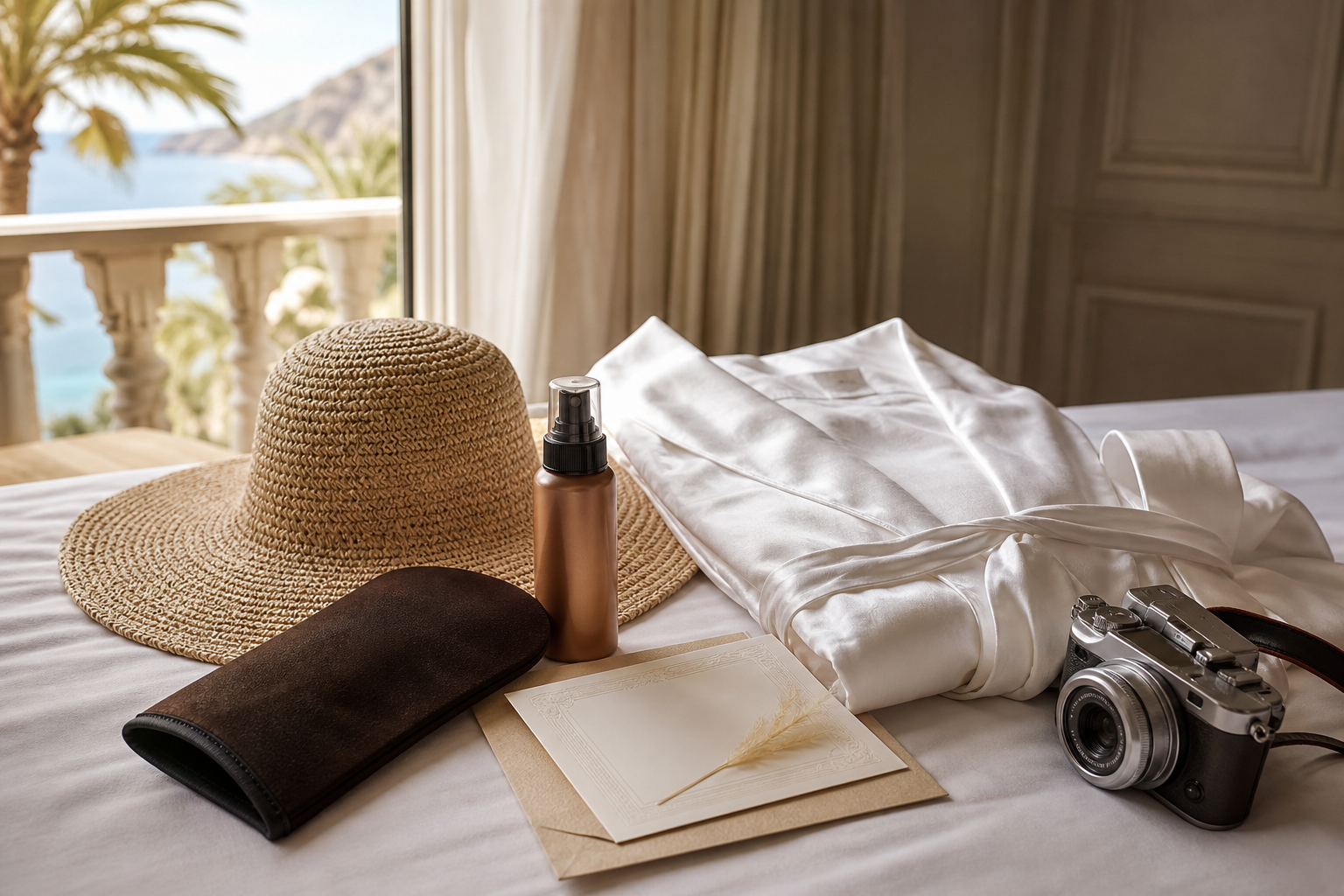
Avoid hot showers and abrasive exfoliation for several days post-tan. Instead, opt for lukewarm water and mild cleansers to minimize premature breakdown of the bronzing layer. When exfoliation is necessary after the initial period, gentle scrubs or mitts should be used carefully to maintain an even fade.
Limiting activities that cause excessive sweating or prolonged water submersion can also preserve the tan longer. Should uneven spots or darker patches arise, light manual exfoliation paired with moisturization can even the complexion gently.
Safety Considerations and Contraindications in Spray Tanning
Spray tanning is widely regarded as a safe cosmetic procedure, given it avoids UV radiation and invasive chemicals. DHA has been extensively studied and approved for topical use by health regulatory bodies, with minimal systemic absorption.
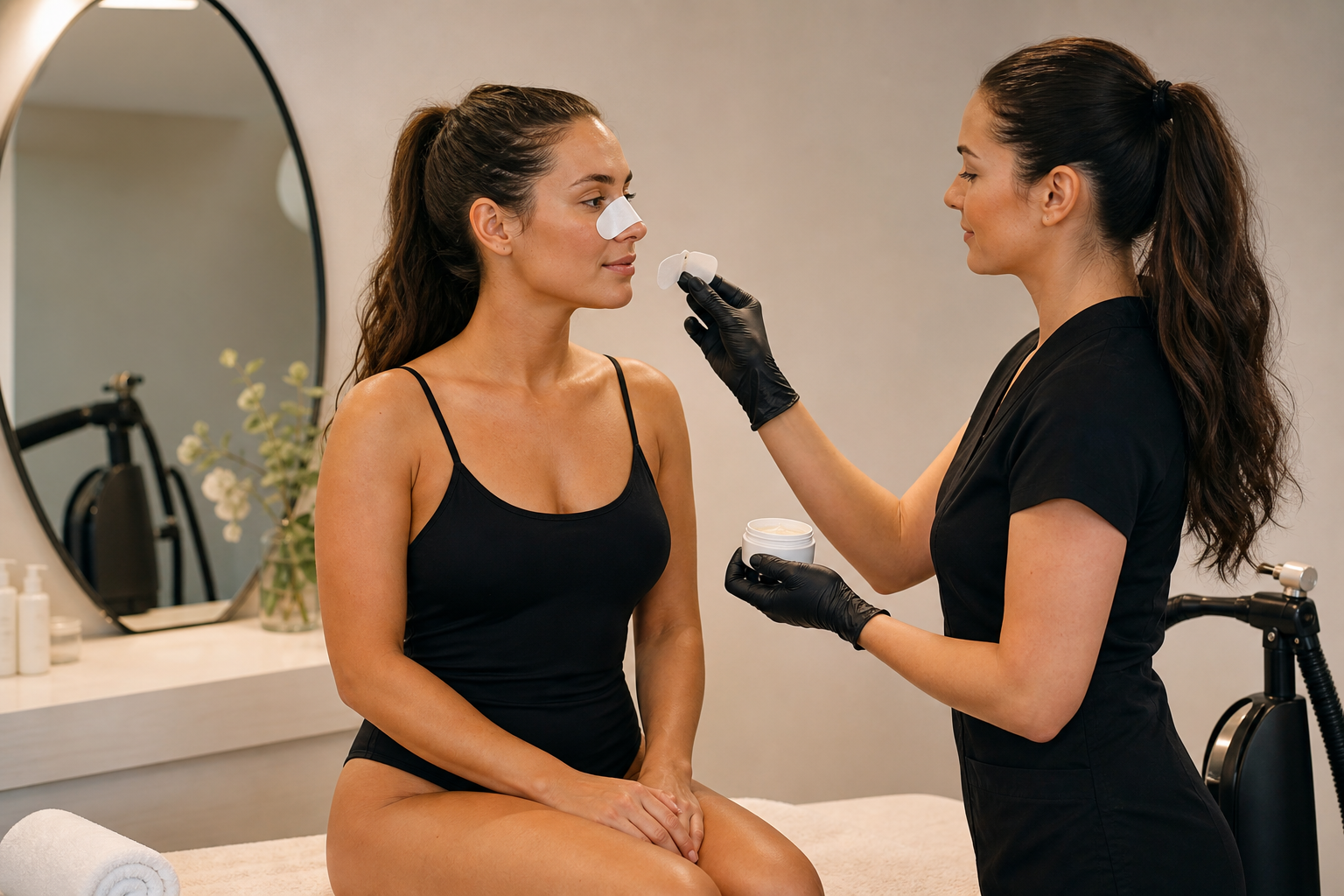
Nonetheless, inhaling spray mists during in-salon treatments poses a potential concern. Utilizing protective measures such as nose filters or performing treatments under proper ventilation reduces risk. Eye and mucous membrane contact should also be minimized.
Individuals with sensitive skin, allergies to DHA or other solution components, or specific skin conditions should consult a dermatologist prior to treatment. Patch tests performed days in advance can identify adverse reactions. Pregnant or breastfeeding women should seek medical advice as a precaution.
Crucially, spray tans provide no sun protection. Regardless of tan shade or duration, users must continue to apply broad-spectrum sunscreens with SPF 30 or higher to shield their skin from UV damage and associated risks.
Understanding the Costs and Value of Spray Tan Treatments
The price of spray tan services varies widely depending on geographic location, salon reputation, solution quality, and application method. On average, professional spray tans range between moderate to premium price points, reflecting both expertise involved and product excellence.
While at first glance costs might seem higher compared to do-it-yourself products, professional applications tend to offer more consistent, durable, and natural appearances. Additionally, the reduced exposure to harmful UV rays represents an invaluable health investment beyond monetary considerations.
Ultimately, the decision to pursue spray tanning hinges on personal preferences, lifestyle, and priorities. For those prioritizing safe, swift, and photogenic tans without sun damage, spray tanning constitutes a worthwhile and effective option.
Setting Realistic Expectations and Frequently Asked Questions
Understanding the limitations and realistic outcomes of spray tanning prevents disappointment. The tan is temporary, lasts less than two weeks, and gradually fades with skin turnover. The initial color may differ slightly from natural sun tans, with variations reflecting the interaction between DHA and individual skin chemistry.
Common queries include:
Can I shower immediately after spray tanning? It is advised to avoid water and sweating for a minimum of 6 to 8 hours to allow the tan to develop fully.
Is spray tanning safe for all skin types? Generally yes, but those with allergies or skin conditions should seek medical advice and perform patch tests first.
Does spray tan protect against sunburn? No, spray tans offer no UV protection. Sunscreen remains necessary.
How can I fix streaks or uneven color? Gentle exfoliation and hydration help even out imperfections over time.