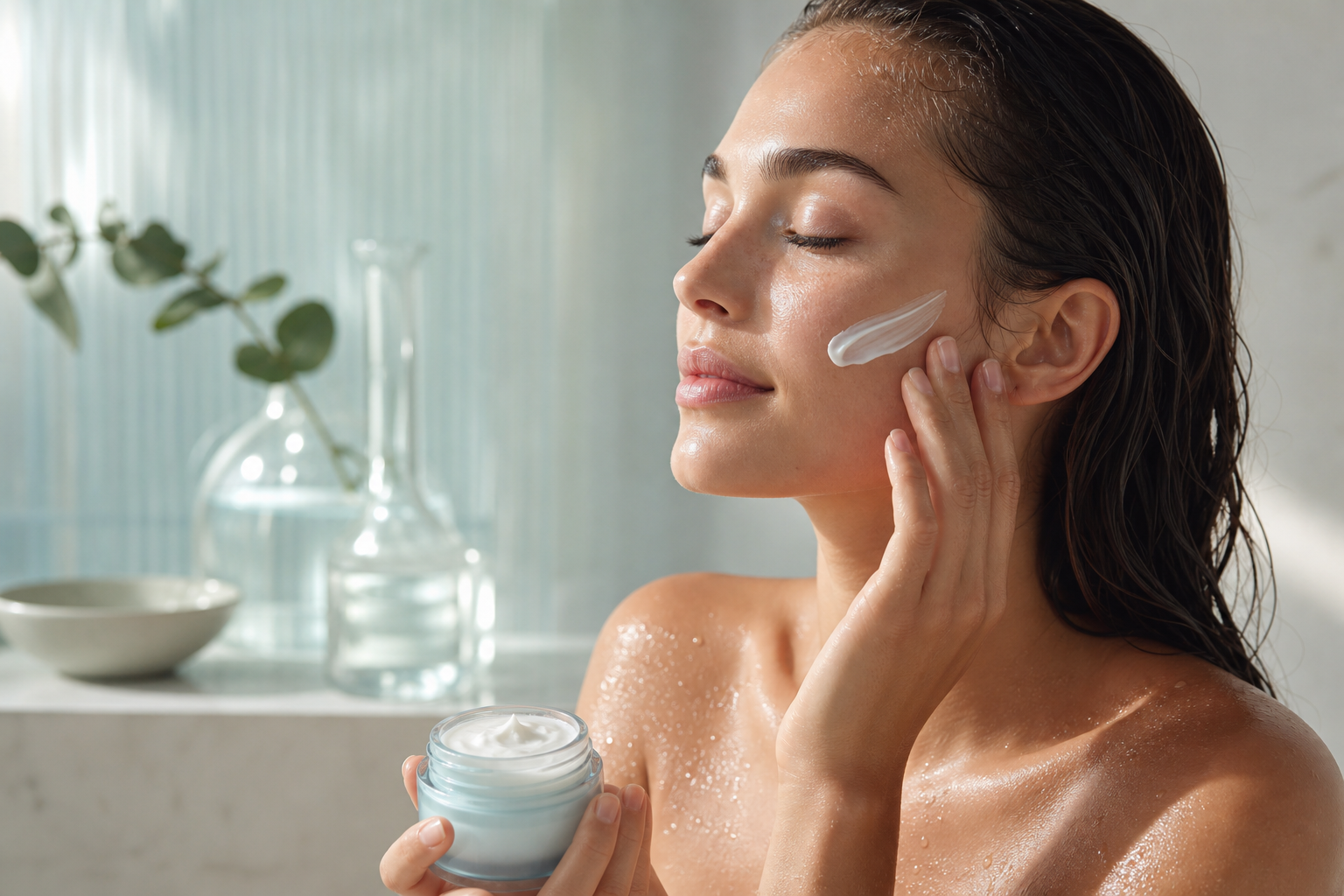
Managing oily and problematic skin presents unique challenges, particularly when addressing the frequent concerns of excessive shine, acne breakouts, enlarged pores, and uneven complexion. A carefully devised morning skincare routine is fundamental for those whose skin struggles with these issues, as it not only mitigates present symptoms but also helps prevent future dermatological complications. While oily skin is often misconstrued as being less prone to aging, its susceptibility to inflammation and clogged pores demands targeted care that balances sebum control and skin hydration.
This article is intended for individuals seeking a professional, effective framework for morning skincare tailored to oily and problematic skin types. It aims to clarify how a structured routine, incorporating gentle cleansing, appropriate hydration, and sun protection, can harmonize the skin’s natural functions and support anti-aging efforts. Importantly, it outlines program indications, realistic expectations, and highlights when guidance from a certified specialist becomes essential, fostering an informed and safe approach to facial care.
Understanding the needs of oily and problematic skin is critical for selecting products and treatments that address both immediate concerns and long-term skin health. The strategies discussed here emphasize science-backed steps and non-invasive facial treatments that improve skin texture, hydration, and vitality, without compromising safety or leading to over-drying or irritation.
What Distinguishes Oily and Problematic Skin and Why Does It Require a Special Morning Routine?
Oily skin is characterized by the hyperactivity of sebaceous glands, resulting in overproduction of sebum. This excess oil can lead to a glossy appearance, clogged pores, and inflammatory lesions, commonly known as acne. Problematic skin often exhibits persistent blemishes, blackheads, whiteheads, and a tendency towards redness or sensitivity. In contrast to dry skin, it is imperative to manage oiliness without stripping the skin’s natural barrier, which protects against environmental aggressors and prevents moisture loss.
The morning skincare routine serves as a vital daily intervention to stabilize the skin’s condition, prepare it for external exposures, and prevent exacerbation of problems. Products need to combine sebum-controlling capabilities with anti-inflammatory and skin-renewing properties. Since problematic skin is prone to scarring and pigmentation irregularities, early and consistent care reduces these risks. Therefore, customizing the routine according to individual severity and skin tolerance—often in collaboration with dermatology professionals—is recommended to optimize outcomes.
What Are the Essential Components of an Effective Morning Routine for Oily and Problematic Skin?
The cornerstone of morning care begins with gentle yet thorough cleansing to remove overnight sebum accumulation, sweat, and environmental pollutants without irritating or dehydrating the skin. Choosing a cleasing gel or foam formulated specifically for oily or acne-prone skin ensures effective sebum control and pore cleansing while maintaining the skin’s protective lipid film.
Following cleansing, the application of a toner with a balanced pH helps restore the skin’s acid mantle, thereby enhancing barrier function and preparing skin for subsequent products. Toners for oily skin should be alcohol-free to avoid triggering reactive oil production or inflammation.
Hydration is often underestimated in oily skin care. A lightweight, non-comedogenic moisturizer—preferably a water-based gel enriched with hyaluronic acid or niacinamide—maintains optimal moisture levels, reduces redness, and supports regulation of sebum secretion. Adequate hydration mitigates the paradoxical overproduction of oil commonly seen when the skin is dehydrated or irritated.
Sun protection is an indispensable final step. A broad-spectrum sunscreen with at least SPF 30 shields sensitive and acne-prone skin from ultraviolet radiation, which can worsen inflammation, promote hyperpigmentation, and accelerate aging. The use of mattifying or oil-control sunscreen formulations ensures protection without clogging pores or adding excess shine.
When Is Consultation with a Dermatology Specialist Advisable in Managing Oily and Problematic Skin?
Individuals whose acne severity escalates or whose skin condition fails to improve with over-the-counter products should seek medical advice. Certified dermatologists can assess the extent and type of acne, inflammatory activity, and potential scarring risks to prescribe tailored treatments. This may include prescription medications, professional anti-aging facial treatments, or corrective procedures designed to modulate sebum production and reduce inflammation safely.
Professional guidance is also crucial for integrating active ingredients like retinoids, chemical exfoliants, or peptides into one's skincare regimen in a manner that avoids irritation or excessive dryness. Dermatologists provide monitoring and adapt treatments as necessary to align with changes in skin sensitivity or overall health.
What Challenges Commonly Arise in Applying a Morning Routine for Oily and Problematic Skin?
A frequent pitfall is using overly harsh cleansers or exfoliants that strip natural oils excessively, provoking a compensatory surge in sebum production and potentially worsening acne. Avoiding aggressive astringents and opting for balanced formulations is key. Another concern is neglecting sun protection, which can exacerbate pigmentation issues and undermine anti-aging efforts.
Choosing between cleansing gels, foams, and oils depends on individual skin response; however, gels and foams generally suit oily skin best. While double cleansing is popular, for oily skin types in the morning, a single gentle cleanse is often sufficient to maintain skin balance.
How Can Long-Term Skin Health Be Supported Beyond the Morning Routine?
Integrating healthy lifestyle habits—such as a balanced diet rich in antioxidants, consistent hydration, and stress management—complements topical skincare. Occasionally receiving professional non-invasive anti-aging facial treatments can improve skin texture, elasticity, and overall radiance without the need for injections or procedures with downtime.
Regular dermatological evaluations ensure timely updates to skincare approaches, particularly if medical therapies are incorporated to address active acne and prevent scarring. Educating oneself about skin responses and adjusting routine components accordingly promotes sustained improvements and decreases the likelihood of setbacks.