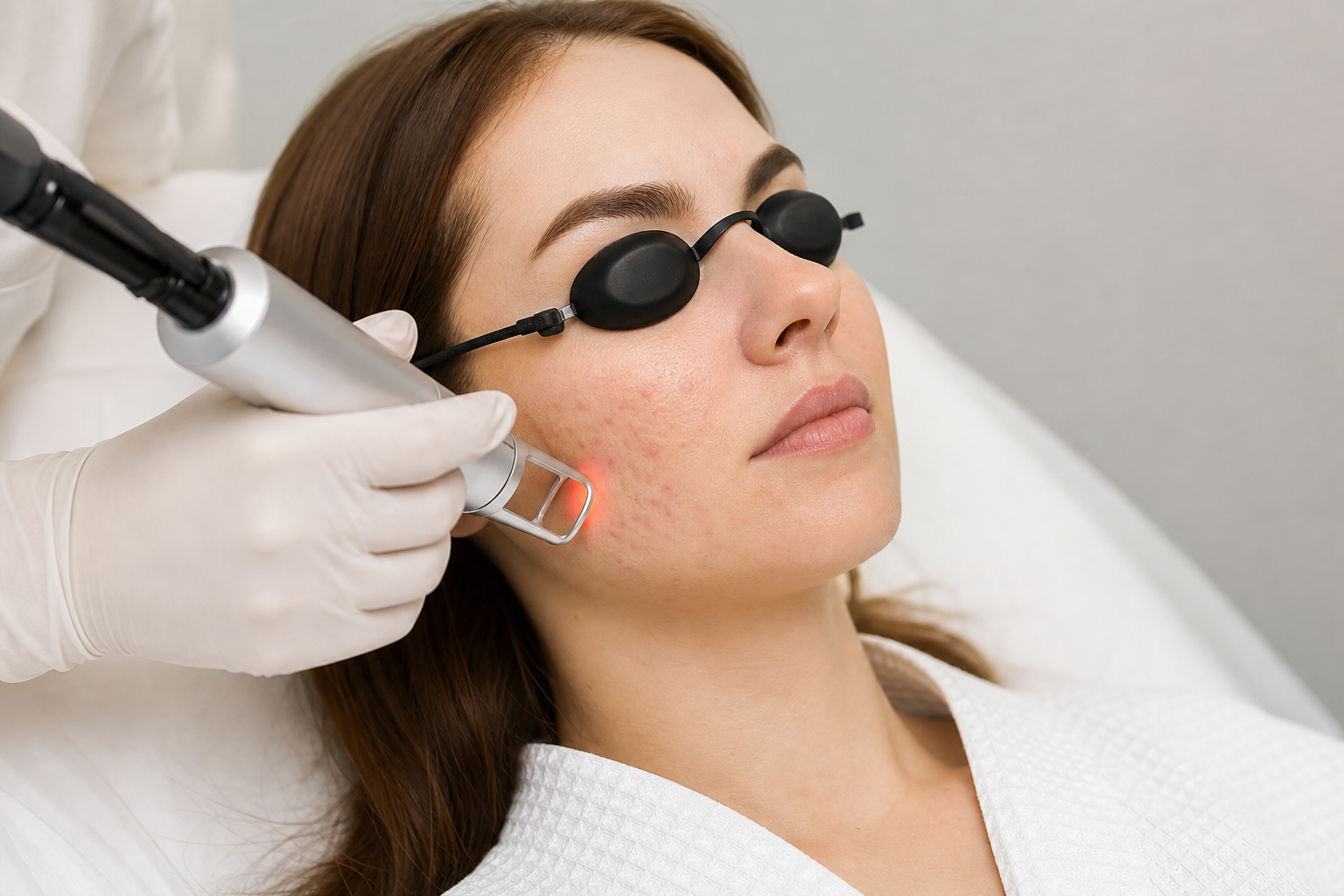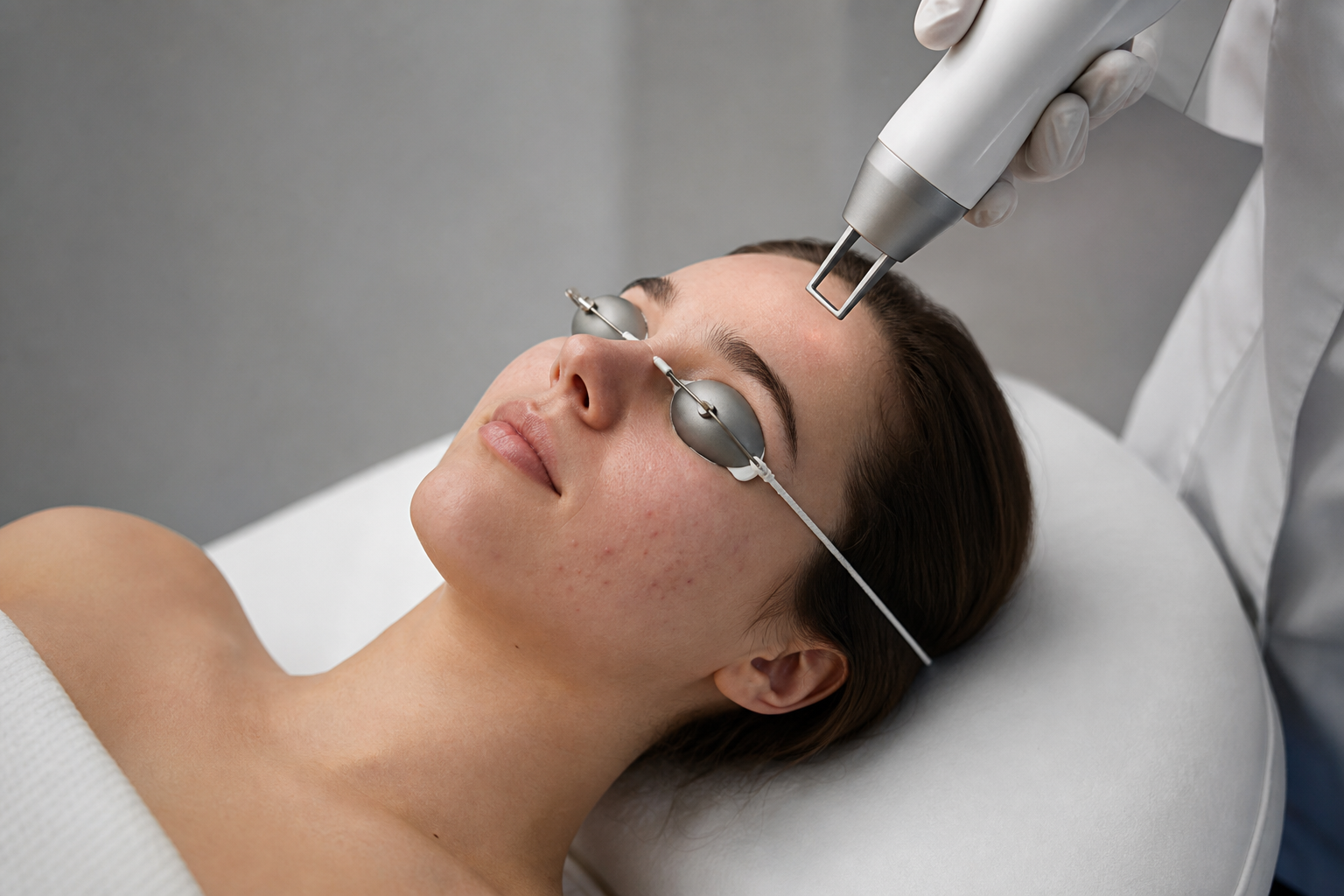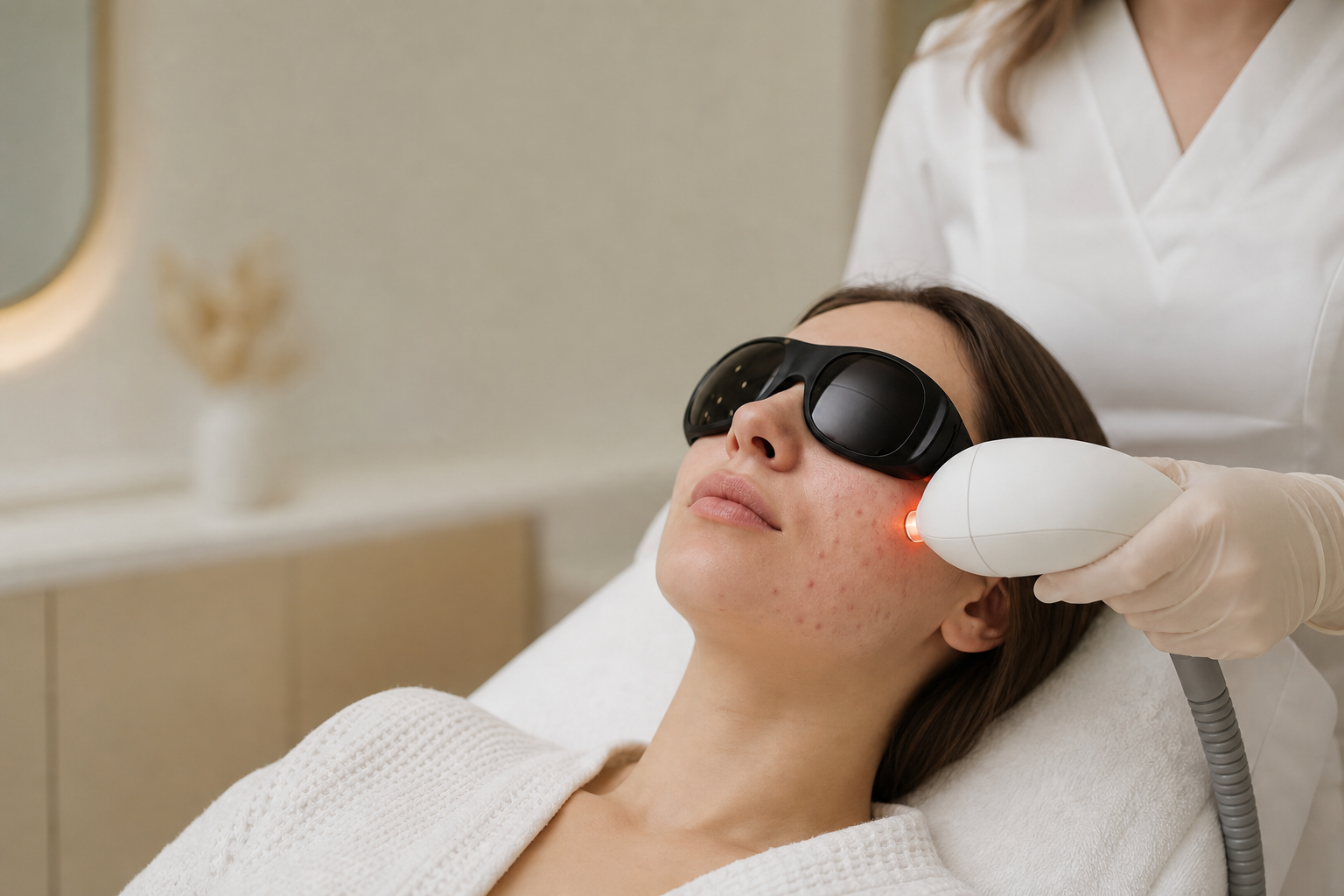
Laser treatments for acne represent a sophisticated approach in modern dermatology aimed at reducing inflammatory processes and enhancing the overall appearance of skin affected by this common disorder. Utilizing specific wavelengths of light energy, these procedures target bacteria implicated in acne development, mitigate inflammation, and stimulate skin regeneration. It is essential to understand that such laser interventions are not universally suitable for every acne presentation and differ markedly from cosmetic skincare routines or salon-based nonmedical treatments, as they form part of a tightly regulated medical strategy.
This comprehensive article is intended for individuals experiencing various forms of acne, as well as those seeking to understand the capabilities, limitations, and safety considerations surrounding laser treatments. Furthermore, it offers valuable insights for dermatology and aesthetic medicine professionals wishing to update their knowledge related to the application of LED, IPL, photodynamic therapy, and laser technologies in managing acne-prone skin.
Within the following sections, we explore the mechanisms by which laser treatments exert their effects, identify suitable patient profiles, compare different laser and light-based therapies, address contraindications and potential side effects, clarify distinctions between medical and cosmetic procedures, and emphasize the importance of expert consultation before initiating treatment.
Understanding the Mechanism: How Do Laser Treatments Combat Acne?
Laser therapies for acne employ targeted light sources to influence acne’s underlying causes and visible symptoms without relying on chemical agents. Through photothermal or photochemical reactions within the skin tissue, these interventions selectively affect bacteria proliferation and sebaceous gland activity.
For example, blue LED light exhibits bactericidal action specifically against Cutibacterium acnes (formerly Propionibacterium acnes), a key microorganism involved in inflammatory acne. Complementarily, red LED light produces anti-inflammatory effects by improving microcirculation and promoting skin healing. More potent laser devices such as Nd:YAG, pulsed dye lasers, and fractional lasers can penetrate deeper skin layers to reduce sebaceous activity and encourage dermal remodeling.
It is critical to differentiate these laser applications designed to manage active inflammatory acne from other pigment-targeting or skin resurfacing treatments that primarily serve cosmetic purposes without addressing infection or inflammation directly.
Identifying Candidates: Who Benefits Most from Laser Acne Treatments?
Laser interventions are primarily indicated for patients with moderate to severe inflammatory acne who have shown inadequate response to conventional therapies or possess contraindications to systemic medications. They may also be advantageous for individuals prone to acne scarring or post-inflammatory pigmentation, as some laser methods promote tissue remodeling and improve skin texture.
Milder acne cases, especially those characterized by predominantly comedonal lesions (blackheads and whiteheads), typically respond better to standard cosmetic procedures rather than medical laser therapy. Conversely, individuals with severe nodulocystic acne or a predisposition to scarring require personalized approaches often involving multidisciplinary collaboration between dermatologists and aesthetic specialists.
Certain conditions preclude laser treatment suitability, such as pregnancy, active skin infections, systemic autoimmune diseases, or recent isotretinoin use. Thus, medical evaluation by a dermatologist is essential to confirm candidacy and ensure safety.
Types of Lasers and Light-Based Therapies Used in Acne Management
The landscape of laser and light treatments for acne is diverse, each modality employing different wavelengths, mechanisms, and clinical indications:
Blue LED Light: Targets bacterial porphyrins, producing reactive oxygen species that eliminate acne-causing bacteria.
Red LED Light: Serves as an anti-inflammatory agent that enhances local blood flow and promotes healing processes.
Combined Blue and Red LED Therapy: Merges antibacterial and anti-inflammatory effects for synergistic benefits in reducing acne lesions.
Intense Pulsed Light (IPL): Utilized to diminish inflammation, reduce redness, and address pigment irregularities associated with acne.
Photodynamic Therapy (PDT): Involves the application of photosensitizing agents activated by specific light wavelengths to achieve potent antibacterial and anti-inflammatory outcomes, suited for refractory acne cases.
Lasers Targeting Sebaceous Glands: Devices like Nd:YAG lasers decrease sebaceous gland activity, addressing a fundamental acne cause by lowering sebum production.
Choosing an appropriate modality depends on acne type, skin characteristics, and professional medical assessment.
Differentiating Medical Laser Treatments from Cosmetic Procedures in Acne Care
It is vital to distinguish between medically supervised laser treatments and cosmetic procedures commonly performed in esthetic salons without medical oversight. Medical laser treatments involve individualized diagnosis, professional monitoring, and are supported by clinical evidence demonstrating efficacy in targeting acne-specific pathophysiology.
In contrast, cosmetic procedures such as deep facial cleansing, chemical peels, or microneedling, although beneficial for improving skin appearance, do not specifically eradicate acne-causing bacteria or significantly modulate inflammatory pathways at a therapeutic level.
Patients with active inflammatory acne should prioritize consultation with a dermatologist to ensure that chosen interventions align with their clinical needs and minimize risk.
Potential Adverse Effects and Contraindications of Laser Acne Treatments
Like all medical interventions, laser treatments carry the possibility of side effects. Commonly reported reactions include transient erythema (redness), mild swelling, warmth, or tingling sensations during and post-treatment. Rare complications may involve pigmentary changes—hyperpigmentation or hypopigmentation—particularly in individuals with darker skin tones or inadequate photoprotection.
Absolute contraindications encompass pregnancy, breastfeeding, active herpes simplex lesions, open wounds, recent isotretinoin therapy (within the last six months), and certain immunologic disorders. Any unusual symptoms—persistent pain, blister formation, or infection—should prompt immediate medical evaluation.
Initiating laser therapies without comprehensive dermatologic examination and informed decision-making is strongly discouraged to avoid adverse outcomes.
Pre-Treatment Dermatological Assessment: Why and When It’s Essential
Given the variable nature of acne, its multifactorial origins, and potential systemic associations, professional dermatologic assessment is imperative prior to laser treatment commencement. The specialist will evaluate lesion type, disease severity, skin type, medical history, and carefully weigh benefits against risks.
This evaluation may include hormonal profiling, microbial cultures, or imaging, and the dermatologist may recommend adjunctive systemic or topical medications to optimize treatment results.
Engaging in a judicious therapeutic plan overseen by an expert enhances safety and enhances the likelihood of sustained improvement.
Setting Realistic Expectations: What Laser Treatments Can and Cannot Achieve
Patients should expect that laser therapies can effectively reduce inflammation, minimize redness, and decrease the frequency and severity of inflammatory lesions. With repeated sessions, improvements to skin texture and a reduction in potential scarring may also be observed.
However, laser treatments do not constitute a cure for acne, a relapsing and chronic condition. They are best utilized as a component of a comprehensive management strategy encompassing lifestyle modification, skincare routines, and when necessary, pharmacological treatment.
Adherence to post-treatment care, including sun protection and skin hydration, is crucial for maintaining benefits and avoiding complications.
Frequently Asked Questions About Laser Treatments for Acne
Does laser treatment hurt? Most patients describe the sensation as mild discomfort or heat, generally tolerable. Some procedures incorporate cooling or topical anesthetics to improve comfort.
How many sessions are typically required? Treatment plans vary; a common protocol involves 4 to 8 sessions spaced several weeks apart, depending on acne severity and chosen modality.
Can laser therapy trigger new acne outbreaks? Although uncommon, inappropriate use or individual skin response may occasionally exacerbate lesions. Proper medical guidance mitigates this risk.
Is special skincare necessary after treatment? Yes. Strict sun protection, gentle cleansing, and moisturizing are recommended. Follow-up visits ensure optimal healing and adjustment of care.