Ultraviolet (UV) radiation from the sun and artificial sources plays a pivotal role in skin health and biology, yet it is also implicated in a broad spectrum of skin damage and diseases. Understanding the differences between UVA and UVB radiation is essential not only for individuals regularly exposed to sunlight but also for those considering or using tanning devices like sunbeds. This article aims to deliver a clear, evidence-based explanation of these two primary types of ultraviolet radiation, their unique impacts on the skin and health, and why no safe threshold for UV exposure exists. The discussion will also reference authoritative classifications, such as the International Agency for Research on Cancer's (IARC) Group 1 designation, emphasizing the carcinogenic risks associated with UV radiation.
This comprehensive overview is intended for a diverse audience: individuals seeking to protect their skin from sun-related damage, dermatology patients monitoring their UV exposure, health-conscious users of tanning salons, and anyone looking to understand the science behind UV radiation and its effects. Given the prevalence of skin cancers and the cultural emphasis on tanning, it is critical to distinguish between UVA and UVB radiation so that readers can make informed decisions regarding sun exposure and protective measures.
The significance of correctly differentiating UVA and UVB lies in their distinct mechanisms of interaction with skin tissue, their varying presence and intensity in natural and artificial environments, and the spectrum of health outcomes they influence. Therefore, a nuanced understanding contributes directly to better prevention strategies against premature skin aging and skin cancers.
What Are UVA and UVB Radiation, and How Do They Differ Physically?
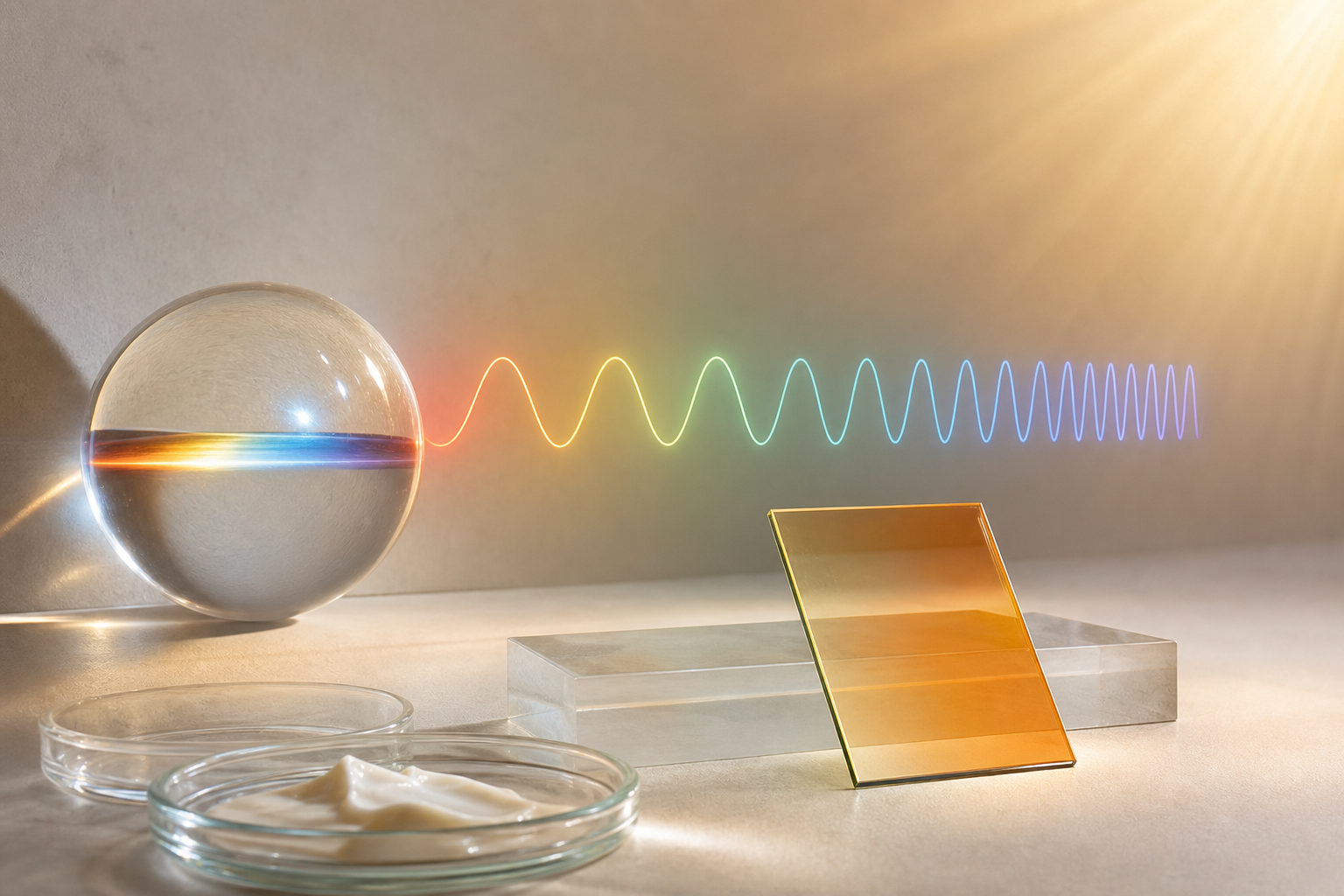
Ultraviolet radiation comprises a portion of the electromagnetic spectrum emitted primarily by the sun, characterized by wavelengths shorter than visible light but longer than X-rays. Within this spectrum, UVA and UVB rays are two major categories reaching Earth’s surface, each distinguished by their wavelength and energy levels.
UVA radiation ranges from approximately 320 to 400 nanometers (nm) in wavelength. It possesses a longer wavelength than UVB, allowing it to penetrate more deeply into the skin’s layers, reaching the dermis where connective tissues reside. UVA radiation penetrates through clouds and glass, making it a consistent presence in indoor and outdoor environments throughout the year.
UVB radiation has a shorter wavelength, spanning roughly 280 to 320 nm. This shorter wavelength corresponds with higher energy rays; however, UVB penetrates only the superficial outer skin layer, the epidermis. Unlike UVA, the intensity of UVB fluctuates significantly depending on factors such as time of day, season, and geographic location, with peak levels typically occurring during midday in summer months.
Recognizing these fundamental physical differences is critical because they underpin the biological effects that UVA and UVB have on skin tissue and human health.
How Does UVA Radiation Affect the Skin and Health?
UVA rays, given their ability to infiltrate deep into the dermal layer, inflict damage over time that primarily manifests as photoaging. This process involves the degradation of collagen and elastin fibers, proteins that maintain skin firmness and elasticity. The result is the gradual appearance of wrinkles, leathery texture, and uneven pigmentation such as age spots or solar lentigines. These effects contribute to the visible signs of skin aging and reduced skin resilience.
Beyond cosmetic consequences, UVA radiation induces oxidative stress within skin cells. It generates reactive oxygen species (ROS) that can damage cellular components including lipids, proteins, and most critically, DNA. The oxidative DNA damage triggered by UVA contributes to mutations that disrupt normal cell function and regulation. Over time, this cumulative genetic damage can elevate the risk of skin cancers, including malignant melanoma and non-melanoma varieties.
Notably, UVA exposure tends not to produce immediate, obvious symptoms such as redness or blistering, which humans typically associate with sunburn. Because its effects accumulate silently over the years, UVA is sometimes underestimated in terms of risk; however, its potential to contribute to carcinogenesis is well-established and recognized by health authorities worldwide.
The persistent presence of UVA radiation, irrespective of season or cloud cover, mandates continuous vigilance and appropriate protective measures even on seemingly inactive sun days.
What Are the Effects and Risks of UVB Radiation on Skin?
UVB rays primarily impact the superficial layers of the skin, inducing acute and more visible damage. The hallmark consequence of UVB exposure is sunburn, characterized by erythema (skin redness), inflammation, swelling, and pain, developing hours to days following excessive exposure. This inflammatory response is the skin’s immediate reaction to cellular injury caused by UVB energy disrupting DNA and other cellular elements.
While sunlight-triggered synthesis of vitamin D depends on UVB exposure—a process essential for bone health and immune function—UVB also carries substantial DNA-damaging potential. The specific DNA lesions, often cyclobutane pyrimidine dimers and 6-4 photoproducts, if unrepaired, lead to mutations that may initiate carcinogenesis in keratinocytes, the predominant epidermal cells.
The intensity of UVB radiation varies daily and seasonally, a fact that influences the distribution and timing of sunburns and skin damage. Because UVB does not penetrate glass significantly, its effects are primarily associated with direct outdoor exposure during peak sun hours. Limiting exposure during these peak times significantly reduces acute skin damage and long-term health risks.
Importantly, repeated and excessive UVB-induced DNA injury is linked not only to basal and squamous cell carcinomas but also contributes to the development of malignant melanoma, emphasizing the need for cautious sun practices.
Why Does No Safe Level of UV Exposure Exist According to Scientific Consensus?
The concept of a safe threshold for UV radiation exposure is complex and contentious. Extensive epidemiological studies and molecular research converged in classifying UV radiation as a Class 1 carcinogen by the International Agency for Research on Cancer (IARC), a category reserved for agents known to cause cancer in humans.
Crucially, scientific evidence suggests that any amount of UV exposure carries some risk of initiating or promoting skin cancer. This risk is cumulative and irreversible, as DNA mutations accumulate over a lifetime. Neither UVA nor UVB radiation spares the skin from these risks, and even low doses can contribute to the gradual degradation of cellular genome integrity and immune function in the skin.
The absence of a universally accepted exposure limit is due in part to individual variability in susceptibility—factors such as skin type, genetic predisposition, and immune status influence the degree of risk—as well as the multiplicity of exposure sources including ambient sunlight and artificial UV-emitting devices.
Therefore, public health recommendations emphasize minimizing UV exposure wherever possible, irrespective of perceived safety during short intervals or specific conditions. Protective behaviors are considered the most pragmatic approach to managing the unavoidable environmental presence of UV radiation.
What Clinical Manifestations Distinguish UVA from UVB Skin Damage?
On a symptomatic and clinical level, UVB damage is often acute and readily identified by its characteristic erythema and burning sensations. Sunburn can appear within hours to days of significant UVB exposure, with symptoms sometimes severe enough to cause blistering and peeling. These acute effects serve as visible warnings of DNA damage and inflammation in the epidermis.
Conversely, UVA-induced skin damage is usually insidious, with no immediate visual or sensory symptoms. However, over months or years of chronic exposure, UVA contributes to accelerated skin aging. This photoaging is clinically visible in the form of deep wrinkles, leathery skin texture, and uneven pigmentation known as solar lentigines.
Both UVA and UVB exposure can contribute to pigmentary changes including freckling and melasma, though the mechanisms and depth of penetration differ. Additionally, persistent UV exposure may provoke precancerous lesions such as actinic keratosis, which require medical evaluation.
Because early skin cancers may mimic benign lesions or changes, vigilance for any new or evolving skin abnormalities is crucial, and professional assessment by a healthcare provider or dermatologist is recommended whenever unusual changes arise.
How Do UV Rays from the Sun Compare to Those from Sunbeds?
Artificial UV radiation sources, such as sunbeds, differ markedly from natural sunlight in their spectral composition and intensity. Sunbeds predominantly emit UVA rays, often at intensity levels multiple times higher than midday sun exposure, while generally producing negligible UVB radiation. This spectral imbalance leads to different health implications compared to natural sun exposure.
The predominance of UVA in sunbeds means users often experience tanning with less immediate sunburn, thereby potentially underestimating the accumulating damage. However, high doses of UVA from sunbeds accelerate photoaging and carry a substantial risk of DNA damage and skin cancer development, including melanoma.
Unlike the natural diurnal and seasonal variation of solar UV radiation, sunbed exposure is typically concentrated and repetitive in controlled environments, creating a potent source of UV radiation that can rapidly increase cumulative dose.
Comparing the two sources highlights the necessity for caution regarding artificial UV exposure, especially as the modulation of lamp age, power, ventilation, and cooling in sunbeds can also influence UV intensity and associated health risks For further details about how sunbeds affect skin tanning and related risks, readers may refer to How Sunbeds Cause the Skin to Tan and Sunbeds: How They Work, Health Risks and UV-Free Alternatives.
What Environmental and Artificial Factors Influence UVA and UVB Intensity?
The strength and biological effect of UVA and UVB radiation are influenced by an array of factors. Natural elements affecting UV intensity include:
Differing time of day: UVB peaks at solar noon, while UVA levels remain relatively steady throughout daylight hours.
Seasonal variations: Higher elevations of UVB correspond with summer months.
Geographical location: Proximity to the equator increases UV intensity, as does altitude.
Weather: While clouds reduce UVB more effectively, UVA penetrates most cloud cover with little attenuation.
Surface reflections: Snow, water, and sand can reflect and amplify UV exposure.
Artificial factors, especially in sunbed usage, are critical as well. The spectral output of the lamps used, their age and power, and device ventilation or cooling systems significantly affect UV emission and thereby health risk. For example, older sunbed lamps may emit altered UV spectra with potentially increased hazards, and poor ventilation can heighten heat build-up, impacting skin response.
These dynamics underscore the importance of understanding the environment and equipment involved to properly assess UV risk and protection strategies. Readers interested in the influence of sunbed lamp characteristics can consult Do Different Sunbed Lamps Mean Different Levels of Risk? and What Do Sunbed Lamp Power and Age Mean?.
Why Is Comprehensive Protection Against Both UVA and UVB Essential?
Given the different pathways through which UVA and UVB radiation harm the skin, protection strategies must effectively guard against both. Sunscreens, clothing, hats, and seeking shade are traditional measures to reduce exposure. Importantly, the chosen sunscreen products must offer broad-spectrum protection, capable of filtering or absorbing both UVA and UVB rays to prevent damage from either source.
Promotion of sun avoidance during peak hours and minimizing artificial UV exposure are equally vital. As previously mentioned, no exposure level is risk-free; every increment contributes cumulatively to skin damage and carcinogenic potential. Thus, reliance on a single protective method, such as sunscreen alone, may not suffice for optimal skin preservation.
Moreover, educating individuals that UVA contributes silently over the long term without immediate symptoms shifts the paradigm towards consistent daily protection, rather than only reactive measures against apparent sunburn For more guidance on managing UV risk from devices emitting UV radiation, readers can explore Do Ventilation and Cooling Reduce the Effects of UV Radiation?.
What Should Readers Keep in Mind Regarding Medical Advice and Skin Changes Related to UV Exposure?
Individuals with concerns about UV exposure effects—including symptoms like persistent redness, irritation, or new and changing skin lesions—should seek professional medical advice. Diagnoses and guidance surrounding medications, treatments, and specific medical conditions linked to UV damage require clinical expertise. Pharmacists and dermatologists provide critical support for managing symptoms and preventing progression of skin damage.
Regular skin examinations by healthcare professionals are recommended especially for those with heavy cumulative UV exposure, a history of sunburns, or a family history of skin cancer. Early detection of suspicious lesions notably improves treatment outcomes.
It is important to emphasize that while this article informs readers about UVA and UVB radiation differences and risks, it does not substitute for personalized medical counsel. For comprehensive care, consulting qualified healthcare providers remains indispensable.


