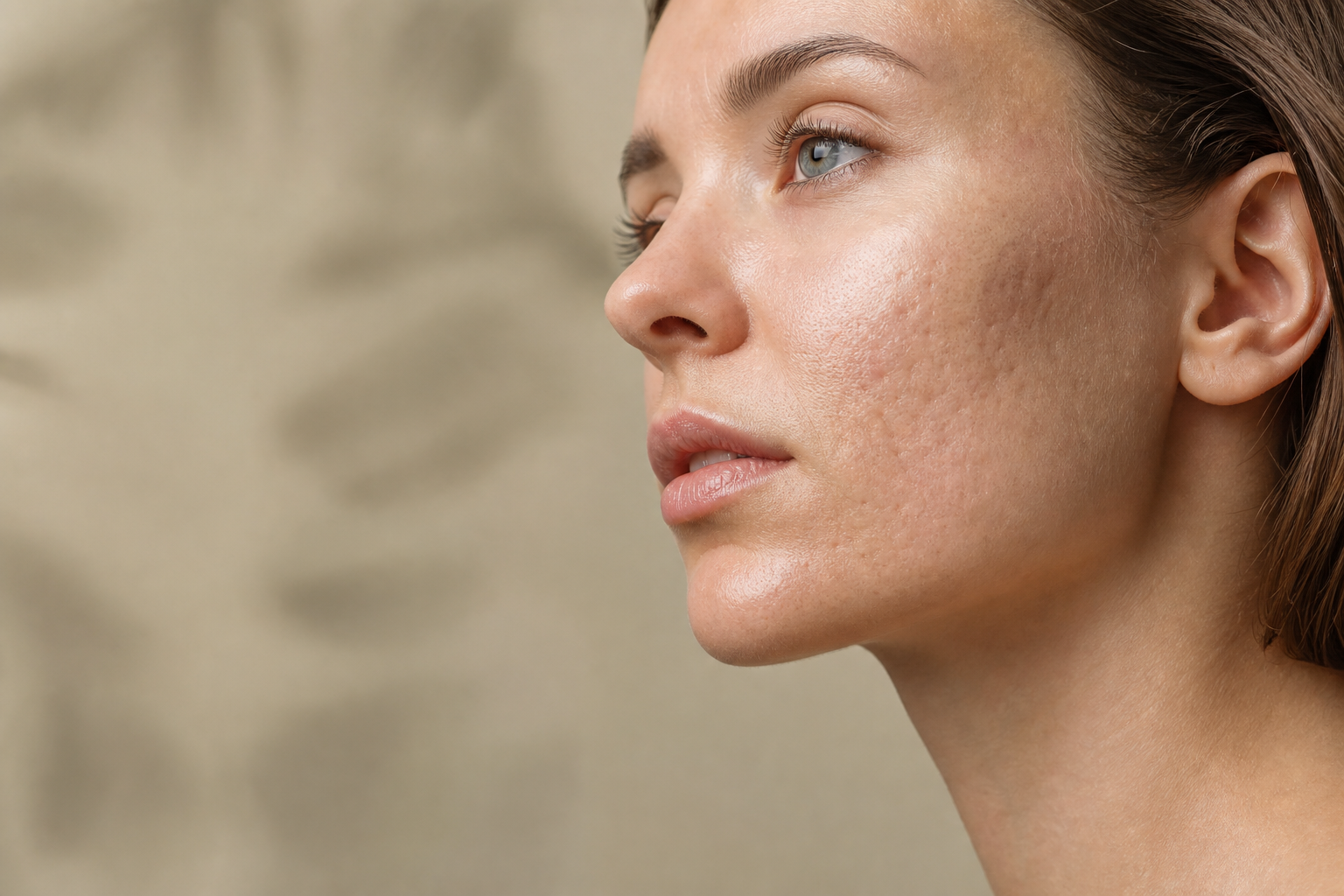
Acne scars are a common and often distressing aftermath of acne vulgaris, affecting millions of individuals worldwide. These scars are not merely a cosmetic concern but can profoundly impact self-esteem and psychological well-being. Understanding how acne scars form is crucial for those affected, dermatologists, and skincare specialists working in anti-aging facial treatments. This knowledge informs prevention strategies, guides effective treatment choices, and shapes realistic expectations for outcomes.
The formation of acne scars is a complex biological process triggered by the skin's inflammatory response to acne lesions. Deep inflammatory acne, such as cysts and nodules, disrupts the dermal architecture, leading to abnormal healing and scar tissue development. This detailed exploration aims to elucidate the underlying mechanisms, types of scars, treatment indications, safety considerations, and when consulting a professional becomes essential.
Whether you are someone coping with the residual effects of acne, a skincare enthusiast, or a professional in dermatology or aesthetic medicine, gaining a clear insight into acne scars will enrich your understanding and empower optimized care approaches. As anti-aging facial treatments increasingly intersect with scar management, this overview will also highlight how modern interventions contribute to both restorative and rejuvenative objectives.
What Are the Biological Processes Behind Acne Scar Formation?
At the core of acne scar formation is the skin's response to inflammation induced by blocked and infected hair follicles. When acne lesions penetrate deeply into the dermis, the skin reacts by initiating a repair process. This involves the degradation of normal collagen frameworks and subsequent replacement with scar tissue, which often lacks the elasticity and uniformity of healthy skin.
The intensity and duration of inflammation are critical determinants of scar outcomes. Prolonged inflammation may cause more extensive dermal damage, thereby increasing the likelihood of conspicuous scarring. Concurrently, the body’s collagen synthesis during healing can be either insufficient, leading to depressed or atrophic scars, or excessive, resulting in raised scars such as hypertrophic or keloid forms.
Genetic factors also influence individual susceptibility to scarring. Some skin types exhibit a tendency towards hyperactive collagen production, while others may have a diminished regenerative capacity. Additionally, factors like delayed or improper acne treatment exacerbate tissue damage, underscoring the significance of early and appropriate interventions.
Who Is Most at Risk for Developing Acne Scars and Why Does It Matter?
While any individual who experiences moderate to severe inflammatory acne can develop acne scars, certain populations bear a higher risk. Adolescents and adults with persistent cystic acne, a history of picking or squeezing pimples, or delayed treatment are particularly vulnerable. Moreover, individuals with darker skin tones may have a higher propensity for keloid and hypertrophic scar formation due to melanin-related scarring tendencies.
Recognizing these risk factors is important not only for prevention but also for tailoring customized treatment plans that address both acne management and scar mitigation. Scarring can significantly affect quality of life, particularly for adults who experience acne beyond adolescence and face the psychological and social implications of visible skin imperfections.
Consequently, integrated care approaches that combine active acne treatment with early scar intervention are recommended to reduce the severity and permanence of acne-related skin damage.
What Are the Different Types of Acne Scars and Their Characteristics?
Identifying the specific category of acne scar is indispensable for choosing an effective treatment pathway. Broadly, acne scars fall into three primary types: atrophic, hypertrophic, and keloid.
Atrophic scars are the most common and appear as depressions or indentations in the skin. These can be further subdivided into:
Ice pick scars — narrow, deep, and sharply defined channels that resemble the puncture of an ice pick;
Boxcar scars — broad, square-shaped depressions with steep vertical edges;
Rolling scars — undulating, wave-like indentations that give the skin a rolling texture.
Each subtype reflects the extent and pattern of dermal collagen loss and repair failure.
Hypertrophic scars result from excessive collagen deposition, causing raised, often reddish scars confined within the boundaries of the original lesion. These scars can feel firm or thickened and may restrict skin movement depending on their location.
Keloid scars also exhibit overgrowth of scar tissue but extend beyond the initial wound margins. They appear raised, shiny, and can be problematic due to their tendency to persist or grow over time.
Distinguishing the scar type not only guides the selection of therapeutic options but also provides insight into expected healing dynamics and potential limitations.
How Do Modern Anti-Aging Facial Treatments Address Acne Scars?
Advancements in cosmetic dermatology have introduced a variety of non-invasive and minimally invasive procedures that complement anti-aging regimens while effectively targeting acne scars. Techniques such as microneedling, particularly when combined with radiofrequency (RF) energy, stimulate neocollagenesis and remodel dermal structures, facilitating smoother, firmer skin texture.
RF microneedling uses ultrafine needles to create controlled micro-injuries, initiating the body's natural repair processes. Simultaneously, RF energy delivers heat to deeper dermal layers, promoting collagen realignment without significant epidermal damage. The synergy between mechanical and thermal stimulation can reduce the depth of atrophic scars and improve skin elasticity.
Chemical peels and fractional laser resurfacing are other popular modalities, selectively removing damaged skin layers and enhancing cellular turnover. When applied appropriately, these treatments minimize risks such as hyperpigmentation, which can be a concern in post-inflammatory skin especially within pigmented populations.
Moreover, dermal fillers have shown promise for correcting volume loss associated with certain types of atrophic scars, delivering immediate cosmetic improvement by elevating depressed areas. Integrated treatment plans combining these modalities are increasingly employed to address the multifaceted nature of acne scarring effectively.
What Indications Suggest It Is Time to Consult a Qualified Professional?
Professional consultation is vital at the earliest signs of scarring that affect one’s confidence or skin function. Persistent changes in texture, color, or contour of the skin after acne lesions subside deserve expert evaluation. Deep scars, widespread lesions, or scars associated with ongoing inflammatory acne particularly warrant medical assessment.
Consulting a board-certified dermatologist or licensed aesthetician trained in scar management ensures an accurate diagnosis and personalized treatment plan. This is especially important considering potential contraindications such as active infections, skin sensitivity, or underlying skin conditions.
Early expert intervention not only helps in setting realistic goals but also prevents the use of unsuitable home remedies or cosmetic procedures that might aggravate scarring. Regular follow-up optimizes treatment efficacy and safety, while education around scar care empowers patients to actively participate in their skin health management.
What Are the Limitations and Safety Considerations in Acne Scar Treatment?
Despite technological advances, completely eradicating acne scars remains elusive. Treatments generally focus on improving scar appearance and skin texture rather than total removal. Patient expectations should be carefully managed to reflect achievable outcomes.
Individual variability in healing capacity, scar type, and skin phototype influence treatment effectiveness. Multiple sessions are often required, with improvements unfolding gradually over several months as collagen remodeling progresses.
Safety considerations encompass potential side effects such as transient redness, swelling, pigmentary changes, or rare infections. Selecting appropriate candidates, pre-treatment skin preparation, and post-procedural care are pivotal for minimizing complications.
Qualified professionals employ thorough skin assessments and evidence-based protocols to ensure that therapies are both effective and safe, particularly when combining acne scar treatments with anti-aging facial procedures to harmonize results without compromising skin integrity.
How Can Understanding Acne Scars Enhance Preventive Skincare and Treatment Strategies?
Comprehensive understanding of acne scar pathophysiology equips individuals and clinicians with the ability to anticipate potential scarring and implement timely interventions. Early and effective acne treatment reduces the severity and incidence of scarring by limiting inflammation and preventing lesion exacerbation.
Prevention extends beyond medication to include behavioral modifications such as avoiding lesion manipulation, adopting appropriate skincare routines, and protecting the skin from environmental insult. Integrating scar management principles into anti-aging facial care supports sustained skin health and aesthetic improvement.
This holistic perspective enables a proactive rather than reactive approach, improving long-term outcomes and fostering a positive psychological impact for those affected by acne scarring.


