At-home anti-aging skincare has become a crucial element in the daily routines of countless individuals aiming to preserve a youthful and healthy complexion. As the years pass, our skin naturally experiences a decrease in elasticity, dryness, and the emergence of fine lines and wrinkles. Recognizing these inherent changes, a thoughtfully designed anti-aging skincare regimen performed at home is essential for slowing down the skin's aging process while maintaining its vitality and radiance. This editorial targets anyone interested in the most effective methods and products that cater to skin rejuvenation within the comfort of their own homes, offering a practical alternative to invasive procedures or costly clinic visits.
Understanding the significance of at-home anti-aging skincare extends beyond those who already notice visible signs of aging. Younger adults are increasingly incorporating prevention-focused routines to delay premature aging. An effective anti-aging approach combines quality skincare products, proper hygiene, and lifestyle adjustments — all tailored to individual skin types and conditions. This article will guide you through how to establish and sustain an impactful at-home anti-aging routine, highlight the key ingredients to seek in products, and discuss accompanying lifestyle choices that promote long-lasting, visible skin improvements. Backed by contemporary dermatological insights and trends, this overview avoids complicated or exorbitant solutions, making youthful skin preservation accessible to all.
What Constitutes Effective At-Home Anti-Aging Skincare and Why Does It Matter?
At-home anti-aging skincare encompasses a set of carefully selected measures and products designed to decelerate or minimize the appearance of aging signs, including wrinkles, loss of firmness, and uneven skin texture. The biological aging of the skin is characterized by diminished production of collagen and elastin, proteins that are fundamental to maintaining skin firmness and elasticity. Additionally, synthesis of natural moisturizing components like lipids and hyaluronic acid decreases, leading to dryness and dullness.
The importance of anti-aging skincare lies in its ability to not only reduce visible signs like fine lines and age spots but also to enhance the overall skin health by shielding it from environmental aggressors such as ultraviolet radiation, pollution, and oxidative stress. Well-maintained skin fosters confidence and exudes a fresh, youthful glow. Customization according to skin type—whether dry, oily, or combination—and consideration of specific age-related changes are critical, emphasizing the value of initiating a targeted skincare regimen well before deep wrinkles or lasting damage manifest.
Who Should Incorporate At-Home Anti-Aging Skincare Into Their Daily Routine?
Anti-aging skincare is not solely the domain of older adults; it is beneficial to anyone aiming to sustain healthy, vibrant skin over time. Young adults approaching their late twenties or early thirties often face the first subtle signs of decreased skin turnover and elasticity. Starting preventive skincare routines at this age can significantly slow premature aging and lay the foundation for long-term skin health.
For middle-aged and senior individuals, facing more pronounced changes such as deeper wrinkles, sagging, and chronic dryness, tailored at-home treatments can rejuvenate the skin and potentially postpone the need for professional procedures. Additionally, individuals with skin compromised by environmental factors or lifestyle habits stand to benefit from focused anti-aging care. Accessibility and affordability make at-home regimens an attractive alternative for those who prefer to avoid invasive treatments or frequent clinical visits.
Key Steps to Building an Effective At-Home Anti-Aging Skincare Routine
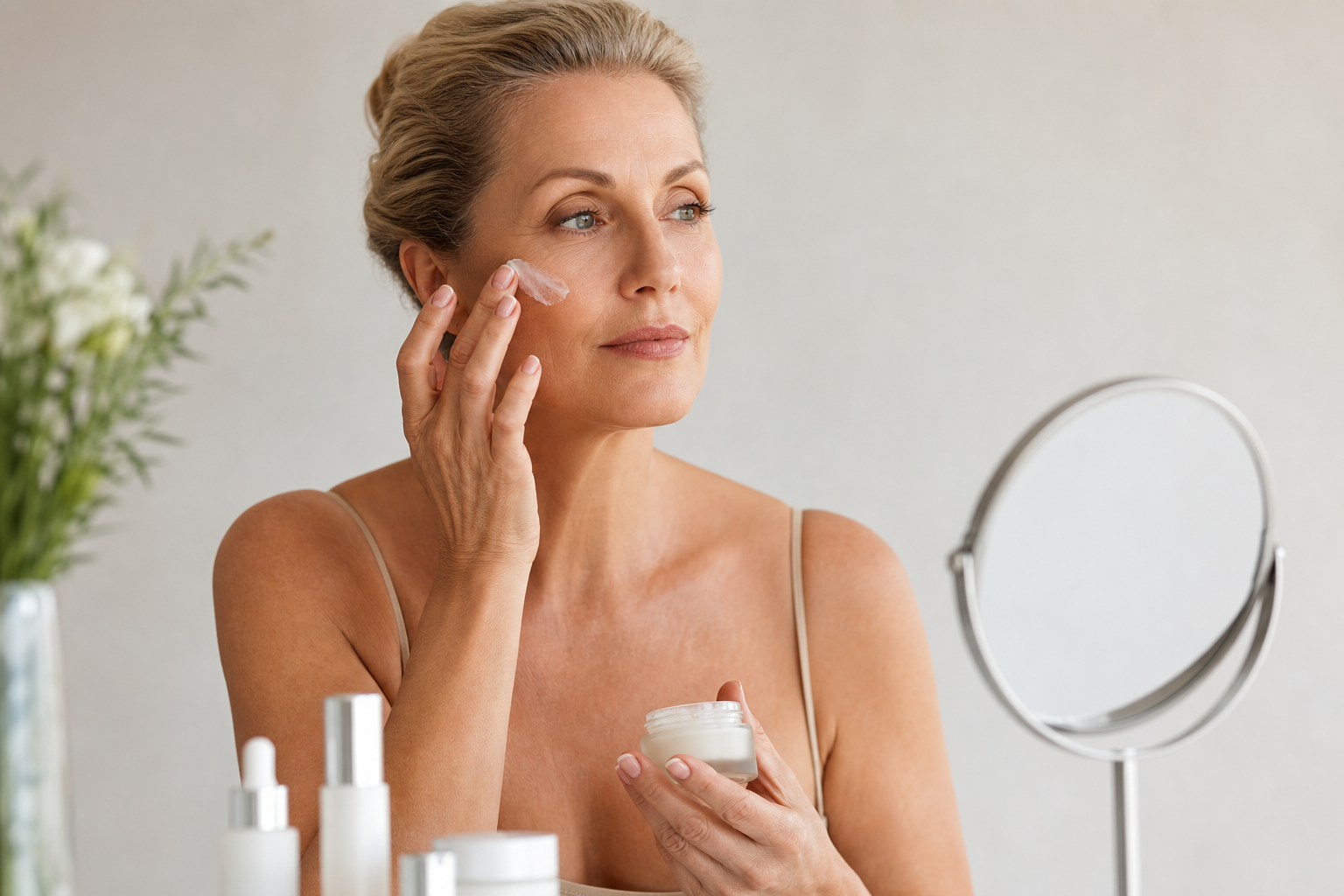
Creating a productive anti-aging routine at home involves integrating a series of essential daily and nightly steps. First and foremost, thorough but gentle cleansing is vital for removing impurities, excess oil, and residual makeup, permitting active ingredients in subsequent products to penetrate effectively.
After cleansing, applying serums enriched with proven anti-aging compounds such as retinol, vitamin C, peptides, and hyaluronic acid can stimulate collagen synthesis, support skin regeneration, and enhance hydration. Following serum application, a moisturizer that supports the skin barrier and contains antioxidants helps maintain suppleness and protection.
Sunscreen application every morning is indispensable; ultraviolet rays are a leading contributor to photo-aging, accelerating collagen breakdown and pigmentation issues. Beyond topical care, internal factors like balanced nutrition, adequate hydration, regular sleep patterns, and stress management collectively influence skin vitality and aging pace.
Understanding the Most Effective Active Ingredients in Anti-Aging Products
The anti-aging market offers a vast array of creams, serums, and treatments, making ingredient knowledge crucial. Retinoids, including retinol, remain among the most scientifically supported ingredients for reversing and preventing signs of aging by promoting cell turnover and collagen production.
Vitamin C functions as a potent antioxidant, combating free radicals while lightening hyperpigmentation and improving skin tone uniformity. Hyaluronic acid excels at attracting and retaining moisture, which plumps the skin and minimizes the appearance of fine lines.
Peptides serve as signaling agents encouraging collagen and elastin synthesis, contributing to firmness and elasticity. Niacinamide, a form of vitamin B3, offers anti-inflammatory benefits, strengthens the skin's barrier, and enhances texture. Selecting products with these ingredients—appropriately combined and suited to one’s skin type—maximizes the benefits of an at-home anti-aging routine.
When Is the Optimal Time to Begin an Anti-Aging Regimen?
Determining the right moment to initiate an anti-aging skincare regimen often depends on individual skin condition and goals. Dermatologists often advise that people start incorporating preventative measures between the ages of 25 and 30, a time when collagen synthesis naturally declines and cellular regeneration slows.
At this stage, gentle hydrating creams enriched with antioxidants and mild serums can be introduced. Stronger actives like retinol should be gradually added under professional guidance to minimize irritation. Beginning early with preventive care not only delays the onset of marked aging signs but also makes future interventions more effective and less intensive.
For those already exhibiting more advanced signs of aging, a customized anti-aging plan still serves as a foundational strategy for skin restoration and maintenance.
Integrating Anti-Aging Skin Care Into Your Lifestyle and Daily Habits
Implementing an anti-aging skincare routine need not be time-consuming; a consistent, well-structured regimen of five to ten minutes daily can yield meaningful results. Efficiency lies in regular cleansing, precise application of targeted products, and vigilant sun protection each morning.
Complementary lifestyle choices significantly influence skin longevity and appearance. Prioritizing restorative sleep, avoiding tobacco and excessive alcohol, engaging in regular physical activity, and consuming a nutrient-rich diet abundant in fruits, vegetables, and omega-3 fatty acids support the skin’s reparative processes.
Emotional well-being is also paramount, as chronic stress accelerates inflammatory responses that can deteriorate skin quality. Practices such as meditation and mindfulness foster relaxation and can serve as adjuncts in an overall anti-aging strategy.
Anticipated Outcomes From At-Home Anti-Aging Treatments and When to Seek Professional Advice
With diligent adherence to a quality at-home routine, users can expect improvements in skin texture, enhanced hydration, reduction in the visibility of fine lines, and a brighter complexion within weeks to months. However, deeper wrinkles, notable sagging, or pigmentation irregularities often require supplementary professional treatments for optimal correction.
Signs such as persistent irritation, redness, dryness, or allergic reactions necessitate discontinuation of products and consultation with a dermatologist to rule out sensitivities or underlying conditions. Additionally, specialist evaluation is recommended for complex issues like severe sun damage or hormone-related skin changes that may require prescription therapies or procedural interventions.
The Importance of Informed Choices and Education in Anti-Aging Skincare
In today’s expansive beauty industry, education plays a pivotal role in successful skincare outcomes. Understanding ingredient function, product suitability, and realistic expectations empowers consumers to discern effective formulations and avoid potentially harmful or inefficient treatments.
Reliable resources, expert consultations, and continuous learning enable individuals to design personalized anti-aging routines that harmonize with their skin’s unique requirements and sensitivities. Avoiding harsh chemicals and aggressive ingredients preserves the skin's natural barrier, preventing complications and enhancing long-term skin resilience.