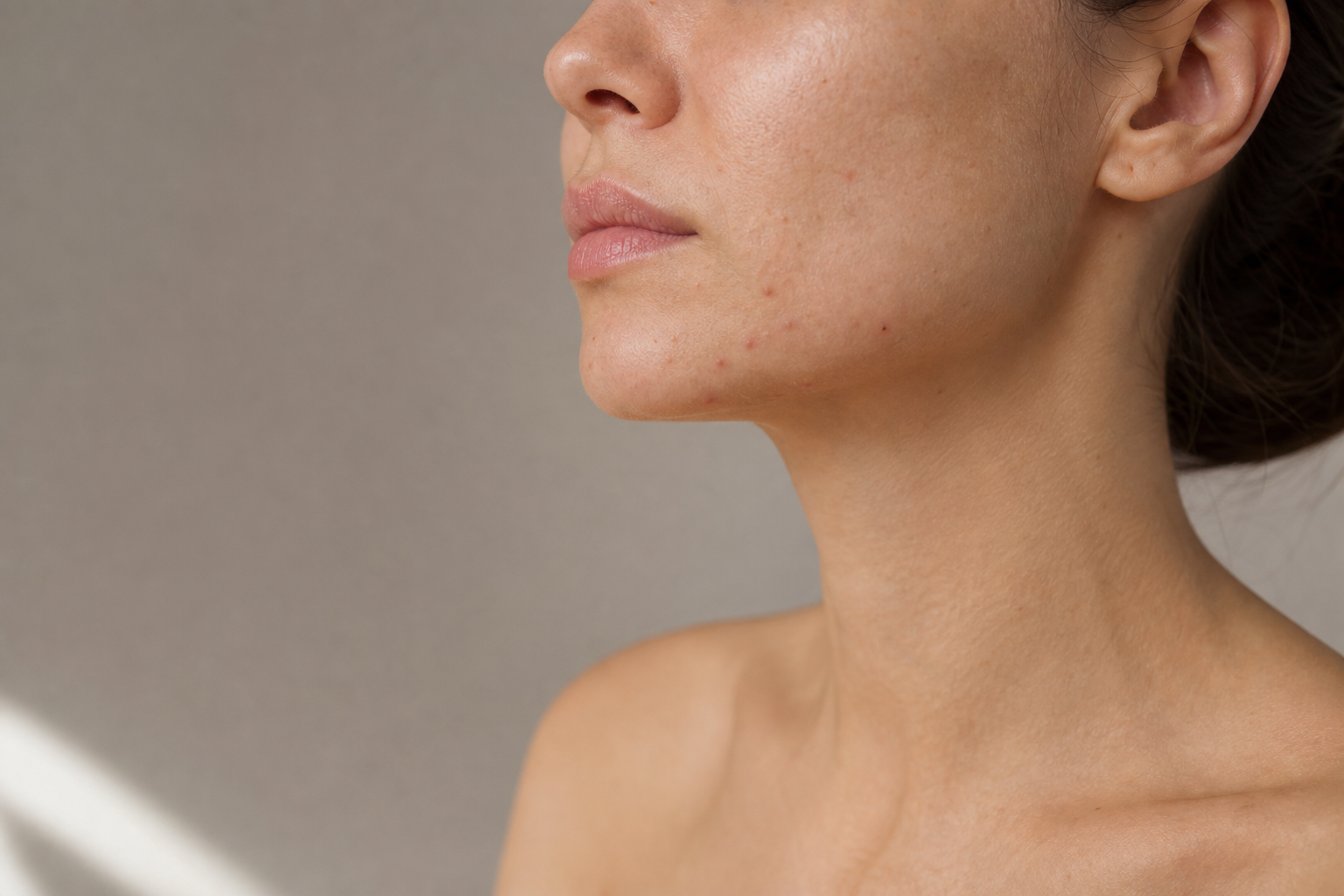
Hormonal acne breakouts on the chin and jawline represent a common yet often misunderstood dermatological concern, particularly among adults navigating the complexities of hormonal fluctuations. Unlike typical adolescent acne, hormonal acne is intricately linked to the delicate balance—or imbalance—of hormones, and its manifestation on the lower face signals specific underlying physiological activities. This editorial explores the reasons behind the preferential occurrence of hormonal acne in these facial regions, dissecting the scientific and clinical facets relevant to skin care enthusiasts, patients, and professionals within the anti-aging facial treatment domain.
This topic is essential for individuals experiencing persistent or cyclical acne localized around the chin and jawline, a demographic comprising many women in their reproductive years as well as some men influenced by endocrine shifts. For facial aestheticians, dermatologists, and cosmetic practitioners, a deep knowledge base about the pathophysiology, appropriate treatment modalities, and safety considerations of hormonal acne is indispensable for delivering effective care and improving outcomes. Medical accuracy combined with practical guidance ensures that interventions go beyond surface-level enhancement, addressing the root causes and promoting sustained skin health.
Why does hormonal acne concentrate on the chin and jawline? The answer lies in the interaction between androgen receptors, sebaceous gland density, and the hormonal milieu that orchestrates skin physiology. This article unpacks these mechanisms and provides a comprehensive overview of how to recognize, manage, and complement anti-aging facial treatments with strategies tailored to hormonal acne. It also delineates the indications, realistic expectations, and limits of non-invasive therapies, along with guidelines on when referral to qualified specialists becomes necessary.
What Defines Hormonal Acne and Why Is the Chin and Jawline a Common Site?
Hormonal acne is characterized by inflammatory lesions that vary from deep cysts to nodules without the classic open comedones typical of other acne types. It results primarily from hormonal imbalances involving androgens such as testosterone and dihydrotestosterone, which stimulate sebaceous glands to produce excess sebum. The chin and jawline’s higher concentration of androgen receptors makes this area particularly susceptible to such changes.
Clinically, these acne lesions tend to appear cyclically, often worsening before menstruation in women or during other hormonal shifts caused by pregnancy, menopause, or endocrine disorders like polycystic ovary syndrome (PCOS). Unlike acne on the forehead or cheeks, which might be more influenced by external factors, hormonal acne’s localization in the lower face strongly implies internal systemic influences.
This specificity aids in differential diagnosis, helping clinicians and skincare professionals distinguish hormonal acne from other types such as mechanical, bacterial, or environmental acne. Understanding the why and where facilitates more precise treatment plans and patient education.
How Does Hormonal Imbalance Stimulate Breakouts on the Lower Face?
The biochemical cascade leading to hormonal acne begins with the overproduction of androgens that affect the sebaceous glands embedded in the skin of the lower face. These glands, which are responsible for producing the oily sebum that preserves skin’s moisture barrier, become hyperactive under androgen stimulation, generating excess oil.
The surplus sebum then mixes with keratinocytes—dead skin cells typically shed from the follicular lining—causing follicular plugging. This environment provides fertile ground for proliferation of Cutibacterium acnes (formerly Propionibacterium acnes), a bacterium normally residing on the skin. The bacteria trigger inflammation by activating immune cells, resulting in the painful, red, and sometimes cystic lesions characteristic of hormonal acne.
Moreover, hormone fluctuations can modulate immune function, potentially amplifying the inflammatory response to follicular obstruction. The chin and jawline’s predilection arises because these zones manifest more androgen receptors per unit area, enhancing the skin’s sensitivity to systemic hormonal flux.
Who Is Most Affected by Hormonal Acne on the Chin and Jawline?
While adolescent acne is widespread, hormonal acne on the chin and jawline tends to affect adults, especially women in their 20s to 40s. Individuals experiencing menstrual cycles, pregnancy, postpartum periods, perimenopause, and menopause are more vulnerable due to cyclical or sustained shifts in hormonal profiles.
Additionally, people with endocrine disorders such as PCOS, thyroid dysfunctions, or those using certain medications that impact hormone levels may present with persistent or resilient hormonal acne. Stress is another significant contributor, as it elevates cortisol levels, which can indirectly increase androgen activity in the skin.
Recognizing these demographic and physiological factors enables targeted inquiry during consultation, informing appropriate treatment and referral pathways.
What Are the Clinical Signs Indicating Hormonal Acne in These Areas?
Identification focuses on lesion type, distribution, and temporal patterns. Hormonal acne on the chin and jawline usually manifests as:
• Deep, tender cysts or nodules rather than surface pustules or blackheads.
• Recurrent outbreaks correlated with hormonal cycles.
• A concentration along the lower face, often symmetric.
• Increased oiliness especially in the mandibular region.
Patients may report flare-ups in the premenstrual phase or with lifestyle stress. Such detailed history and examination help to differentiate this acne subtype from others and avoid ineffective treatments.
What Non-Invasive Facial Treatments are Effective for Hormonal Acne Targeted at the Chin and Jawline?
In the anti-aging and skin care field, maintaining the integrity of the skin barrier while addressing inflammation and sebum overproduction is essential. Treatments without needles are increasingly favored due to their safety profile and comfort while supporting skin rejuvenation.
Some of the most effective modalities include:
Chemical Peels: Mild peels employing alpha-hydroxy acids (AHAs) or beta-hydroxy acids (BHAs) facilitate exfoliation, unclog pores, and reduce bacterial load. They also improve skin texture, which is paramount in anti-aging protocols.
LED Light Therapy: Blue light exhibits antibacterial properties reducing the population of acne-causing bacteria. Simultaneously, red light mitigates inflammation and promotes collagen synthesis, aiding skin repair.
Ultrasound and Microcurrents: These enhance absorption of topical agents, stimulate microcirculation, and promote cellular metabolism, indirectly contributing to lesion resolution.
Topical Serums: Ingredients like niacinamide and hyaluronic acid reduce inflammation and maintain hydration without exacerbating oiliness, thus complementing procedural interventions.
Consistent, gentle application of these treatments embedded within a comprehensive skincare routine can help control hormonal acne while promoting youthful skin quality.
When Should One Seek Consultation with Specialists for Hormonal Acne in the Chin and Jawline?
If hormonal acne does not sufficiently respond to topical care and non-invasive therapies, or when accompanied by systemic symptoms (irregular menstruation, hirsutism, unexpected weight changes, fatigue), a referral is highly advisable. Dermatologists can perform diagnostic assessments including skin examination, bacterial cultures, and possibly biopsies if warranted.
Endocrinologists are integral in investigating underlying hormonal imbalances that demand medical management—such as PCOS or thyroid abnormalities—with possible hormonal modulation therapies. Early specialist intervention can prevent progression to scarring and address the multifaceted nature of hormonal acne beyond cutaneous signs.
What Are the Limitations and Realistic Expectations of Facial Treatments for Hormonal Acne?
Though non-invasive facial treatments provide valuable support by reducing inflammation and improving skin texture, they are adjuncts rather than cures for hormonal acne. The multifactorial etiology necessitates a holistic approach encompassing lifestyle, hormonal evaluation, and sometimes pharmacological intervention.
Patients must understand that treatment outcomes are gradual and require adherence; even the most advanced protocols cannot instantaneously resolve deep cystic lesions driven by endocrine dysfunction. Managing expectations about healing time, recurrence potential, and maintenance care is critical for sustained satisfaction and skin health.
How Can Daily Skincare Practices Complement Treatment for Hormonal Acne on the Chin and Jawline?
Optimal daily skin management supports professional treatments by maintaining barrier function and mitigating flare triggers. Recommended steps include:
• Gentle cleansing: Use non-comedogenic, mild cleansers to remove excess sebum and impurities without provoking dryness.
• Toners with soothing botanicals: Ingredients such as aloe vera or witch hazel can regulate oil while calming inflammation.
• Hydration: Lightweight, oil-free moisturizers preserve moisture balance without clogging pores.
• Sun protection: Broad-spectrum SPF is critical, as some acne treatments increase photosensitivity.
• Avoiding mechanical irritation: Refrain from squeezing lesions or using abrasive scrubs to prevent aggravation.
Adhering to a personalized, gentle regimen enhances skin resilience and reduces the risk of breakout exacerbation.
What Lifestyle Factors Influence Hormonal Acne and How Can They Be Addressed?
The interplay between lifestyle and hormonal acne is significant. Dietary habits, stress levels, sleep quality, and exposure to environmental toxins all modulate hormonal balance and skin inflammation.
Recommendations include:
• Nutrition: Emphasize antioxidant-rich foods, omega-3 fatty acids, and low glycemic index carbohydrates to reduce systemic inflammation and support hormonal regulation.
• Stress management: Incorporate mindfulness, meditation, or gentle physical activities to decrease cortisol-mediated androgen secretion.
• Adequate rest: Quality sleep facilitates hormonal homeostasis and skin repair processes.
• Abstaining from smoking and moderating alcohol: Both can exacerbate oxidative stress and inflammation driving acne pathogenesis.
Addressing these parameters holistically fortifies medical and cosmetic treatments for better outcomes.


