Professional spray tanning has become a popular method for achieving a sun-kissed, bronzed glow without exposing the skin to harmful ultraviolet (UV) rays. Unlike natural tanning caused by UV exposure, which can increase risks for skin damage and long-term health concerns, spray tans offer a fast, safe alternative that provides a relatively even and natural-looking tan. However, a common and important question that arises when considering or undergoing a spray tan is: How many days does a professional spray tan last?
This question is especially relevant for individuals seeking a temporary yet flattering tan for special occasions, vacations, or simply to enhance their overall appearance. Understanding the longevity of a spray tan helps set realistic expectations, informs proper post-treatment care, and allows one to plan accordingly for maintenance or subsequent applications.
In this comprehensive editorial, we will explore the factors that influence the duration of a professional spray tan, provide practical advice on maximizing its lifespan, and discuss what to expect from the experience. We also emphasize safe and gentle care practices without resorting to harsh scrubbing, unverified mixtures, or medical guarantees. Additionally, while spray tans enhance skin tone, they do not offer UV protection—so continuing to use sunscreen with SPF 30 or higher remains crucial.
What Is a Professional Spray Tan and How Does It Work?
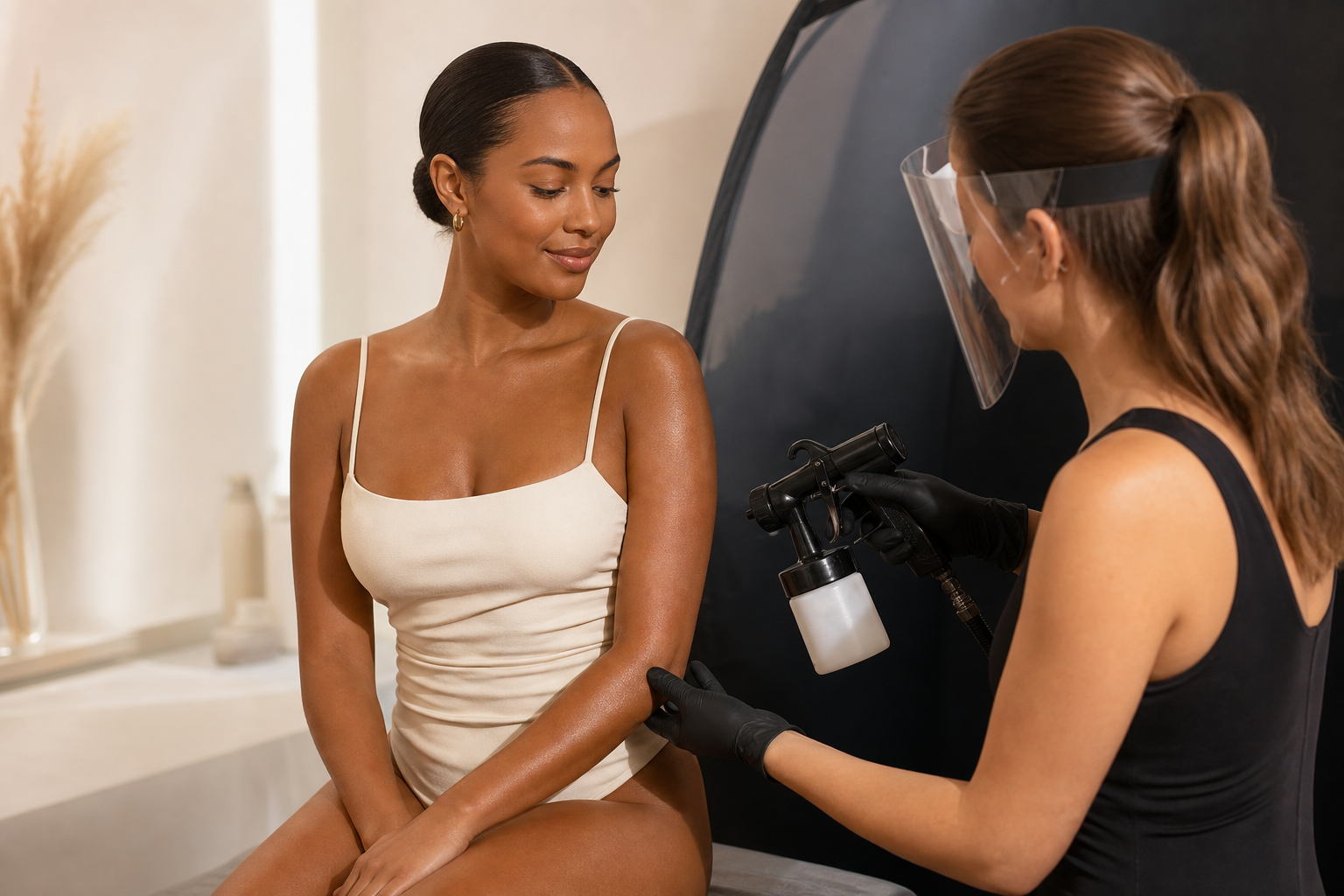
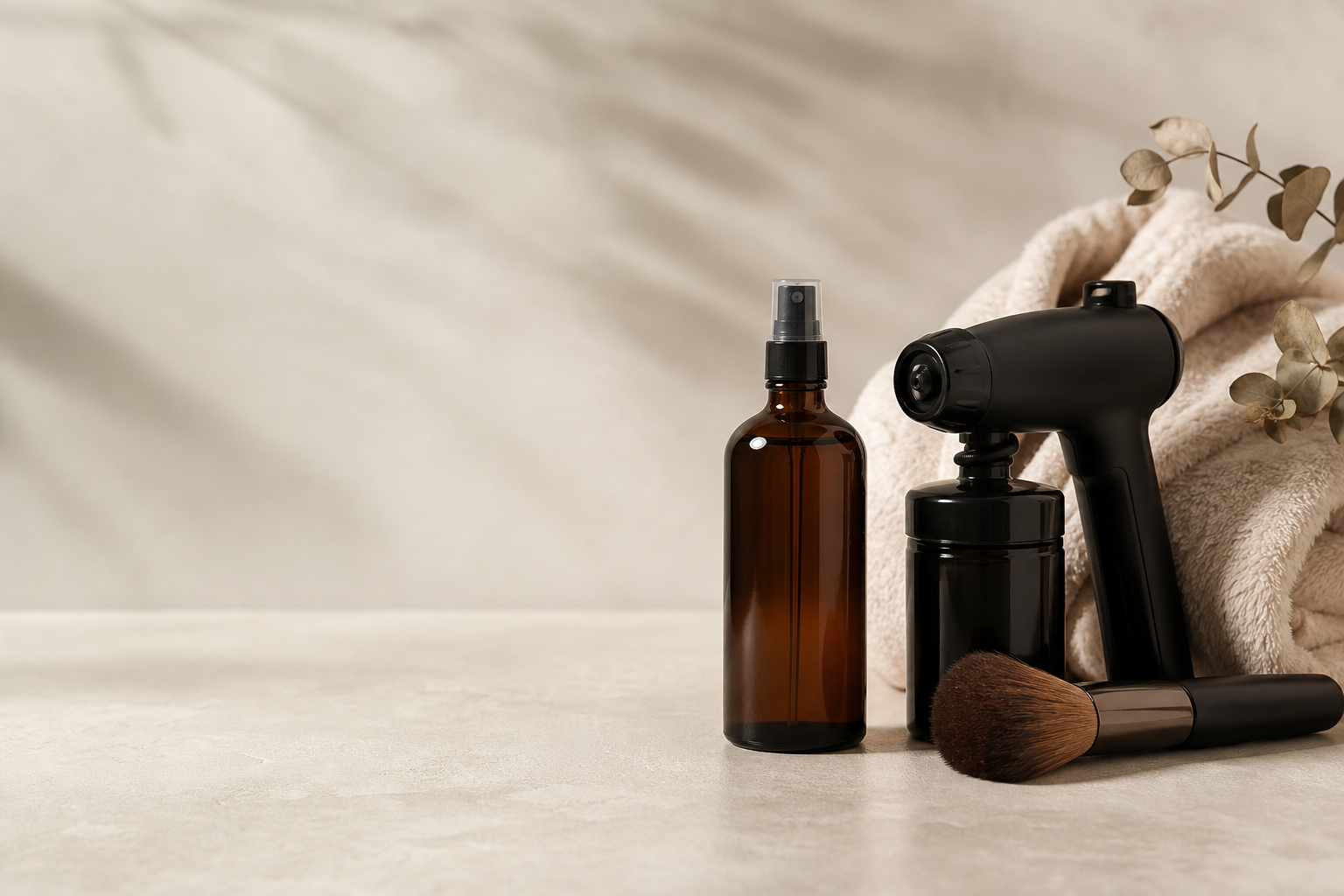
Professional spray tan is a cosmetic procedure that applies a specialized tanning solution via a fine mist sprayed evenly onto the skin. The key active ingredient in most solutions is dihydroxyacetone (DHA), a sugar compound that reacts chemically with amino acids present in the skin's outermost layer, the epidermis.
This reaction produces a temporary darkening of the skin, creating a bronzed or tanned effect without affecting melanin production or requiring sun exposure. The process typically takes 15 to 30 minutes, and the color develops gradually over several hours after application, culminating in a natural-looking glow.
Since the color change occurs only in the dead skin cells on the surface, the tan is temporary and fades as the skin naturally exfoliates. Importantly, because DHA does not penetrate deeper skin layers or involve UV radiation, spray tans avoid the health risks linked to traditional tanning methods like sunbathing or tanning beds.
How Long Does a Professional Spray Tan Last?
The typical duration of a professional spray tan ranges from approximately 5 to 10 days. Under optimal conditions, some individuals may enjoy the tan for up to two weeks. However, several factors influence this time frame, making it variable across different people and circumstances.
The natural turnover cycle of the skin plays a significant role. Since the DHA-induced color resides mainly on the outermost dead skin cells, the tan fades steadily as these cells slough off. Therefore, anything that accelerates skin exfoliation will also speed up the fading of a spray tan.
The average lifespan of spray tan results makes it an appealing choice for those wanting a temporary but visually striking color, for events like weddings, holidays, or photo shoots, without committing to a long-term or cumulative tan.
What Factors Determine How Long a Spray Tan Lasts?
The durability of a spray tan depends on a combination of intrinsic and extrinsic factors, including skin type, pre-tan preparation, aftercare, and lifestyle habits.
Skin Type: Individuals with drier skin tend to retain spray tans longer since dryness slows the rate of skin cell turnover that removes the pigmented surface cells. Conversely, oily skin or skin prone to sweating may diminish the tan more quickly.
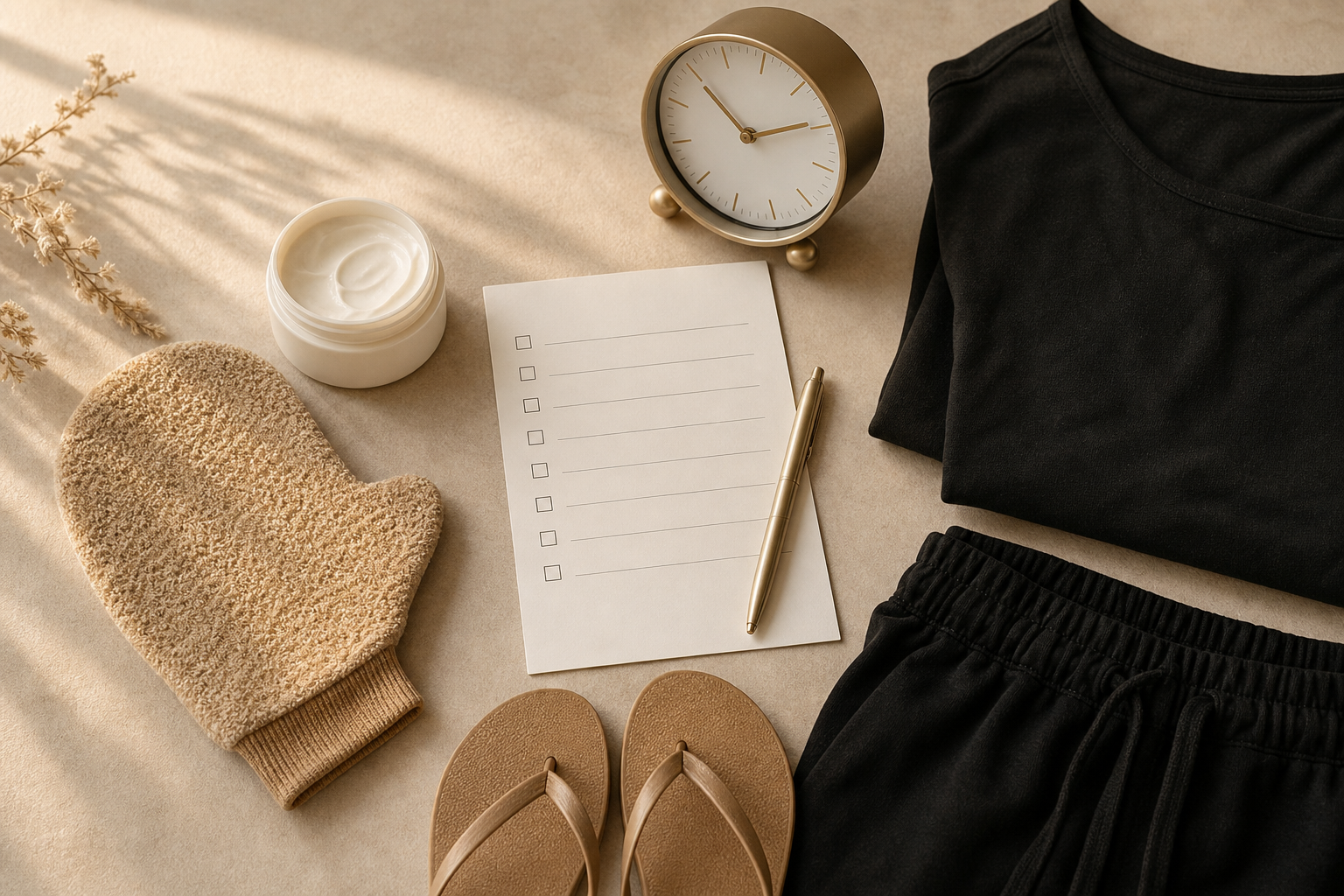
Pre-Treatment Preparation: Proper skin preparation is essential. This includes exfoliating to remove dead skin and shaving or waxing the day before treatment to ensure even application. Avoiding moisturizers and oils immediately prior to the spray tan allows the DHA to penetrate the skin surface uniformly.
Post-Treatment Care: The measures taken after tanning profoundly affect longevity. Gentle cleansing with mild, sulfate-free soaps and avoiding scrubbing or exfoliating products help preserve the color. Keeping skin well-hydrated with fragrance-free moisturizers supports even fading and skin barrier integrity.
Environmental and Lifestyle Influences: Activities such as swimming, especially in chlorinated pools or the ocean, frequent hot showers or baths, and wearing tight clothing that causes friction can all accelerate the removal of the bronzed layer.
How Does Spray Tan Colour Develop During the First Hours?
Following application, the spray tan solution initially appears fairly light and somewhat uneven. The DHA reaction that produces the coloration takes time to develop, typically reaching full intensity between 4 to 8 hours post-application.
During this development phase, it is important not to shower, sweat excessively, or engage in activities that could smear or blot the solution. This gradual process is why many salons advise clients to schedule their spray tan sessions accordingly, often in the evening before an event, to allow the color to mature overnight.
When Should You Take the First Shower After a Spray Tan?
The timing of the first shower is a critical factor in achieving a smooth and lasting spray tan. Most professional guidelines recommend waiting at least 6 to 8 hours before showering to allow full development of the color.
The initial shower should be gentle and quick, using lukewarm water and mild, non-abrasive cleansers without exfoliating ingredients. Avoid hot water or aggressive rubbing, as these can prematurely remove the bronzed outer layer.
By adhering to these instructions, you help ensure that the resulting tan looks natural and even, and you set the stage for a longer-lasting glow.
How to Keep Skin Moisturised After a Spray Tan?
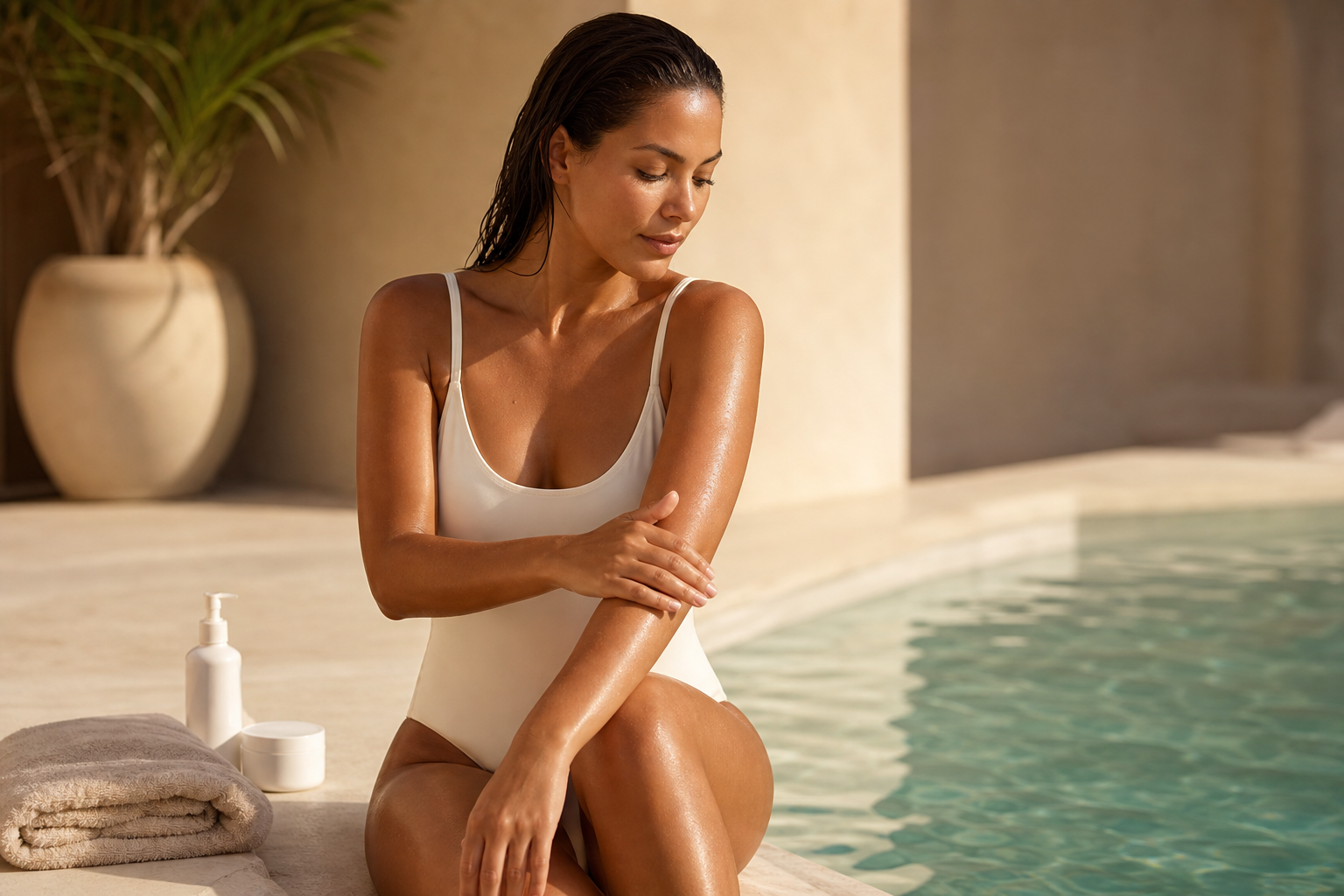
Maintaining adequate moisture is one of the most effective strategies to prolong the life of a spray tan. Hydrated skin sheds dead cells more slowly, resulting in a more gradual and uniform fading of the tan.
After the initial development period, applying a fragrance-free, rich moisturizer at least once daily is advisable. Choose products specially designed for post-tanning care when possible, as these avoid ingredients that might strip color.
Avoid lotions containing alcohol, strong acids, retinol, or exfoliating agents unless specifically recommended by your tanning technician. Consistent moisturisation also contributes to overall skin health and a more radiant appearance.
Swimming, Sea and Pool: How Do They Affect a Spray Tan?
Swimming in chlorinated pools or saltwater environments can accelerate the fading of a spray tan. Chlorine is a chemical irritant that strips oils and dead skin cells from the skin’s surface, hastening exfoliation of the pigmented layer. Saltwater has a similar, albeit less aggressive, effect.
To minimize fading, it is best to avoid prolonged swimming or soaking in pools and the ocean during the initial days after tanning, especially before the tan has fully developed and set. Using waterproof sunscreen helps protect the skin but does not preserve the spray tan color itself.
If swimming is unavoidable, applying a protective barrier cream or moisturizer beforehand can help mitigate color loss, though it will not fully prevent it.
Which Products Can Accelerate Uneven Spray Tan Fading?
Certain skincare products may inadvertently cause uneven fading or patchiness in a spray tan. Ingredients such as alpha hydroxy acids (AHA), beta hydroxy acids (BHA), retinol, exfoliating cleansers, and harsh soaps can strip away the colored surface skin more rapidly.
Physical exfoliants like scrubs or brushes can create stark contrasts by removing color in specific areas, leading to a blotchy appearance. It is advisable to avoid these products while your spray tan is present to maintain smooth, even coloration.
If uneven fading occurs, some specialized lotions with mild chemical exfoliants may be used carefully to gently even out coloration, but these should be applied with caution and only after the main tan has sufficiently faded.
Common Questions About Spray Tan Longevity and Maintenance
Can I shower immediately after a spray tan? No, delaying the first shower for at least 6 to 8 hours post-application is important for optimal color development.
Does sweating ruin a spray tan? Excessive sweating, especially before the tan sets, can reduce spray tan effectiveness by washing away or smudging the solution.
Will moisturizing darken my spray tan? Moisturizers themselves don’t darken the tan but help maintain it longer by preventing premature exfoliation.
Can spray tans be layered for longer duration? Multiple applications can intensify color but do not necessarily increase longevity proportionally; care must be taken to allow full development between layers.