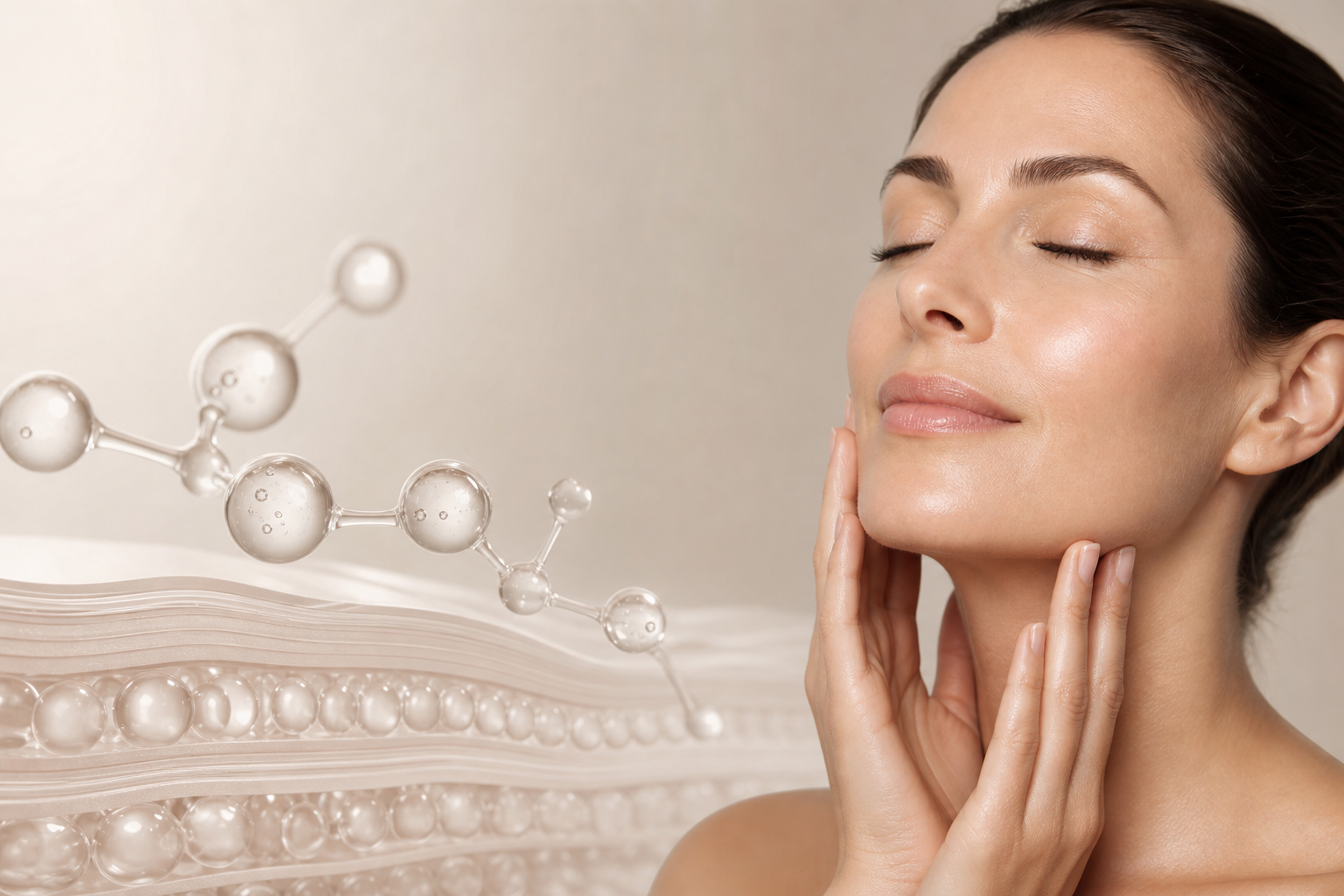
In the evolving landscape of aesthetic skin care, the pursuit of youthful and radiant skin remains a timeless goal. Among the myriad approaches to combat the visible impacts of aging, deep hydration has emerged as a foundational strategy within anti-aging facial care. Unlike superficial moisturizing, deep hydration targets the inner layers of the skin to restore and maintain moisture where it is most beneficial—within the dermis and epidermis—thereby supporting the skin's structural integrity and resilience.
This editorial unpacks the significance of deep hydration as a cornerstone in anti-aging facial treatments. It is crafted for individuals seeking a nuanced understanding of effective skin rejuvenation methods, skincare professionals aspiring to optimize their treatment protocols, and anyone interested in integrating scientifically grounded hydration techniques into their anti-aging regimen. Recognizing how hydration influences skin health and aesthetics is essential because, over time, diminished moisture contributes substantially to the development of wrinkles, loss of elasticity, and a dull complexion.
Why does deep hydration matter in anti-aging care? Because skin that is adequately hydrated from within is more capable of defending against environmental stressors, sustaining collagen production, and facilitating cellular regeneration. This translates into a visibly fresher, plumper, and more youthful appearance. However, understanding the indications, realistic expectations, and the safe application of deep hydration treatments is equally critical to achieving desirable outcomes.
What Constitutes Deep Hydration and Its Unique Role in Anti-Aging Facial Care?
Deep hydration transcends the temporary moisture boost typically provided by topical creams that hydrate only the outermost skin layer. Instead, it involves replenishing water content within the deeper layers of the skin, particularly the dermis, which houses collagen, elastin fibers, and crucial cellular structures. This hydration fuels skin metabolism, fortifies the barrier function, and mitigates transepidermal water loss, which is a significant contributor to chronic dryness and accelerated aging.
Clinically, deep hydration is achieved through the use of potent hydrophilic molecules like hyaluronic acid of varying molecular weights, peptides that stimulate fibroblast activity, and supportive vitamins such as vitamin C—all formulated to penetrate beyond the epidermal surface. By nourishing skin at this level, these treatments enhance elasticity, smooth fine lines, and safeguard against the environmental aggressors that can accelerate skin deterioration.
This deeper approach is essential in anti-aging care because it lays the groundwork for more advanced interventions. Without sufficient hydration, the effects of collagen induction therapies or antioxidant treatments may be limited, as dehydrated skin lacks the pliability and responsiveness necessary to fully benefit from these procedures.
Who Should Consider Deep Hydration in Their Anti-Aging Skin Care Strategy?
Deep hydration is advisable for a broad audience, particularly those beginning to notice early signs of aging as well as individuals seeking to prevent premature skin fatigue. Skin dehydration is not exclusive to dry skin types; even oily or combination skin can suffer from inadequate hydration at the cellular level, leading to compensatory oil production and subsequent breakout cycles.
Specific indications for incorporating deep hydration into an anti-aging regimen include:
Visible fine lines and wrinkles: Often the first signs of aging correlate with microscopic water loss, emphasizing the need for deep replenishment.
Loss of skin firmness and elasticity: As moisture content decreases, dermal matrix integrity weakens, exacerbating sagging and dullness.
Chronic sensitivity or redness: Compromised barrier function due to dryness may trigger inflammatory responses, making hydration critical.
Rough or uneven skin texture: Dryness impacts skin renewal, resulting in keratin buildup and a lackluster complexion.
Those who have undergone cosmetic procedures such as chemical peels or laser resurfacing should also consider deep hydration therapies to support healing and optimize results.
Which Treatment Modalities and Ingredients Deliver Effective Deep Hydration?
The success of deep hydration hinges on the appropriate selection of products and in-clinic treatments designed to replenish moisture at dermal depths safely and effectively. Key components and methods commonly integrated into professional anti-aging facial protocols include:
Hyaluronic Acid (HA): This glycosaminoglycan is renowned for its exceptional capacity to bind water molecules, retaining moisture up to 1000 times its weight. Utilizing both high and low molecular weight HA enhances absorption and prolongs hydration effects.
Peptides: Bioactive peptides can stimulate fibroblast activity and encourage synthesis of collagen and elastin, enhancing skin density and hydration simultaneously.
Vitamin C (Ascorbic Acid): As a potent antioxidant, vitamin C not only supports collagen production but also brightens skin tone and protects against oxidative stress.
Ceramides and Fatty Acids: These lipids reinforce the skin’s lipid barrier, reducing moisture evaporation and improving barrier function.
Professional Delivery Techniques: Mesotherapy without needles, ultrasound-assisted infusions, and microchanneling technologies facilitate deeper penetration of hydrating agents without invasive procedures.
The synthesis of these ingredients and methods, tailored to an individual’s skin type and condition, underpins the efficacy of any deep hydration anti-aging treatment plan.
What Does a Professional Deep Hydration Anti-Aging Facial Treatment Entail?
A typical professional deep hydration facial involves multiple precise steps to maximize hydration while preparing skin to absorb and retain moisture effectively:
Cleansing and Preparation: Removal of surface impurities through gentle cleansing and exfoliation primes the epidermis, eliminating dead cells that may obstruct active ingredient absorption.
Application of Targeted Serums: High-potency serums containing hyaluronic acid, peptides, and antioxidants are applied, often layer by layer, to replenish dermal hydration thoroughly.
Enhanced Delivery Methods: Non-invasive techniques like ultrasound penetrate the serums into the skin’s deeper layers, enabling better bioavailability of the hydrating compounds.
Masking and Moisture Sealing: Hydrating masks with ingredients such as alginates or collagen are used to provide an occlusive effect, locking in moisture and soothing the skin. The treatment finishes with the application of barrier-strengthening creams to sustain moisture retention.
Clients typically observe improved skin texture, suppleness, and a more radiant complexion following the procedure, with effects continuing to deepen over subsequent days as the skin's regeneration mechanisms respond to increased hydration levels.
What Limitations Should Be Understood Before Undergoing Deep Hydration Treatments?
While deep hydration is a potent tool in the anti-aging arsenal, it is not a panacea. It does not replace more invasive procedures required for profound wrinkle reduction or tissue laxity correction but rather serves as a critical supportive measure. Expectations must be realistic—deep hydration enhances skin quality and may diminish the appearance of fine lines, but it does not erase deep wrinkles or structural deficiencies.
Moreover, individuals with certain dermatological conditions, such as active infections, eczema flare-ups, or rosacea, should consult with a dermatologist before pursuing deep hydration treatments to avoid exacerbation of their conditions.
Allergic reactions, though uncommon, remain possible, especially with products containing multiple active ingredients. Patch testing and professional guidance are advised to mitigate risks.
Furthermore, treatment frequency and product concentration must be carefully balanced to prevent over-hydration, which can destabilize the skin’s natural flora and barrier function.
When and Why Should You Consult a Qualified Specialist Before Pursuing Deep Hydration Anti-Aging Care?
Consultation with an experienced dermatologist or certified skincare professional is essential for safely integrating deep hydration into an anti-aging regimen. Specialists assess skin type, hydration levels, photodamage, and overall skin health to tailor a treatment protocol that aligns with individual needs and aesthetic goals.
Additionally, specialists can identify contraindications and customize ingredient formulations, ensuring safety and efficacy. They can monitor treatment progress and suggest modifications or adjunctive therapies for comprehensive skin rejuvenation.
Especially for individuals with complex skin concerns, previous cosmetic procedures, or systemic conditions affecting skin health, professional evaluation prevents adverse outcomes and maximizes benefits.
How Can Daily Self-Care Reinforce the Effects of Deep Hydration Treatments?
Deep hydration efforts in the professional setting must be complemented by consistent daily skincare to sustain skin vitality and slow aging processes. Effective at-home routines include:
Cleansing with Gentle, pH-Balanced Products: Preserving the skin’s natural barrier supports retention of moisture and prevents irritation.
Using Hydrating Serums and Moisturizers Containing Hyaluronic Acid, Ceramides, and Antioxidants: These ingredients consistently rebuild hydration levels and combat environmental damage.
Regular Application of Sunscreen: UV exposure accelerates dehydration and collagen breakdown; protection is vital.
Adopting Healthy Lifestyle Factors: Hydration from within, balanced nutrition, adequate sleep, and avoidance of smoking complement topical care.
Combining professional treatments with empowered self-care establishes a holistic approach to maintaining youthful, hydrated skin.


