Deep cleansing for acne-prone skin is a critical component in an effective skincare regimen tailored to diminish blackheads, excess sebum, and dead skin cell buildup—factors that frequently exacerbate acne outbreaks. This comprehensive approach extends beyond daily face washing, delving into targeted treatments designed to purify pores and stimulate skin renewal. Whether you are encountering deep cleansing for the first time or have experimented with different methods, understanding the nuances of these options—and their inherent limitations—is paramount for optimal care.
For individuals struggling with acne, the chaotic interplay of inflammation, clogged pores, and excess oil often demands more than topical creams and medications alone. Deep cleansing interventions aim to penetrate the epidermal surface, addressing the root causes of congestion and facilitating a clearer complexion. However, these treatments must be carefully selected and executed, ideally under professional guidance, to prevent worsening the condition or inducing irritation.
This article serves as a detailed exploration for readers seeking factual, relevant insights on deep cleansing strategies for acne-prone skin—offering clarity on how such procedures work, when they may be beneficial, and what boundaries exist. Furthermore, skincare professionals will find a resource to better inform their clients on realistic expectations and safety considerations.
What Constitutes Deep Cleansing for Acne-Prone Skin and Why Is It Important?
Deep cleansing transcends ordinary facial washing by incorporating specialized techniques that sanitize pores, dissolve impurities, and remove accumulated debris from beneath the skin’s surface. In acne-prone skin, these interventions help diminish the excess sebum and blocked follicles that provide fertile ground for acne-causing bacteria and inflammation.
Unlike surface-level cleansing, which typically addresses dirt and oil present on the topmost layer of skin, deep cleansing targets the intricate environments within pores and follicular canals. This distinction is vital because acne often originates from internal obstructions and microbial imbalances rather than superficial contamination alone.
Professionals utilize a spectrum of modalities to achieve deep cleansing, ranging from manual extraction to technologically advanced tools such as ultrasonic cleaners or chemical peels. Integrating these techniques thoughtfully into a skincare routine can facilitate skin rejuvenation, reduce infection risks, and prepare the skin for enhanced absorption of therapeutic agents.
Which Methods Are Available for Deep Cleansing in Acne Management?
The spectrum of deep cleansing methods can be broadly divided into manual and apparatus-based treatments, each carrying specific indications and procedural nuances.
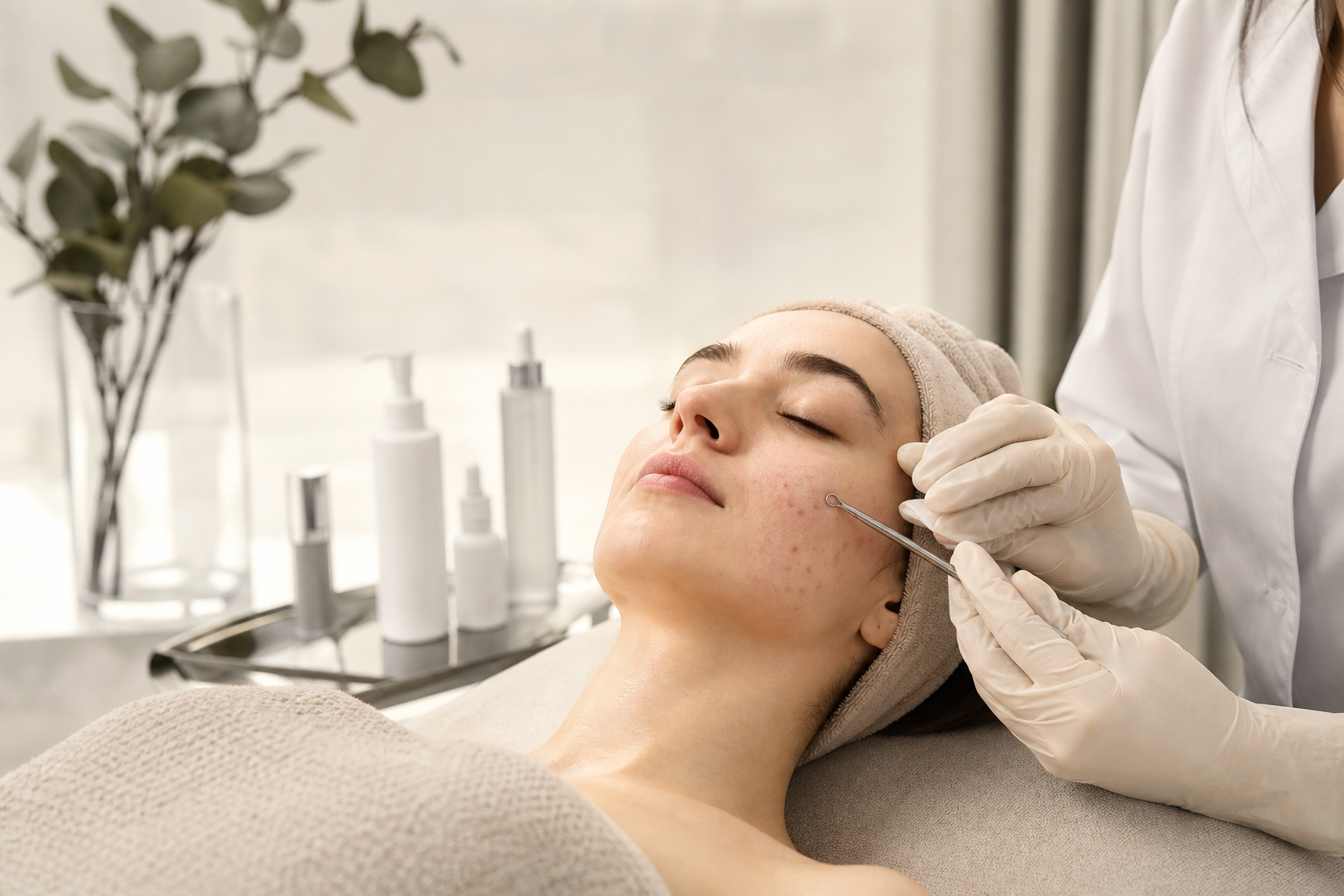
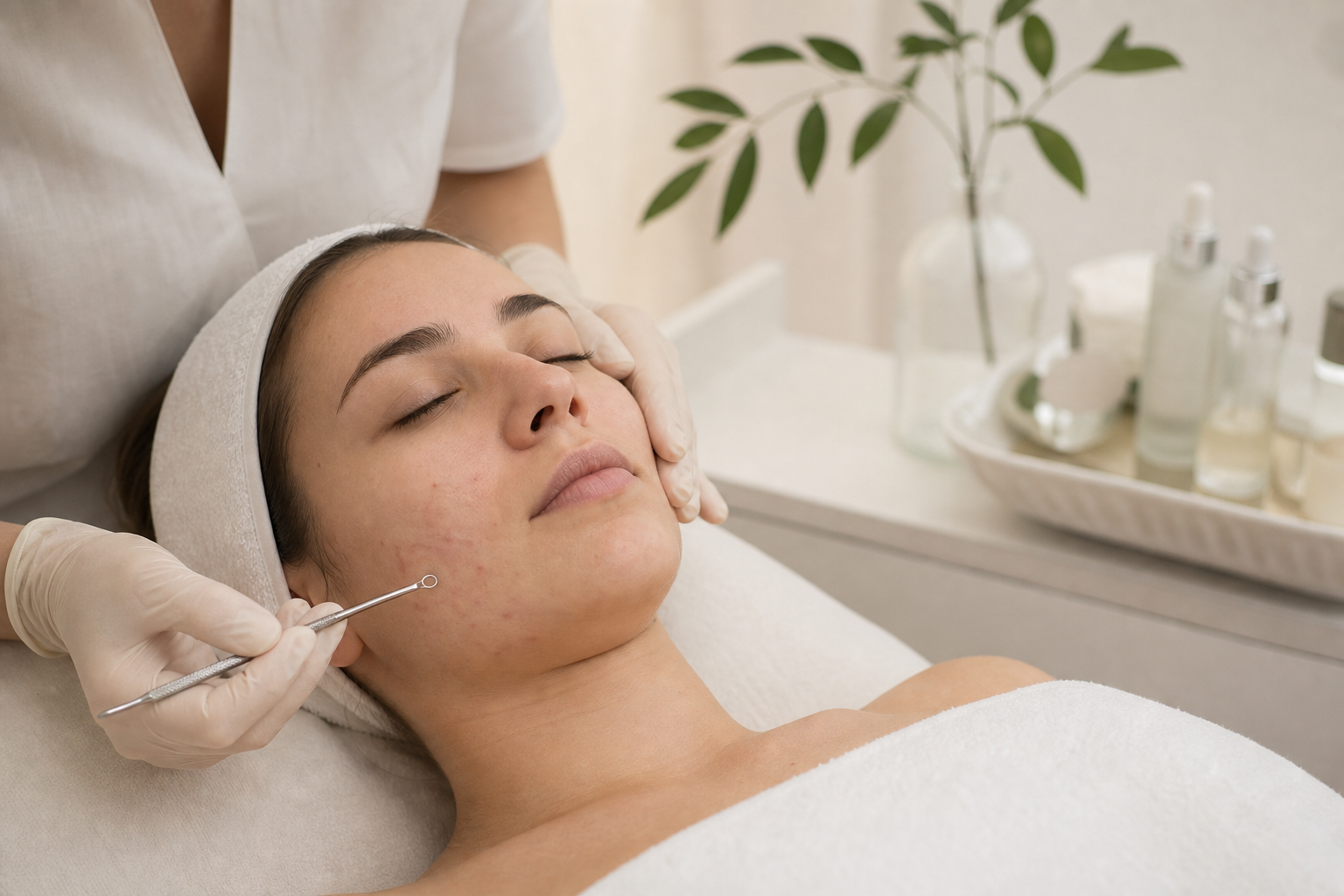
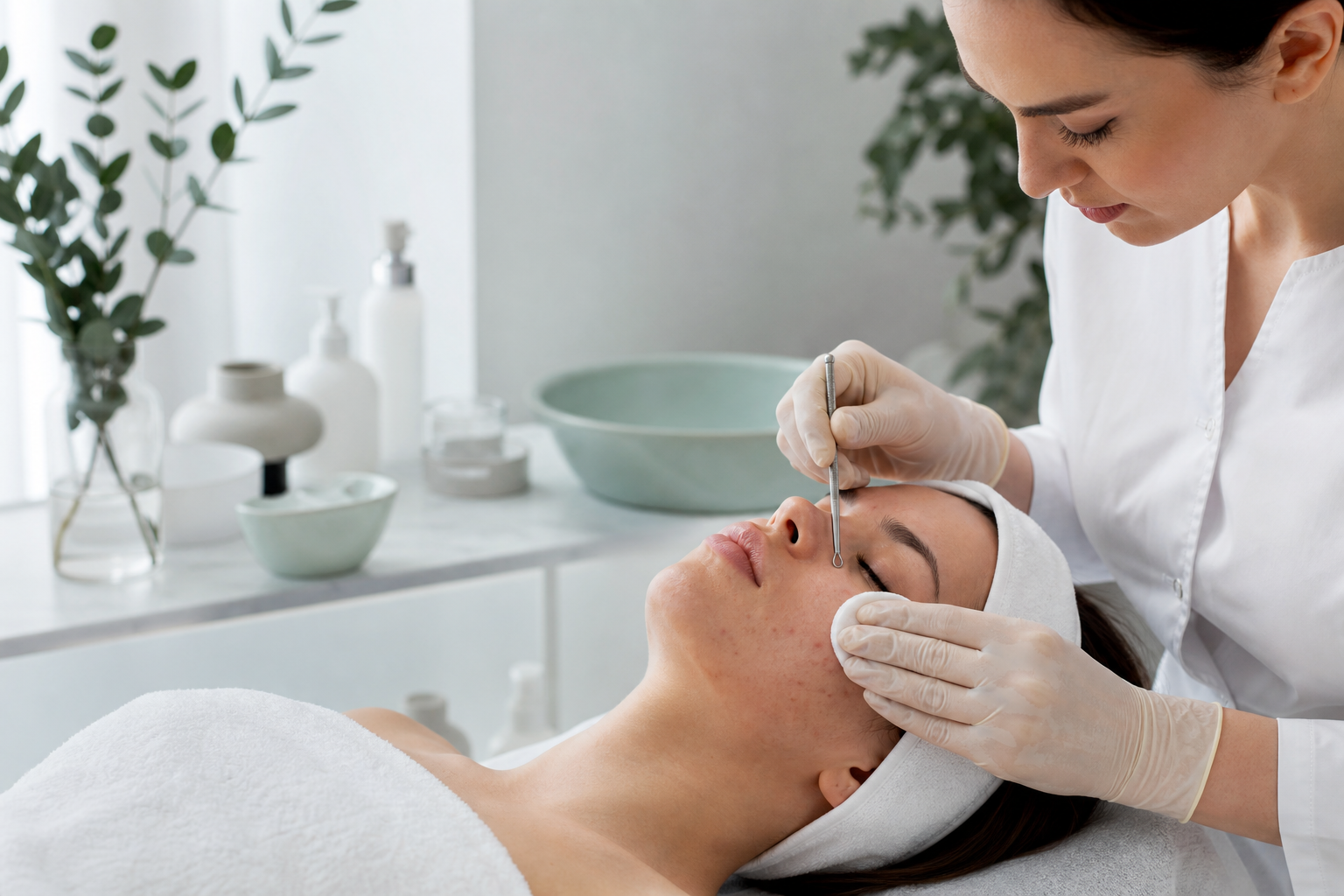
Manual extraction involves the careful removal of comedones (blackheads and whiteheads) by a skilled esthetician or dermatologist. This technique can effectively clear clogged pores, particularly in individuals with predominantly comedonal acne. Precision and hygiene are paramount, as improper execution may lead to tissue trauma or the spread of infection.
Aparatus-based methods include ultrasonic cleansing devices that emit high-frequency vibrations to loosen and extract debris gently. Chemical peels, composed of agents such as salicylic acid or glycolic acid, exfoliate dead skin layers and promote cellular turnover, aiding pore clearance while mitigating inflammation. Microdermabrasion offers a mechanical exfoliation option, suitable for mild acne cases, enhancing skin texture but requiring caution to avoid irritation in active inflammations.
How Is the Appropriate Deep Cleansing Method Determined for Acne-Prone Skin?
Choosing the right deep cleansing technique involves evaluating several key factors to tailor treatment safely and effectively:
Type of acne: Patients exhibiting non-inflammatory, comedonal acne typically respond well to gentle manual extraction supplemented by superficial chemical exfoliation. Conversely, inflammatory or cystic acne often precludes manual clearing due to the risk of aggravation and should be approached conservatively.
Skin sensitivity and condition: Highly reactive or compromised skin may contraindicate aggressive exfoliative procedures. Assessments must verify absence of active infection or open lesions before proceeding to deep treatments.
Current treatment regimen: Patients undergoing retinoid therapy or systemic medications may have increased photosensitivity or fragility, necessitating adjustment of deep cleansing intensity or scheduling.
Patient expectations: Clear communication regarding the scope of benefits and potential limitations or side effects ensures alignment and supports adherence to care plans.
What Benefits Does Deep Cleansing Offer to Acne-Prone Complexions?
When administered correctly, deep cleansing can unlock several advantages that contribute positively to acne management and overall skin health:
Reduction of pore blockages: Extracting sebum and debris from clogged follicles reduces the substrate for bacterial proliferation and inflammatory cascades.
Diminishment of blackheads and whiteheads: Regular treatments help control the prevalence of these lesions, improving the skin’s uniformity and tone.
Enhanced skin texture and glow: Stimulating circulation and promoting exfoliation support smoother, more luminous skin surfaces.
Improved efficacy of medications: Clearing the skin’s surface enhances penetration and action of topical agents, amplifying the benefits of concomitant therapies.
What Are the Inherent Limits and Risks of Deep Cleansing for Acne-Sensitive Skin?
Despite its value, deep cleansing carries potential pitfalls that warrant prudence, especially when performed without professional oversight:
Risk of aggravation: Overzealous manual extraction or harsh chemical treatments can exacerbate inflammation, cause micro-tears, and prolong recovery time.
Skin irritation and sensitivity: Aggressive peeling or abrasive methods may provoke redness, dryness, and increased photosensitivity, counterproductive to acne control.
Infection risk: Inadequate sanitization protocols and improper technique may introduce or spread pathogens, intensifying acne lesions or causing secondary infections.
Limitations in treating severe acne: Deep cleansing is an adjunctive method; it is not curative for moderate to severe inflammatory or cystic acne, which require medical evaluation and systemic treatment.
Why and When Should a Dermatologist Be Consulted Before Undergoing Deep Cleansing Treatments?
Dermatological involvement assures appropriate assessment and customization of deep cleansing strategies, particularly in complex or resistant cases:
Presence of inflammatory or cystic acne: Specialists can recommend safer alternatives or concomitant therapy to reduce the risk of flare-ups.
Previous treatment failures: Patients unresponsive to prior interventions benefit from professional reevaluation to escalate care or introduce adjunctive modalities.
Severe skin sensitivity or complications: Consultation assists in identifying contraindications or adjusting treatment protocols to protect vulnerable skin.
Dermatologists integrate deep cleansing within comprehensive care plans that may include pharmacological agents, lifestyle guidance, and follow-up surveillance to optimize outcomes.
How Should One Prepare for and Care After a Deep Cleansing Session?
Optimizing results and minimizing adverse effects necessitate deliberate preparation and post-procedure care:
Pre-treatment preparation: Use gentle cleansers and avoid irritants or exfoliants several days before the procedure. The skin should be free from open wounds or active infections.
Post-treatment expectations: Transient redness, slight swelling, or mild peeling are common and usually subside within days. Patients should apply recommended soothing agents, avoid sun exposure, and maintain strict hygiene.
Follow-up care: Consistent moisturization, sun protection, and adherence to a dermatologist’s advice ensures sustained benefits and prevents relapse.