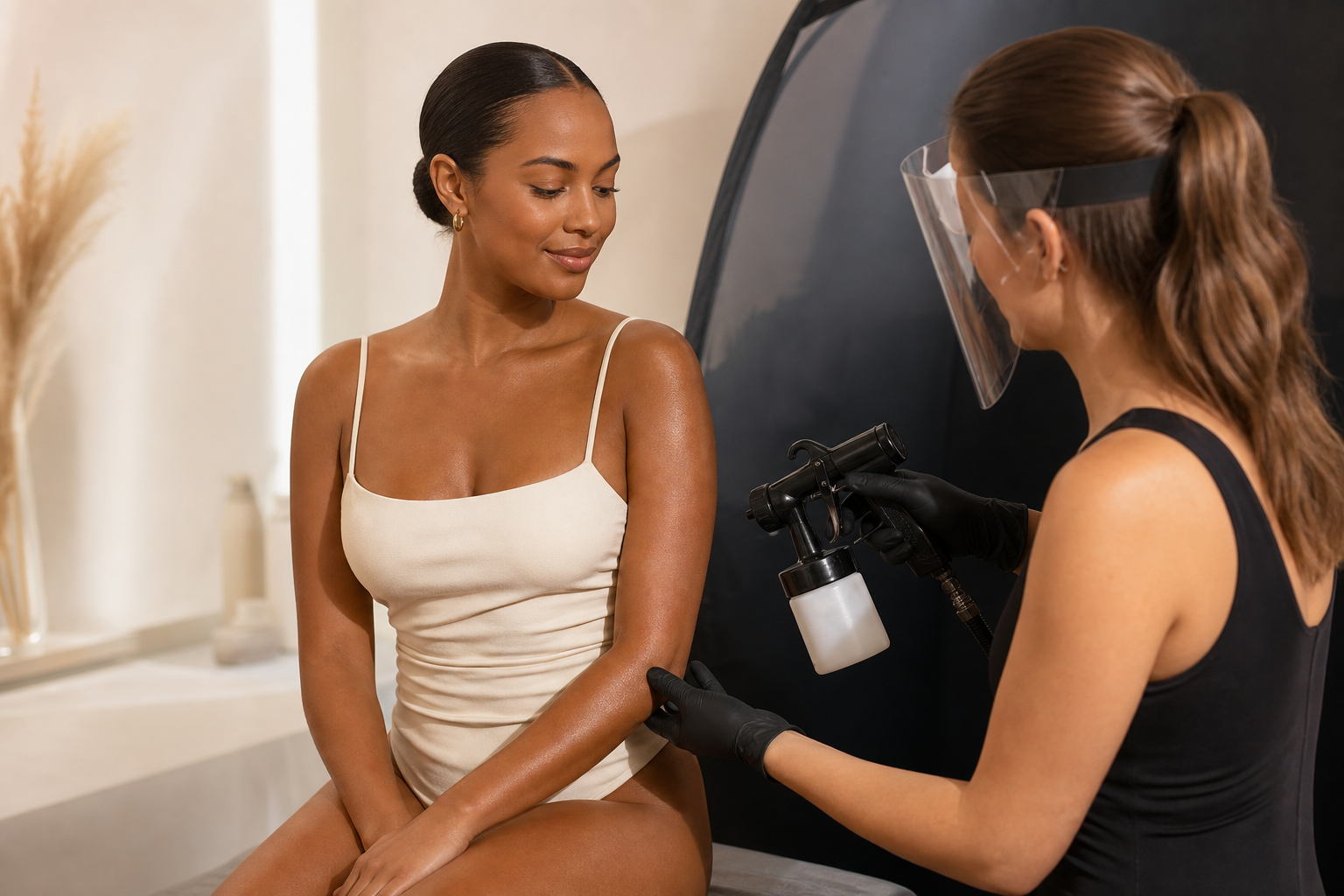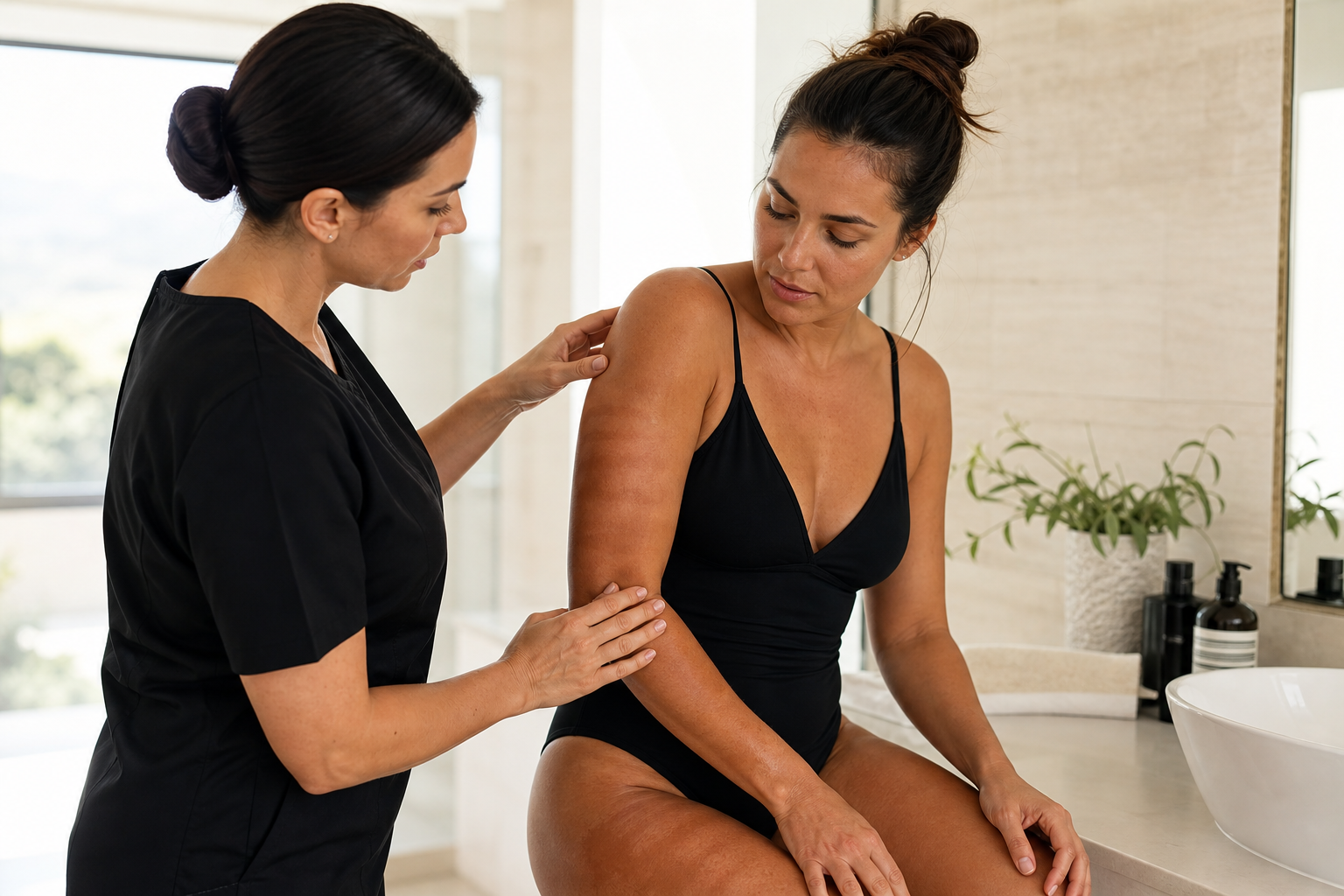
Spray tanning has become a sought-after method for achieving a sun-kissed complexion without the risks associated with ultraviolet (UV) exposure. This cosmetic procedure involves applying a fine mist containing dihydroxyacetone (DHA) to the skin, which reacts with the outermost layer to create a bronzed appearance. While spray tans offer a fast and generally safe alternative to traditional sunbathing or tanning beds, a common concern among users is the appearance of streaks, patches, or uneven coloring after application. Understanding why a spray tan might leave such uneven areas is essential for anyone considering this option or seeking to improve their current tanning routine.
This discussion is relevant for a wide audience: those new to spray tanning, individuals who have experienced disappointing results, and professionals involved in administering these treatments. It matters because the presence of streaks or patches not only compromises the aesthetic outcome but can also diminish confidence and satisfaction with the process. Moreover, learning to prevent and address these issues promotes safer tanning habits and maximizes the benefits of achieving an even, natural-looking glow.
In this article, we explore the underlying causes behind the uneven distribution of spray tan, analyze factors influencing patchy results, and provide practical strategies for preparation, application, and skin care that minimize imperfections. We will also weave in pertinent information from related topics such as Common Spray Tan Problems and Why They Happen and Uneven Knees, Elbows and Ankles: Possible Causes to offer a comprehensive resource for achieving the best possible outcomes safely and effectively.
What Is the Science Behind Spray Tan and Why Does Color Sometimes Appear Uneven?
Spray tanning relies chiefly on DHA, a sugar-derived compound that reacts chemically with amino acids in dead skin cells on the epidermis, creating a temporary brownish pigment. This reaction naturally mimics melanin production, which is responsible for tanning caused by sun exposure. However, unlike a natural tan that develops uniformly as your body adjusts to UV exposure, the coloration from spray tanning is directly dependent on the uniformity of product application and the condition of the skin surface.
Skin is not homogenous across the body; variations in thickness, hydration, dead skin cell accumulation, and texture can all influence how spray tan adheres. Drier or rough skin areas such as knees, elbows, ankles, and the backs of hands may absorb more color, leading to darker patches. Conversely, oily or more moisturized zones might display lighter or blotchy results if the product is repelled or unevenly distributed. This chemical interplay and physiological diversity primarily explain why streaks or patchy coloring appear.
Further complexity arises because the spray tan solution itself can vary in formulation, concentration of DHA, and inclusion of bronzers or other ingredients. The skill and technique of the technician or individual applying the spray tan also critically impact the distribution and final appearance. Recognizing that these biological and procedural factors interplay clarifies why a spray tan can leave streaks or patches and how they may be prevented.
Why Do Some People Experience More Noticeable Streaks and Patches Than Others?
Individual skin characteristics heavily influence the outcome of a spray tan. For example, people with naturally dry skin have a higher propensity for patchy coloring since dry areas tend to absorb and retain the tanning solution differently. Moreover, differences in body hair, skin sensitivities, and natural pigmentation can accentuate or dull the resulting tan. Factors such as pH balance, sweat production, and even hormone levels can subtly alter the reaction between DHA and skin proteins.
Specific anatomical sites are prone to uneven uptake due to texture variations. The skin on the knees and elbows is considerably thicker and more calloused than other areas, often resulting in darker and more defined patches after tanning, a phenomenon discussed in Uneven Knees, Elbows and Ankles: Possible Causes. Additionally, the hands and feet sometimes turn out darker because their skin also differs in thickness and composition; this topic is elaborated in Why Are Hands and Feet Sometimes Darker After a Spray Tan?.
Moreover, habits such as frequent washing, exfoliating, or rubbing certain areas more than others can lead to uneven fading or patchy wear of the spray tan over time. Users with oily skin may also find the color wears off unevenly because excess skin oils interfere with the tan's adhesion and durability.
How Does Skin Preparation Affect the Evenness of a Spray Tan?
One of the most critical steps to ensure a streak-free spray tan is thorough and appropriate skin preparation. Without proper cleansing and exfoliation, dead skin cells and oils remain on the surface, causing the tanning solution to adhere unevenly or clump, which leads to visible streaks or deposits. Gentle exfoliation removes these barriers, allowing for a smoother and more uniform application.
It is advisable to exfoliate at least 24 hours prior to the spray tan using mild scrubs or chemical exfoliants that do not overly irritate the skin. Harsh scrubbing can damage the skin's surface, while strong acids or unverified mixtures risk chemical burns or increased sensitivity, thus should be avoided. Additionally, after exfoliating, the skin must be kept free of lotions, deodorants, perfumes, and oils before the spray tan session, as these can create a barrier and impair the spray tan's effectiveness.
Skincare routines that include moisturizing with lightweight, non-greasy lotions help maintain even hydration levels, but on the day of the tan, the skin should be dry and free of products. This balanced approach to preparation helps reduce the likelihood of spray tan imperfections and promotes a more natural-looking glow.
What Are the Best Practices During Spray Tan Application to Avoid Streaks and Patches?
Ensuring that the spray tan solution is evenly applied across the entire body demands both the right environment and technique. Professional technicians often use precise spray equipment and apply multiple, thin layers rather than thick coats to improve control and uniformity. The body should remain still and in an open stance to allow full access and consistent coverage, and technicians commonly pay extra attention to tricky areas such as knees, elbows, and ankles.
Clients should wear loose, dark clothing post-treatment to avoid smudging and be mindful of movements that could cause the product to pool or crease, such as crossing arms or knees immediately after application. Avoiding excessive touching or rubbing also preserves the evenness of the tan.
In the home setting, if self-application is chosen, using a good-quality mitt or applicator designed for spray tan or gradual self-tanning products, working in sections with slow, deliberate motions, and blending well at joints and contours can help prevent streaking. Applying spray tans in a well-lit area with a mirror can assist in identifying spots that need touch-ups for a more seamless finish.
What Post-Treatment Care Helps Maintain an Even Spray Tan?
Proper aftercare plays a pivotal role in prolonging the life and evenness of a spray tan. One critical factor is to delay showering, bathing, or swimming for at least 4 to 6 hours after application. This allows the DHA reaction to fully develop, ensuring the tan sets evenly and reduces blotchy patches.
Gentle cleansing with mild, sulfate-free soaps or gels is advisable to avoid stripping the tan prematurely. Avoiding abrasive exfoliants, harsh scrubs, or loofahs is essential as they can cause color to fade unevenly and contribute to patchiness. Daily moisturizing with light, hydrating lotions maintains skin elasticity and integrity, which supports a steady and uniform tan fade.
As sweat, friction from clothing, or water exposure can all contribute to uneven fading or patch formation, it is important to limit rigorous activity and avoid tight or rough fabrics. Remember that spray tans do not provide any sun protection, so applying a broad-spectrum sunscreen with SPF 30 or higher remains a critical step after tanning.
Are There Common Myths About Spray Tan Streaking and How to Address Them?
A prevalent misconception is that streaks or patches simply indicate poor-quality products or inexperienced applicators alone. While these factors do contribute, underlying skin conditions and preparation, environmental aspects, or even health variables can all influence the final result. Blaming only one factor oversimplifies the issue and overlooks the comprehensive approach necessary to achieve an even tan.
Another myth involves aggressive scrubbing or using harsh chemicals to 'fix' uneven areas. Such practices can worsen the problem by irritating the skin, peeling off the tan unevenly, or causing skin damage. Instead, using gentle exfoliation and patience allows the tan to fade naturally while minimizing harm to the skin’s surface.
Additionally, some believe that spray tans offer UV protection due to their dark color. This is false; DHA does not absorb UV radiation, so protecting the skin with appropriate sunscreen remains necessary regardless of tanning method.
How Can the Appearance of Streaks or Patches Be Corrected Once They Occur?
If streaks or patches do appear after a spray tan, there are measured ways to mitigate their appearance without resorting to harsh treatments. Light exfoliation with a gentle scrub or a soft washcloth during daily bathing can encourage more uniform decay of the spray tan pigment. Using self-tanning products formulated for touch-ups can help blend patchy areas gradually.
Some professionals also offer color-correcting sprays or bronzers designed to even out minor inconsistencies. However, these should be applied carefully and tested on small areas to avoid worsening the patchiness or creating new streaks.
In the case of severe discoloration or dissatisfaction, waiting several days for the tan to fade naturally before scheduling a new, professionally administered treatment is the safest approach. Attempting to remove spray tanning color abruptly through harsh chemicals or scrubbing risks skin irritation and uneven removal, which may exacerbate streaking.
Who Is Best Suited for Spray Tanning, and When Might It Be Less Effective?
Spray tanning appeals most to individuals seeking a controlled, temporary bronze without UV exposure. It is particularly advantageous for people with fair or sensitive skin, those with medical conditions limiting sun exposure, or anyone aiming for a safe, convenient tan for special occasions. When well-executed, it offers immediate gratification and a pleasing glow for days to weeks depending on maintenance.
However, individuals with very dry or flaky skin, irregular textures due to skin conditions, or those who perspire heavily may find it more challenging to achieve seamless results. In such cases, additional skincare measures or consultation with a tanning professional can optimize outcomes. Awareness of the limitations and realistic expectations is essential, as spray tan is not a permanent solution and requires consistent care to maintain.