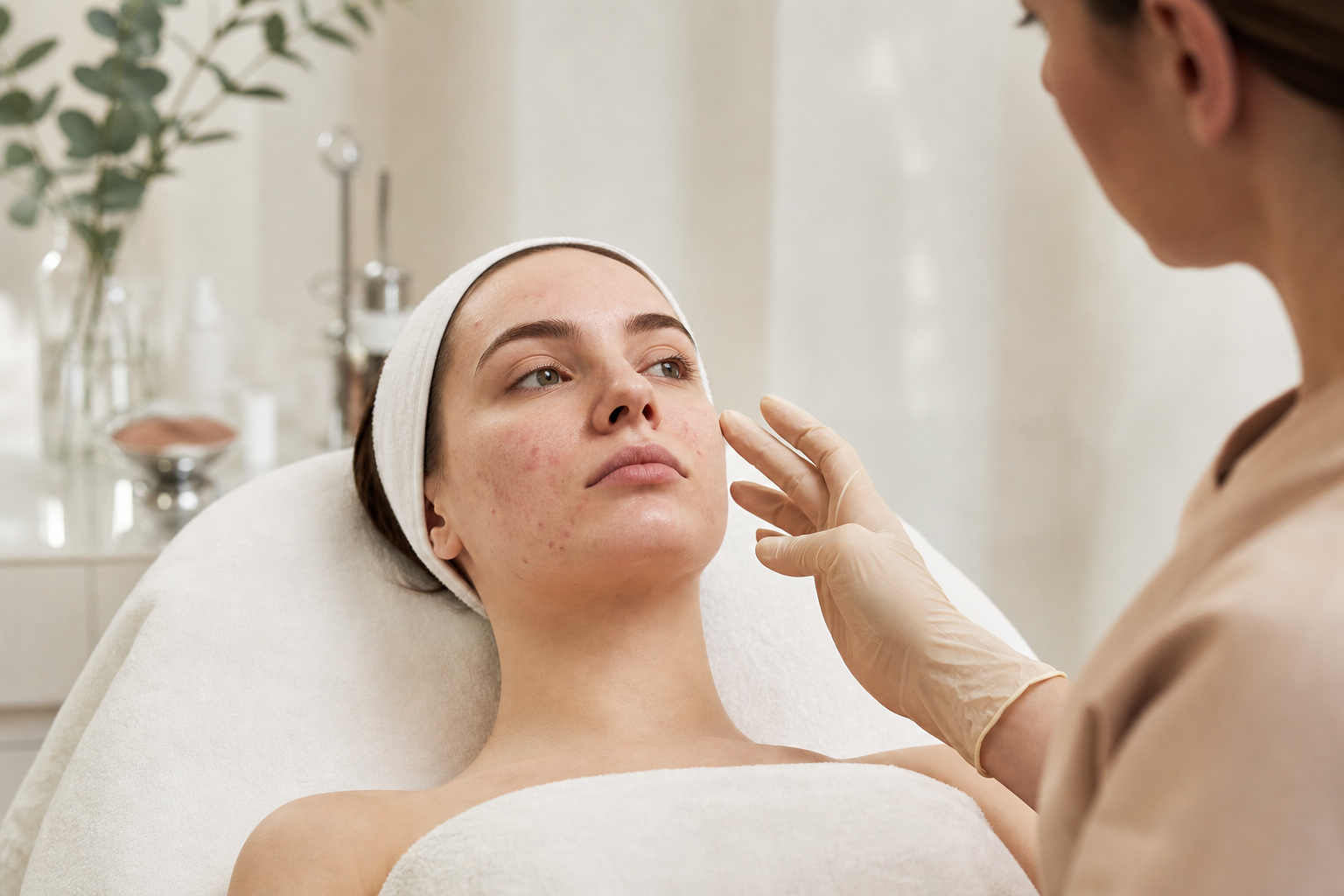
Deep facial cleansing stands as one of the most sought-after interventions within the realm of skin care, particularly prized for its ability to meticulously remove impurities, excess sebum, blackheads, and dead skin cells from pores. This non-invasive procedure caters primarily to individuals seeking to enhance skin texture, reduce pore congestion, and revitalize their complexion without resorting to aggressive treatments. However, despite its widespread popularity and generally beneficial nature, concerns persist regarding the safety of deep facial cleansing, especially given the delicate balance between effective cleansing and potential damage to the skin barrier.
Understanding whether deep facial cleansing is safe involves exploring its fundamental mechanisms, evaluating associated risks, and acknowledging specific contraindications. It is crucial not only for prospective clients but also for practitioners to have a comprehensive awareness of these factors to ensure optimal outcomes and mitigate adverse effects. This article aims to provide an authoritative and nuanced examination of deep facial cleansing safety, illuminating who stands to benefit most from the procedure, which precautions are necessary, and when professional medical advice should be sought.
Through detailed insights grounded in dermatological and cosmetic science, we will navigate the practical facets of deep cleansing treatments—from preparation through to aftercare—highlighting the importance of professional expertise and the potential pitfalls that may compromise skin health. By contextualizing the procedure within a broader spectrum of facial cleansing techniques and skin care strategies, readers will be equipped to make informed decisions about incorporating deep facial cleansing into their skincare regimens.
What Constitutes Deep Facial Cleansing and How Does It Function?
Deep facial cleansing is a systematic cosmetic treatment designed to unearth and eliminate accumulated debris, sebum, environmental pollutants, and dead epidermal cells that reside not merely on the skin's surface but also deep within the pores. Unlike routine washing that addresses superficial dirt, deep cleansing penetrates into pore depths to dissolve comedones—commonly known as blackheads—and prevent the formation of acne lesions.
The procedure typically involves an orchestrated series of steps: skin preparation using gentle cleansers and steam to soften the skin; exfoliation employing physical or enzymatic agents to remove dead cells; manual or mechanical extraction of clogged pores; and the application of calming serums or masks to soothe and restore moisture balance. This layered approach aims to reduce pore blockages, promote clearer skin, and stimulate skin renewal.
It is pivotal to recognize that deep cleansing relies heavily on professional execution combined with stringent hygiene protocols. Improper techniques, excessive force during extraction, or use of inappropriate products can compromise skin integrity, leading to irritation or infection. Therefore, selection of a licensed skincare professional and careful customization of techniques to match individual skin types are foundational elements of a safe and effective treatment.
Who Should Consider Deep Facial Cleansing and Under What Conditions Is It Recommended?
Deep facial cleansing holds particular appeal for individuals with oily, combination, or acne-prone skin who battle persistent blackheads, enlarged pores, and uneven skin texture. These skin types often exhibit overproduction of sebum and heightened propensity for pore congestion which daily cleansing alone cannot sufficiently address.
Moreover, persons looking to refresh dull or fatigued skin through removal of surface dead cells may find deep cleansing advantageous. It can impart a brighter complexion and smoother texture by encouraging cellular turnover and maintaining pore cleanliness.
Not all skin types, however, are suitable candidates. Sensitive skin, skin with active inflammations, or those undergoing certain dermatological treatments may need to avoid or modify the deep facial cleansing process. Consequently, a thorough skin assessment and consultation with a dermatologist or experienced cosmetologist are recommended to ascertain appropriateness and tailor protocols accordingly.
What Are the Potential Risks and Complications Associated with Deep Facial Cleansing?
While deep facial cleansing is generally considered safe when performed correctly, potential risks must be acknowledged. Transient side effects such as redness, minor swelling, and sensitivity are common immediately post-treatment due to mechanical manipulation and increased skin permeability.
More concerning complications include the development of infections, especially if instruments are not adequately sterilized, leading to bacterial infiltration in compromised skin. Aggressive manual extraction can cause microtears, scarring, or exacerbate existing inflammation. Additionally, improper aftercare or failure to protect the skin from UV exposure may result in post-inflammatory hyperpigmentation or prolonged irritation.
Individuals with underlying skin conditions such as eczema, rosacea, or psoriasis may experience flare-ups triggered by mechanical stress or unsuitable products applied during treatment. For these reasons, risk mitigation through professional evaluation and adherence to hygiene standards is essential.
Under Which Circumstances Is Deep Facial Cleansing Contraindicated?
Deep facial cleansing is contraindicated in a variety of dermatological and systemic contexts. Active skin infections—including herpes simplex, bacterial folliculitis, or fungal outbreaks—must be fully resolved prior to undergoing such procedures to prevent exacerbation and spread.
Other contraindications include severe rosacea, eczema, inflamed cystic acne, or recently performed invasive procedures like chemical peels and laser therapies which leave the skin vulnerable. Patients currently using retinoids or immunosuppressants should avoid deep cleansing unless specifically approved by their healthcare provider.
Moreover, individuals with compromised immune systems, certain chronic illnesses, or known allergies to cleansing agents and topical products should exercise caution or seek alternative treatments. A candid discussion with medical and skincare professionals is indispensable for identifying these restrictions.
How to Assess the Quality and Safety of a Professional Deep Facial Cleansing Treatment?
Ensuring a safe deep facial cleansing experience begins with selecting a reputable clinic or salon operated by certified skincare specialists. Verification of practitioner credentials and salon hygiene certifications is a fundamental step.
Examination of the establishment’s sterilization protocols is equally important. Instruments should be subjected to rigorous sterilization processes—preferably using autoclaves—to eliminate all microbial life, distinguishing this from mere disinfection which is less comprehensive.
Furthermore, the quality and composition of the products used during the treatment should comply with dermatological standards and be appropriate for the client’s skin type. Transparent communication regarding the treatment plan, expected outcomes, and potential side effects enhances trust and preparedness for the procedure.
What Post-Treatment Effects Can Occur and How Should They Be Managed?
Following deep facial cleansing, mild erythema and tenderness reflect the skin’s response to exfoliation and extraction. To support recovery, gentle moisturizing, use of anti-inflammatory formulations, and strict photoprotection are advised.
In cases of pronounced irritation or prolonged redness, soothing agents containing ingredients like aloe vera or chamomile may accelerate healing. It is critical to avoid harsh scrubs, retinoids, or exfoliating acids immediately after treatment to prevent exacerbation.
Should unusual symptoms such as pustules, significant swelling, or signs of infection develop, immediate consultation with a dermatologist is warranted. Early intervention can avert complications and safeguard skin health.
When Is Dermatological Consultation Essential in Relation to Deep Facial Cleansing?
Prior to undertaking a deep facial cleansing regimen, consultation with a dermatologist is particularly prudent for individuals experiencing persistent or atypical skin conditions. Such professional insight helps to differentiate suitable candidates from those who might be at elevated risk of adverse outcomes.
Post-treatment, if unexpected reactions like persistent rashes, scarring, or pigment changes occur, dermatological evaluation becomes necessary to guide appropriate therapeutic approaches.
Ultimately, integrating dermatological expertise ensures that deep facial cleansing is rendered both safe and effective, complementing broader skin care strategies.
Practical Guidance for Safe and Effective Deep Facial Cleansing
To maximize benefits while minimizing hazards, candidates for deep facial cleansing should adhere to several key recommendations. Foremost is confirming the credentials and hygiene practices of the treatment provider and confirming suitability based on skin type and medical history.
Clients are advised to avoid self-extractions to prevent trauma and infection, rely on professional judgment regarding treatment frequency, and strictly follow post-procedure care instructions including sun protection and gentle skin care products.
Maintaining ongoing skincare routines tailored to individual needs can reinforce the positive effects of deep cleansing, ensuring a sustained improvement in skin clarity and texture without compromising barrier integrity.