Spray tanning has emerged as a prominent alternative to traditional ultraviolet (UV) tanning methods, especially amid growing concerns about the health risks associated with UV exposure. Unlike sunbathing or tanning beds, spray tanning offers a way to achieve a bronzed, sun-kissed appearance without subjecting the skin to potentially harmful ultraviolet rays. This makes spray tan particularly appealing for individuals seeking a safer cosmetic option for enhancing their skin's color without the long-term damage linked to UV radiation.
This article serves as an informative guide for anyone contemplating alternatives to UV tanning—whether due to health considerations, lifestyle choices, or aesthetic preferences. It examines what spray tan entails, its benefits, limitations, and how it compares to traditional UV tanning methods. Furthermore, it addresses common questions on preparation, application, and care related to spray tans. Understanding these elements is crucial for those who want to make informed decisions about their skin health and appearance.
The significance of this discussion extends beyond cosmetic appeal. With skin cancer rates and skin aging linked to UV exposure, adopting alternatives like spray tanning can play a meaningful role in dermatological health and wellness. This editorial aims to offer a thorough, evidence-based perspective on spray tanning as a valuable option within the broader spectrum of tanning and glow care, as detailed in the comprehensive resource, How to Achieve a Tanned Look Without Sunbeds.
What Is Spray Tan and How Does It Work Compared to UV Tanning?
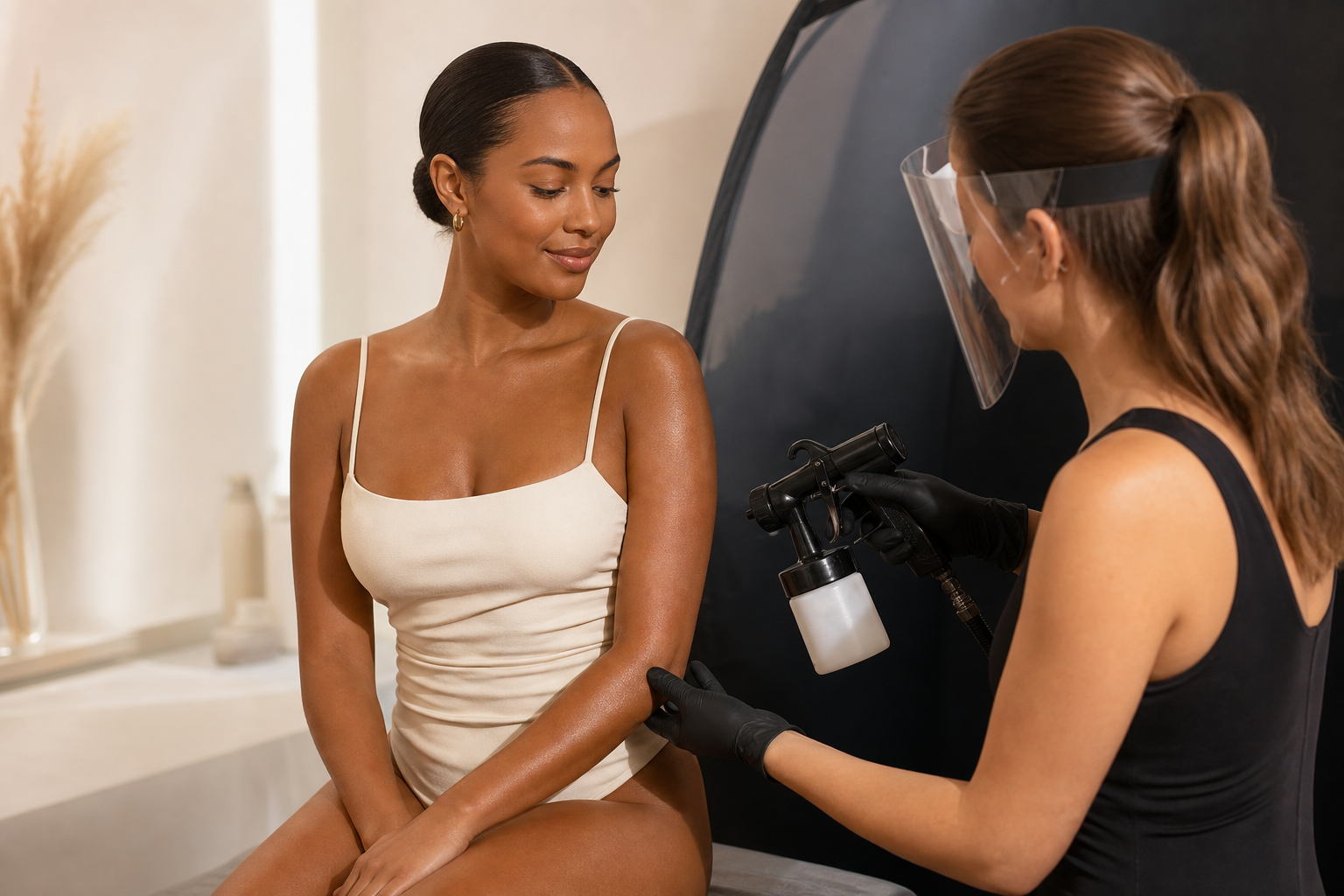
Spray tan is a topical cosmetic treatment designed to mimic the appearance of a sun-induced tan without involving UV rays. The process involves applying a fine mist of specially formulated solutions containing dihydroxyacetone (DHA) on the skin's surface. DHA, a colorless sugar derived commonly from plant sources, interacts with the amino acids in the dead cells of the epidermis, producing a temporary browning effect known as the Maillard reaction.
Unlike UV tanning, which stimulates melanocytes in the skin to produce melanin in response to ultraviolet light exposure, spray tanning relies solely on a chemical reaction at the outermost skin layer. This fundamental difference means spray tanning does not cause DNA damage, does not increase the risk of skin cancer, and avoids the cumulative harmful effects associated with UV rays, such as photoaging and pigmentation disorders.
However, the coloration from spray tanning is superficial and fades as the skin naturally exfoliates, usually lasting between 5 to 10 days depending on individual skin type, preparation, and maintenance. Since it does not induce melanin production, spray tans do not provide any inherent protection against UV radiation, underscoring the importance of conventional sun protection regardless of cosmetic coloration.
Who Can Benefit Most from Spray Tan Treatments and Who Should Exercise Caution?
Spray tanning is well-suited for those who desire a bronzed appearance without the downsides of UV exposure, including people with fair or sensitive skin prone to sunburns, individuals with a history of skin cancer, or those with medical conditions increasing photosensitivity. Additionally, it appeals to anyone seeking quick, uniform tanning results, for instance before special events or photoshoots, where an even skin tone and a healthy glow are desired.
Moreover, spray tanning offers a user-friendly option for people who wish to maintain a year-round tan without dependence on seasonal sunlight availability. It is also favored by individuals who find tanning beds inaccessible or unacceptable due to health advisories from dermatologists and health organizations.
However, certain limitations should be noted. Deeply pigmented skin types may experience subtler results, possibly requiring multiple applications for noticeable changes. Those with uneven skin texture, scars, or eczema may find the tan color less uniform unless proper skin preparation is undertaken. Also, spray tan should not be viewed as a substitute for sunscreen, as it lacks UV protection, nor does it address vitamin D synthesis needs, which should be discussed with healthcare professionals.
What Advantages Does Spray Tan Offer Over Traditional UV Tanning?
The foremost advantage of spray tanning is the elimination of health risks tied to ultraviolet radiation. By bypassing UV exposure, spray tanning prevents potential DNA damage, skin cell mutations, and the premature aging effects of sun damage such as wrinkles, loss of elasticity, and hyperpigmentation.
Spray tan facilitates immediate visual results without requiring multiple hours in the sun or tanning beds, streamlining the process for convenience and control. The intensity and shade of bronzing can be customized through product selection and number of applications, allowing users to tailor their glow to personal preference.
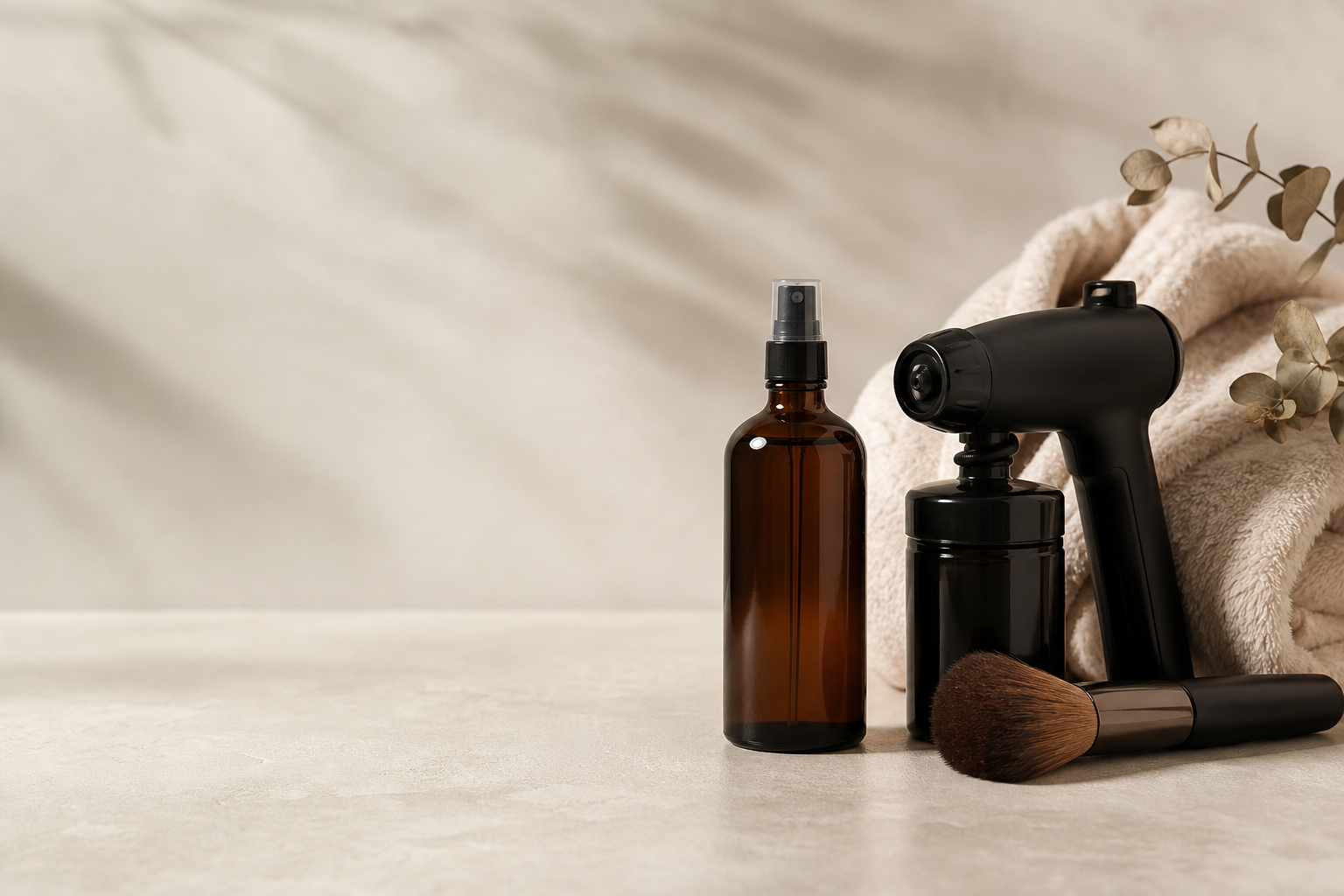
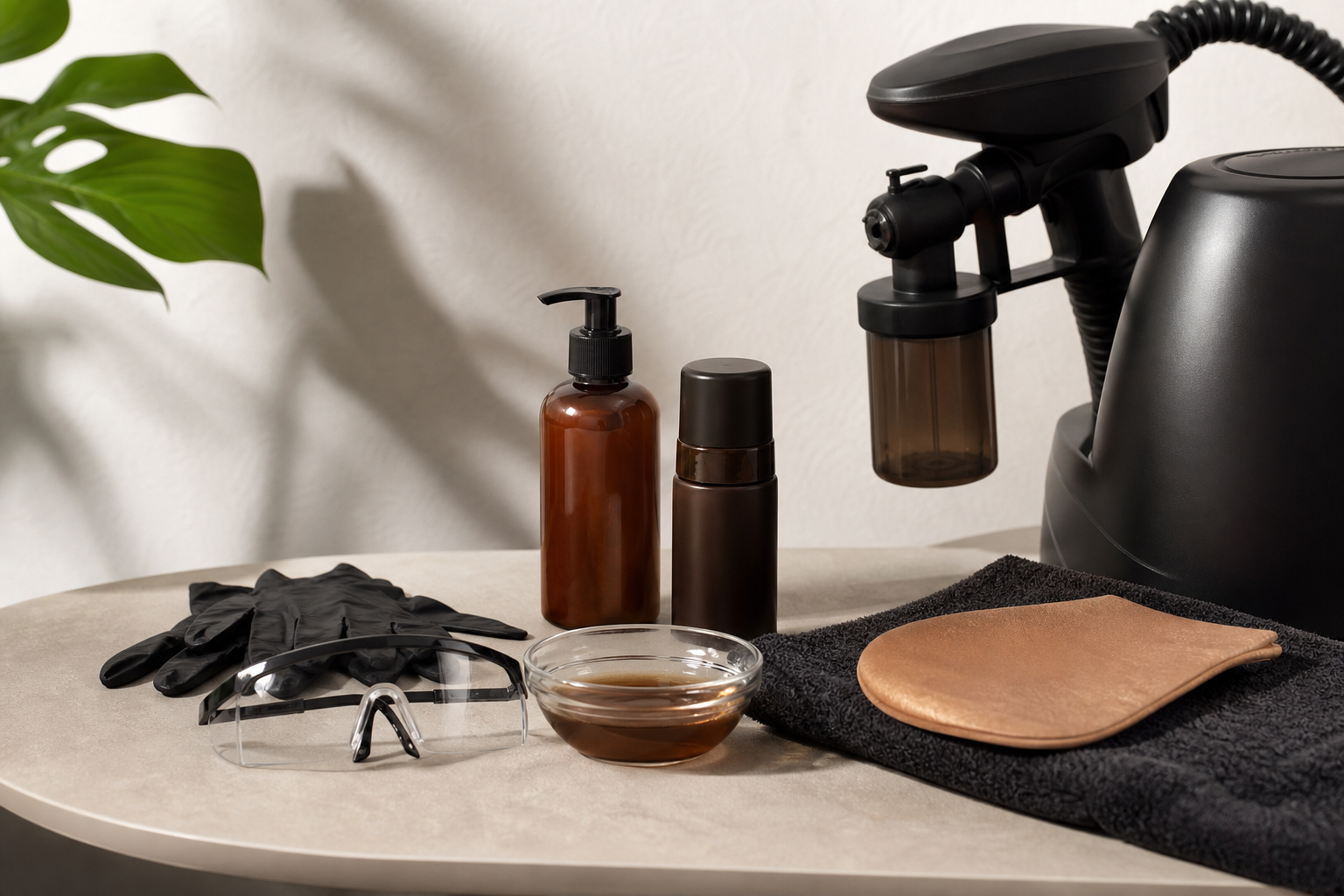
Additionally, spray tanning is versatile in application: it can be performed professionally in salons using airbrush systems for precise, uniform coverage or carried out at home with self-tanning foams, lotions, sprays, or drops. Its independence from weather or daylight hours makes it a reliable option irrespective of season or climate.
For conscientious skin care, spray tanning integrates smoothly with existing routines, avoiding the need to expose skin to harmful rays while complementing moisturizing and exfoliating practices to maintain an even complexion.
How Should One Prepare for a Spray Tan and What Is the Expected Experience?
Optimal results from a spray tan begin with thorough skin preparation. Prior exfoliation is essential to remove dead skin cells that could cause uneven coloration or blotchiness. Users are advised to use gentle, oil-free scrubs or exfoliating gloves at least 24 hours before treatment. Avoiding heavy moisturizers, deodorants, perfumes, and makeup right before application helps ensure better product adherence and color development.
On the day of the spray tan, wearing loose, dark clothing and sandals is recommended to prevent staining and discomfort. Clients receiving professional spray tans are often advised to avoid shaving or waxing immediately before the session to minimize skin irritation.
During the spray tan, a fine mist is evenly applied, typically taking 10 to 20 minutes depending on coverage area. Afterward, users should avoid sweating, bathing, or swimming for a minimum number of hours—the exact time depending on the specific product—to allow the DHA to fully develop the desired hue.
Within approximately 6 to 12 hours post-application, the tan deepens to its full shade and gradually fades over subsequent days. Regular moisturizing can prolong the life of the spray tan and maintain skin softness.
What Types of Spray Tan Products Are Available and How Do They Differ?
The spray tanning market offers various formulations to cater to user needs and preferences. Common categories include:
Self-Tanning Foams and Mousses: Lightweight and quick-absorbing, these products provide ease of application, often favored for at-home use. They generally produce a natural bronze and incorporate moisturizers for skin conditioning.
Self-Tanning Lotions: Usually richer in texture, lotions hydrate deeply and may result in a more gradual tan buildup. They suit dry or sensitive skin types well.
Spray Solutions for Professional Use: These are applied via airbrush or spray guns in salons and offer precise, even coverage tailored to individual skin tones. The formulas may vary to offer immediate bronzing alongside gradual development.
Drop-in Self-Tanners: Concentrated drops mixed with regular moisturizers allow gradual color build-up and high control over intensity.
Some products offer additional benefits such as added antioxidants, vitamins, or collagen-boosting ingredients, aiming to nourish skin concurrently. It's important to select products based on skin type, desired effect, and any sensitivities.
Does Spray Tan Provide Sun Protection and How Should One Manage Skin Health When Using Spray Tans?
A critical point to understand is that spray tan products do not contain sun protection factor (SPF) and therefore do not shield the skin from ultraviolet radiation. Relying on spray tan coloration visually does not correlate with increased natural defense against sunburn or UV damage.
Consequently, individuals using spray tanning should continue employing broad-spectrum sunscreen appropriate for their skin type and environmental exposure. Additional measures like wearing protective clothing, hats, and seeking shade during peak sunlight hours are essential for comprehensive sun safety.
This distinction is vital to prevent misconceptions that could lead to increased sun exposure and subsequent skin health risks. Maintaining a well-rounded skin care regimen that incorporates protection alongside cosmetic tanning will foster better long-term skin health and appearance.
How Can Spray Tan Enhance Overall Skin Care and Aesthetic Confidence?
Beyond cosmetic coloration, spray tanning can contribute positively to psychological well-being by enhancing body image and self-confidence. A healthy, consistent tan may impart a more even skin tone, minimize the appearance of imperfections such as redness and blotchiness, and provide a vibrant glow that many find aesthetically pleasing.
Furthermore, modern spray tan formulations often include moisturizing components like aloe vera, shea butter, and vitamins that can support skin hydration and suppleness. When combined with routine exfoliation and moisturizing, spray tan can be incorporated as part of a holistic skin care regimen.
The sense of wellness derived from satisfying one's visual ideals can also motivate continued healthy skin behaviors, including sun protection and hydration, reinforcing a cycle of positive skin care.