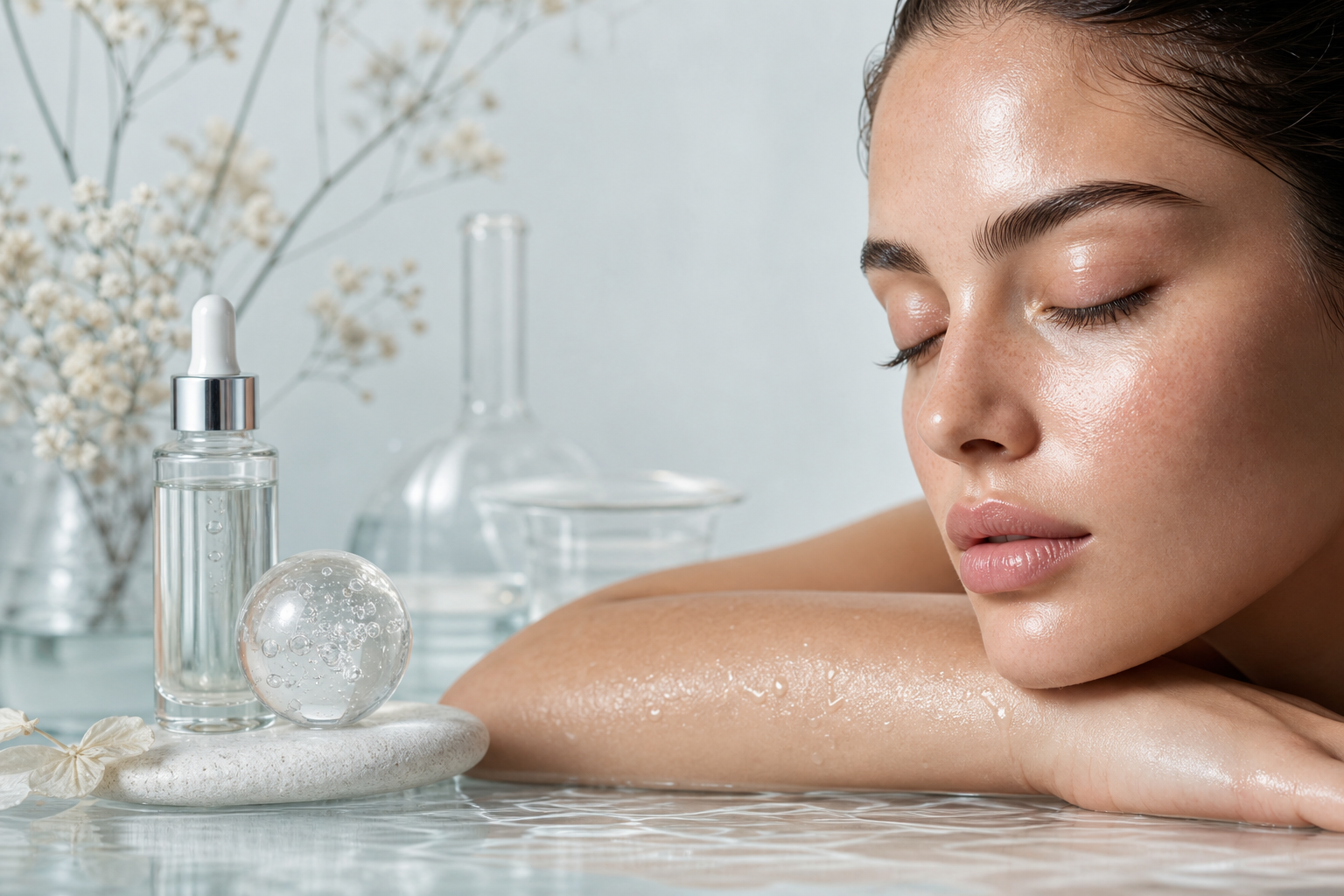
Hyaluronic acid has become a cornerstone ingredient in modern skincare, renowned for its remarkable ability to hydrate and rejuvenate the skin. This naturally occurring molecule plays a pivotal role in maintaining skin moisture and elasticity, making it indispensable for anyone seeking to enhance their skin's health and appearance. Whether you're coping with dry or aging skin, or simply aiming to preserve your youthful glow, understanding hyaluronic acid and how to use it effectively is essential.
This comprehensive guide delves into the science behind hyaluronic acid, outlines its benefits, and clarifies its uses both in daily home care and in advanced professional treatments. It is designed for individuals looking for accurate, practical information to make informed decisions about integrating hyaluronic acid into their skincare regimen. Recognizing the ingredient's potential—as well as its limitations—allows users to leverage its advantages safely and effectively.
As skin hydration is fundamental to a vibrant, resilient complexion, hyaluronic acid’s relevance extends beyond mere cosmetic appeal. Its ability to support skin structure and repair mechanisms makes it particularly valuable within the broader context of non-invasive facial rituals that focus on improving skin texture and radiance without resorting to injections or aggressive procedures.
What Is Hyaluronic Acid and How Does It Work in Skin Hydration?
At its core, hyaluronic acid is a glycosaminoglycan, a complex carbohydrate naturally found throughout the body's connective tissues, including the skin, eyes, and joints. What distinguishes hyaluronic acid is its extraordinary capacity to bind and retain vast amounts of water—up to 1,000 times its own weight—thus forming a gel-like matrix that keeps tissues plump and hydrated.
Within the skin, hyaluronic acid predominantly resides in the dermis and epidermis layers, where it works as a moisture reservoir, ensuring cellular environments remain optimal for function and regeneration. This hydration not only preserves skin softness but also supports structural proteins such as collagen and elastin, which together contribute to skin's firmness and elasticity.
As we age, natural synthesis of hyaluronic acid declines, influenced further by environmental factors like ultraviolet exposure, pollution, and stress. This diminishment contributes to dryness, loss of volume, and the formation of wrinkles. Consequently, supplementing the skin with hyaluronic acid via topical products or clinical treatments can help replenish moisture, improve skin texture, and support the skin’s self-repair processes.
Who Benefits Most from Including Hyaluronic Acid in Their Skincare?
One of the key reasons hyaluronic acid is so widely recommended is its suitability for nearly all skin types, including sensitive and acne-prone skin, due to its non-irritating and lightweight nature. It is especially beneficial for individuals with dry or dehydrated skin, as it delivers essential moisture without heaviness or greasiness.
People exhibiting early or mature signs of aging frequently turn to hyaluronic acid to address fine lines, loss of elasticity, and diminished skin plumpness. By enhancing hydration, hyaluronic acid can help improve skin turgor and reduce the visible signs of aging, lending the complexion a refreshed and smoother appearance.
Even those with oily or combination skin can incorporate hyaluronic acid safely, as it neither clogs pores nor promotes excess sebum production. The key lies in selecting formulations tailored for specific skin needs, ensuring optimal absorption and efficacy without adverse effects.
The Advantages and Realistic Expectations of Hyaluronic Acid Use
The hydrating and regenerative properties of hyaluronic acid translate into multiple skincare benefits. At the forefront is its potent moisturizing effect, which helps maintain the skin’s barrier function and overall vitality. This hydration softness can also mitigate the appearance of fine lines, making skin appear more youthful and supple.
Additionally, hyaluronic acid serves as an excellent vehicle for enhancing the penetration and tolerance of other active ingredients, thereby complementing broader skincare routines aimed at renewal and repair. Its compatibility with a range of compounds makes it a versatile ally in comprehensive skin health strategies.
However, it is important to approach hyaluronic acid with measured expectations. It is not a miracle cure or a substitute for medical treatments when addressing deeper dermatologic concerns. Its effectiveness depends heavily on the molecular size used in products, which dictates skin penetration, as well as consistent, proper application over time. Understanding these nuances helps users avoid disappointment and underscores the importance of realistic goals in skin care.
How to Incorporate Hyaluronic Acid Properly in Daily Skincare Routines
Maximizing the benefits of hyaluronic acid starts with appropriate application techniques. Typically available as serums, creams, gels, or tonics, hyaluronic acid products should ideally be applied on clean, slightly damp skin. This practice helps activate the hydrophilic molecules, improving their water-binding function and avoiding potential dryness that might occur if applied on completely dry skin.
A recommended sequence involves cleansing the face gently, optionally using a hydrating toner or mist, followed immediately by a hyaluronic acid serum to lock in moisture. To seal this hydration, applying a compatible moisturizer thereafter is crucial.
Additionally, moderation is key; overapplication does not equate to better results and can sometimes lead to unintended dryness if environmental humidity is low. Users should also consider climate and seasonality when tailoring their hyaluronic acid usage to ensure optimal outcomes.
Distinguishing Home Care Products from Professional Hyaluronic Acid Treatments
In home care, products containing hyaluronic acid usually feature lower concentrations and formulations designed for daily maintenance of skin hydration and elasticity. These non-invasive treatments support skin health by providing continuous moisture replenishment and mild rejuvenation effects.
Conversely, professional interventions encompass a range of medical and cosmetic procedures such as mesotherapy or hyaluronic acid injections. These treatments deliver the molecule more deeply into the skin layers, offering pronounced effects in volume restoration and wrinkle reduction that are beyond the reach of topical products alone.
Emerging non-invasive modalities combining hyaluronic acid with technologies like ultrasound and radiofrequency aim to enhance penetration and therapeutic outcomes without needles. Regardless, these procedures necessitate expert evaluation and skilled administration to ensure safety and efficacy.
When to Seek Dermatological Advice Before Using Hyaluronic Acid
While hyaluronic acid is generally safe, certain circumstances warrant professional guidance. Individuals with complex or chronic skin conditions, such as inflammatory disorders or persistent acne, should consult a dermatologist before introducing new treatments. Similarly, those considering professional hyaluronic acid therapies benefit from expert assessment to customize protocols according to skin type, concerns, and medical history.
Professional advice also aids in choosing formulations with appropriate concentrations and complementary ingredients, reducing the risk of adverse reactions and optimizing results. Such consultations elevate the safety profile and effectiveness of both at-home and clinical interventions.
What Users Can Expect from Consistent Hyaluronic Acid Application
With regular and proper use, hyaluronic acid contributes to visibly improved skin hydration, texture, and softness. Users often notice a more plump and radiant complexion, along with gradual smoothing of fine lines. These enhancements support a fresher, healthier appearance without invasive measures.
It is important to contextualize these benefits within a holistic skin care framework that includes sun protection, balanced nutrition, and gentle cleansing. Hyaluronic acid acts as one vital component among many in a comprehensive strategy to maintain and enhance skin quality.
Common Questions and Considerations Regarding Hyaluronic Acid
Concerns about allergic reactions to hyaluronic acid are relatively rare given its biological compatibility, but vigilance remains wise. Patch testing new products and ensuring clinical oversight for in-office procedures help minimize risks.
Hyaluronic acid’s compatibility with other hydration-enhancing ingredients such as glycerin, panthenol, urea, or squalane makes it a flexible option in multifaceted skincare regimens. Such combinations often amplify moisturizing effects and promote skin barrier restoration.
Regarding the longevity of professional treatment effects, injectable hyaluronic acid can last from several months up to a year depending on formulation and individual metabolism, necessitating maintenance sessions for sustained outcomes.


