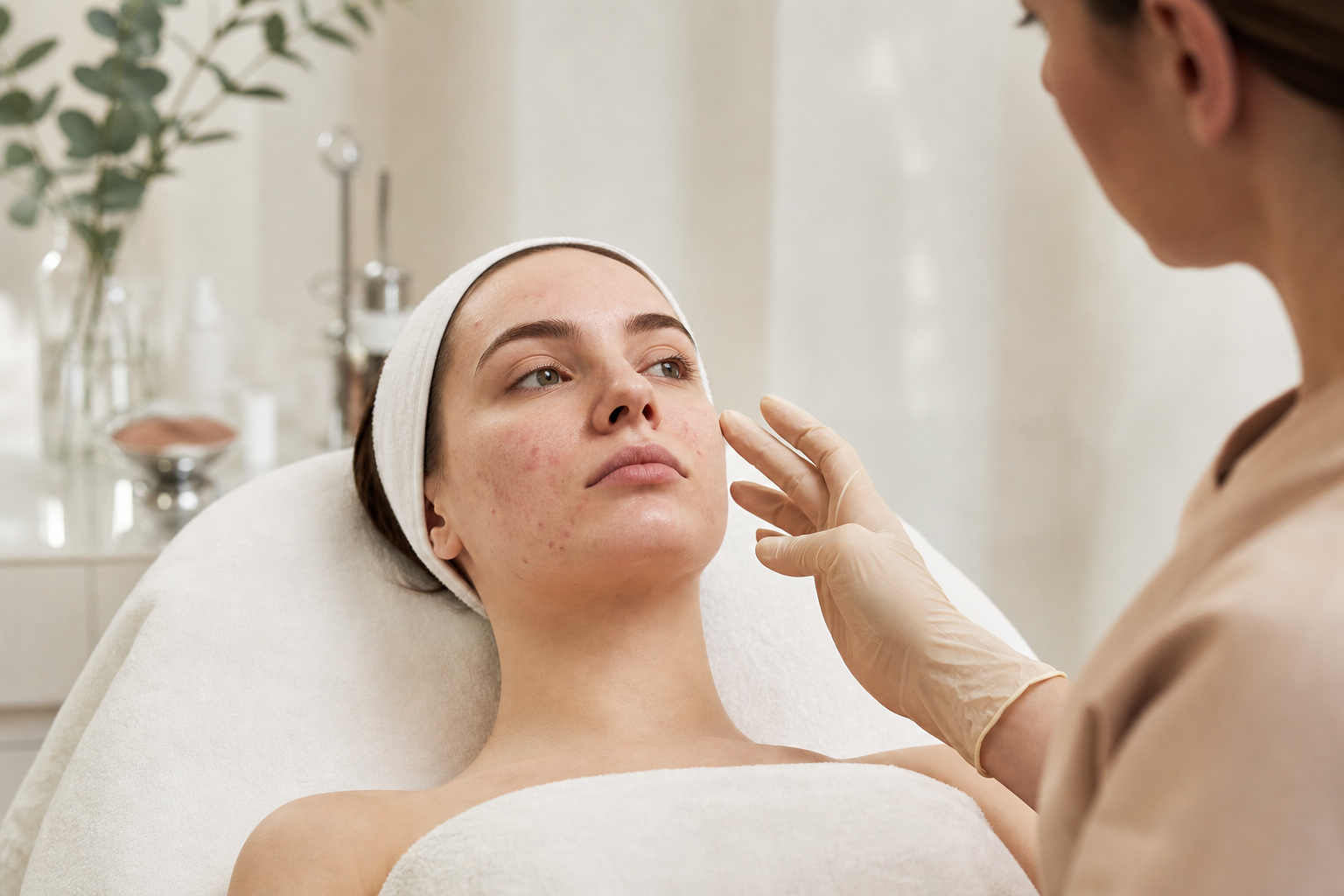
Manual facial cleansing is an established cosmetic procedure designed to purify the skin by physically extracting impurities such as blackheads, excess sebum, and clogged pores. While this treatment can enhance skin texture and appearance, it is not universally suitable. Identifying contraindications—specific conditions when manual facial cleansing should be avoided—is essential for ensuring safety and maximizing effectiveness. This editorial explores the critical contraindications for manual facial cleansing, guiding individuals and skincare professionals toward informed decisions that respect the integrity and health of the skin.
The significance of understanding contraindications lies in the prevention of adverse reactions ranging from mild irritation to serious skin damage. For anyone considering a manual extraction facial treatment, or for practitioners offering such services, awareness of these warnings is indispensable. This knowledge safeguards against complications while supporting the delivery of optimal skincare outcomes, tailored to the unique needs and vulnerabilities of each person’s skin.
This discussion is particularly relevant for those who are weighing the benefits of manual facial cleansing against their individual skin condition, as well as for skincare professionals who require a clear framework to assess candidacy for the procedure. By exploring the reasons why manual facial cleansing may be unsuitable in certain contexts, readers will be empowered to make safer choices and to understand when alternative treatments or medical consultations are warranted.
What is Manual Facial Cleansing and How Does It Differ from Other Techniques?
Manual facial cleansing involves the direct, hands-on removal of skin impurities by a trained professional. It primarily targets blackheads, whiteheads, and impactions within pores that regular daily cleansing cannot eliminate. The procedure typically employs clean fingers wrapped in gauze or specialized extraction tools to apply gentle pressure, expelling debris from clogged pores.
Unlike chemical peels or ultrasonic cleansing, manual facial cleansing relies on physical manipulation of the skin’s surface. This tactile approach can offer immediate visible improvements in pore clarity and skin texture. However, the direct mechanical action carries inherent risks, making the accuracy of technique, hygiene protocols, and proper client selection imperative to avoid damage such as scarring or infection.
Who Should Avoid Manual Facial Cleansing: Identifying Key Contraindications
Manual facial cleansing is not a one-size-fits-all treatment. Certain skin types and conditions contraindicate this procedure due to the elevated risk of harm or exacerbation of existing issues. Below are the principal scenarios where manual facial cleansing is inadvisable:
Active Inflammatory Skin Conditions: Individuals with ongoing inflammatory processes such as cystic or pustular acne, acute eczema flare-ups, or rosacea should abstain from manual cleansing. The procedure’s physical pressure can intensify inflammation, extend infection, or induce further irritation.
Open or Infectious Lesions: The presence of herpes simplex outbreaks, bacterial skin infections, or furuncles (boils) precludes manual extraction. Intervening on infected areas risks spreading pathogens and provoking systemic complications.
Fragile Skin and Capillary Disorders: Conditions involving dilated or fragile blood vessels, such as telangiectasia, may worsen with mechanical pressure, leading to increased redness, broken capillaries, or bruising.
Patients Using Certain Medications: Use of retinoids, corticosteroids, anticoagulants, or other drugs that compromise skin integrity or healing capacity is a critical contraindication. The skin’s sensitivity and vulnerability in these contexts make manual extraction hazardous.
Skin Pigmentation Disorders in Active Phases: Disorders like vitiligo or melasma that are progressing actively should be shielded from mechanical stress to prevent aggravation of pigment irregularities.
Potential Complications When Contraindications Are Ignored
Disregarding contraindications can lead to a spectrum of undesirable outcomes. The skin may respond adversely to manual extraction, compromising not only appearance but also health.
Infections and Spread of Pathogens: Extracting from inflamed or infected skin can exacerbate the condition and potentially lead to deeper infections requiring medical intervention.
Permanent Scarring and Micro-injuries: Excessive force or inappropriate technique can cause tiny wounds or deeper dermal damage, culminating in visible scars or textural irregularities.
Post-inflammatory Hyperpigmentation (PIH): Trauma to the skin often triggers pigmentation changes, especially in individuals with darker skin types or pigmentary tendencies, resulting in unsightly dark spots that may persist long-term.
Persistent Skin Irritation and Sensitivity: Inflammation induced by improper treatment may linger, leading to discomfort, redness, and aesthetic concerns that disrupt daily life.
Distinguishing Home Care, Professional Manual Extraction, and Dermatological Procedures
Effective skin care involves an informed hierarchy of interventions, each suited to different degrees of skin concern and types.
Home Skincare Regimens: These include daily cleansing routines and gentle exfoliation using non-invasive products. They are generally safe for all skin types but limited in addressing deeply embedded comedones.
Professional Manual Facial Cleansing: Performed by trained estheticians, this treatment offers more intensive pore extraction. It requires clinical judgment about appropriateness and skillful technique to balance efficacy against potential for harm.
Dermatological Treatments: For complex or acute skin conditions, medical-grade interventions conducted by dermatologists are preferred. These may include prescription medications, laser therapies, or advanced chemical peels with tailored supervision.
How to Assess Your Skin’s Suitability for Manual Facial Cleansing
Understanding your skin type and condition is foundational to selecting suitable treatments:
Oily and Combination Skin: Often benefits from manual extraction when free of active inflammation or infection, as it aids in oil control and pore clearing.
Sensitive or Reactive Skin: Generally ill-suited for mechanical extractions; advice favors gentle care and hydration-focused regimens with minimal irritation.
Skin with Active Inflammation or Infection: Needs medical assessment before any physical treatment is considered, due to the risk of worsening the condition.
If uncertainty exists, consulting qualified skincare professionals or dermatologists enables a personalized evaluation and treatment plan aligned with skin health goals.
Best Practices for Safe Manual Facial Cleansing
When manual cleansing is appropriate, adhering to strict protocols is critical:
Choose Experienced Professionals: Validate the qualifications and hygienic standards of the salon or clinic to minimize risks.
Prepare the Skin Properly: Pre-treatment cleansing and pore softening (e.g., through steaming or mild chemical exfoliation) facilitate gentler extraction.
Post-Treatment Care: Avoid sun exposure without protection and refrain from harsh skincare products to support healing.
Open Communication: Disclose all pertinent medical history, medications, and skin reactions to the practitioner.
Frequently Asked Questions about Contraindications and Safety
Is manual facial cleansing safe during pregnancy? Generally, it is considered safe if no contraindications exist, but consulting a healthcare provider and esthetician is advised to ensure comfort and safety.
What should I do if redness or irritation occurs after treatment? Cease further treatments and employ soothing skincare. Persistent symptoms warrant evaluation by a dermatologist.
How to differentiate normal post-treatment redness from skin damage? Mild erythema and tenderness are common and temporary; however, sustained, painful inflammation requires professional assessment.
How frequently can manual facial cleansing be performed? Typically, treatments are spaced several weeks apart, adjusted based on skin type, condition, and response.


