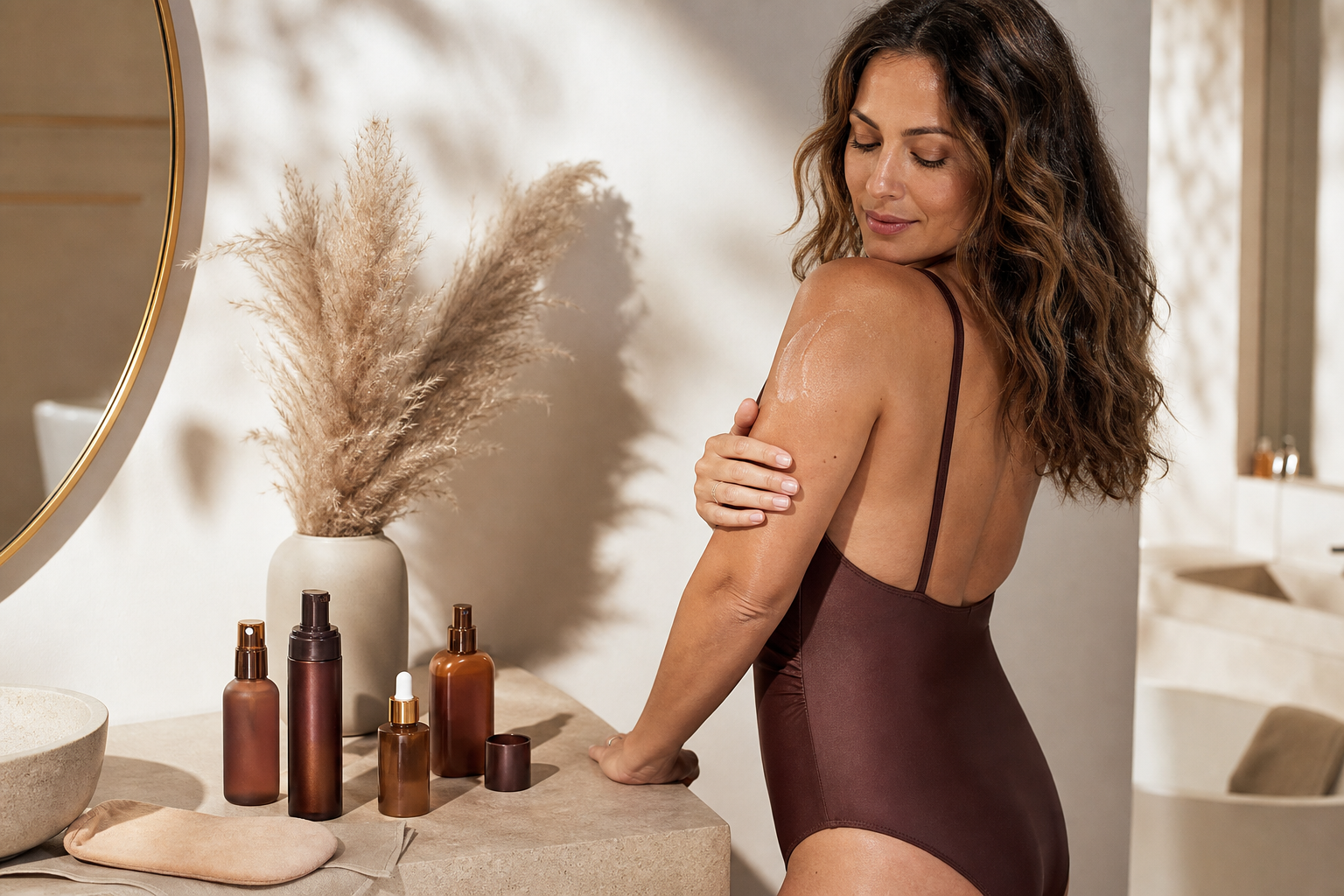
In today's world, achieving a radiant, sun-kissed glow without endangering the skin with harmful ultraviolet (UV) exposure has become increasingly desirable. Self-tanning products offer a sophisticated and safe alternative to traditional sunbathing and tanning beds, enabling individuals to attain that coveted bronzed complexion while protecting their skin's health. This comprehensive guide to self-tanning products is crafted for anyone considering or currently using these formulations—whether novices or seasoned enthusiasts—providing detailed information on how to select, apply, and optimize self-tanning solutions for natural, long-lasting results.
Self-tanners harness science and innovation to mimic the appearance of a sun-induced tan through topical application rather than UV radiation. Their popularity has surged not only due to growing awareness of skin cancer risks but also because they offer unparalleled versatility in tone, texture, and coverage. Understanding the wide array of options—from foams and lotions to sprays and drops, as well as professional and express formulas—is essential to tailoring the perfect regimen aligned with individual skin types, lifestyles, and aesthetic goals.
This guide demystifies the key characteristics of different self-tanning products, clarifies their active ingredients and efficacy, and addresses safety considerations, including an important reminder that no self-tanning product provides UV protection. Read on to explore the nuances of self-tanning, discover how to choose and use the ideal product, and learn about innovative formulations like progressive gradual tans and targeted facial applications from renowned brands such as MineTan and Sienna X.
What Are Self-Tanning Products and Who Are They For?
Self-tanning products are topical cosmetic formulations designed to impart an artificially bronzed or tanned appearance without the necessity for sun exposure. They primarily contain dihydroxyacetone (DHA), a colorless sugar that reacts with amino acids in the outermost skin layer, producing a natural-looking pigmentation change. These products cater to a diverse audience including individuals who want a temporary glow for special occasions, people looking for a safer alternative to UV tanning, and those who prefer an even complexion across seasons.
They serve multiple purposes beyond mere aesthetics: enhancing self-confidence, evening out skin tone imperfections, and affording a youthful, radiant appearance. Importantly, self-tanning is especially advantageous for those with sensitive skin or a predisposition to sun damage, as it avoids the carcinogenic and photoaging effects associated with ultraviolet rays. Whether seeking a subtle, everyday radiance or a deeper bronze for vacation, self-tanners offer customizable options suited to varying preferences and skin types.
Understanding the Varied Forms: Foams, Lotions, Sprays, and Drops
Choosing the appropriate self-tanning format is pivotal in achieving flawless, streak-free results while complementing one’s application routine. Each form delivers distinctive benefits and considerations based on texture, ease of use, absorption speed, and finish.
Foams are lightweight and airy, often favoring those who desire rapid absorption and a matte finish without heaviness on the skin. Their consistent texture facilitates even application, particularly on larger skin areas, and they are less likely to drip or stain fabrics during drying.
Lotions provide moisturizing properties alongside pigmentation, frequently preferred by individuals with dry or sensitive skin. Their creamy consistency allows for smooth blending but may require extended drying times. Lotions tend to produce a velvety sheen that mimics a natural tan.
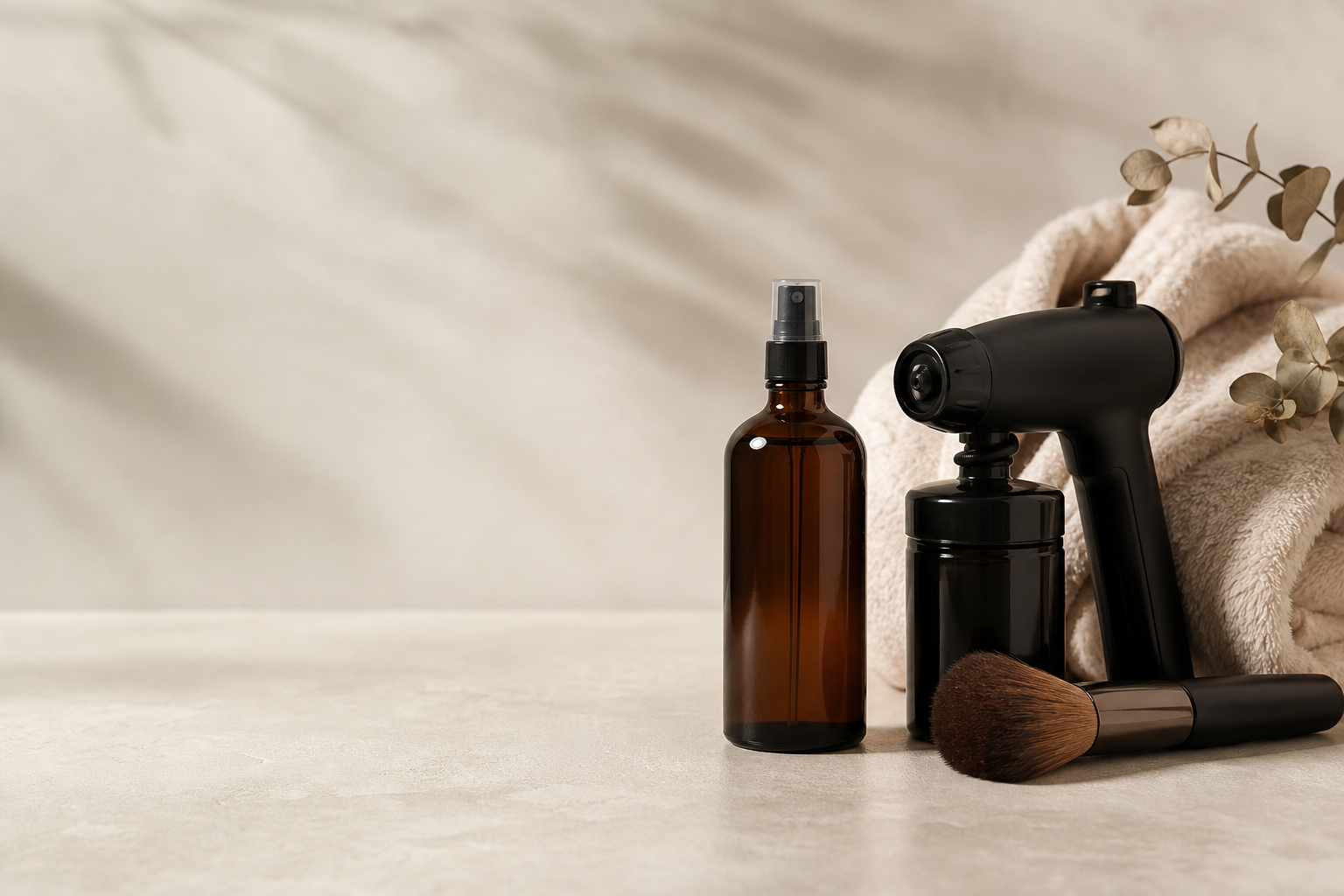
Sprays offer precision and convenience, especially with professional or at-home spray tan solutions. They can generate an ultra-fine mist making them ideal for quick body coverage and hard-to-reach areas. Guide colour and clear formulas cater to user preferences for visible application guidance or a product without added tint. However, spray tans—while providing color—do not confer any UV protection, necessitating diligent use of sunscreen when outdoors.
Drops represent a customizable approach, allowing users to mix self-tanning agents with their existing moisturizers or serums. This form grants control over color intensity and suits facial applications where subtle, incremental color change is often desired.
Professional Solutions Versus At-Home Products: What Sets Them Apart?
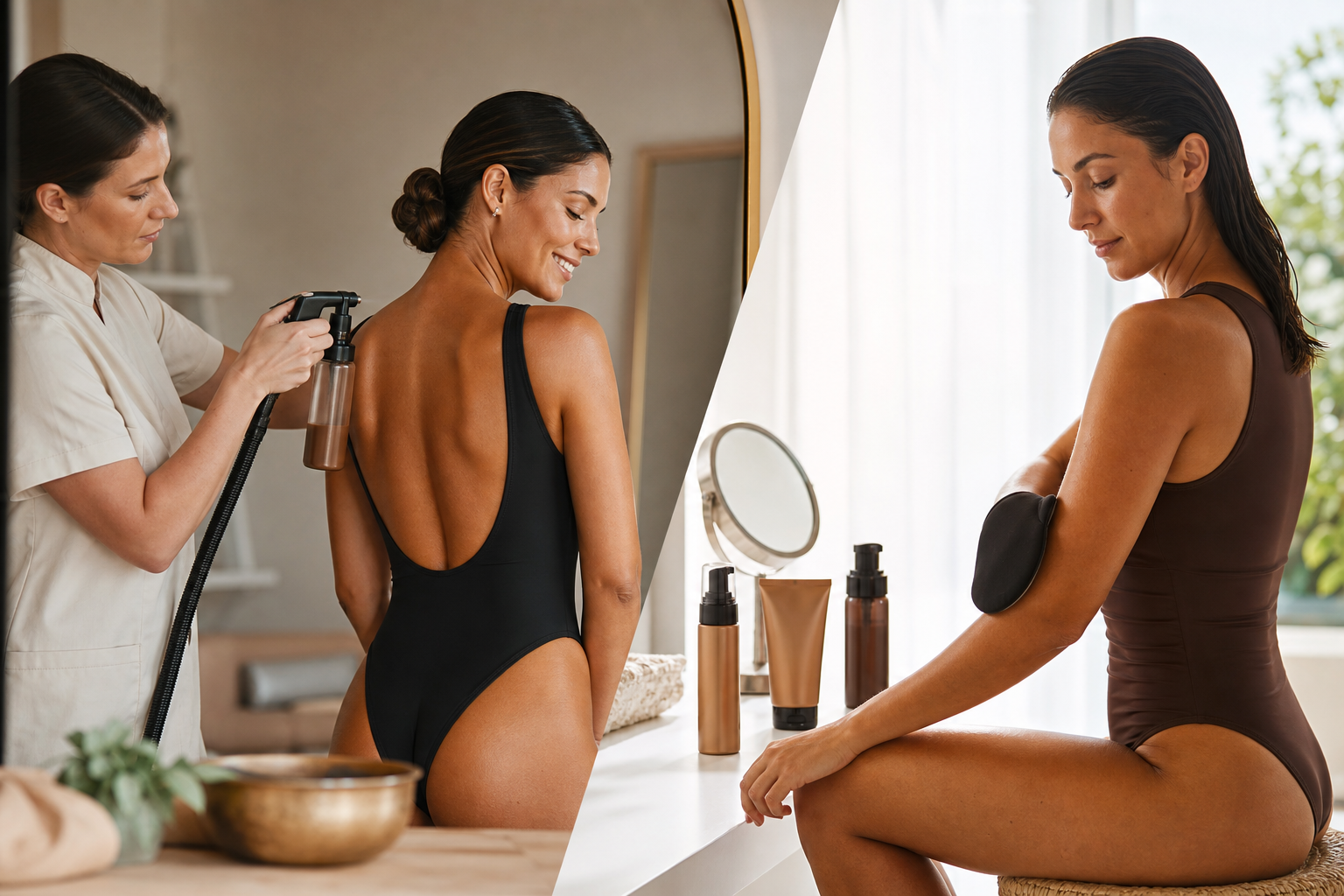
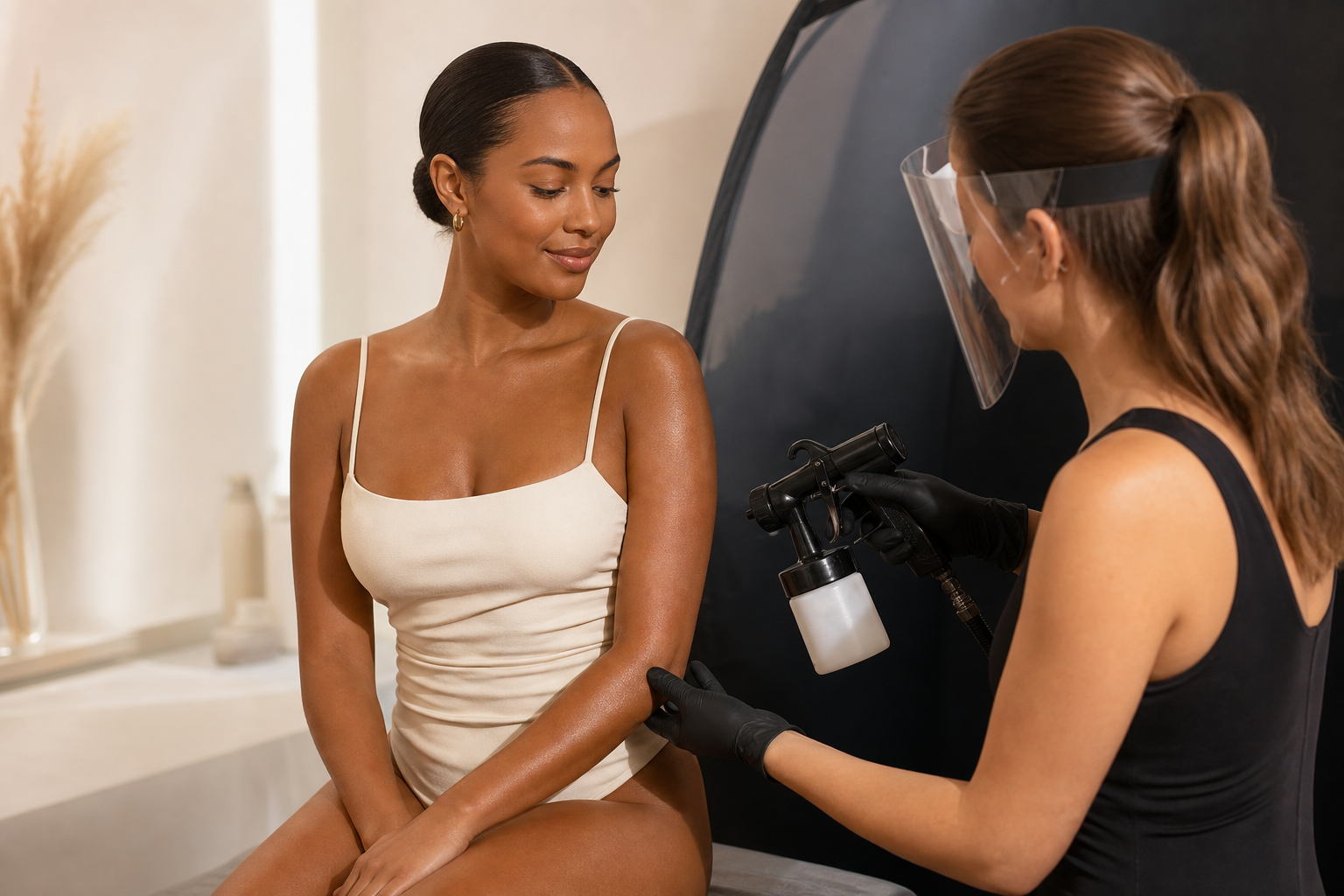
Professional spray tan solutions are generally administered in salons or by trained technicians and can achieve an even, streak-free finish that often surpasses home applications in durability and depth of color. These formulations may incorporate specialized bronzers, moisturizers, and advanced DHA concentrations to optimize appearance and skin health.
In contrast, at-home products cater to convenience and privacy, offering a broad spectrum of options optimized for self-application. While technologically advanced to minimize common pitfalls like unevenness and unnatural hues, at-home products often require meticulous preparation and application technique.
Selection between professional and consumer-grade products hinges on factors such as budget, desired immediacy of results, skill level in application, and personal preference regarding control over the tanning process.
Express Versus Classic Formulas: How to Choose According to Your Needs
Express self-tanning formulas develop color rapidly, often within 1 to 3 hours, catering to users seeking a quick transformation ahead of events or travel. These products typically necessitate thorough rinsing after the development phase to ensure even color and prevent staining.
Classic or traditional self-tanners develop color more gradually over 6 to 8 hours, allowing for a more controlled and natural progression of pigmentation. They usually do not require immediate washing post-application and provide longer-lasting results owing to their slower DHA reaction mechanism.
Consumers must consider their schedules, skin sensitivity, and tolerance for post-application maintenance when deciding between express and classic formulations.
Self-Tanning Products for the Face: Specially Tailored Formulations
Facial skin differs from body skin in texture, oiliness, and sensitivity, warranting dedicated self-tanning products formulated to address these distinctions. Facial self-tanners often contain lighter DHA concentrations, added skincare actives such as antioxidants, and hydrating components to maintain skin health while delivering a subtle, natural glow.
These products may come as moisturizers, serums, or drops and are typically designed for gradual tanning to allow users to build color slowly, minimizing the risk of unevenness or irritation in the delicate facial area.
Gradual Tan: Building Color Over Time with Consistent Use
Gradual tanning products offer a low-intensity DHA concentration and are intended for daily or frequent use, allowing the color to develop incrementally. This approach is appealing to those who prefer a subtle, natural-looking tan that can be maintained with minimal commitment.
Typically formulated as moisturizers or lotions, gradual tans hydrate the skin while imparting a light bronzing effect. Over continuous application, the tan deepens uniformly, permitting better color control and reducing the chance of patchiness.
Guide Colour and Clear Spray Formulas: Seeing and Controlling Your Tan
Guide colour formulas include a temporary tint that allows users to see where the product has been applied, aiding evenness and coverage accuracy. This feature is particularly valuable in spray tanning or self-application scenarios involving intricate or less visible body areas.
Clear spray formulas omit guide tints, appealing to users seeking a colorless solution that gradually develops and minimizes visual residue. While they require more skill to apply evenly, they offer a more discreet experience during application.
Understanding INCI and Ingredient Lists: Transparency in Product Composition
The International Nomenclature of Cosmetic Ingredients (INCI) provides standardized labeling for ingredients in cosmetic products. Familiarity with INCI lists in self-tanners, especially those from brands such as MineTan and Sienna X, empowers consumers to make informed choices—for instance, avoiding allergens, parabens, or harmful additives.
Key active ingredients to note are DHA and erythrulose, which influence tanning intensity and skin compatibility. Additional components like moisturizers, antioxidants, and botanical extracts contribute to skin nourishment and the longevity of the tan.
Proper Storage and Application: Maximizing Product Efficacy and Safety
Optimal storage of self-tanning products involves keeping them in a cool, dry place away from direct sunlight and extreme temperatures to preserve their chemical stability and performance. Users should adhere to manufacturer expiration dates and package sealing instructions.
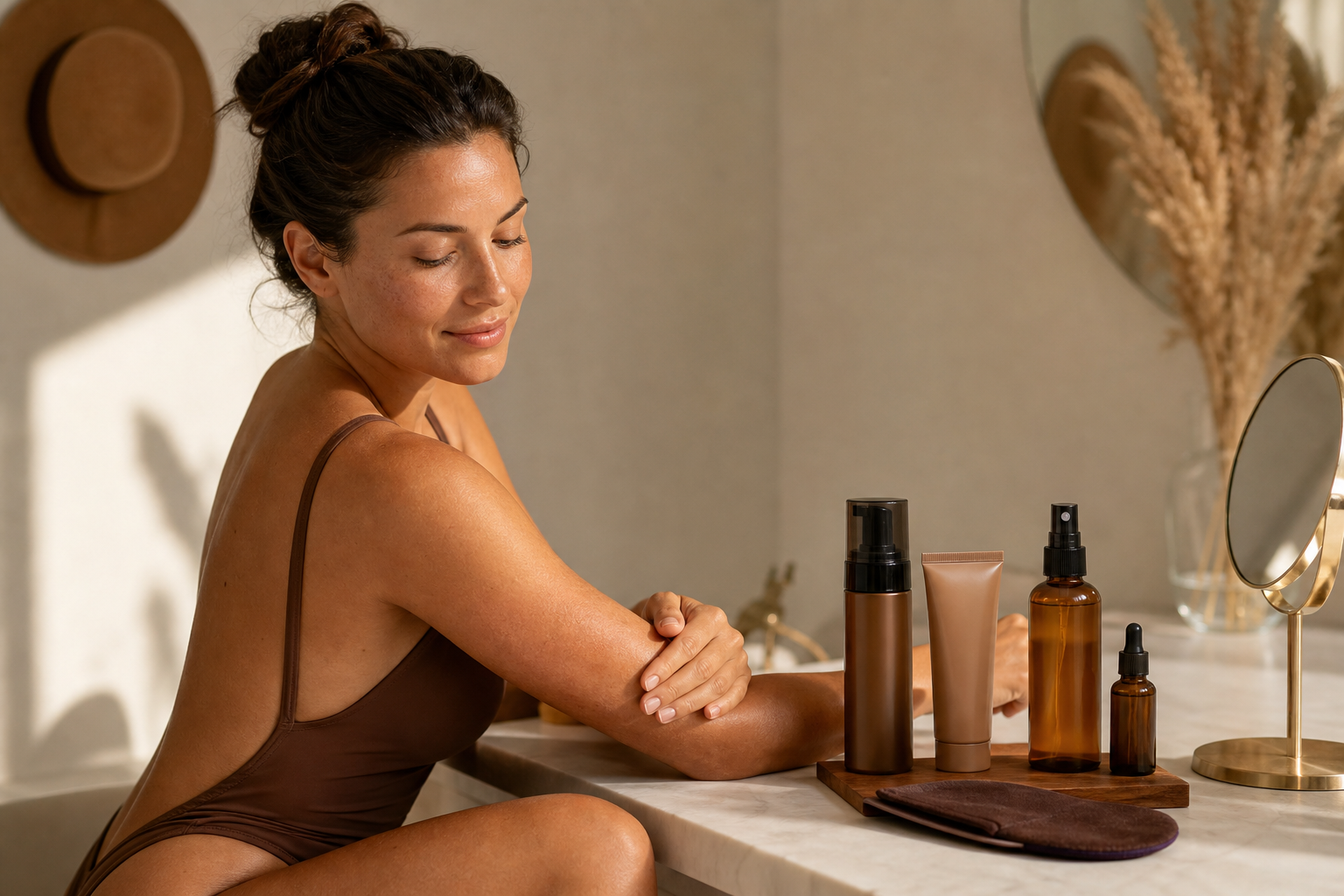
Preparation steps before application—such as exfoliating dead skin cells, moisturizing dry areas, and removing residual lotions or perfumes—significantly enhance the uniformity and duration of the tan. Using gloves or applicator mitts can prevent staining of hands and ensure smoother blending.
The Crucial Reminder: Self-Tanning Is Not Sun Protection
Despite the bronzed appearance self-tanning products confer, they do not afford any protection against harmful UV rays. It is imperative to continue applying a broad-spectrum sunscreen with SPF 30 or higher, especially during prolonged outdoor exposure, to safeguard skin integrity and prevent premature aging or malignancies.
Users should view self-tanners as a cosmetic enhancement exclusively for appearance, supplementing rather than replacing comprehensive sun protection strategies.