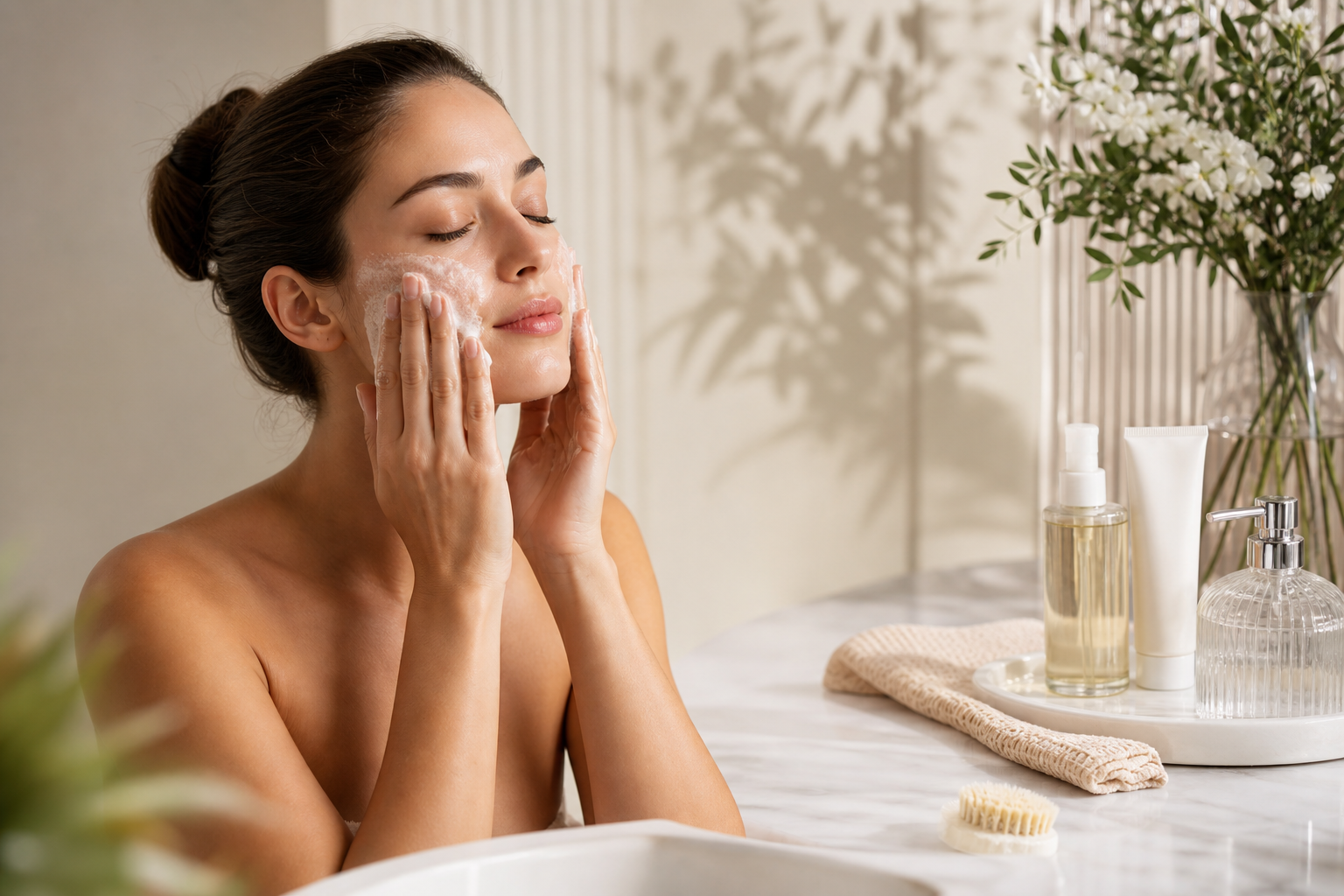
In the ever-evolving landscape of skincare routines, double cleansing has emerged as a method celebrated for its thoroughness and efficacy. This technique, which involves two sequential cleansing steps, is designed to meticulously remove makeup, excess sebum, pollutants, and other impurities that accumulate on the skin throughout the day. While the concept might initially appear straightforward, its nuanced execution and targeted benefits make it a particularly valuable practice for specific skin types and lifestyles.
Double cleansing primarily benefits individuals who wear makeup regularly, those exposed to urban pollution, or people with oily or acne-prone skin requiring more comprehensive cleaning to maintain skin health. Understanding who gains the most from this routine and how to appropriately incorporate it into daily skincare is essential to avoiding common pitfalls such as irritation or over-drying. Selecting suitable products according to one's skin type and condition is a fundamental aspect of achieving the desired balance between cleanliness and skin barrier protection.
As skin is the body's largest organ and its first line of defense against the external environment, adopting an effective cleansing regimen is critical not only for aesthetic appearance but also for overall skin health. Double cleansing serves as a sophisticated approach to this end, going beyond conventional single-step washing by addressing the diverse nature of impurities that single cleansers often fail to remove entirely. In this editorial, we will dive deeply into the principles of double cleansing, explore who benefits most from it, and provide guidance to integrate it safely into personal routines.
What Is Double Cleansing and How Does It Function?
Double cleansing is a two-step facial cleansing process that starts with an oil-based cleanser, followed by a water-based cleanser. The rationale behind this sequence lies in the complementary properties of these cleansing agents, which together ensure a more thorough removal of various contaminants from the skin.
The first phase employs an oil-based product—such as cleansing oils or balms—designed to dissolve and lift away oil-soluble substances including makeup, sunscreen, sebum, and surface pollutants. Oil cleansers act as magnets for these hydrophobic substances, breaking them down gently without stripping the skin’s natural oils.
The subsequent second phase involves a water-based cleanser like gels, foams, or milks, which targets water-soluble impurities such as sweat, dirt, and residual cleanser from the first step. This phase enhances the removal of contaminants, leaving the skin freshly cleansed and better primed to absorb skincare treatments applied afterward.
Together, this dual approach optimizes skin cleanliness by addressing a broader spectrum of substances than single-step cleansing methods can handle. Crucially, it does so without resorting to overly harsh agents, which can disturb the skin’s lipid barrier and provoke sensitivity or dryness.
Who Benefits Most from Double Cleansing?
Double cleansing is not a universal requirement for all skin types but proves highly advantageous for certain individuals based on their skincare needs and environmental factors. Here is a closer look at who may benefit most:
Daily Makeup Users: For those who frequently apply foundations, concealers, powders, or long-lasting cosmetics, double cleansing effectively ensures that all product residue is thoroughly removed. Regular cleansing with only a single water-based cleanser might fail to dissolve the thick waterproof formulations, leading to clogged pores and dull skin.
Individuals Exposed to Urban Pollution: Living or working in polluted environments exposes skin to airborne toxins and particulate matter that can accumulate and contribute to oxidative stress and premature aging. Double cleansing helps to remove these impurities more efficiently, supporting skin’s defense and repair mechanisms.
People with Oily or Acne-Prone Skin: Excess sebum production can lead to clogged pores, blackheads, and breakouts. Double cleansing facilitates deeper cleansing, which can reduce pore congestion and balance oil levels without aggressive harshness if done correctly.
Those Wearing Sunscreen Regularly: Sunscreens often contain both oil- and water-resistant ingredients. Double cleansing ensures proper removal so that pores remain clean and the skin can breathe overnight, improving overall texture and preventing irritation caused by residue.
Conversely, individuals with sensitive or very dry skin should approach double cleansing cautiously. Choosing gentle, hydrating formulations and limiting the practice to evenings or occasional use can help prevent over-drying or skin barrier disruption. For these skin types, single-step cleansing might often suffice in the mornings, reserving double cleansing for intensive nighttime care.
What Are the Benefits of Incorporating Double Cleansing Into Your Skincare Regimen?
Beyond merely removing surface impurities, the advantages of double cleansing extend to enhanced skin physiology and the subsequent effectiveness of skincare products:
Enhanced Makeup and Impurity Removal: The dual-step process ensures complete removal of makeup, sunscreens, and pollutants, reducing the likelihood of pore congestion, which is a precursor to breakouts and dullness.
Improved Skin Texture and Tone: By thoroughly cleansing the skin, double cleansing supports a smoother surface and can reduce the appearance of enlarged pores, fostering a clearer, more refined complexion.
Optimized Absorption of Active Ingredients: Post-cleansing, the skin is more receptive to serums, moisturizers, and treatments. Without residual buildup obstructing absorption, these products can penetrate deeply and perform more effectively.
Preservation of the Skin Barrier: When practiced properly with gentle cleansers, double cleansing can maintain the skin’s natural moisture barrier by avoiding harsh stripping while still delivering comprehensive cleaning.
Protection Against Environmental Stressors: Clearing away pollutants and oxidative agents from the skin's surface helps minimize inflammatory responses and premature aging processes, supporting a healthier skin environment.
How to Properly Execute Double Cleansing at Home
Adopting double cleansing into a home skincare routine requires attention to product selection and technique to achieve beneficial results without adverse effects.
Choosing the Right Products: Begin with an oil-based cleanser tailored to your skin type—light cleansing oils or balms for oily or combination skin, nourishing balms or creams for dry skin. Follow with a water-based cleanser that suits your skin’s sensitivity and moisture needs: gentle gels or foams for oilier types; creamy mousses or milks for sensitive or dry skin.
Cleansing Process: Apply the oil cleanser on dry skin, massaging gently in circular motions to dissolve makeup and sebum. Add a splash of lukewarm water to emulsify the cleanser, turning it milky, then rinse thoroughly. Without drying your face fully, immediately use the water-based cleanser, applying it evenly and massaging to remove remaining impurities, then rinse again with lukewarm water.
Additional Tips: Avoid using hot water, which can strip the skin of natural oils. Pat your face dry gently with a soft towel. Follow with a toner or hydrating mist if desired, then apply moisturizers and sunscreens to lock in hydration and protection.
Frequency: Double cleansing is typically recommended in the evening to remove the day’s accumulated grime and makeup. In the morning, a single gentle cleanse may suffice, unless the skin is particularly oily.
When to Consult a Skincare Professional About Double Cleansing
While double cleansing can usually be safely incorporated into personal routines, certain circumstances merit professional advice:
Persistent Skin Concerns: Individuals experiencing chronic acne, eczema, rosacea, or severe sensitivity should consult a dermatologist before adopting double cleansing to tailor the regimen and product choice appropriately.
Introduction of New Products: If you plan to include potent actives or have experienced reactions from cleansing products previously, a consultation can help create a supportive routine, minimizing risks.
Desire for Professional Treatments: For those interested in deeper cleansing techniques or complementary facial treatments, skilled estheticians can perform specialized procedures beyond home cleansing, offering advice on maintenance and optimization.
Signs of Over-Cleansing: Symptoms such as redness, tightness, flaking, or increased breakouts after beginning double cleansing indicate possible overuse or product incompatibility; professional assessment can guide appropriate modifications.
Recognizing Limitations and Avoiding Unwanted Side Effects
Despite its benefits, double cleansing is not without potential drawbacks if improperly practiced. Awareness and vigilance can help circumvent these issues:
Over-Drying and Irritation: Excessive cleansing or use of harsh products can dismantle protective oils, leading to dryness, redness, and compromised barrier function.
Inappropriate Product Combinations: Using incompatible cleansers that strip the skin too aggressively or leave residues can aggravate sensitivities and imbalance the skin’s microbiome.
Excessive Frequency: Double cleansing more than once daily is generally unnecessary and potentially harmful for most skin types; moderation is key.
Listening to your skin’s response, choosing gentle products rich in nourishing ingredients, and adapting the routine based on seasonal changes or skin condition are crucial strategies for maintaining balance.
Integrating Double Cleansing with Other Facial Rituals for Optimal Results
Double cleansing forms a foundational step within a broader skin health regimen. When combined thoughtfully with exfoliation, hydration, and protection, it contributes significantly to achieving vibrant, resilient skin.
Complementary treatments such as chemical exfoliants or masks should be carefully scheduled to avoid overburdening the skin. Moisturizers and serums applied post-cleansing will have enhanced efficacy on a clean canvas, facilitating nourishment and repair.
Furthermore, adopting protective measures against environmental aggressors—like antioxidants and broad-spectrum sunscreens—is vital to preserve the skin’s integrity and complement the cleansing routine.
Professional guidance can help tailor cleansing techniques and product choices to different skin types and individual needs.


